
Magnetostrictive Displacement Sensor for Water Conservancy
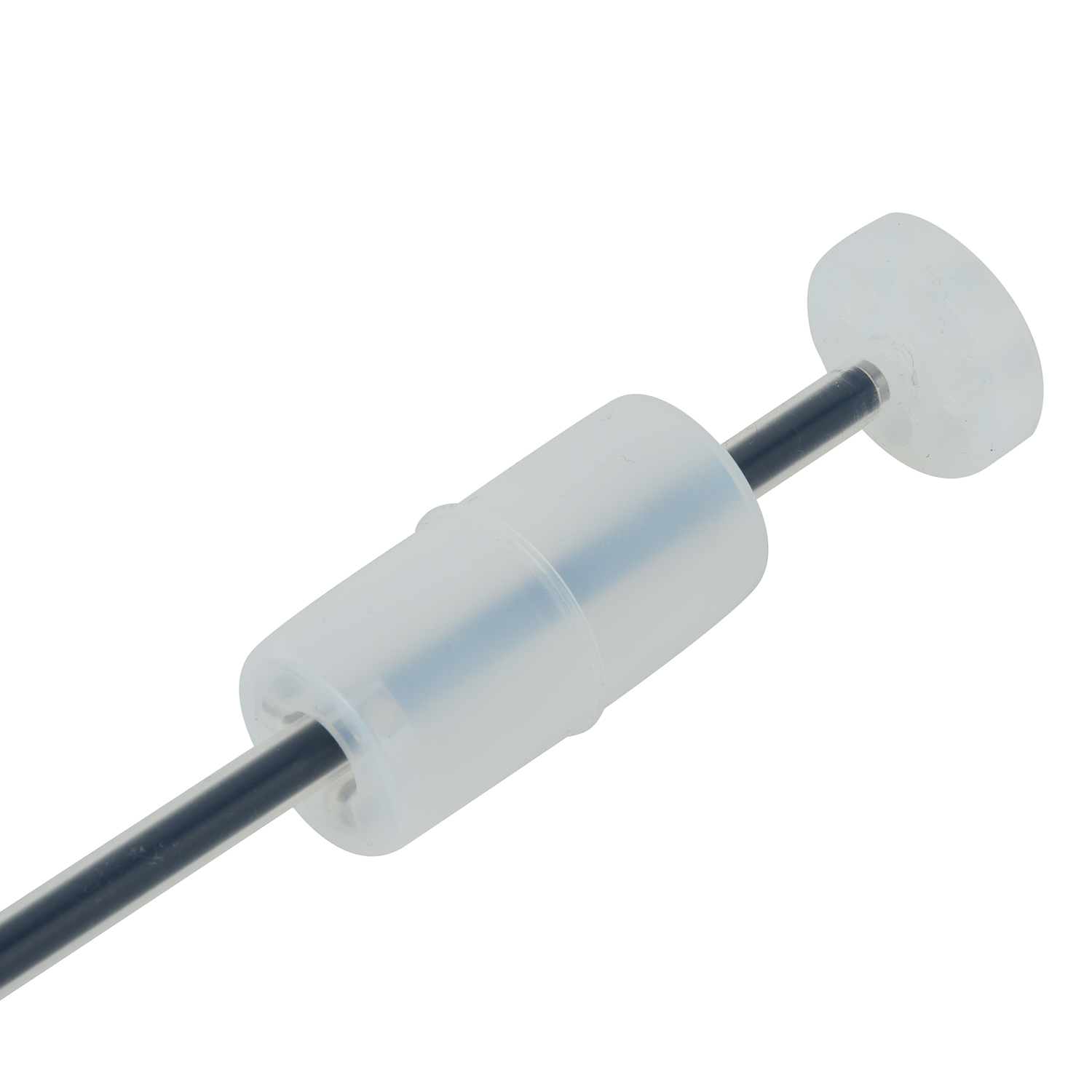
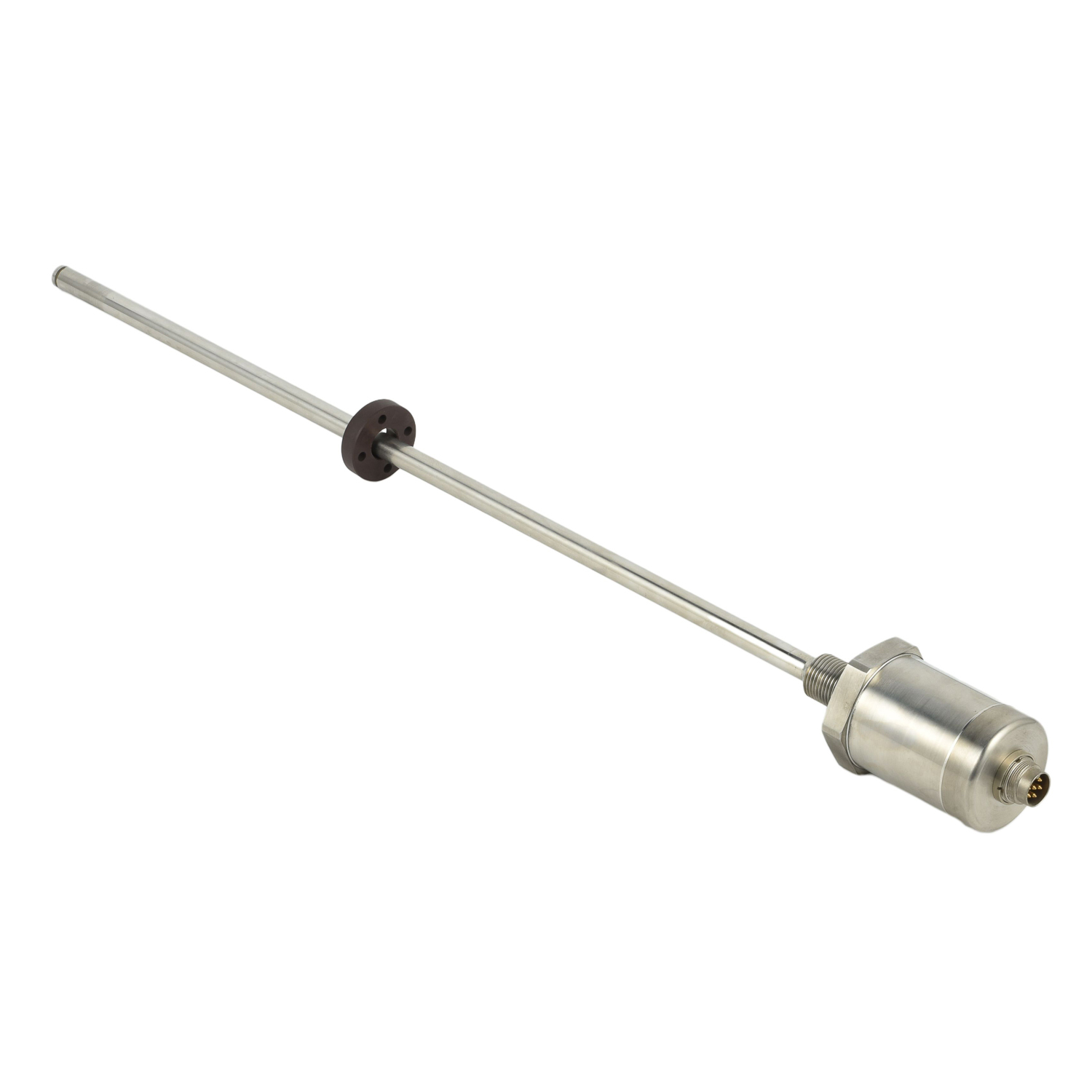
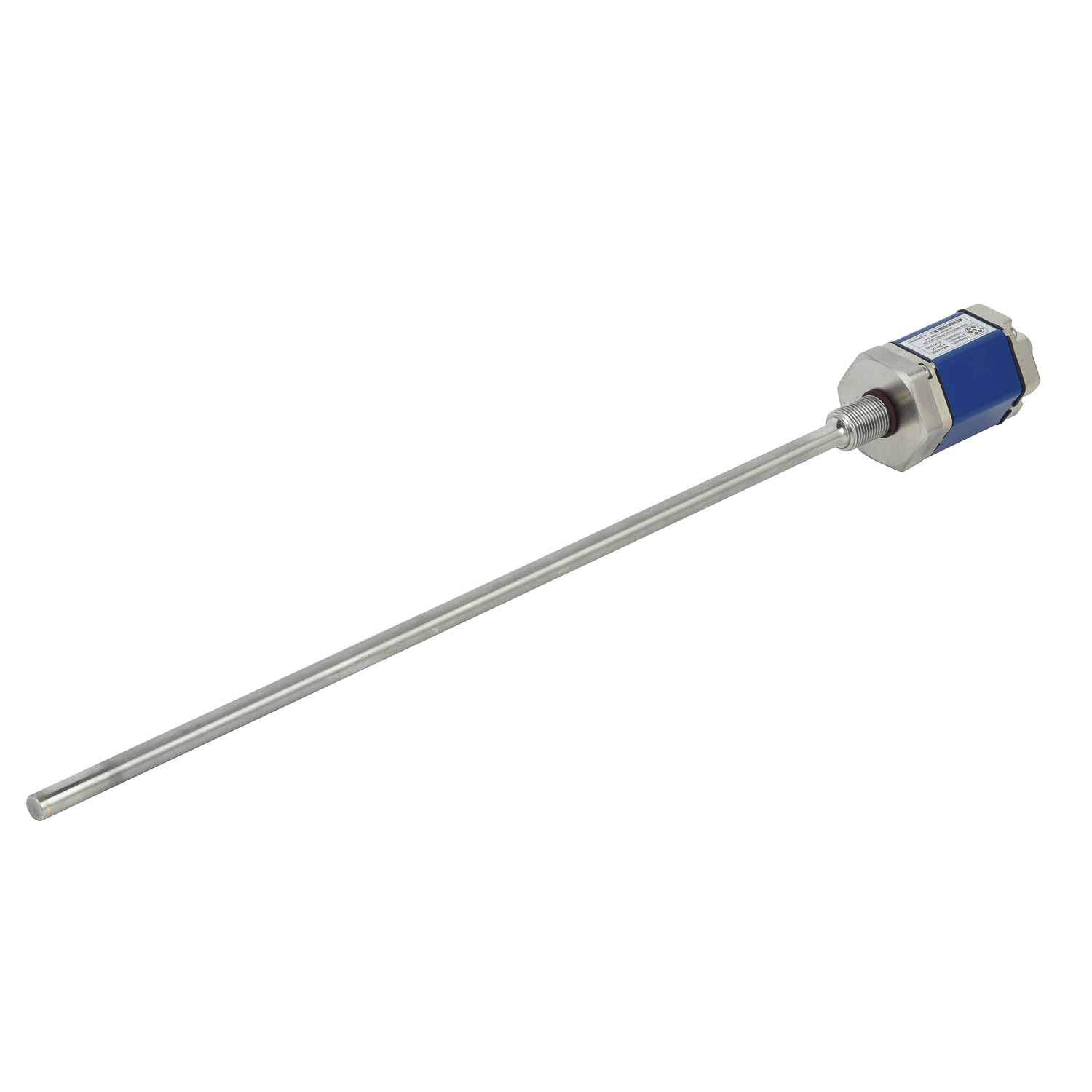
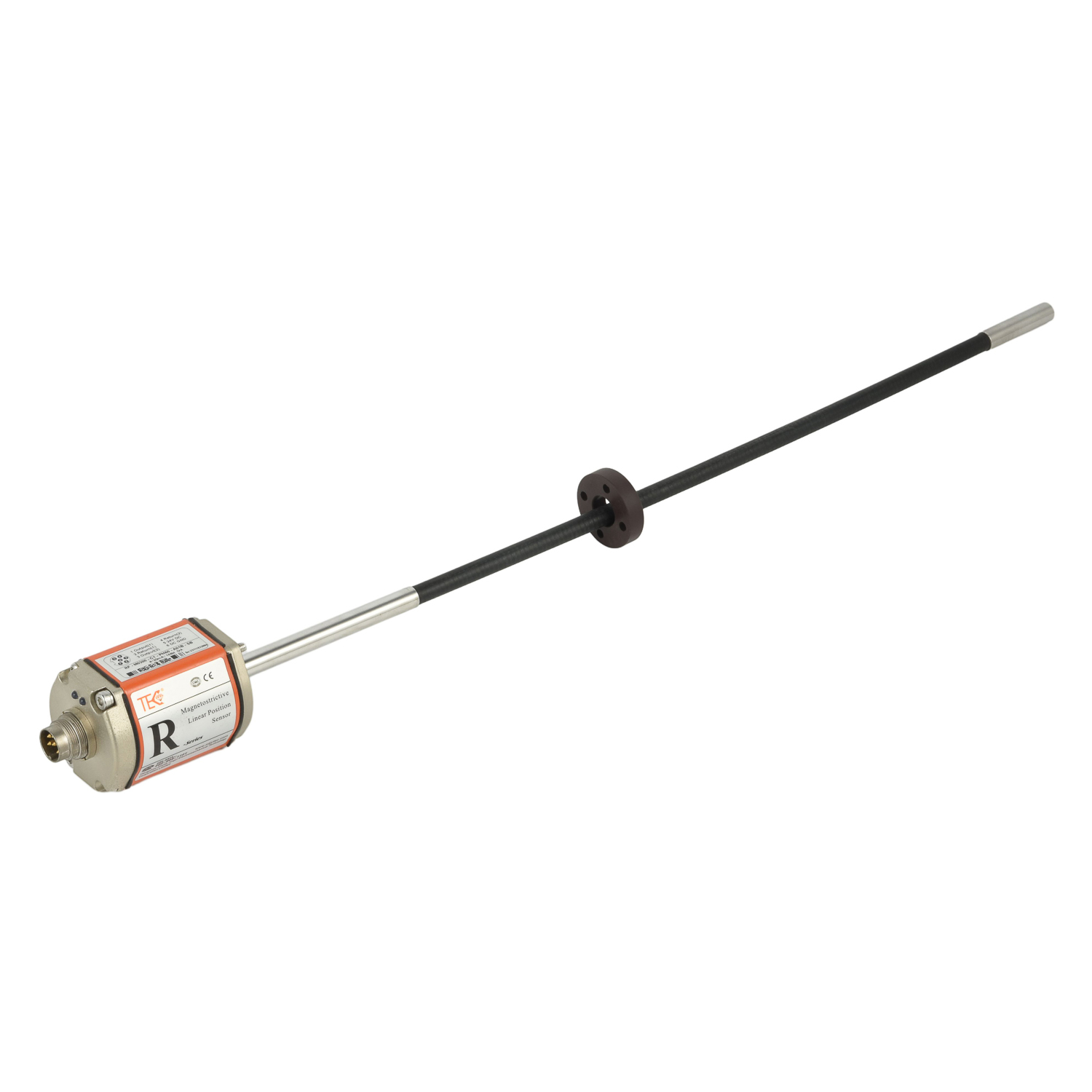
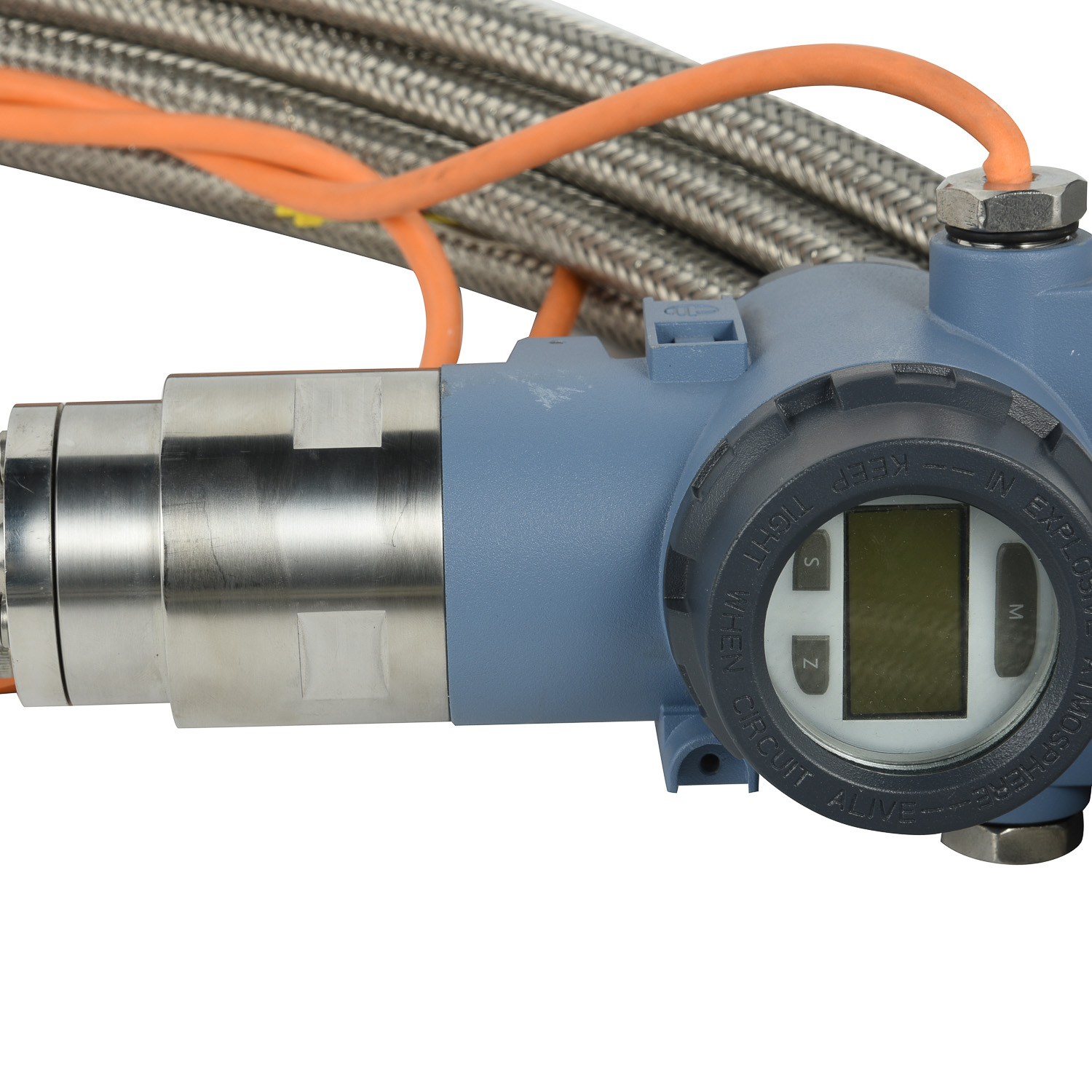
Magnetostrictive displacement sensors are increasingly used in water conservancy because they combine high precision, long-term stability, and rugged reliability. Inside the sensor, a current pulse interacts with a magnetostrictive waveguide to create an ultrasonic strain pulse. The time difference between the interrogation pulse and the returned strain pulse is converted into an exact position value. This non-contact measurement avoids wear, so the sensor keeps accurate performance even after millions of cycles. In reservoirs, dams, locks, and irrigation gates, these sensors monitor gate opening and hydraulic cylinder stroke in real time. They help operators know exact gate positions, prevent overflow, and support precise flow control. In pumping stations, they measure pump stroke and valve movement, improving efficiency and reducing energy waste. Along canals, they provide stable feedback for automatic water distribution, helping balance supply for farms, cities, and ecosystems. Water conservancy environments are harsh: moisture, dust, vibration, temperature changes, and occasional submersion. A well-designed magnetostrictive sensor uses stainless steel or corrosion-resistant housing, sealed connectors, and high ingress protection. It offers high resolution, good linearity, and repeatability, often with analog, SSI, CANbus, or Modbus outputs. These interfaces connect easily to PLCs, RTUs, SCADA systems, and remote monitoring platforms. This makes them vital for flood control and smart water management.
 LVDT Displacement Sensor for M
 LVDT Displacement Sensor for S
 LVDT Displacement Sensor for I
 LVDT Displacement Sensor for C