
Magnetostrictive Displacement Sensor for Sewage Treatment
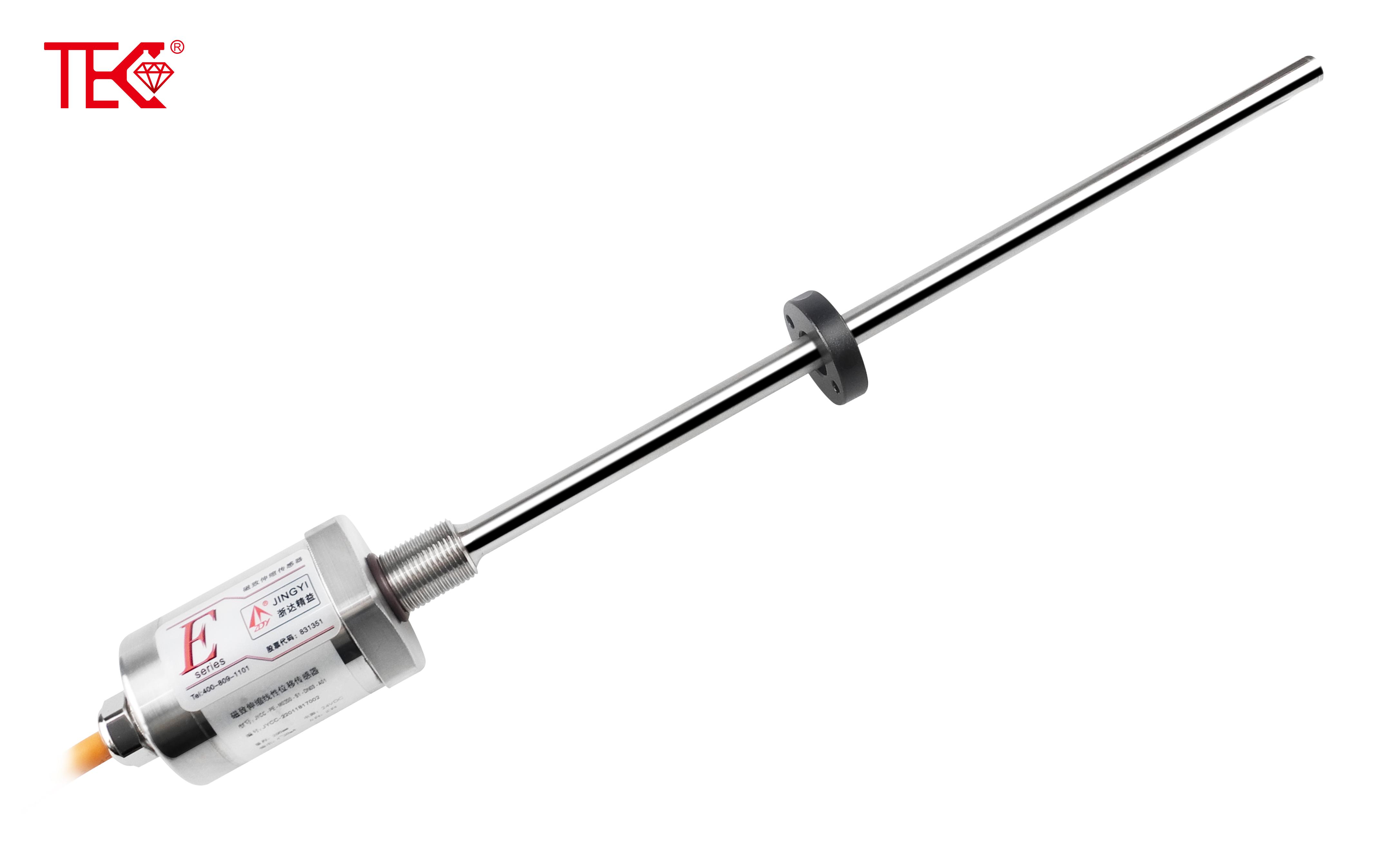
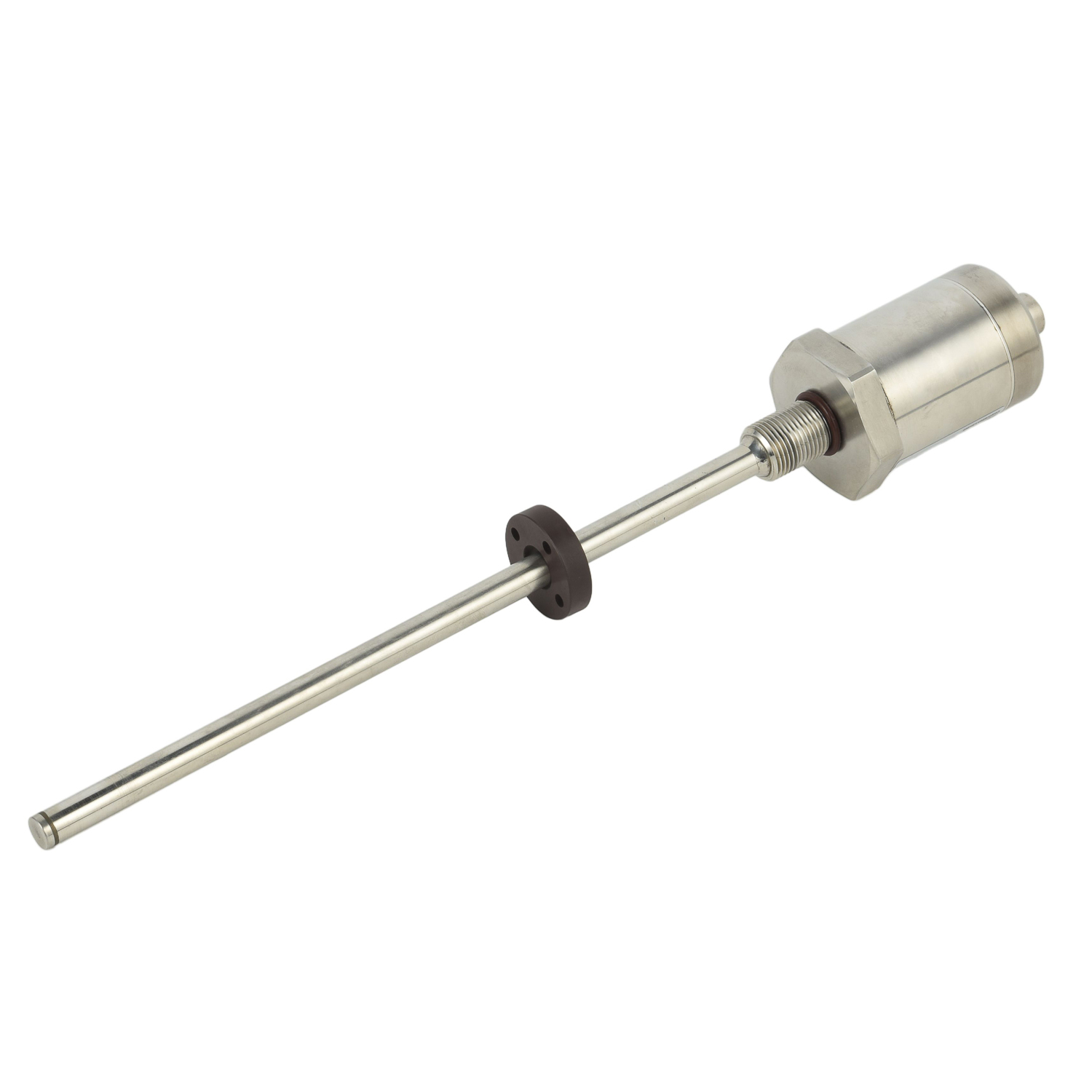
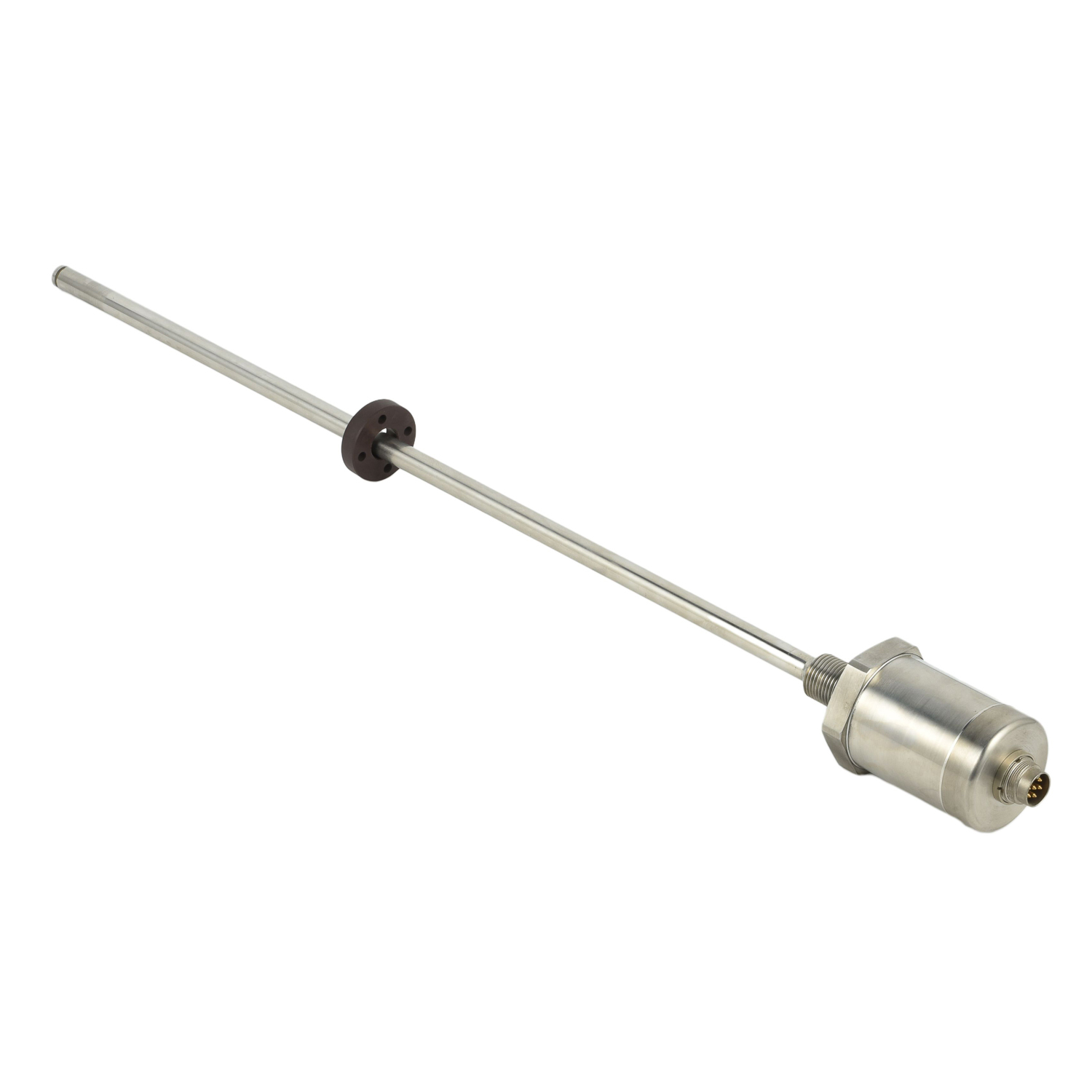
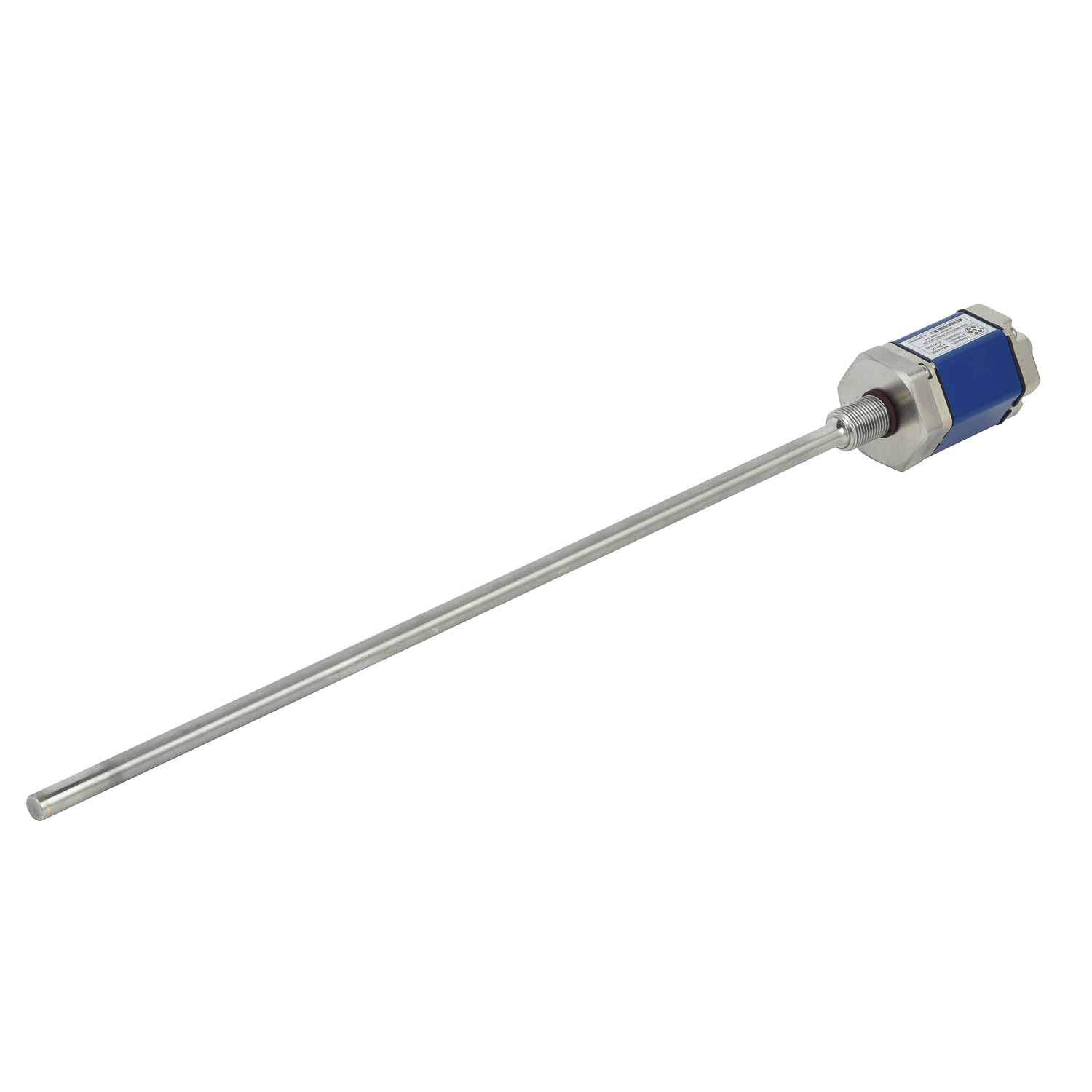
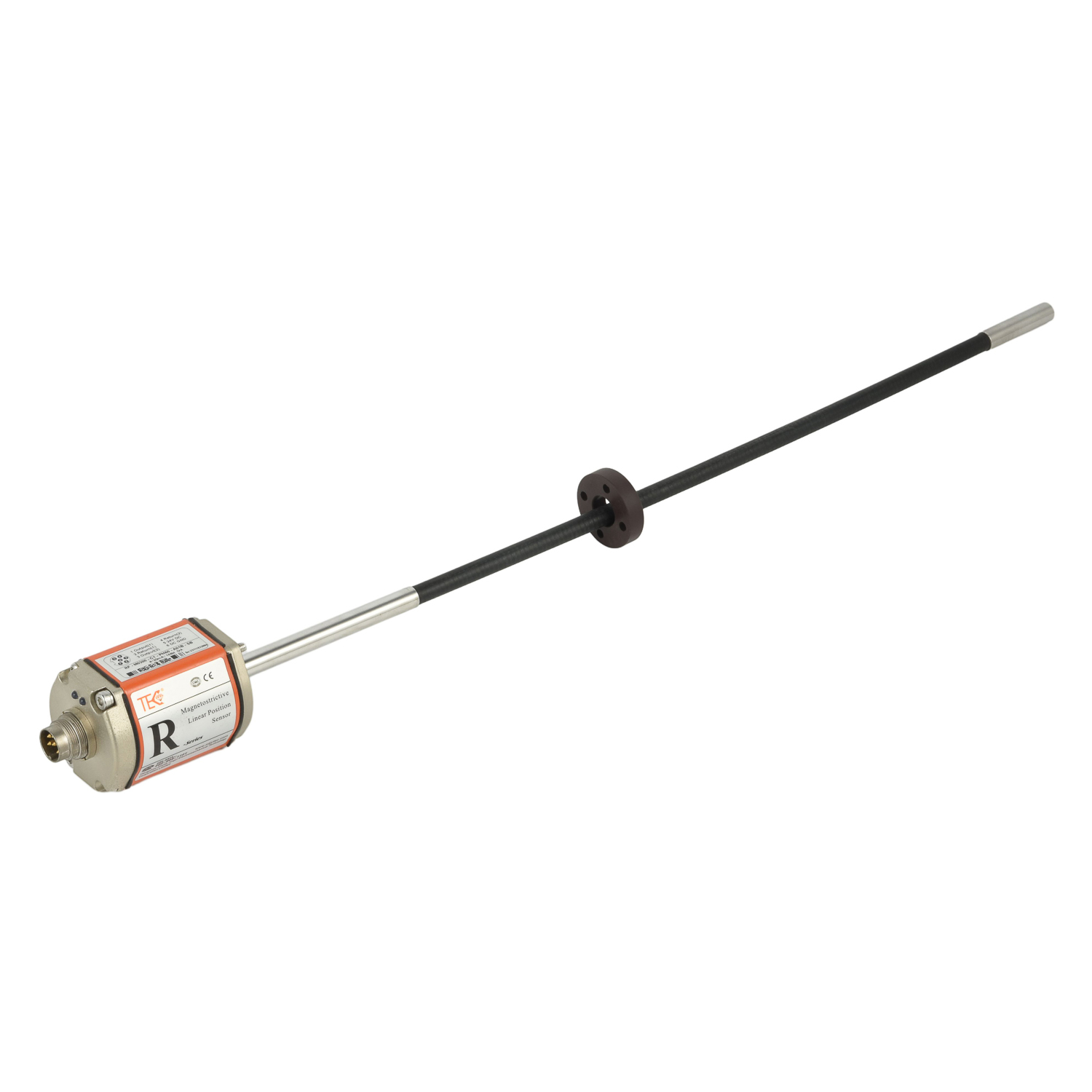
Sewage treatment plants rely on precise motion control to keep water flowing, valves opening, and pumps operating safely. In wet, corrosive, and debris-rich environments, ordinary position sensors often fail. A magnetostrictive displacement sensor offers a rugged solution. It measures linear position by detecting the interaction between a magnetic field and a mechanical strain pulse in a waveguide. Because the sensing element is sealed and non-contact, it resists sludge, humidity, and chemical splash. In sewage treatment, these sensors are used on intake gates, penstocks, sludge scraper arms, and chemical dosing valves. They provide continuous position feedback to PLCs and SCADA systems, helping operators monitor opening percentages and detect jams. High accuracy and repeatability improve flow control, reduce overflow risk, and support energy-efficient pump operation. Unlike potentiometers, magnetostrictive sensors have no sliding wear parts, so they last longer in abrasive wastewater conditions. Installation matters. Choose an IP67 or IP68 housing, stainless steel or coated probe, and shielded cable. Mount the sensor away from heavy vibration and ensure the magnet moves within the rated stroke. Regular inspection of seals and connectors prevents water ingress. With analog, SSI, or fieldbus outputs, the sensor integrates easily into existing treatment automation. For modern wastewater facilities, a magnetostrictive displacement sensor is not just a component; it is a reliability tool.
 LVDT Displacement Sensor for G
 LVDT Displacement Sensor for M
 LVDT Displacement Sensor for S
 LVDT Displacement Sensor for I