
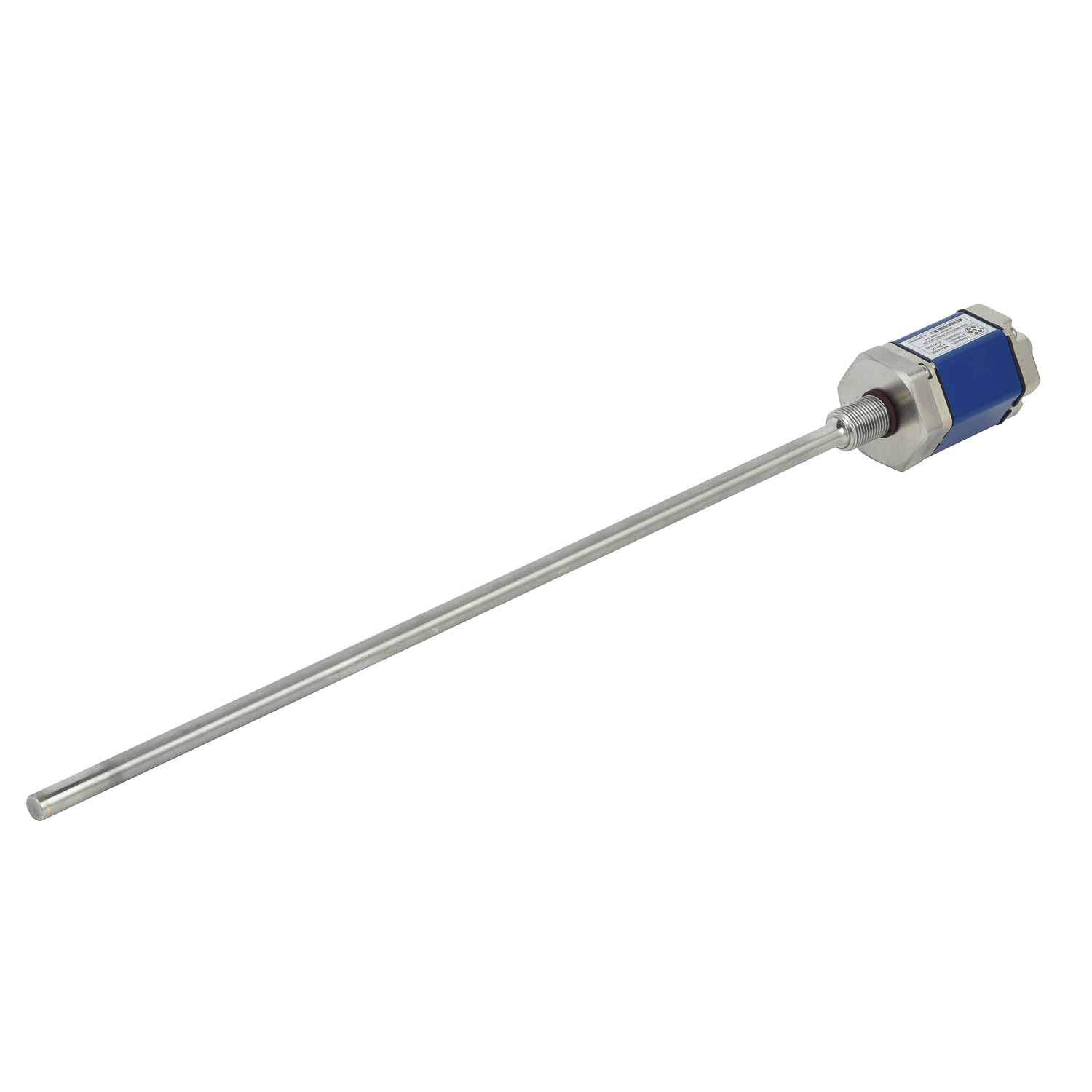
Magnetostrictive Displacement Sensor for Chemical Industry
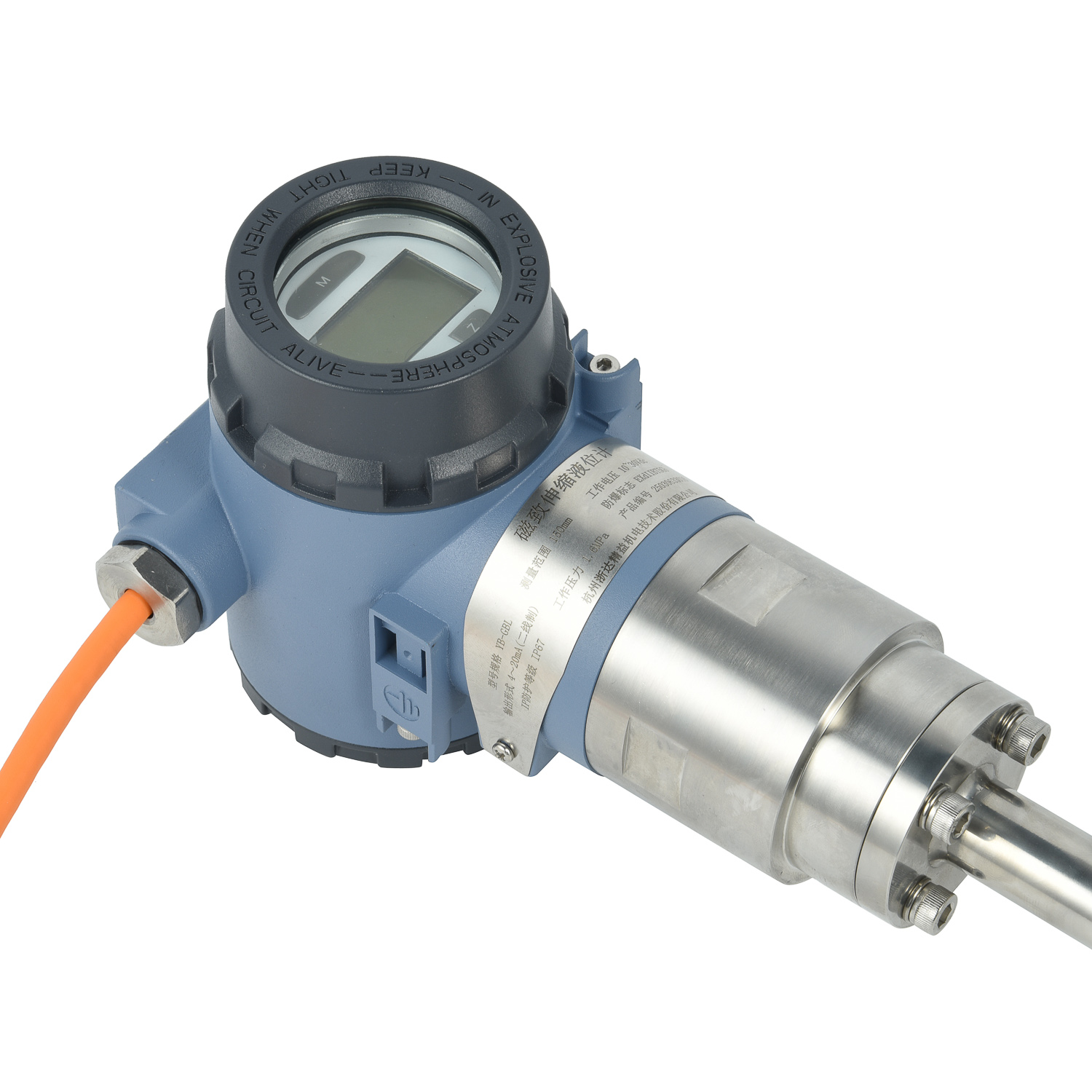
Magnetostrictive displacement sensors are widely used in the chemical industry because they combine high accuracy, absolute position feedback, and rugged construction. In chemical plants, measurement points often involve corrosive liquids, high pressure, temperature, vapors, and explosive atmospheres. A magnetostrictive sensor can provide stable position and level data where devices may drift or fail.
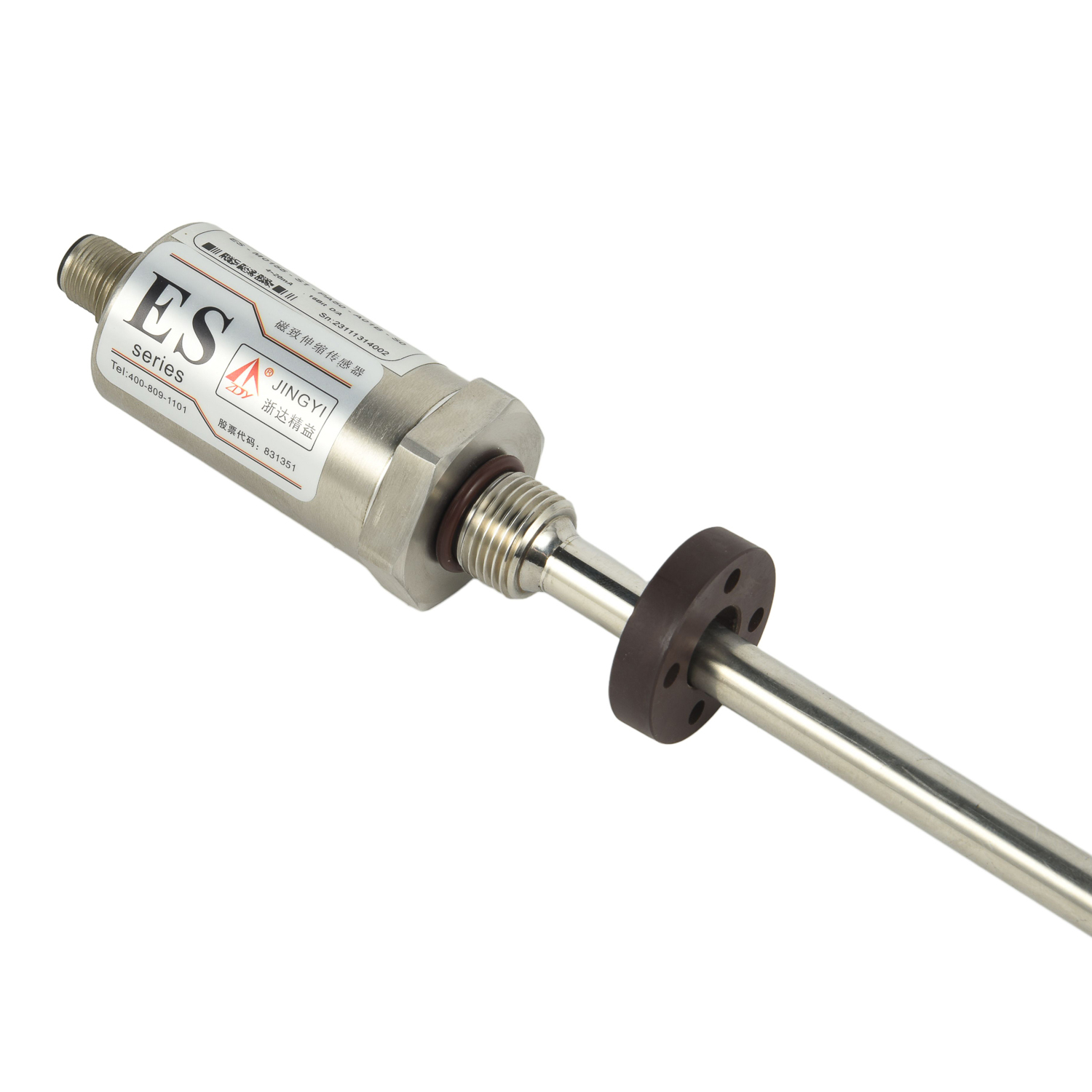
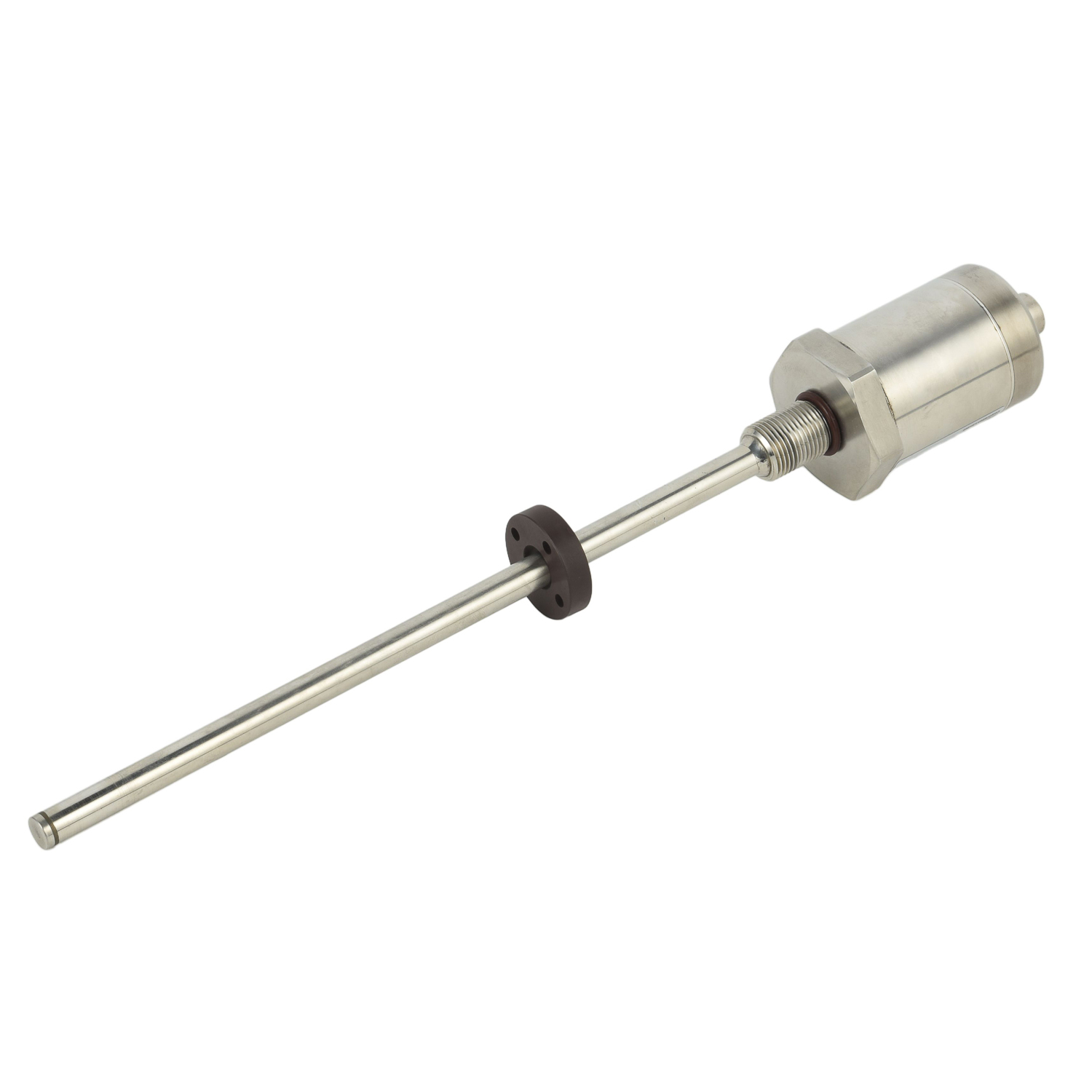
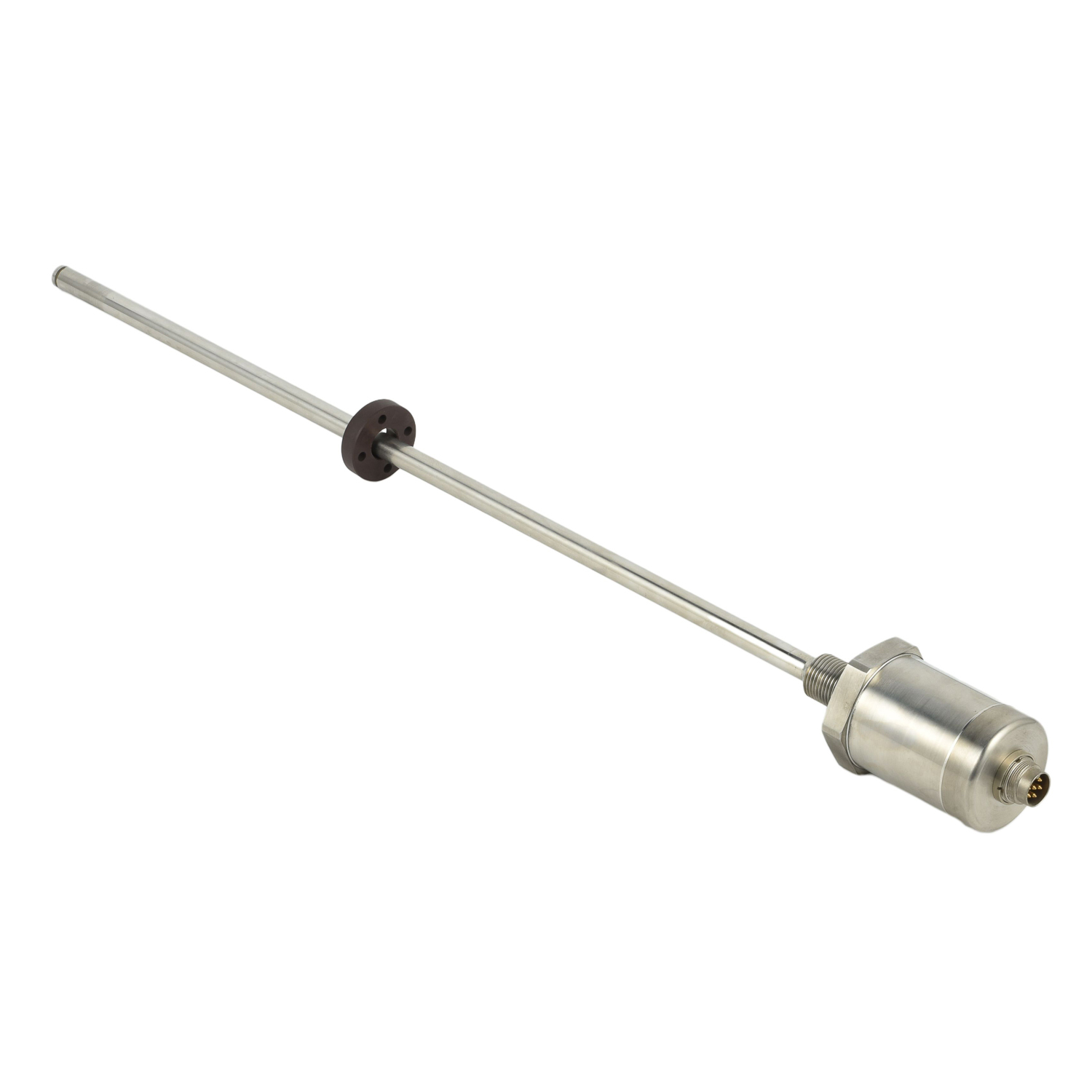
The sensing principle is simple and robust. A current pulse travels along a magnetostrictive waveguide, interacts with a position magnet, and generates a mechanical strain pulse. The time difference is converted into an absolute position value. Because the magnet does not touch the waveguide, wear is minimal, and no periodic recalibration is required.
For chemical applications, material selection is critical. Wetted parts are made from 316L stainless steel, PTFE, PVDF, or Hastelloy. The housing must resist acids, alkalis, solvents, and washdown chemicals. IP67 or IP68 sealing protects against moisture and cleaning fluids. Explosion-proof models with ATEX/IECEx approval are essential for flammable solvents and gases.
Uses include tank level measurement, valve position monitoring, pump stroke control, dosing systems, and agitator positioning. Outputs such as 4-20 mA, HART, Profibus, or Modbus connect to DCS and PLC systems. With linearity up to +/-0.05% and repeatability in microns, these sensors improve process safety, reduce downtime, and support automated chemical production.
 LVDT Displacement Sensor for H
 LVDT Displacement Sensor for G
 LVDT Displacement Sensor for M
 LVDT Displacement Sensor for S