
LVDT Displacement Sensor for Mixing Station
LVDT displacement sensors are vital in modern mixing stations, where accurate position feedback supports consistent batching and safe operation. A linear variable differential transformer converts mechanical displacement into a precise electrical signal. In a concrete batching plant, these sensors monitor aggregate gate opening, weighing hopper movement, and mixer door position. Reliable feedback helps the PLC control material flow, reduce overfilling, and shorten cycle times.
Mixing stations operate with dust, vibration, moisture, and temperature changes. Choose an LVDT with a sealed stainless-steel housing, IP67 protection, shielded cable, and a stable 4-20mA or 0-10V output. Mount the sensor with a guided core and flexible coupling to avoid side loads. Keep the stroke range slightly larger than the required travel, and set the zero point during commissioning. Regular calibration and cable inspection improve accuracy and service life. A well-selected LVDT displacement sensor for mixing station control delivers repeatable measurement, lower maintenance costs, and better batch quality.
During installation, align the LVDT body with the moving part to prevent radial force. Use shielded twisted-pair wiring, separate power cables from signal cables, and connect the shield at the control cabinet. Check the output at the PLC after setting the mechanical zero and full-scale positions. In mixing stations, protect the sensor with a cover. If the signal drifts, inspect the cable and connector. This practice reduces downtime and supports predictive maintenance.
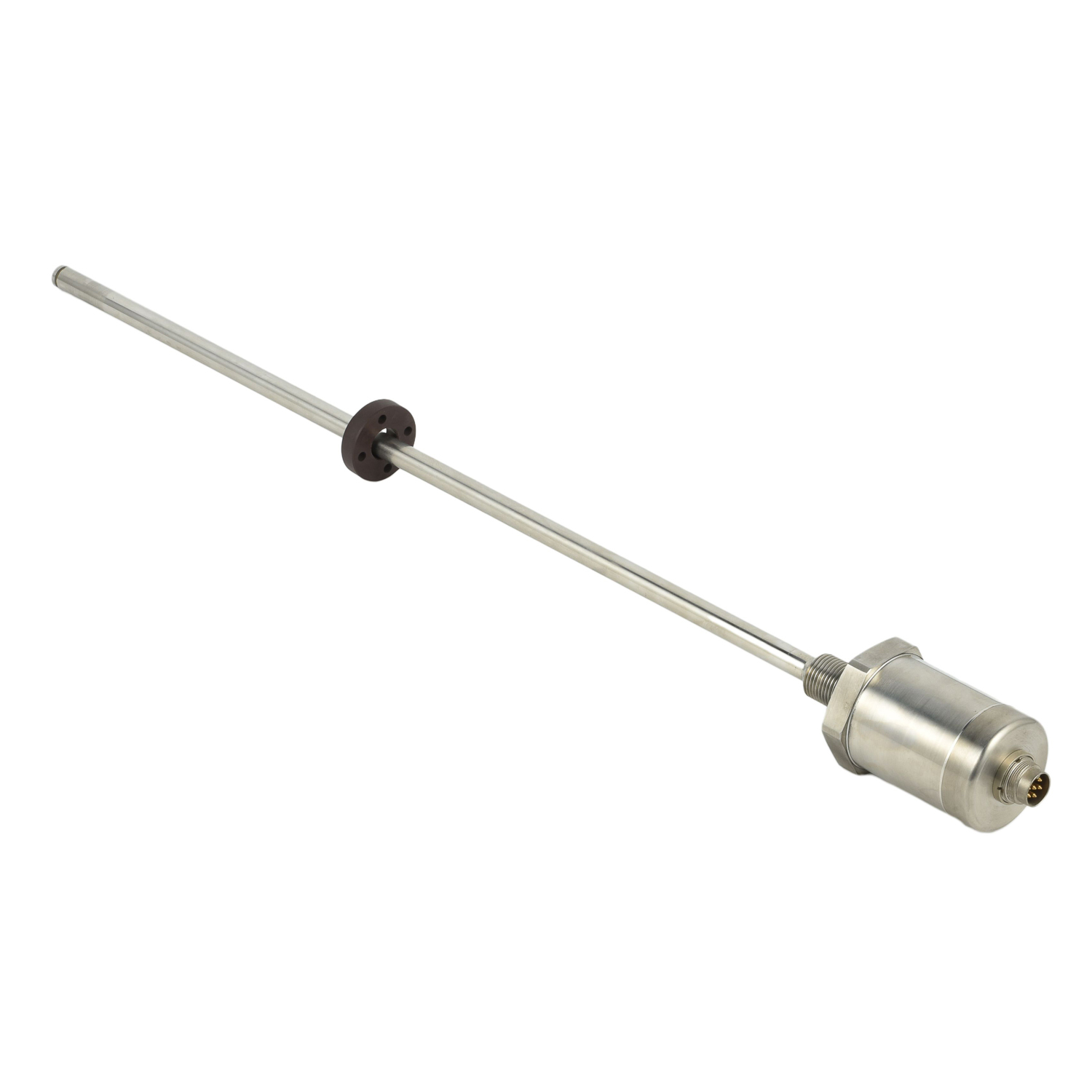 LVDT Displacement Sensor for M
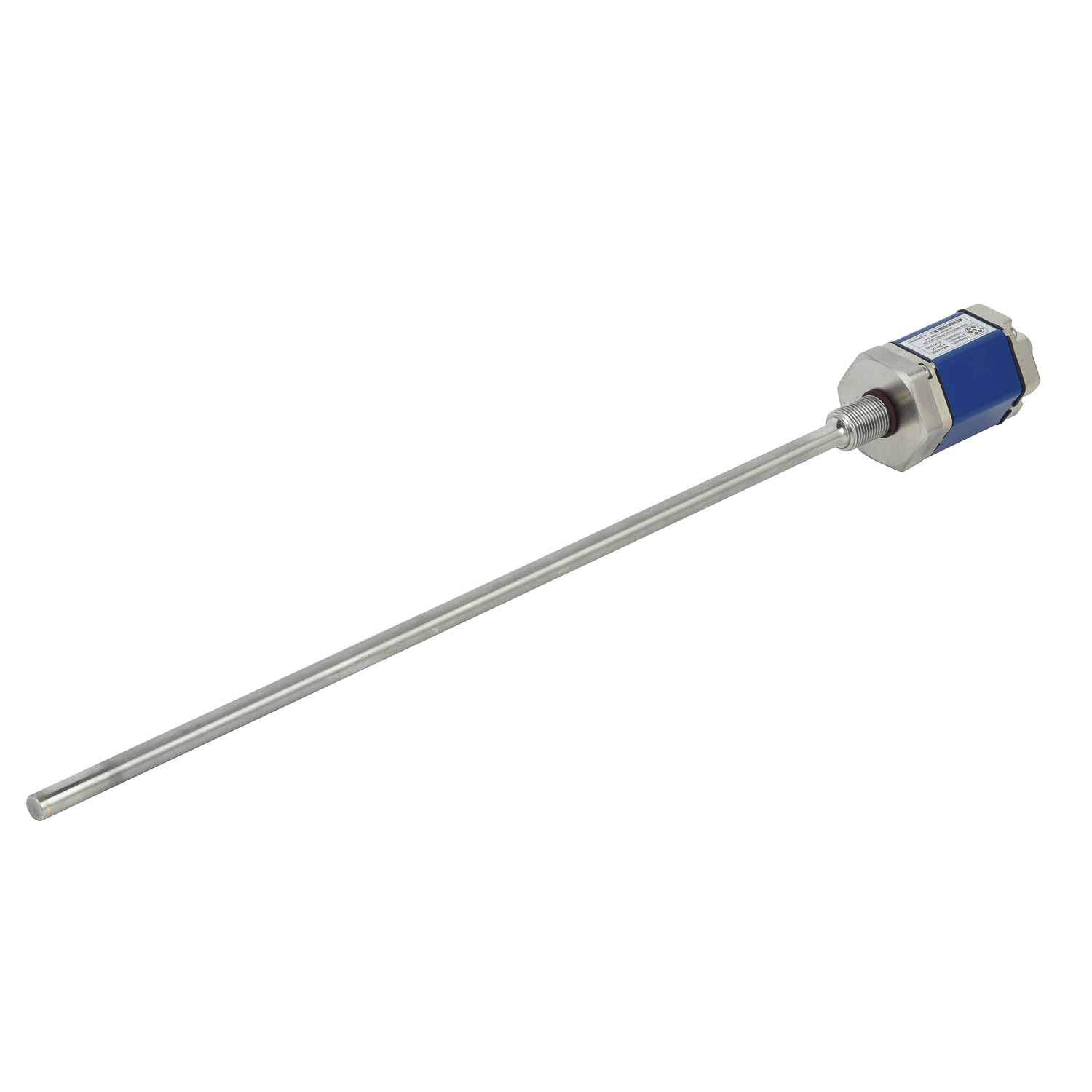 LVDT Displacement Sensor for S
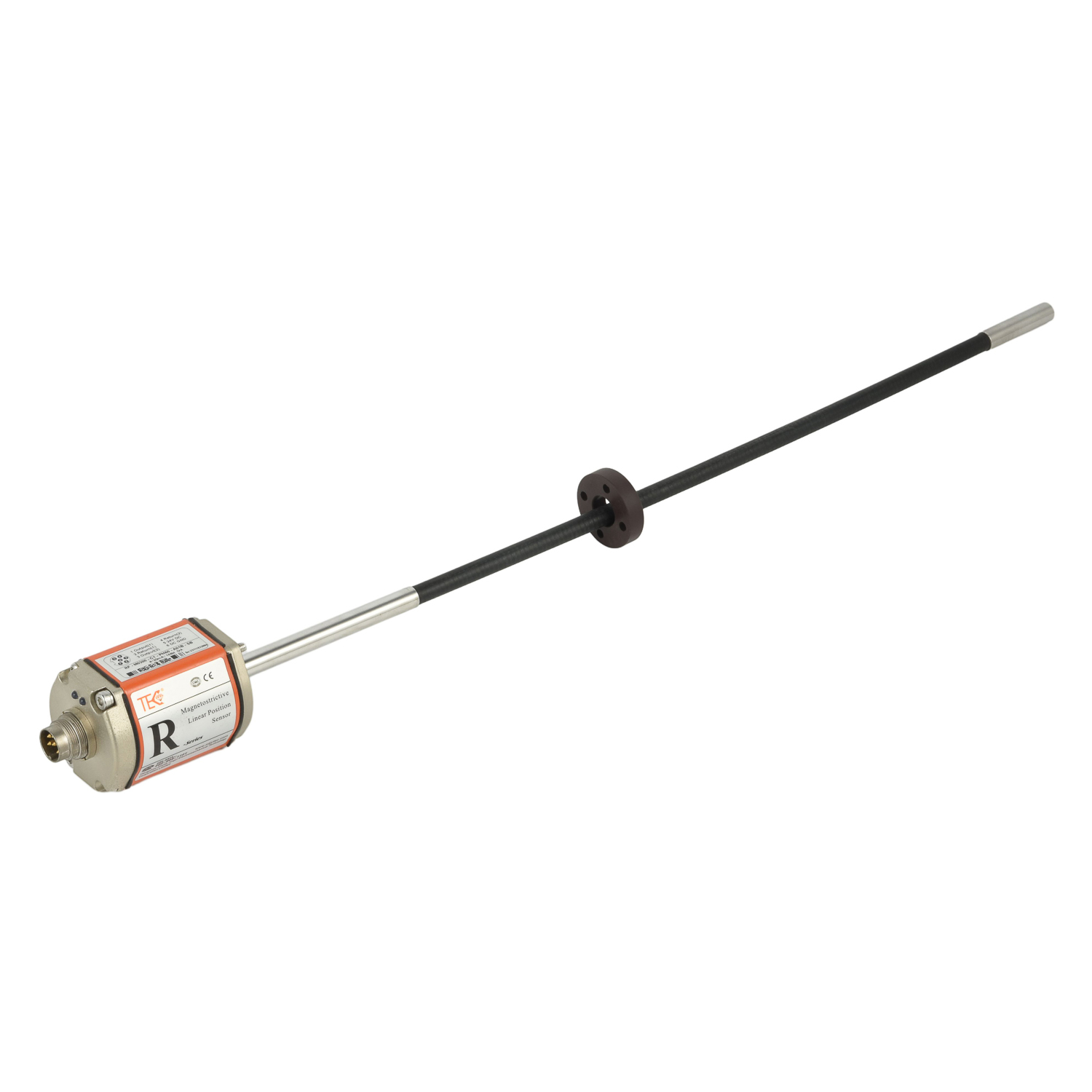 LVDT Displacement Sensor for I
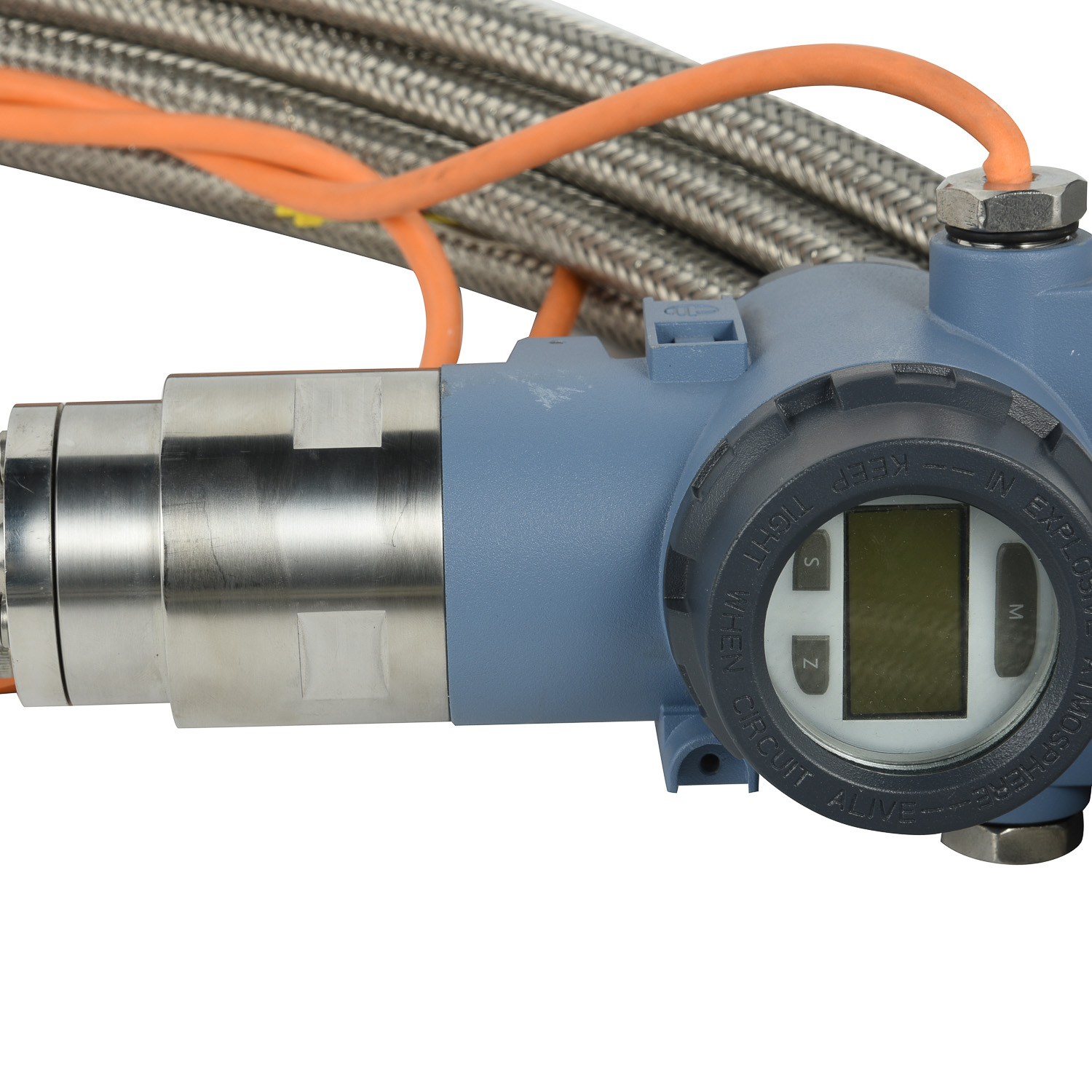 LVDT Displacement Sensor for C