
LVDT Displacement Sensor for Injection Molding and Die Casting
LVDT displacement sensors provide reliable position feedback in injection molding and die casting, where heat, vibration, and hydraulic pressure demand robust measurement. Unlike potentiometers or optical encoders, an LVDT uses non-contact magnetic coupling, so it offers long life, high repeatability, and resistance to contamination. In injection molding, LVDTs monitor clamp position, ejector movement, and screw stroke, helping machines control mold protection, shot size, and cycle consistency. In die casting, they measure shot cylinder, plunger, and die height positions, supporting stable filling, safe mold closing, and precise process regulation. AC-operated LVDTs with sealed stainless-steel housings and high-temperature cables suit these environments. Spring-loaded probes simplify mounting on moving parts, while guided cores improve accuracy. For best results, select a sensor with suitable stroke, linearity, and IP rating, isolate it from excessive heat, and route cables away from high-current drives. Regular calibration supports long-term performance. With fast response and durable construction, LVDT sensors help improve quality, reduce scrap, and increase uptime in demanding molding and casting operations. These sensors are often used for proportional valve spool position, clamp force feedback, and automatic die-height adjustment. Their analog output integrates easily with PLCs and motion controllers for closed-loop control and early fault detection. Thermal isolation protects high-temperature zones without compromising accuracy. Correct mounting, shielding, and grounding reduce electrical noise, while periodic calibration ensures stable readings over many production cycles.
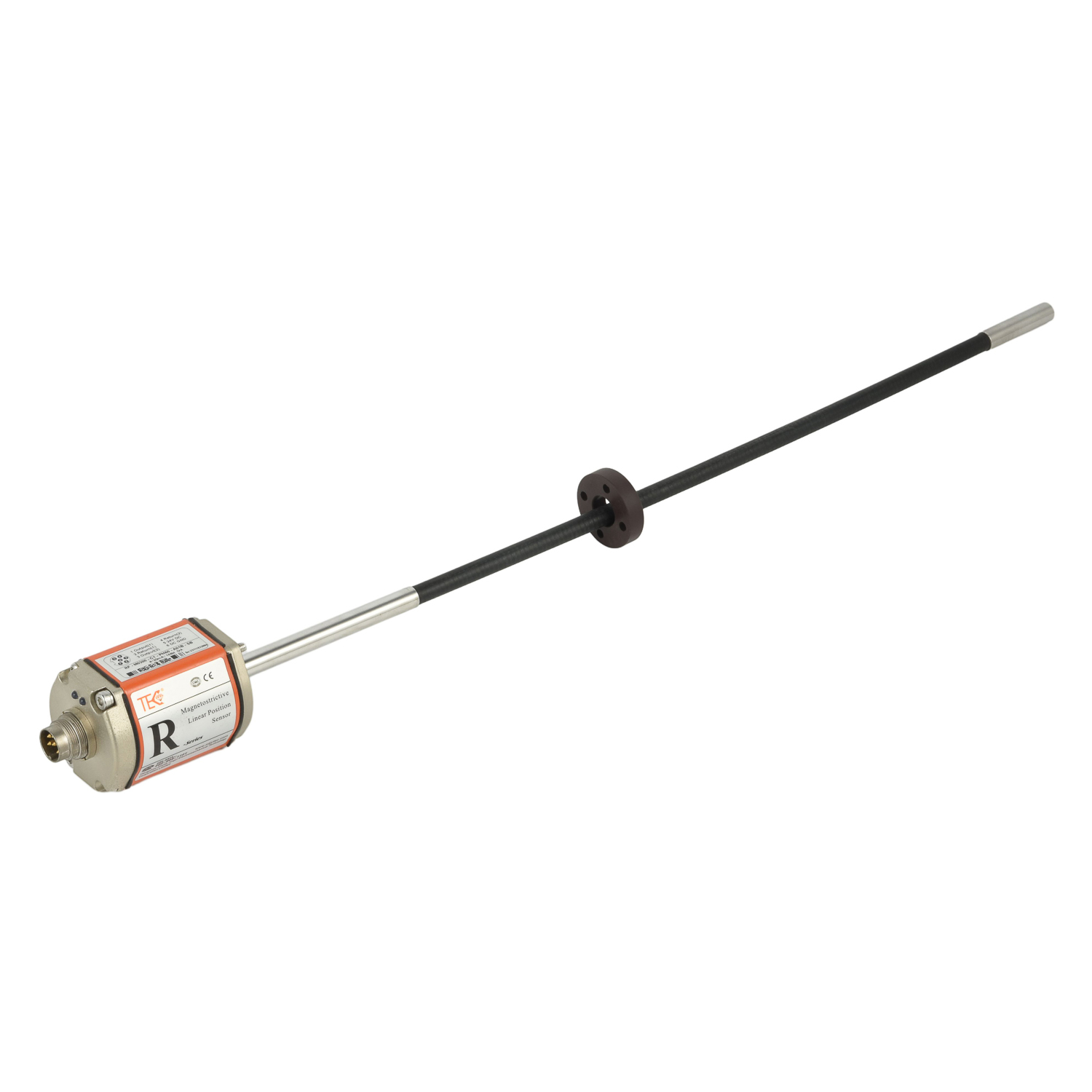 LVDT Displacement Sensor for I
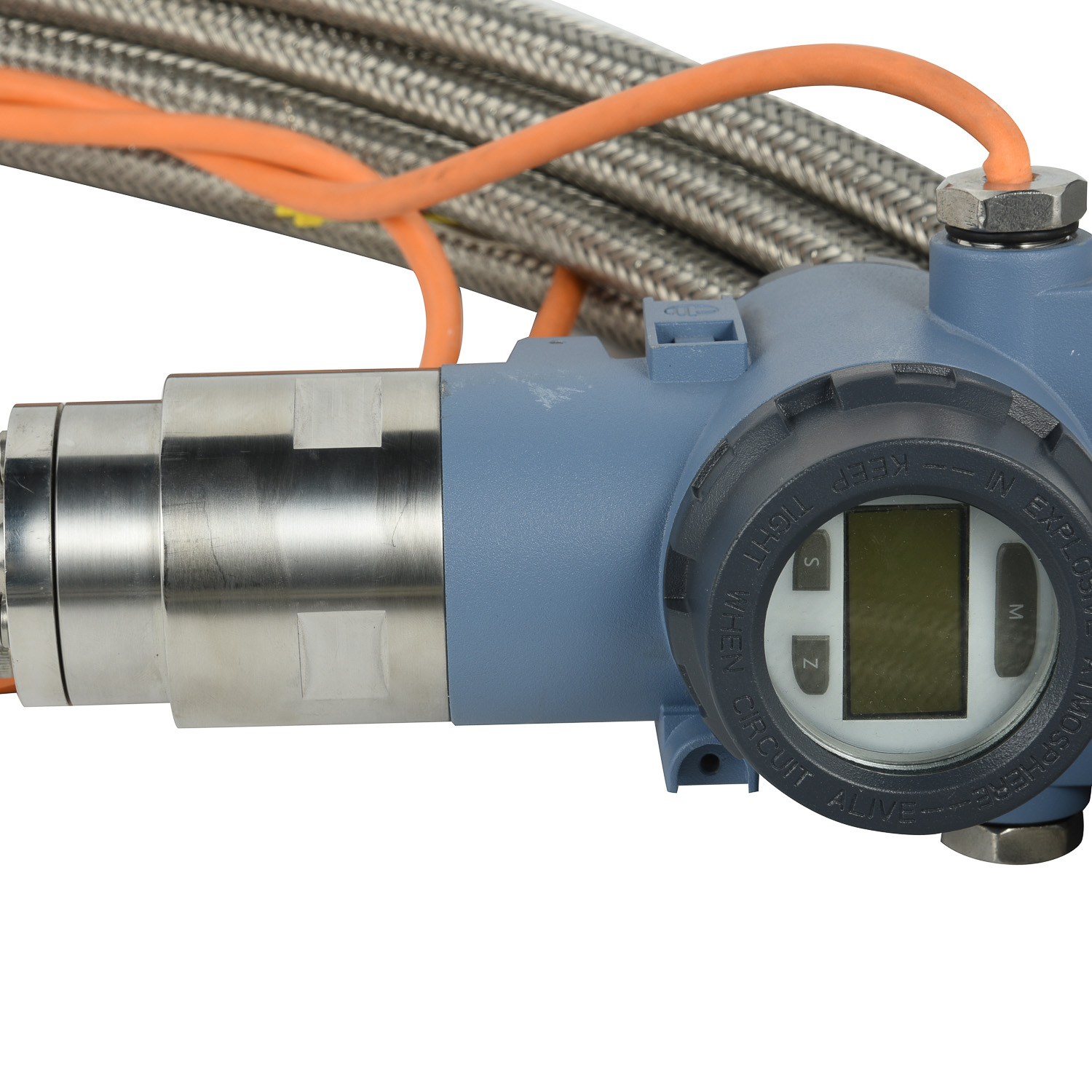 LVDT Displacement Sensor for C
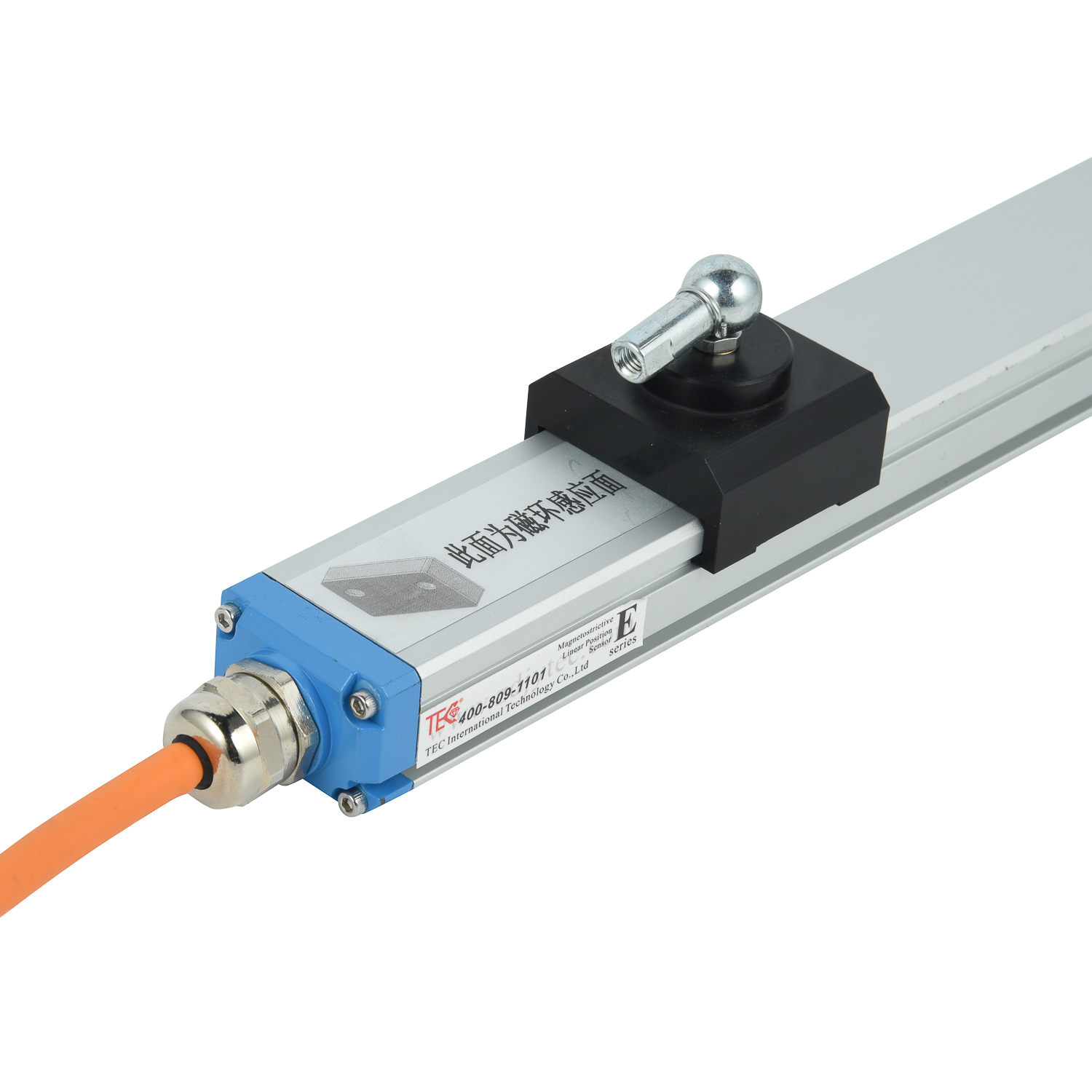 LVDT Displacement Sensor for P
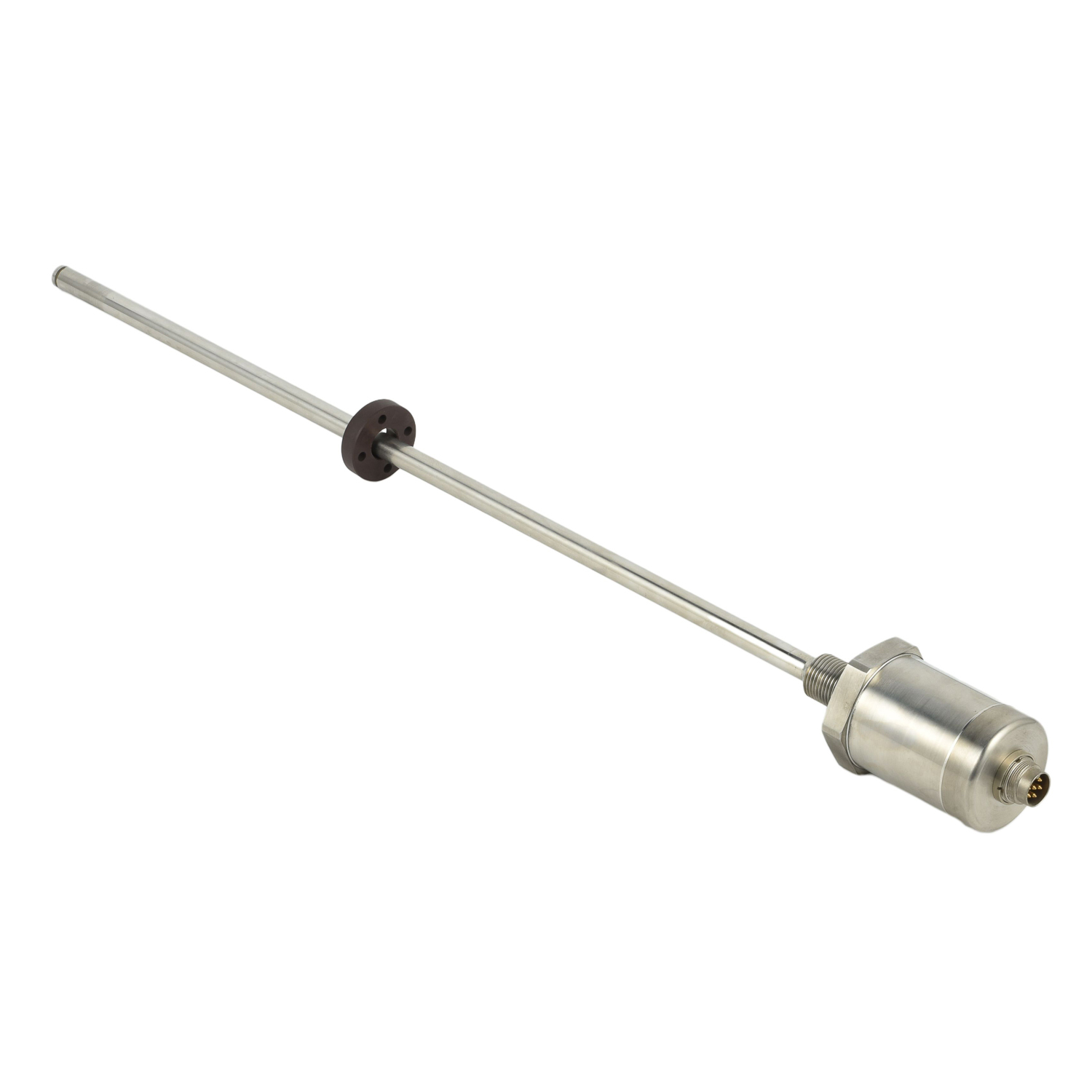 LVDT Displacement Sensor for P