
LVDT Displacement Sensor for Port
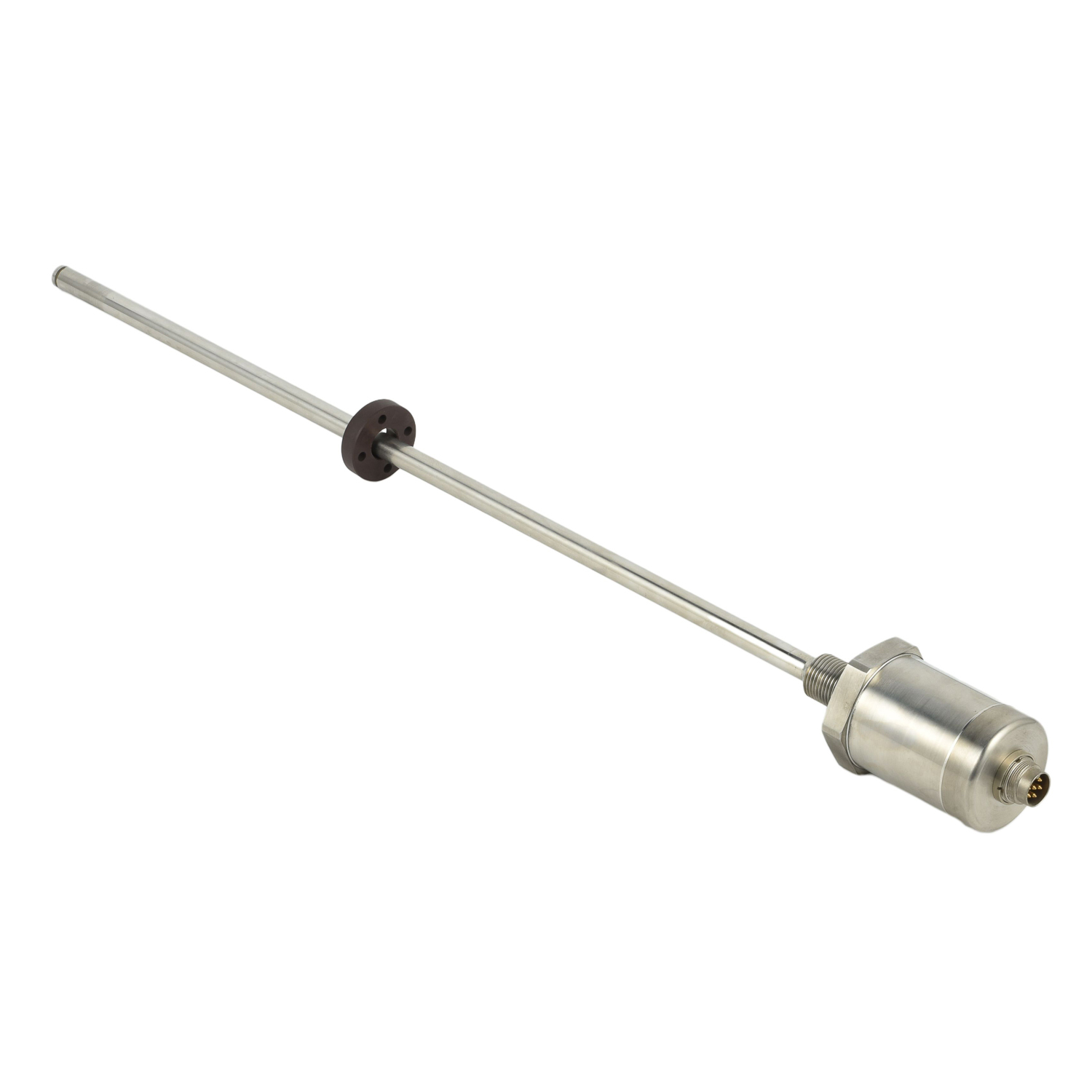
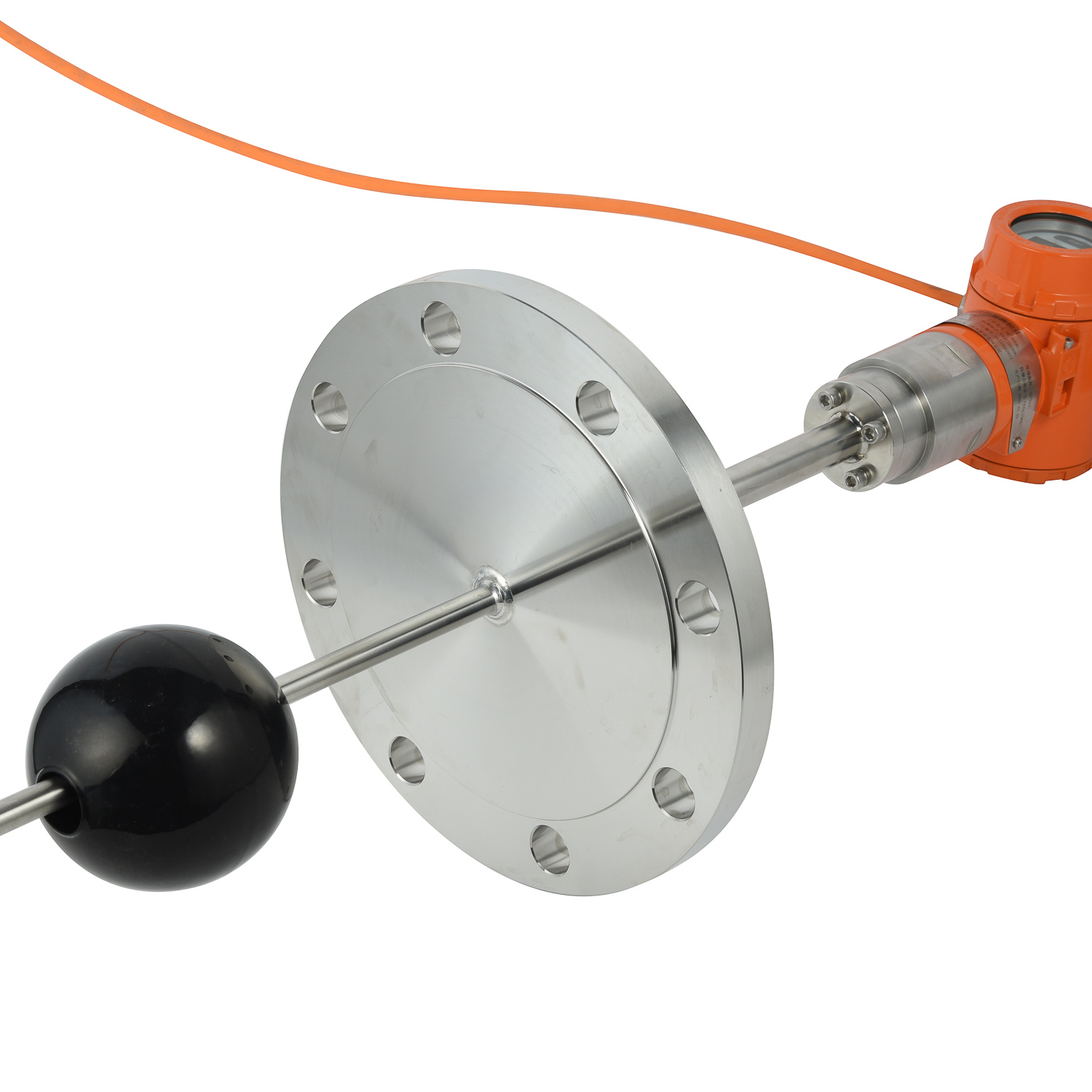
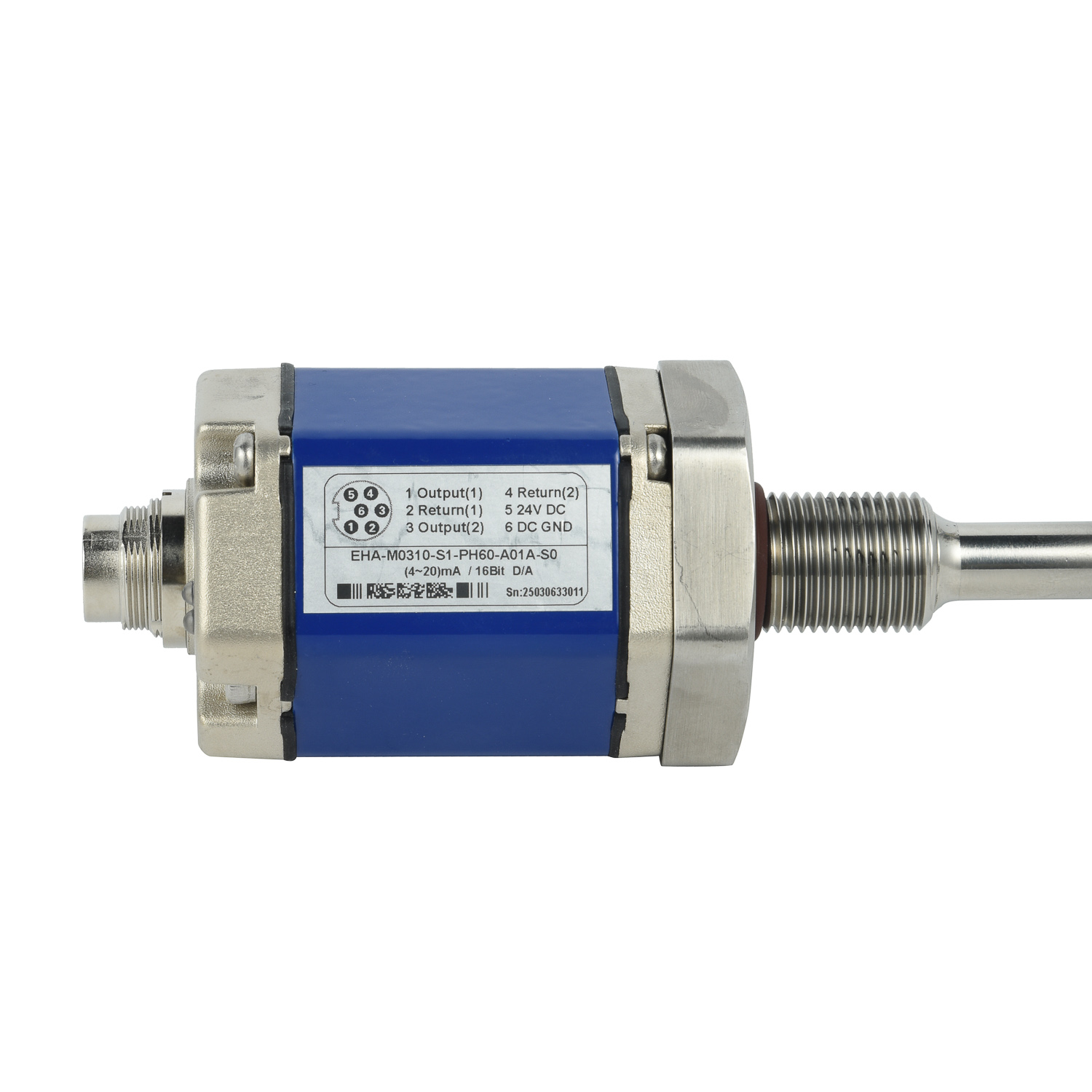
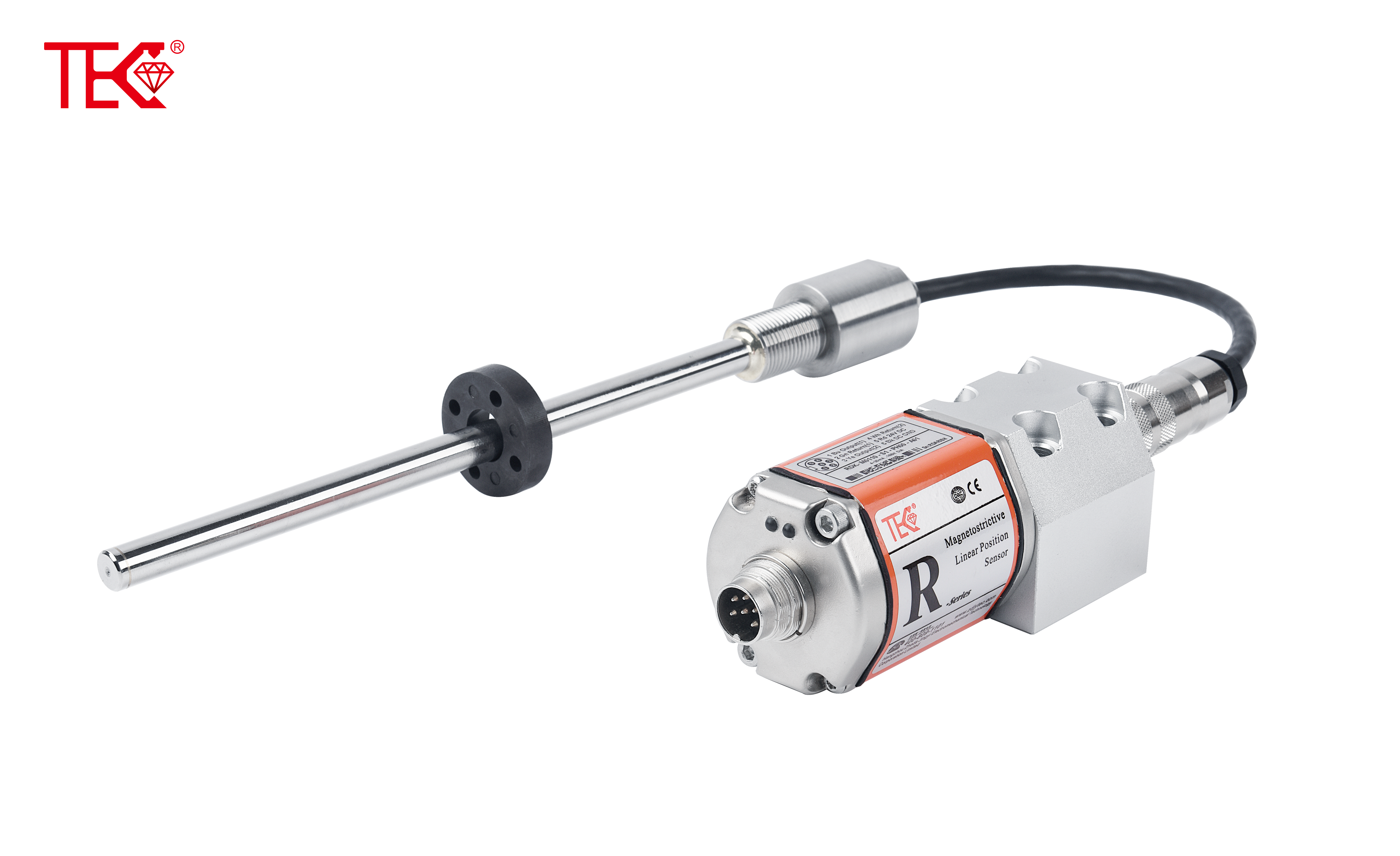
Ports operate in tough conditions: salt spray, vibration, dust, temperature swings, and continuous heavy loads. LVDT displacement sensors are well suited to these environments because they offer frictionless measurement, high repeatability, and strong resistance to contamination. In port equipment, they support precise position feedback for ship-to-shore cranes, RTGs, spreaders, rail systems, and mooring devices. By monitoring linear movement in real time, an LVDT helps control braking, alignment, lifting height, and safe load handling. Rugged housings, stainless-steel construction, IP-rated sealing, and EMI shielding make sensors reliable near motors and drives. Compared with contact-based devices, LVDTs reduce wear and maintenance, improving uptime in 24/7 operations. Accurate displacement data also supports automation, anti-sway control, collision prevention, and predictive maintenance. For port operators, choosing the right LVDT means matching stroke, accuracy, output signal, and environmental protection to each application. Proper installation and regular inspection further ensure stable performance. Select models with suitable measuring ranges, linearity, and output options such as 4-20 mA, 0-10 V, or digital interfaces. In dusty or wet zones, sealed connectors and robust cable protection are essential. Regular calibration checks help maintain accuracy over years of service. With durable sensing, ports can increase safety, reduce downtime, and keep container flows moving efficiently. When integrated correctly, LVDT sensors deliver stable feedback for safer, smarter port operations.
 LVDT Displacement Sensor for P
 LVDT Displacement Sensor for W
 LVDT Displacement Sensor for S
 LVDT Displacement Sensor for C