
LVDT Displacement Sensor for Water Conservancy
Water conservancy structures such as dams, sluice gates, canals, pumping stations, and levees rely on continuous displacement monitoring to maintain safety, operational efficiency, and flood control readiness. LVDT displacement sensors are an excellent choice for these demanding sites. An LVDT converts linear movement into a precise electrical signal without contact between the core and coils, delivering high accuracy, strong repeatability, low hysteresis, and a long service life. In water conservancy projects, LVDTs are commonly used to measure gate opening, structural joint movement, settlement, foundation deformation, penstock vibration, and hydraulic cylinder position. Sealed stainless-steel housings, rugged cables, and high IP ratings help the sensors resist moisture, dust, corrosion, and temperature changes in outdoor or submerged installations. Stable analog or digital outputs make integration with SCADA, PLC, and remote monitoring platforms straightforward. Operators can use real-time displacement data to set alarm thresholds, detect abnormal trends, schedule predictive maintenance, and improve emergency response. When selecting an LVDT, engineers should consider stroke length, accuracy class, IP protection, cable routing, grounding, temperature range, and signal output. By combining proven LVDT technology with modern monitoring systems, water conservancy managers can reduce inspection costs, protect critical infrastructure, and support safer water resource management.
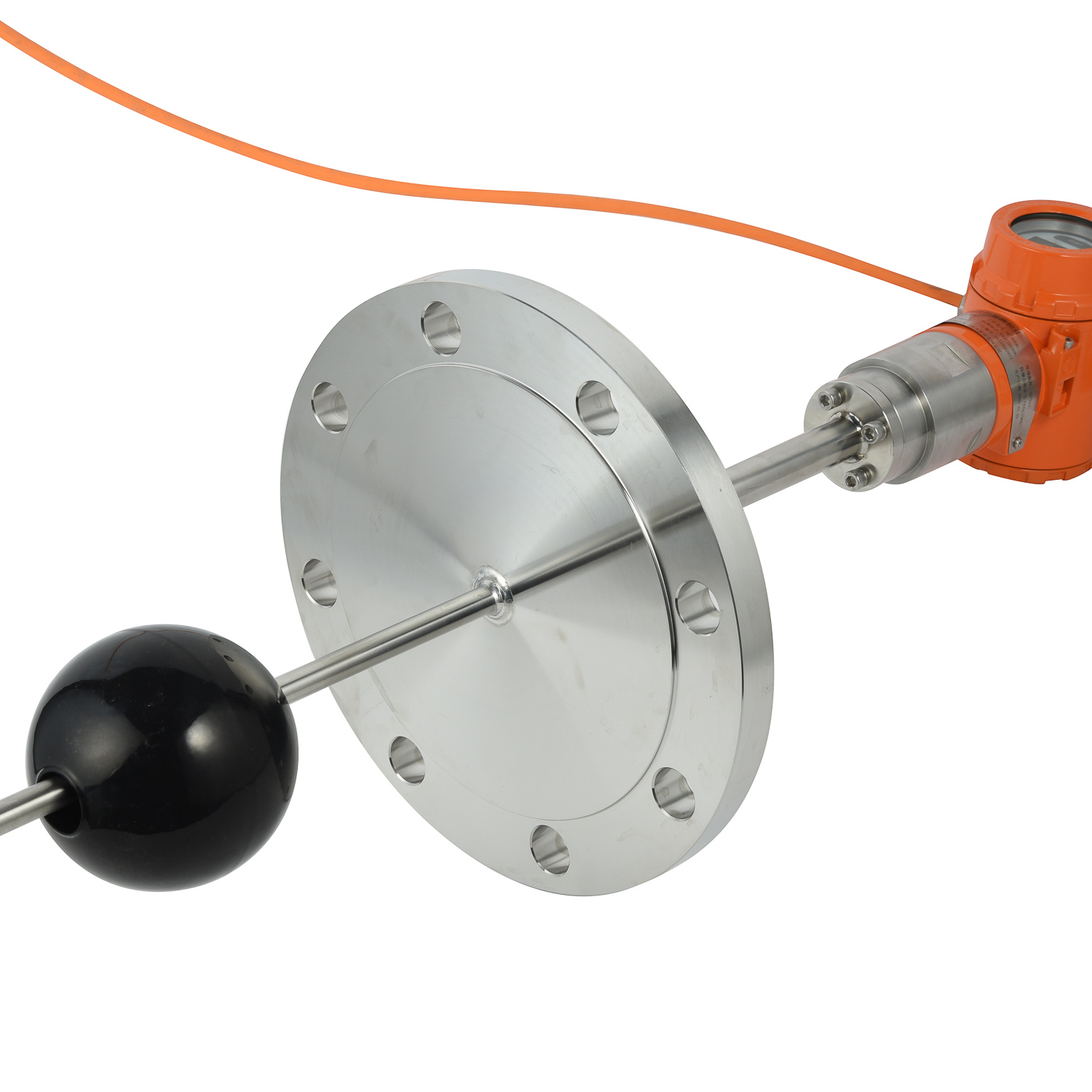 LVDT Displacement Sensor for W
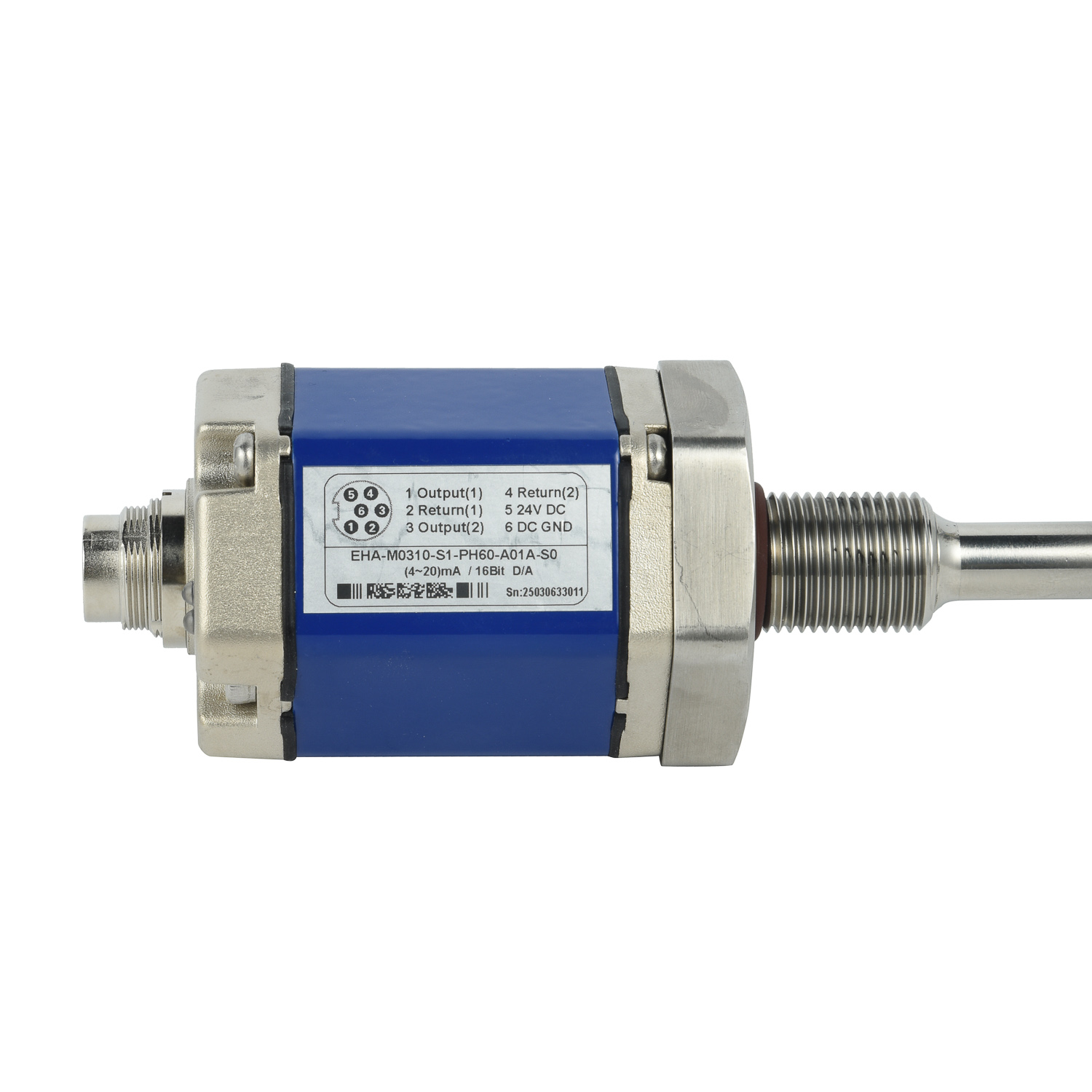 LVDT Displacement Sensor for S
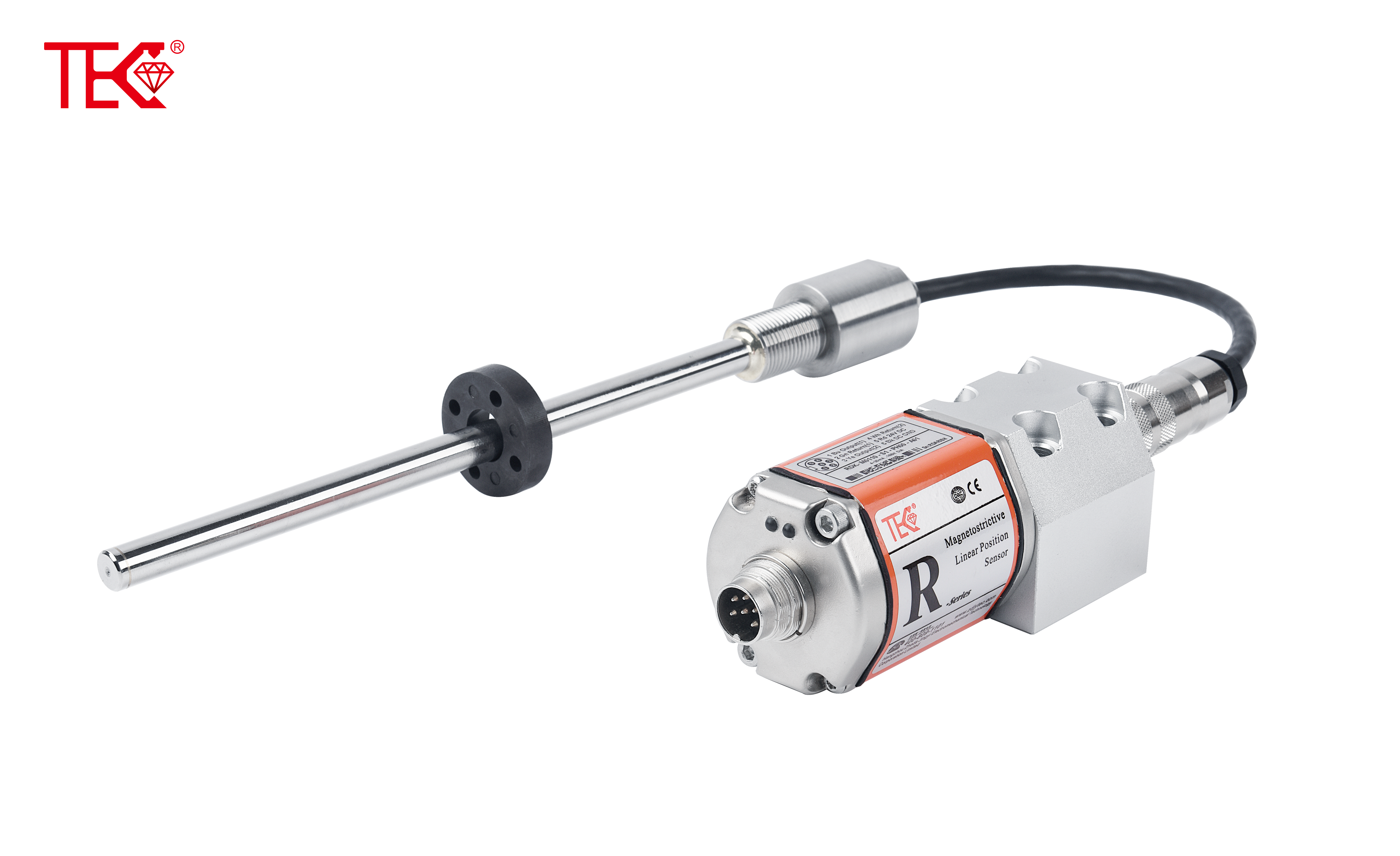 LVDT Displacement Sensor for C
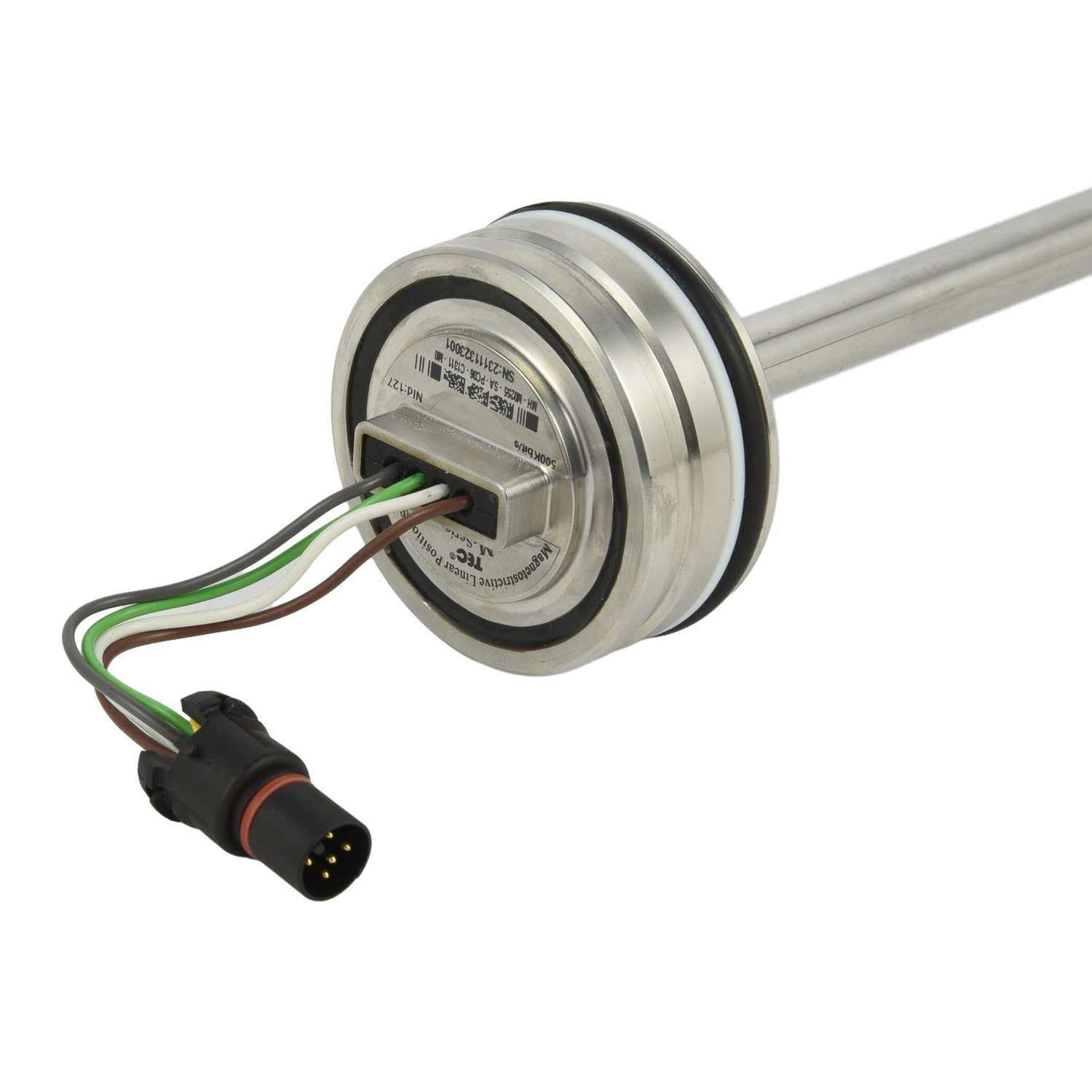 LVDT Displacement Sensor for C