
Magnetostrictive Displacement Sensor for Port
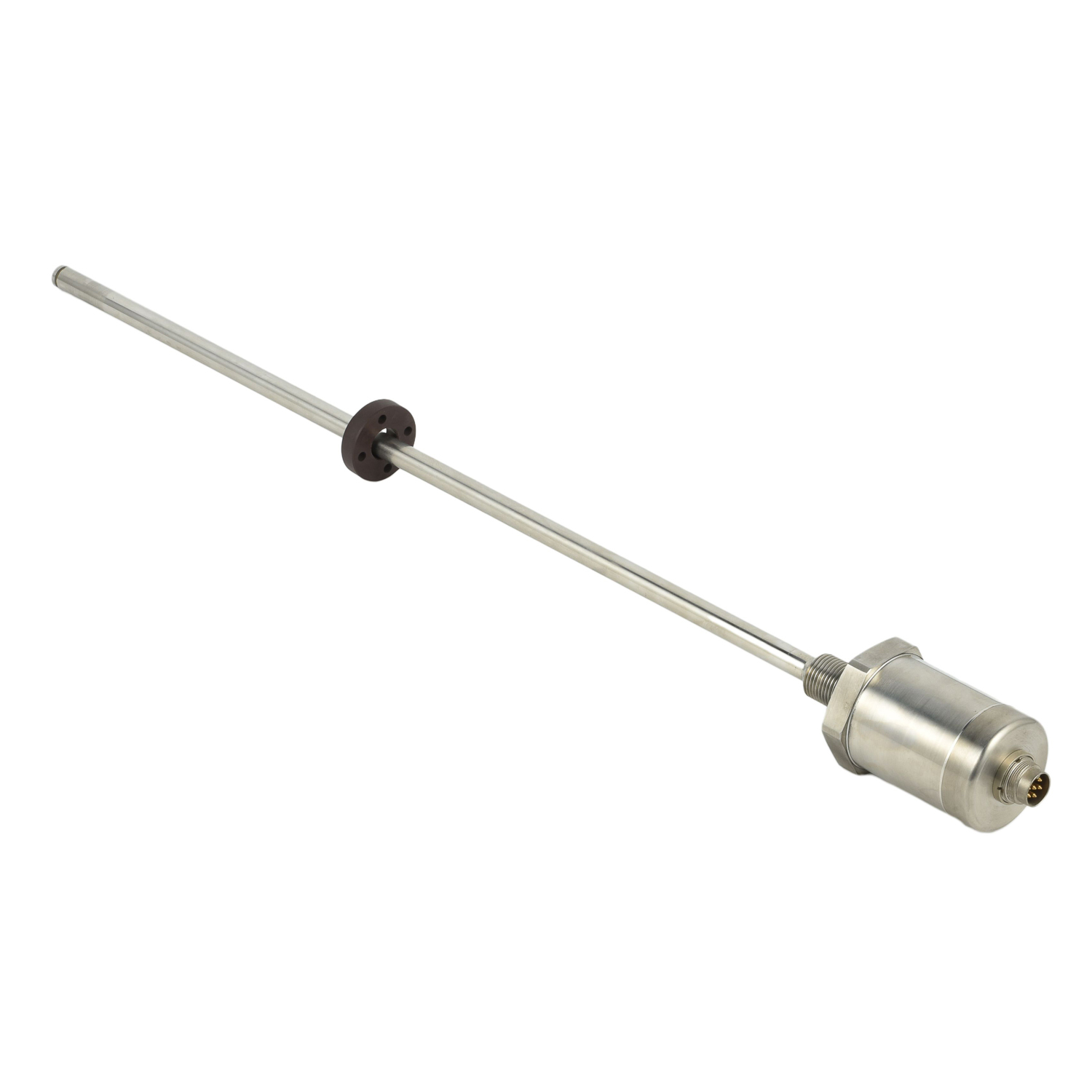
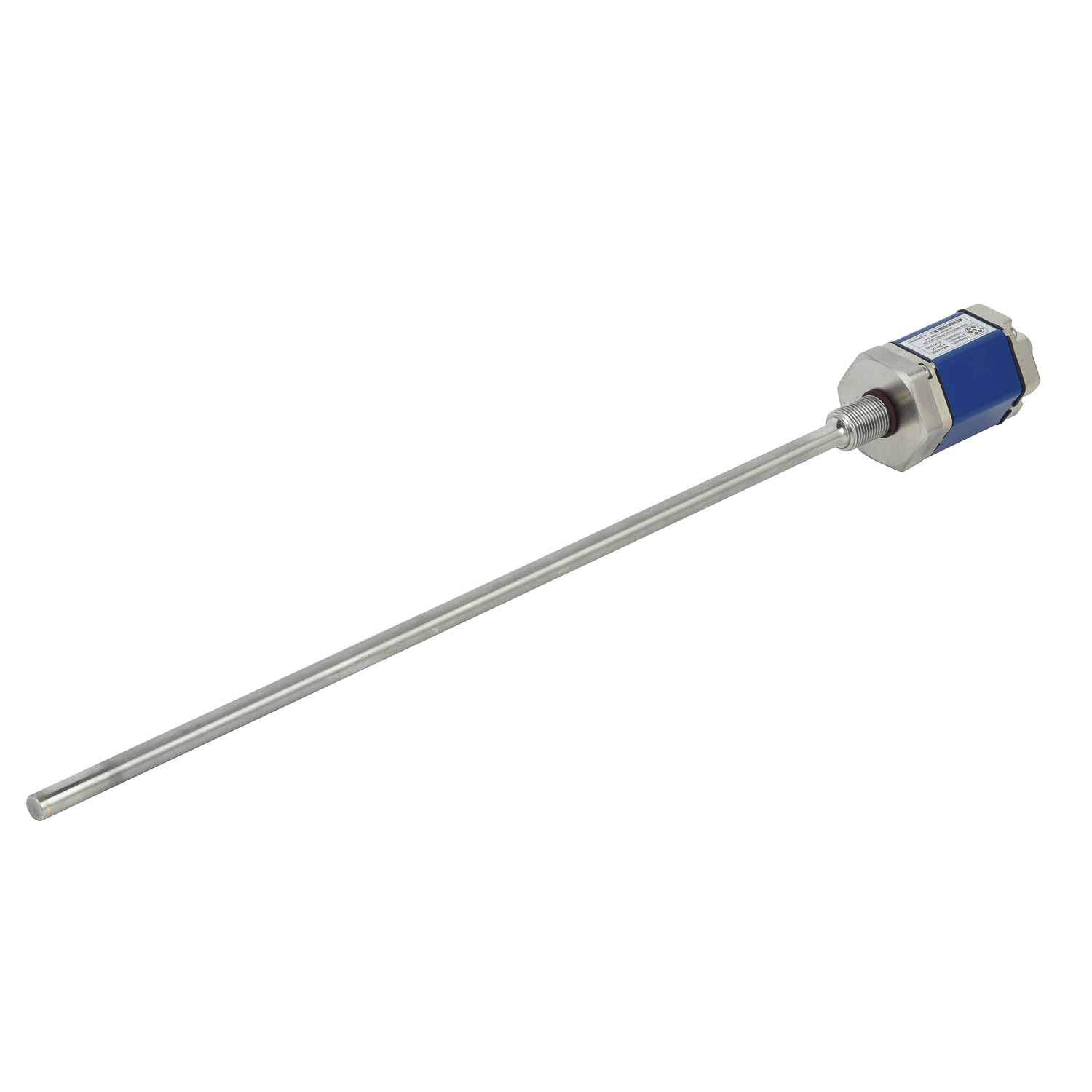
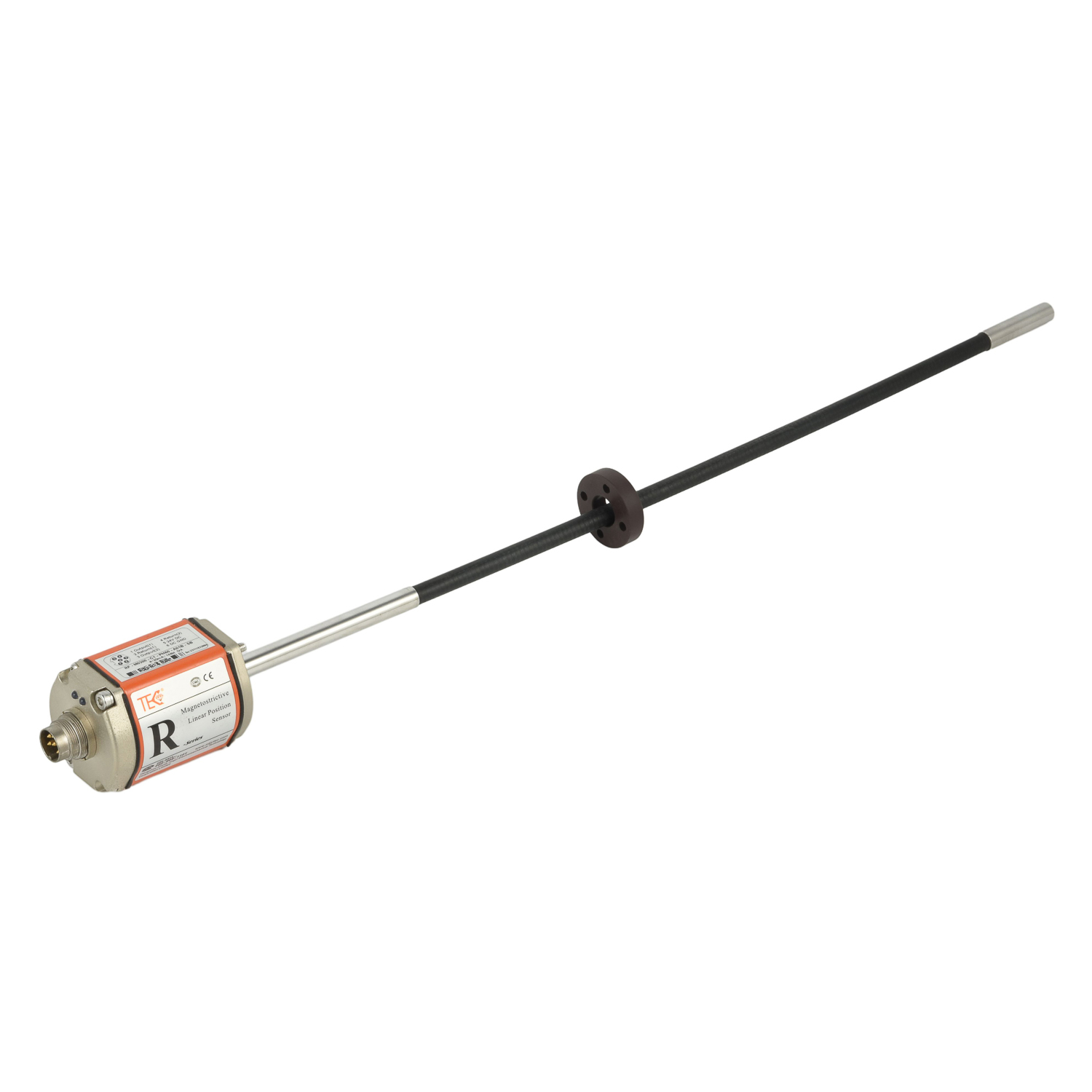
Magnetostrictive displacement sensors are vital in modern ports. Cranes, stackers, and automated vehicles must move containers with speed, safety, and precision. A magnetostrictive sensor uses a waveguide wire, a position magnet, and a current pulse. The interaction creates a torsional strain wave. By measuring its travel time, the sensor calculates absolute position with high repeatability.
In port operations, these sensors are often installed in hydraulic cylinders on quay cranes, reach stackers, and spreaders. They measure piston stroke for boom hoist, trolley travel, gantry positioning, and container locking. The real-time signal goes to a PLC or drive controller, enabling smooth acceleration, accurate stopping, and anti-sway control.
Ports demand rugged reliability. Salt spray, rain, dust, vibration, and temperature swings can destroy ordinary sensors. A quality magnetostrictive displacement sensor for port use should offer IP67 or IP69K sealing, corrosion-resistant housing, shock resistance, and EMI shielding. Absolute output means no re-zeroing after power loss.
Typical interfaces include 4-20 mA, SSI, CANopen, Profibus, and EtherCAT. Select stroke, pressure rating, output, and mounting to match each machine. Check cable glands, grounding, and magnet alignment for long service life.
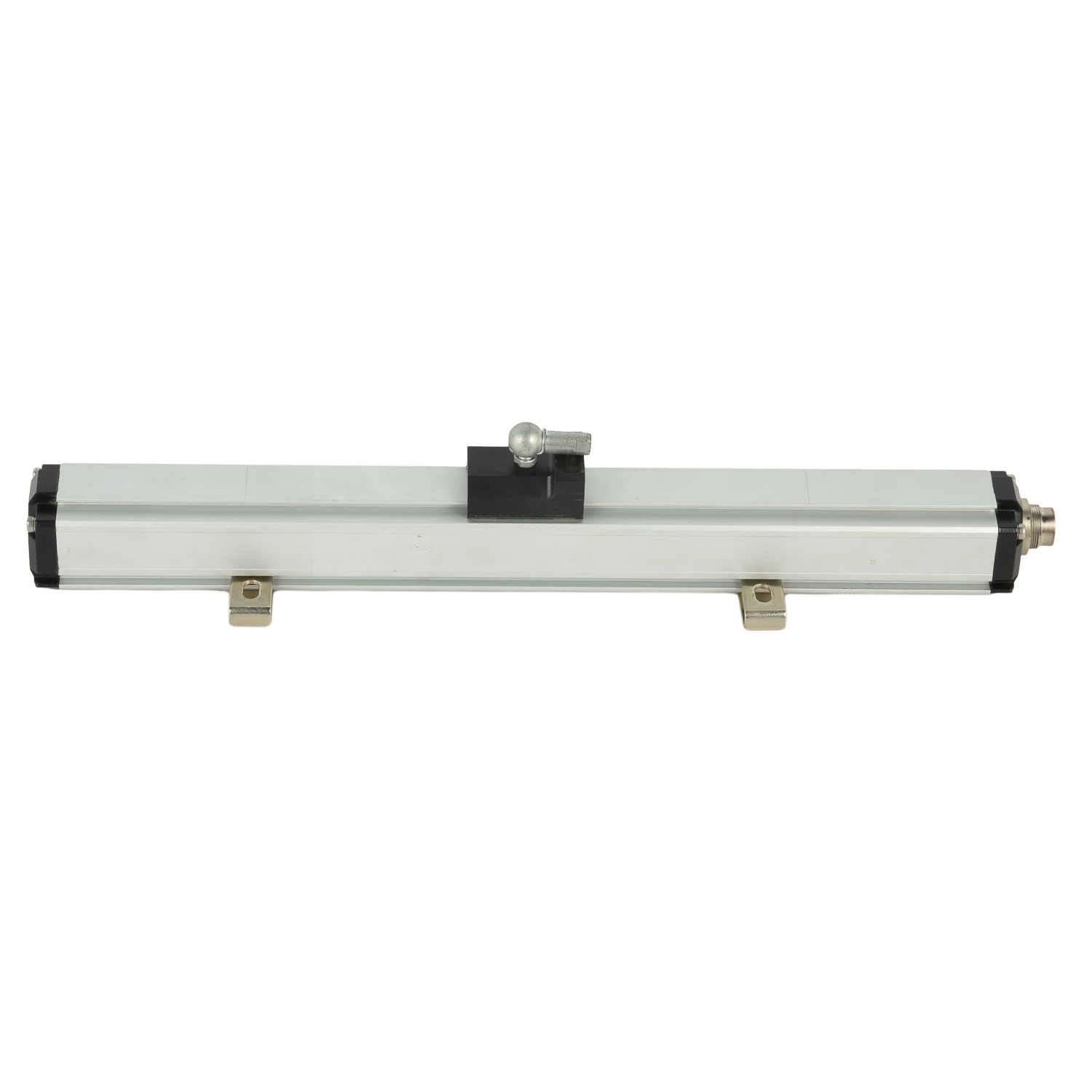
As ports move toward automation, remote control, and predictive maintenance, magnetostrictive displacement sensors provide precise feedback for safe, efficient cargo handling.
 LVDT Displacement Sensor for M
 LVDT Displacement Sensor for S
 LVDT Displacement Sensor for I
 LVDT Displacement Sensor for C