
Model and Specification of Electromagnetic Ultrasonic Thickness Probe
Electromagnetic ultrasonic thickness probes, also called EMAT probes, measure conductive metal plates, pipes, and tanks. They generate and receive ultrasound through electromagnetic coupling, so no couplant is needed. They work on rough, scaled, or hot surfaces.
A model name often includes series, frequency, and connector, such as EMAT-TP-2.5MHz-20. Key specifications include center frequency, probe size, coil type, magnet type, wear plate, cable length, connector, and temperature range. Common frequencies are 1-5 MHz. Lower frequencies give deeper penetration for thick or coarse materials. Higher frequencies give better resolution for thin walls. Probe diameter is often 10-40 mm.
Temperature range is important. Standard probes may work from -20 to 80°C; high-temperature models can reach 300°C or more with cooling. Cable and connector, such as LEMO or BNC, must match the instrument. Housings may be stainless steel or ceramic. Small or curved wear plates suit pipes; larger probes suit flat plates.
When choosing a model, consider material, thickness range, surface, temperature, and accuracy. A complete specification should list frequency, probe size, measurement range, temperature limit, connector, cable length, and compatible instrument. Proper matching ensures reliable readings. Regular checks of wear plate and coil maintain signal quality.
In summary, EMAT thickness probes come in many models and specifications. The right frequency, size, and temperature rating ensure accurate, couplant-free testing.
 LVDT Displacement Sensor for M
 LVDT Displacement Sensor for B
 LVDT Displacement Sensor for C
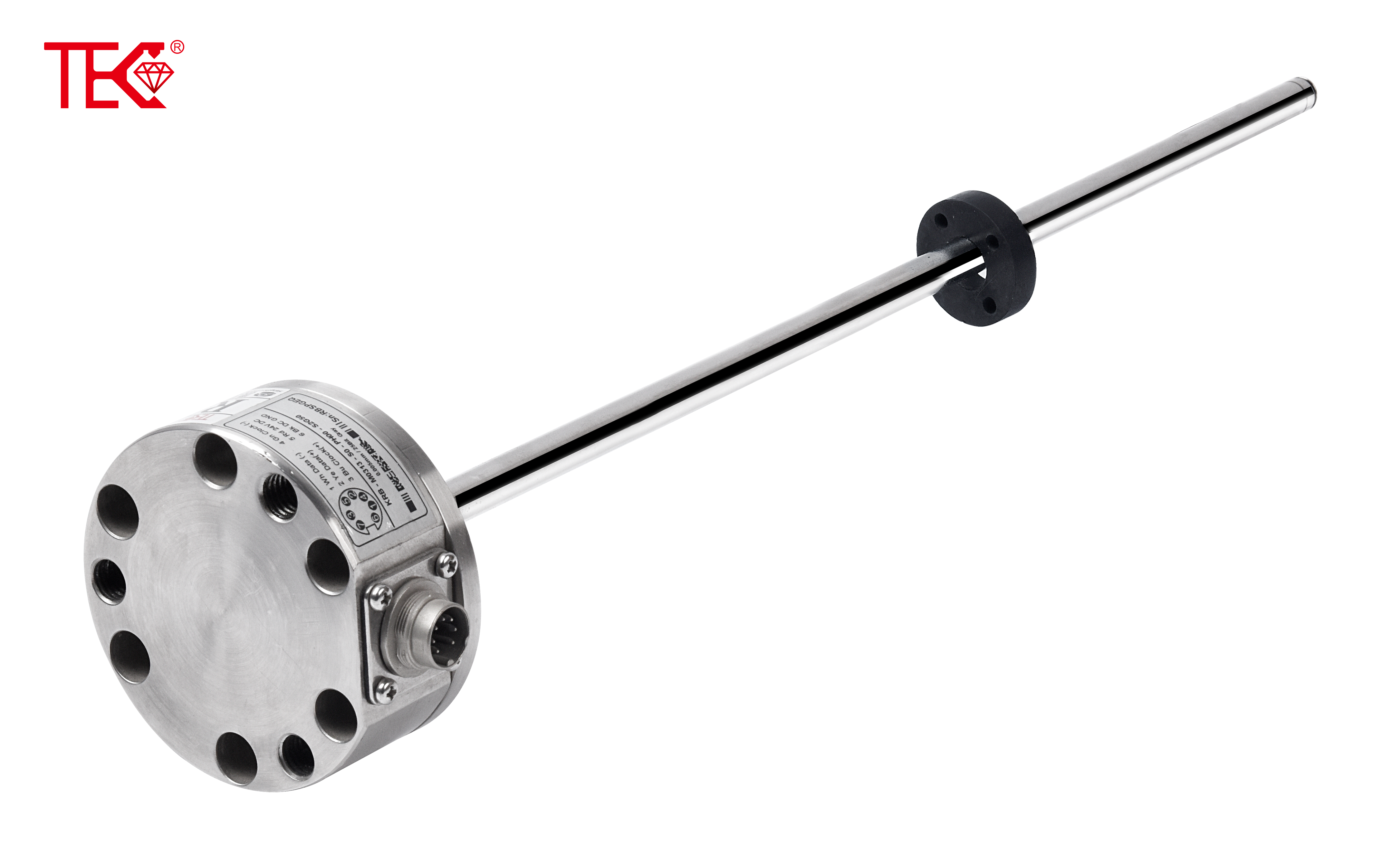 LVDT Displacement Sensor for O