
LVDT Displacement Sensor for Crane
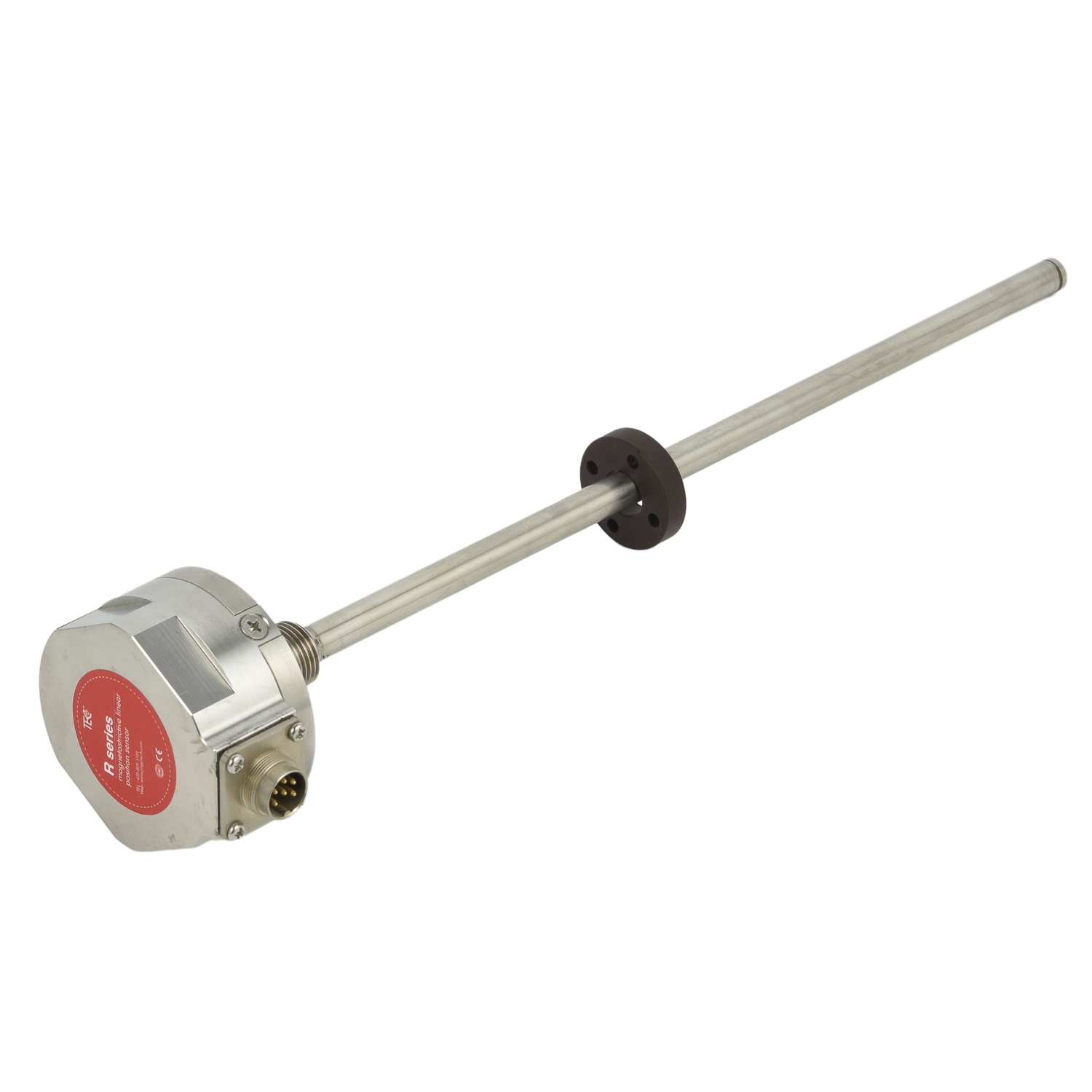
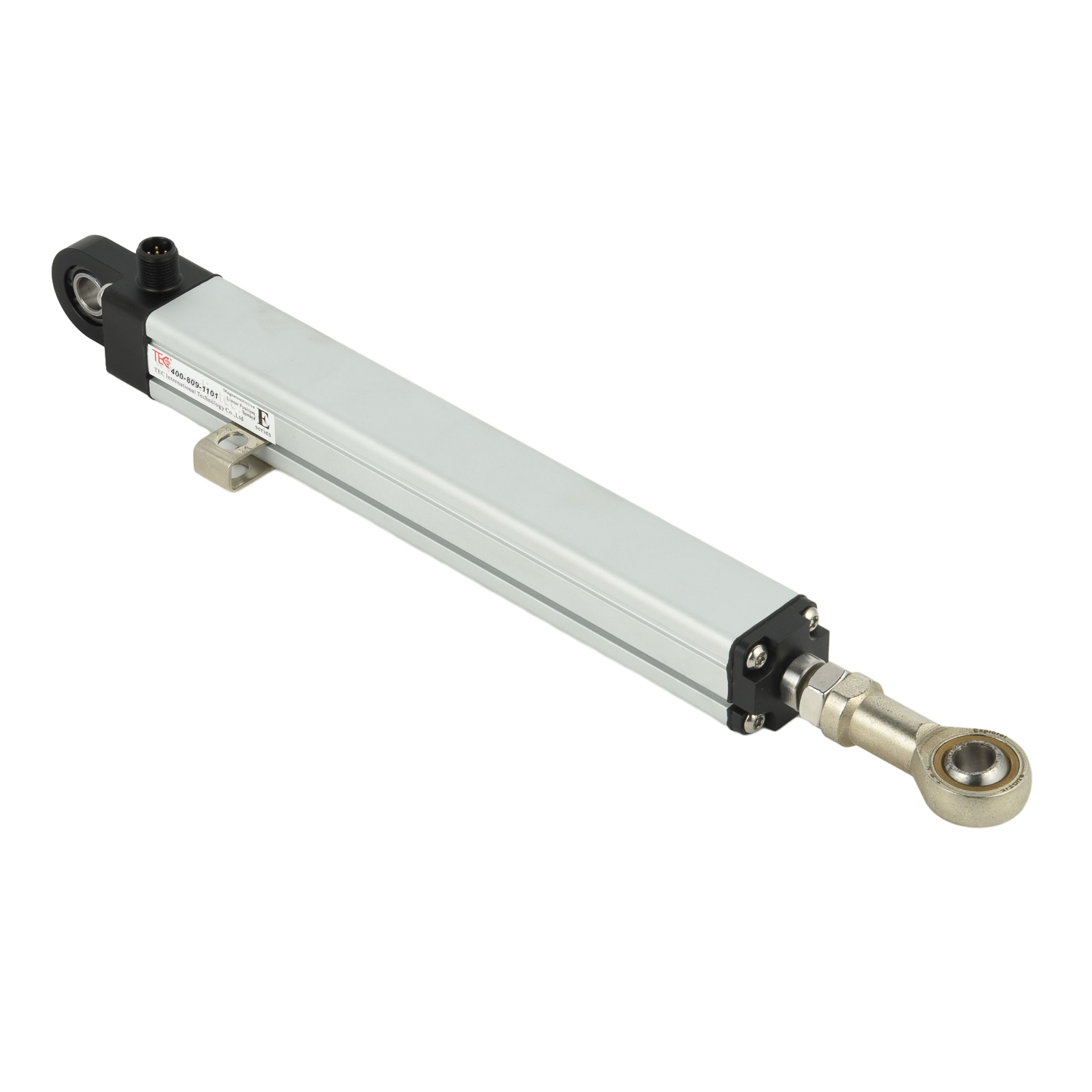
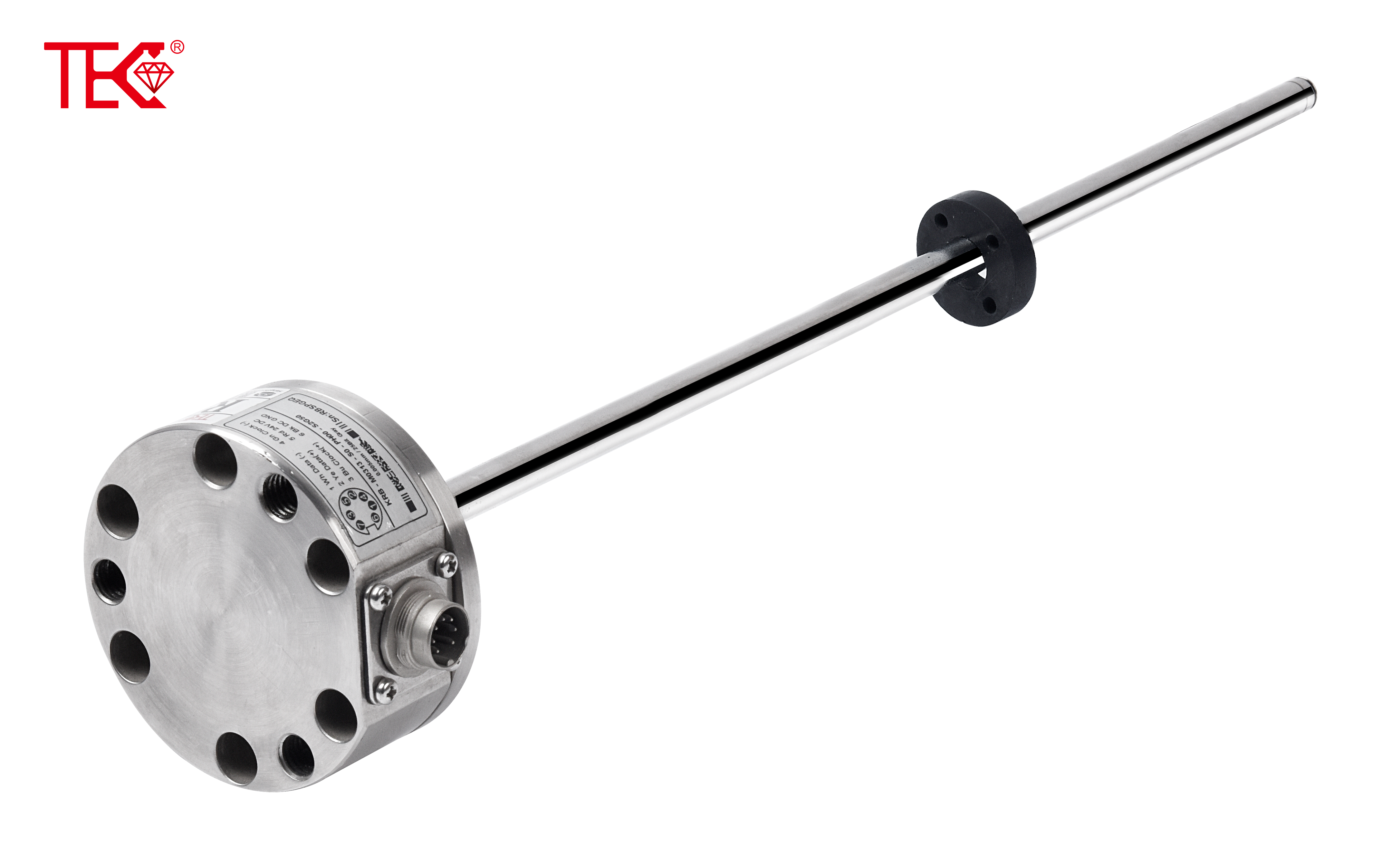
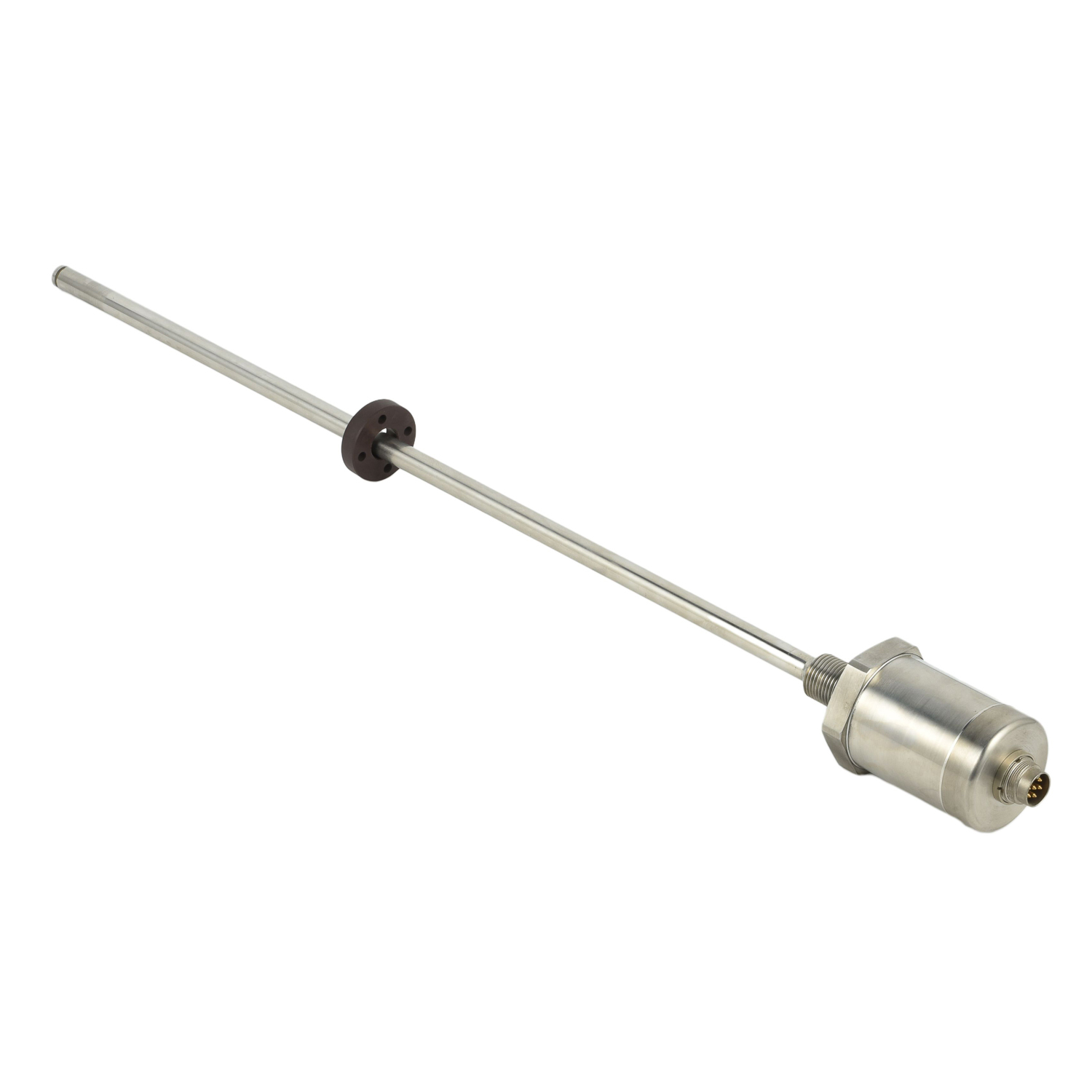
LVDT displacement sensors are increasingly important in modern crane systems, where accurate position feedback supports safety, stability, and efficient operation. An LVDT, or linear variable differential transformer, converts linear movement into a precise electrical signal. Because it has no sliding contacts, it offers high reliability, long service life, and strong performance in harsh industrial environments. In cranes, LVDT displacement sensors are often used to monitor boom extension, outrigger position, hydraulic cylinder stroke, and load-handling mechanisms. This real-time data helps control systems prevent overload, limit unsafe movement, and improve positioning accuracy during lifting and placement. For telescopic and lattice boom cranes, reliable displacement measurement is essential for calculating working radius and load capacity. The sensor's robust construction suits vibration, dust, and temperature variation common on construction sites. To ensure stable results, install the LVDT with proper alignment, protect it from mechanical impact, and follow calibration and maintenance schedules. When integrated with PLCs, CAN bus systems, or safety controllers, an LVDT displacement sensor for crane applications can enhance automation, reduce downtime, and support compliance with strict safety standards. It is a smart choice for crane manufacturers and operators seeking precision and durability. With correct selection and installation, they deliver dependable feedback over long duty cycles.
 LVDT Displacement Sensor for B
LVDT Displacement Sensor for C
 LVDT Displacement Sensor for O
 LVDT Displacement Sensor for S