
LVDT Displacement Sensor for Overhead Crane
LVDT displacement sensors are increasingly used in overhead crane systems where precise position feedback is essential. Unlike simple limit switches, an LVDT provides continuous, linear measurement of movement without mechanical contact between the core and coil. This makes it well suited to the dust, vibration, and heavy-duty cycles found in industrial lifting operations.
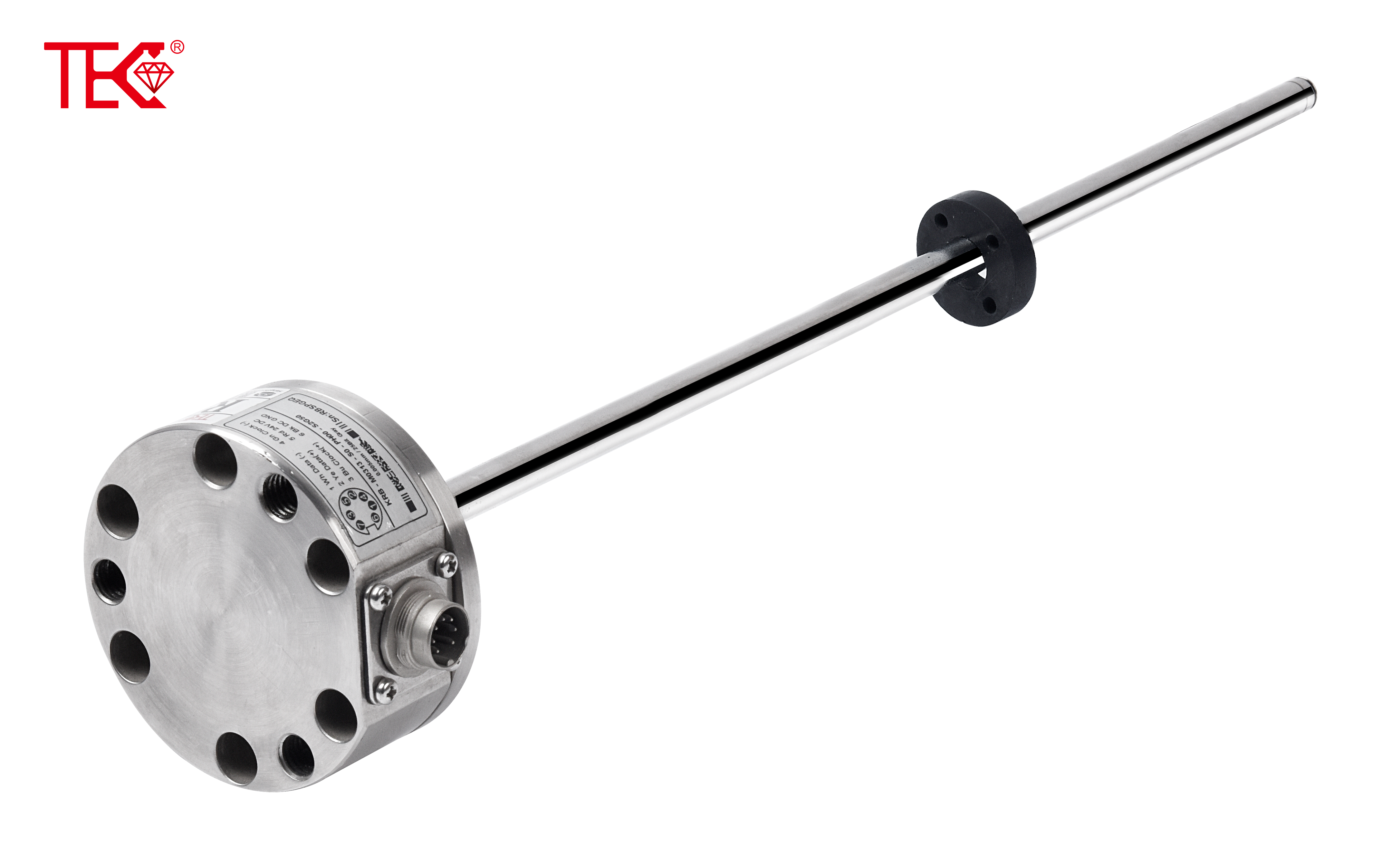
In an overhead crane, LVDTs can monitor trolley travel, bridge position, hoist height, and structural deflection. The sensor converts displacement into an electrical signal that is sent to the crane controller. With reliable position data, the control system can improve load spotting, reduce sway, and support automated or semi-automated lifting cycles. Accurate feedback also helps prevent over-travel and unsafe load handling.
Rugged LVDT designs offer high repeatability, long service life, and resistance to shock and contamination. They are available with sealed housings and robust cables for harsh environments. When installed correctly, they require little maintenance and provide stable performance over wide temperature ranges.
For crane builders and maintenance teams, correct selection means matching stroke, resolution, output signal, and ingress protection to the application. Proper mounting and alignment are also critical to accuracy. A well-chosen LVDT supports safer lifting, smoother motion, lower downtime, and better productivity in modern overhead crane control. This data improves operational confidence.
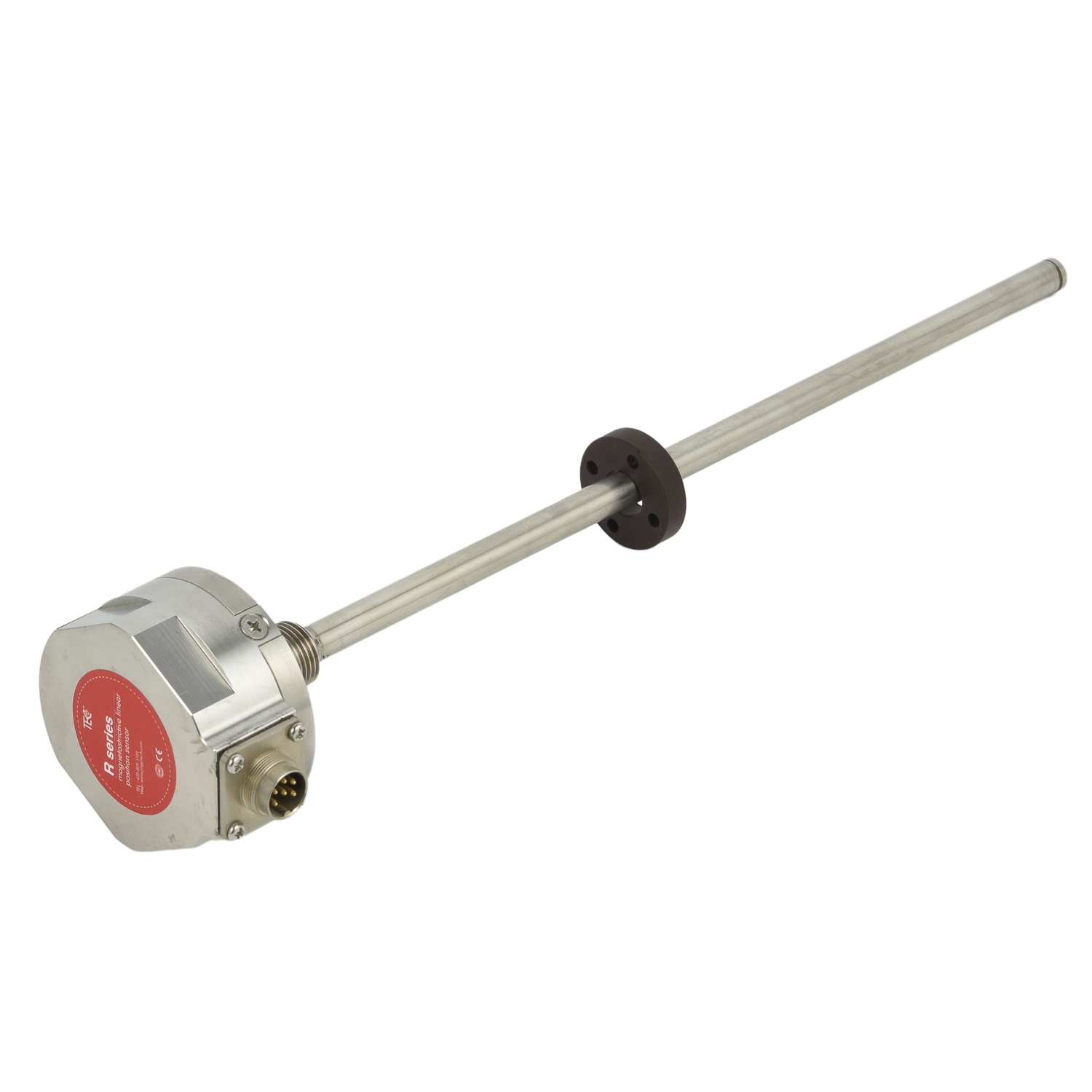 LVDT Displacement Sensor for C
LVDT Displacement Sensor for O
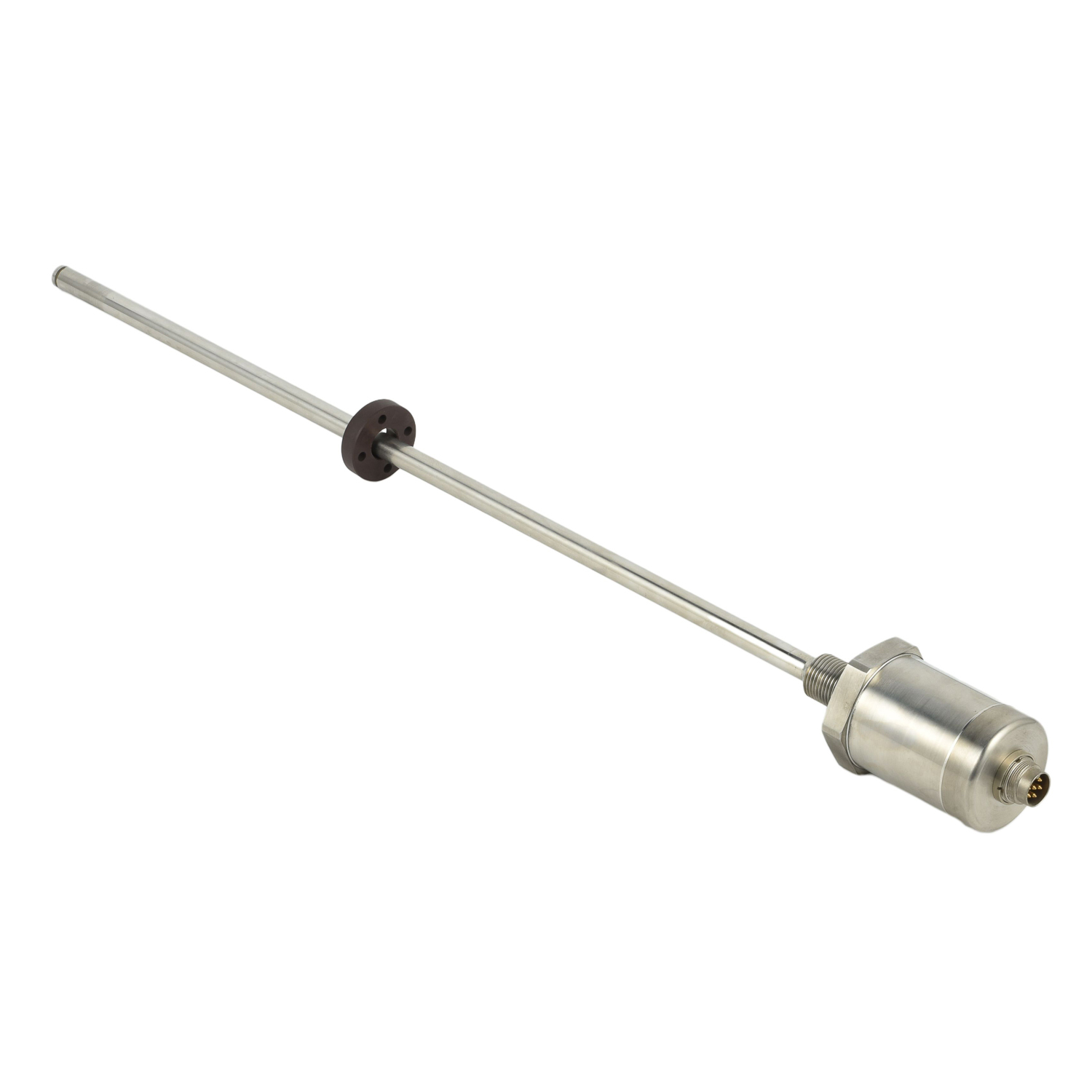 LVDT Displacement Sensor for S
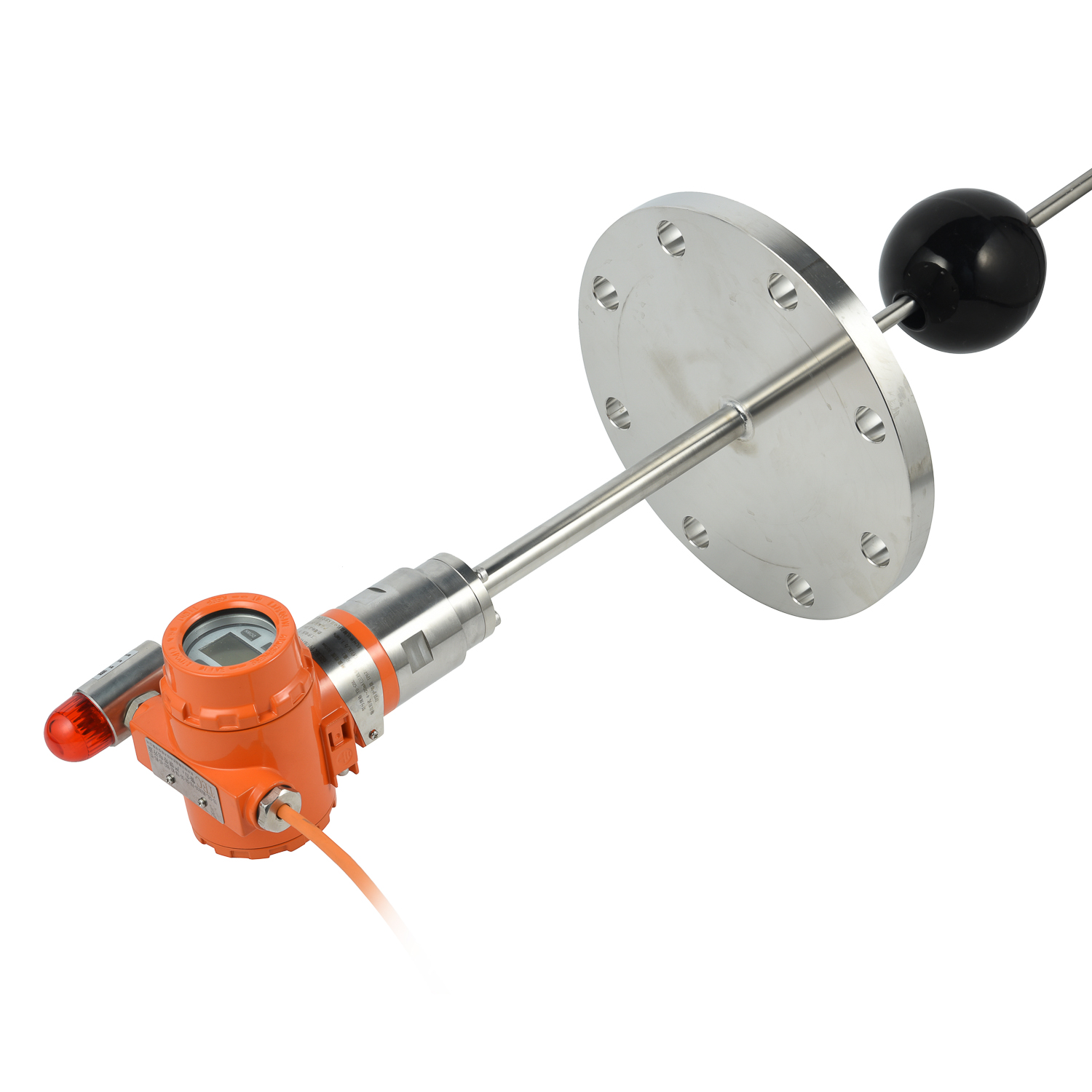 LVDT Displacement Sensor for B