
LVDT Displacement Sensor for Bridge Crane
Bridge cranes handle heavy loads, long travel distances, and demanding industrial conditions. Accurate position feedback is critical for safe lifting, precise load placement, and reliable automation. An LVDT displacement sensor is an effective solution for bridge crane applications because it provides non-contact measurement, high repeatability, and long service life. Mounted on the trolley, hoist, or bridge travel mechanism, the sensor converts linear movement into a clear electrical signal with excellent linearity. Unlike potentiometers, an LVDT has no sliding contacts, so wear, dust, and contamination have less effect on performance. This supports stable feedback for anti-sway control, stroke monitoring, and load positioning. On a typical crane, LVDTs can monitor hoist height, trolley position, bridge travel, and spreader orientation. The signal can be sent to a PLC, VFD, or safety controller for closed-loop control, helping reduce load swing, prevent overtravel, and improve docking accuracy. In harsh sites, a rugged stainless steel body and IP-rated sealing protect the sensor from moisture, grit, and occasional impact. Engineers should consider measuring range, resolution, output type, temperature tolerance, and vibration resistance before selection. Proper mounting alignment, flexible cable routing, and electromagnetic shielding help reduce interference and extend service life. During commissioning, set zero and span, verify linearity across the full stroke, and document calibration results. Regular calibration maintains consistent accuracy and supports preventive maintenance. With correct selection and installation, an LVDT displacement sensor improves crane safety, control precision, and operational efficiency.
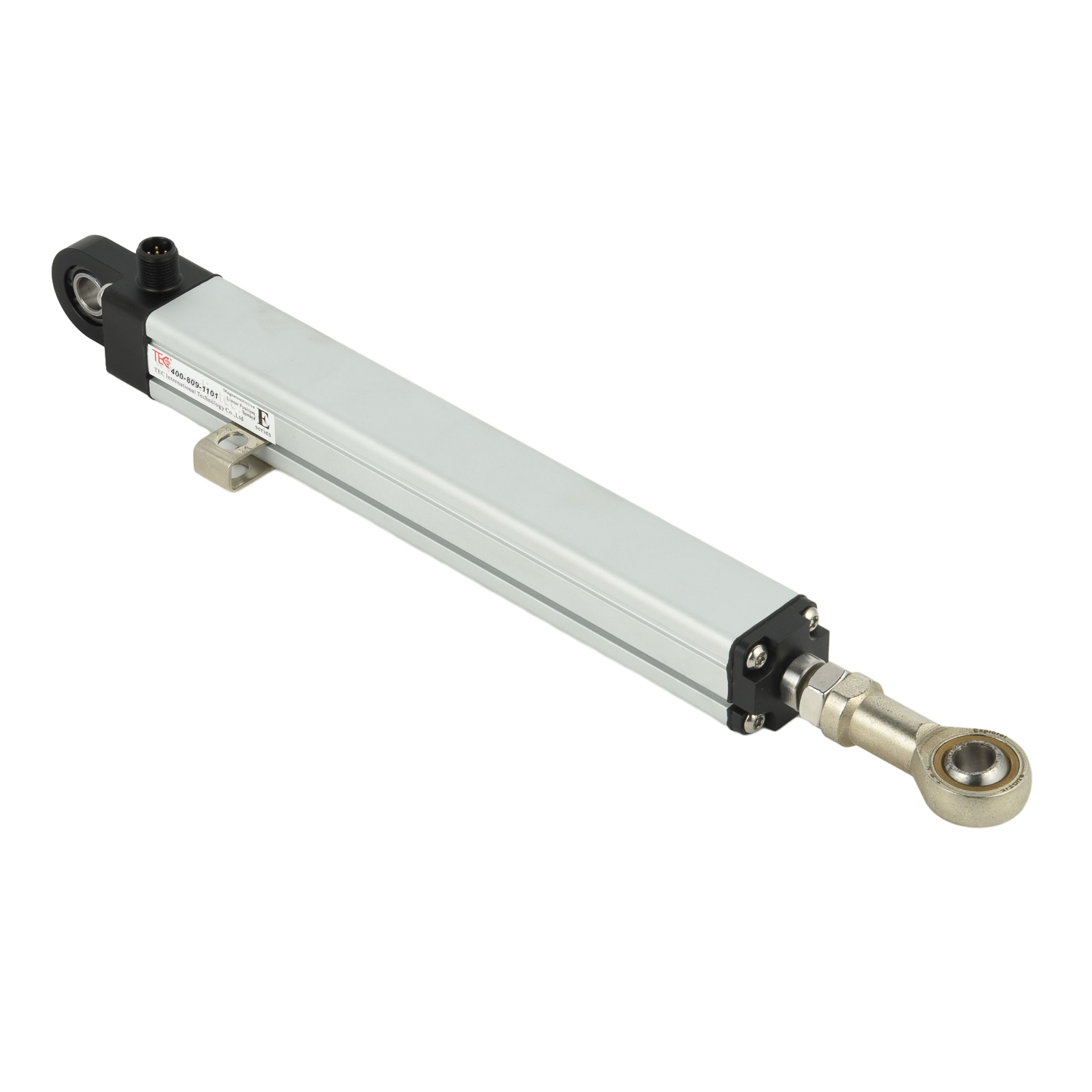
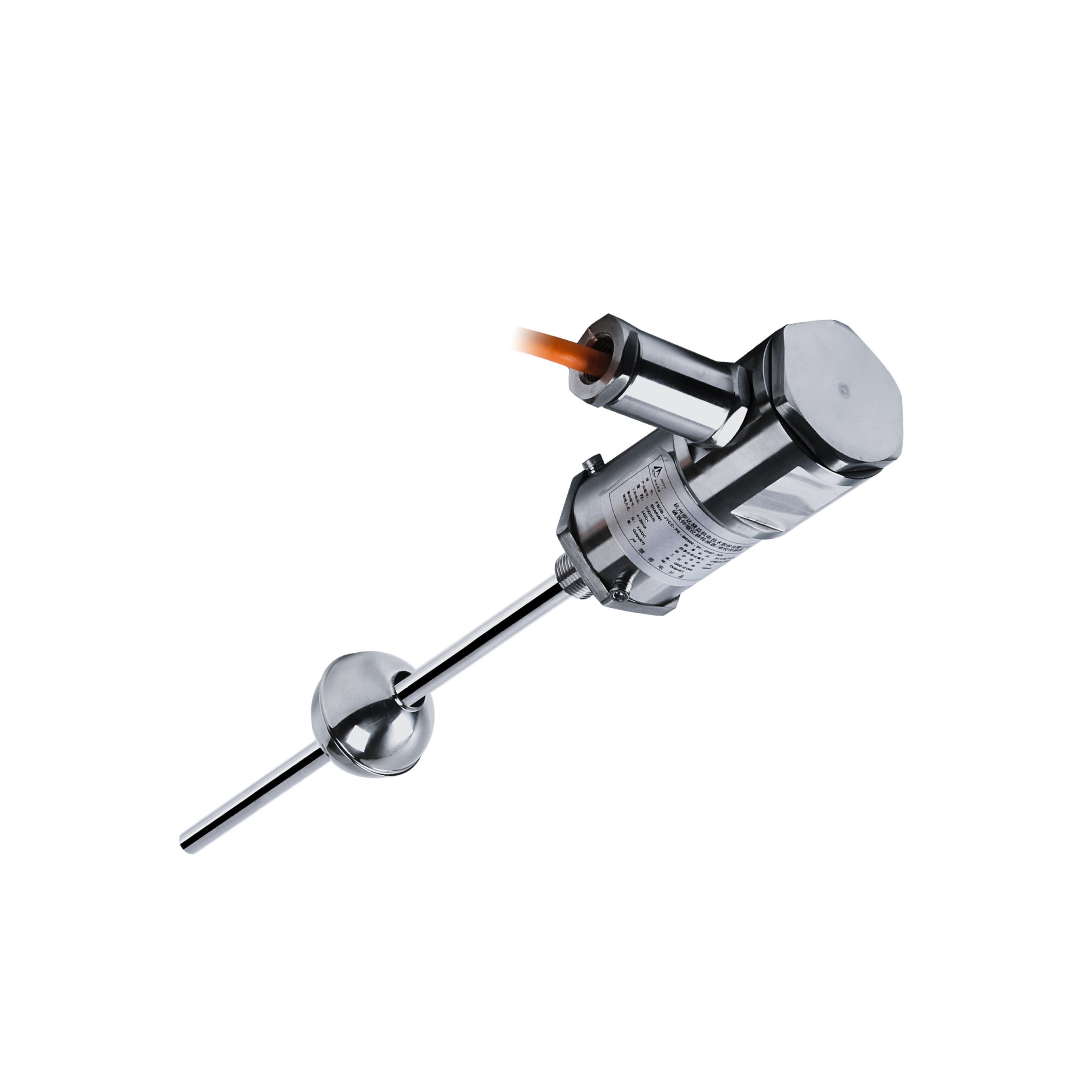 LVDT Displacement Sensor for M
LVDT Displacement Sensor for B
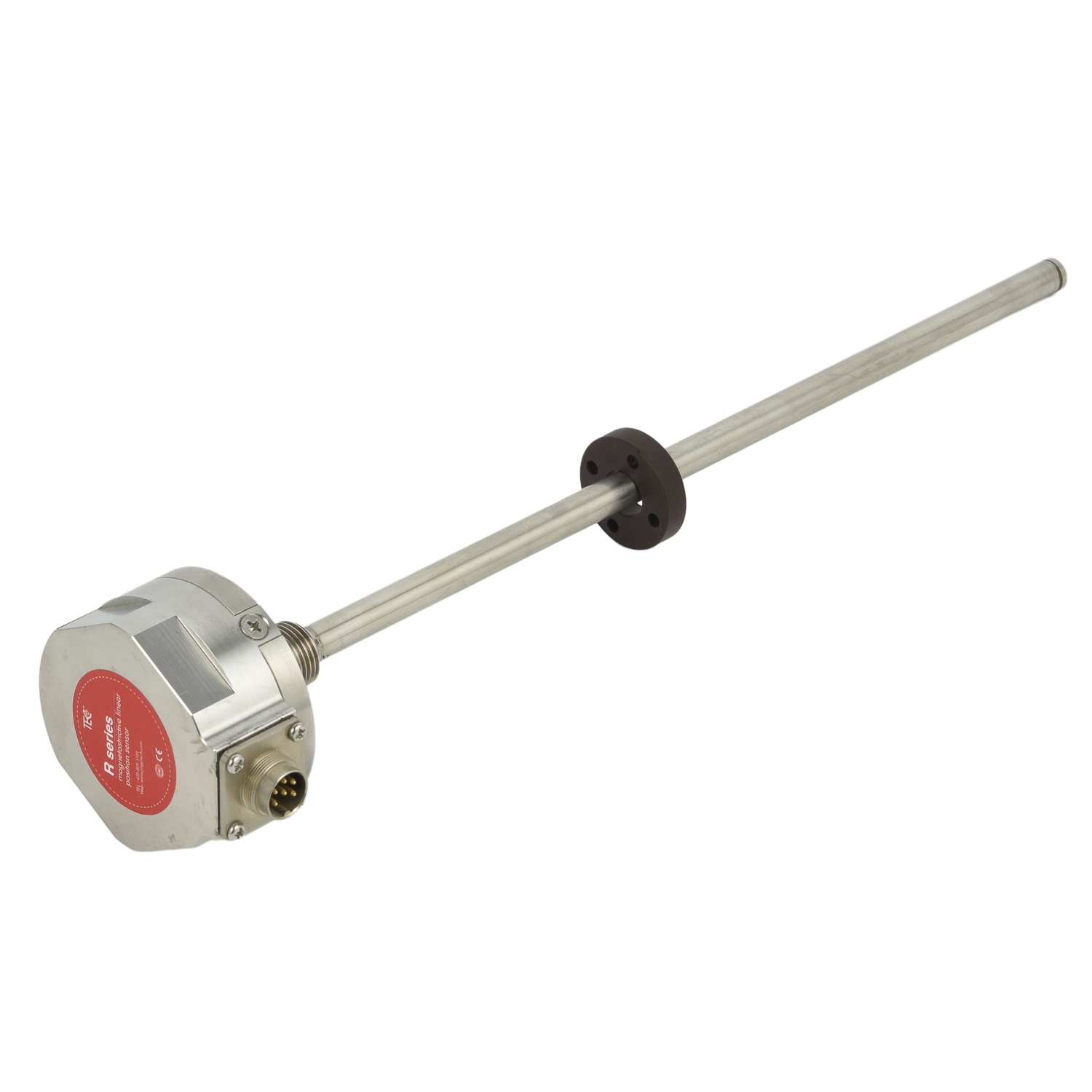 LVDT Displacement Sensor for C
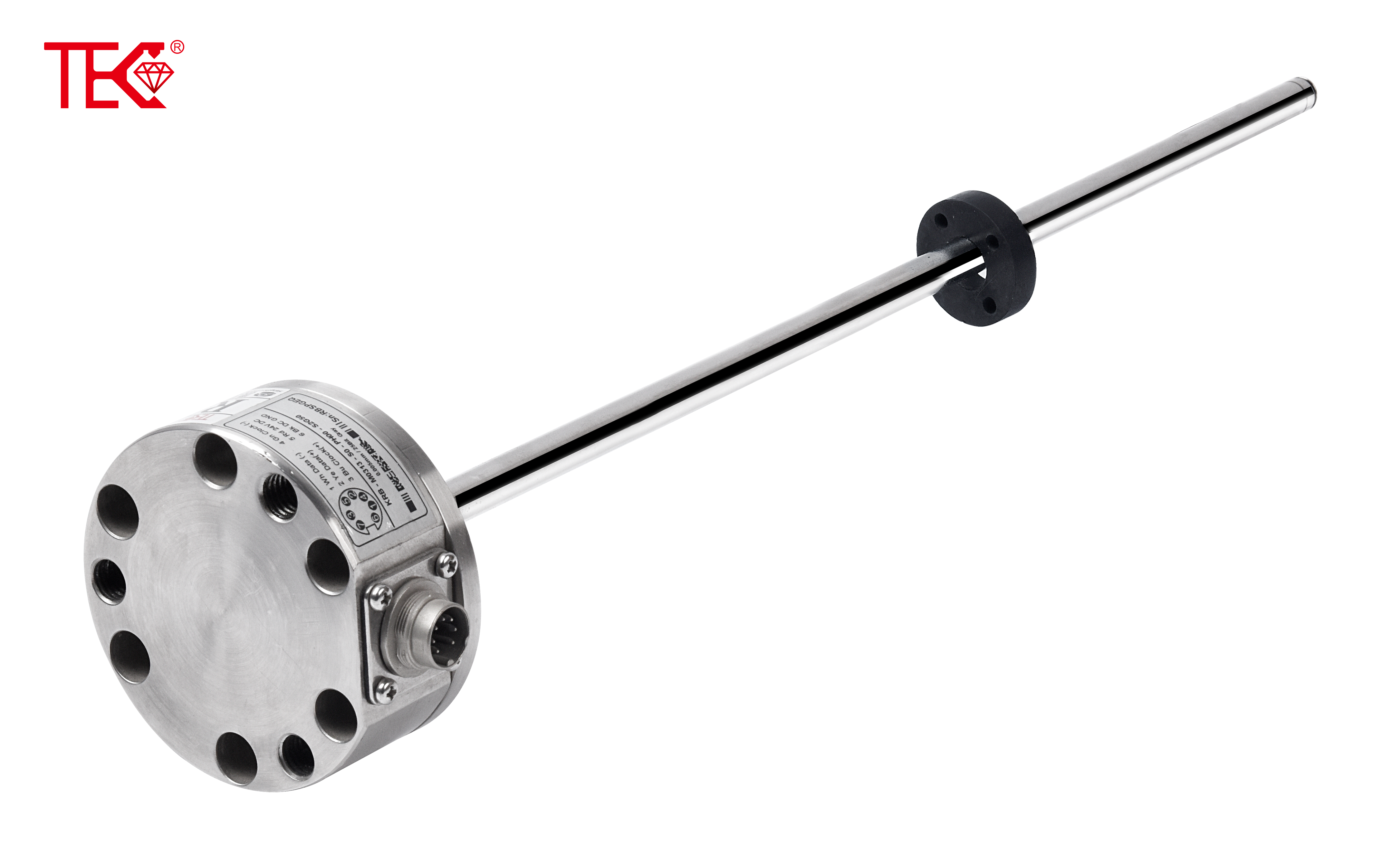 LVDT Displacement Sensor for O