
Explosion-proof Electromagnetic Ultrasonic Thickness Probe
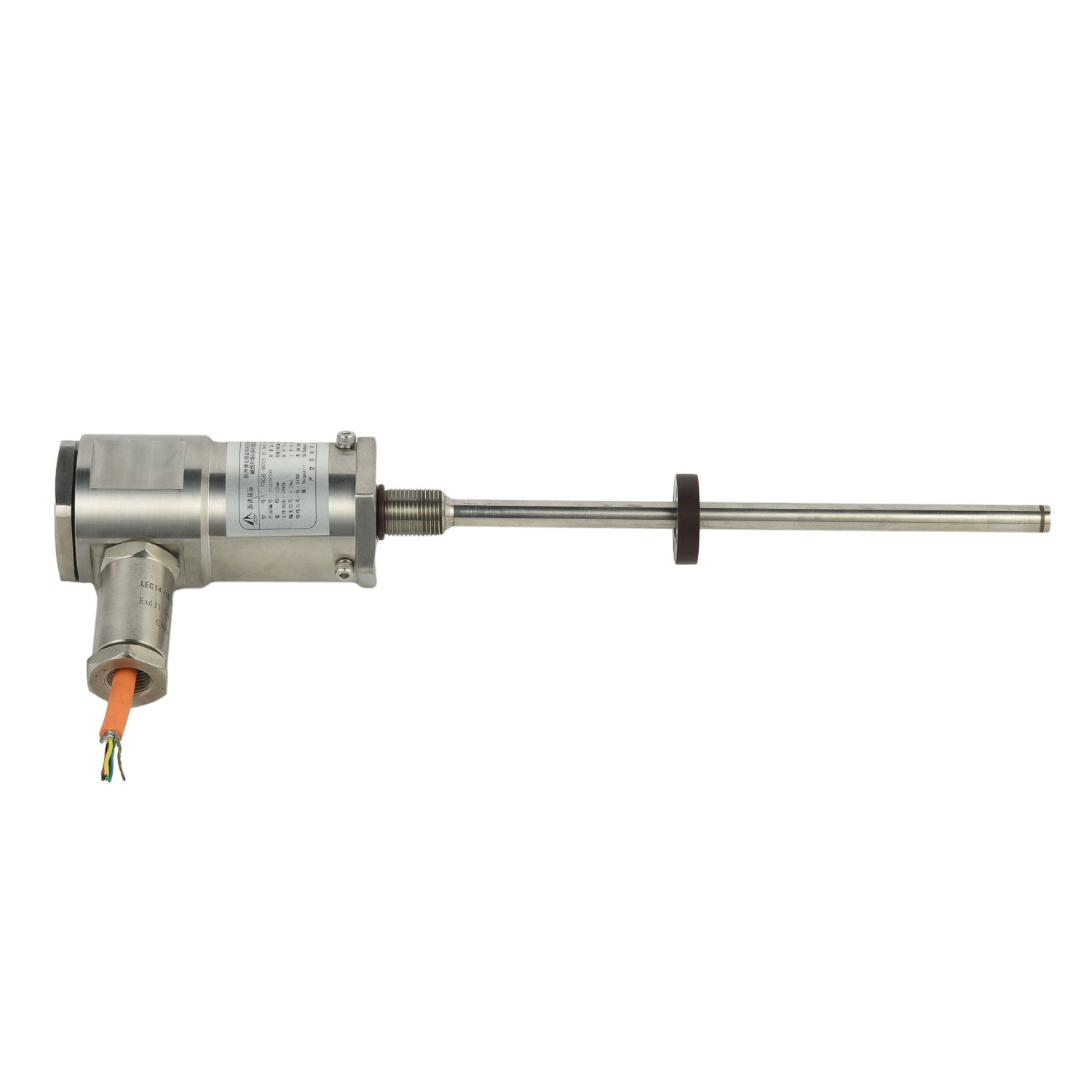
Explosion-proof electromagnetic ultrasonic thickness probes are advanced sensors designed to measure material thickness in hazardous industrial environments. Unlike traditional ultrasonic probes, they use electromagnetic acoustic transducers (EMATs) to generate and receive ultrasonic waves directly in conductive materials. This non-contact method eliminates the need for couplant, reduces surface preparation, and improves reliability in dirty, hot, or inaccessible locations.
These probes are widely used in oil and gas, petrochemical, power generation, and chemical plants. They help inspect pipelines, pressure vessels, storage tanks, and reactor walls without shutting down operations. Because the probe housing meets explosion-proof standards, it can operate safely in areas where flammable gases, vapors, or dust may be present. This protects workers, equipment, and facilities from ignition risks.
Key advantages include non-contact measurement, high-temperature tolerance, corrosion monitoring, and stable performance on rough surfaces. The electromagnetic design allows accurate readings through coatings, rust, and scale, making it ideal for online thickness monitoring. Operators can detect wall thinning, corrosion, erosion, and cracks early, supporting predictive maintenance and extending asset life.
Choose the correct probe by reviewing material, temperature, coating, pipe size, and hazardous area class. Regular calibration and trained staff ensure safe, accurate results and compliance.
 Model and Specification of Fla
 Import Substitute Non-contact
 Installation Method of Built-i
 Working Principle of High-pres