
Working Principle of High-pressure LVDT Displacement Sensor
A high-pressure LVDT displacement sensor is a linear variable differential transformer designed to measure position in hydraulic or pressurized equipment. Its working principle is electromagnetic induction. One primary coil and two secondary coils are wound around an insulated former, while a movable ferromagnetic core is coupled to the measured object. An AC excitation signal drives the primary coil and creates an alternating magnetic field.
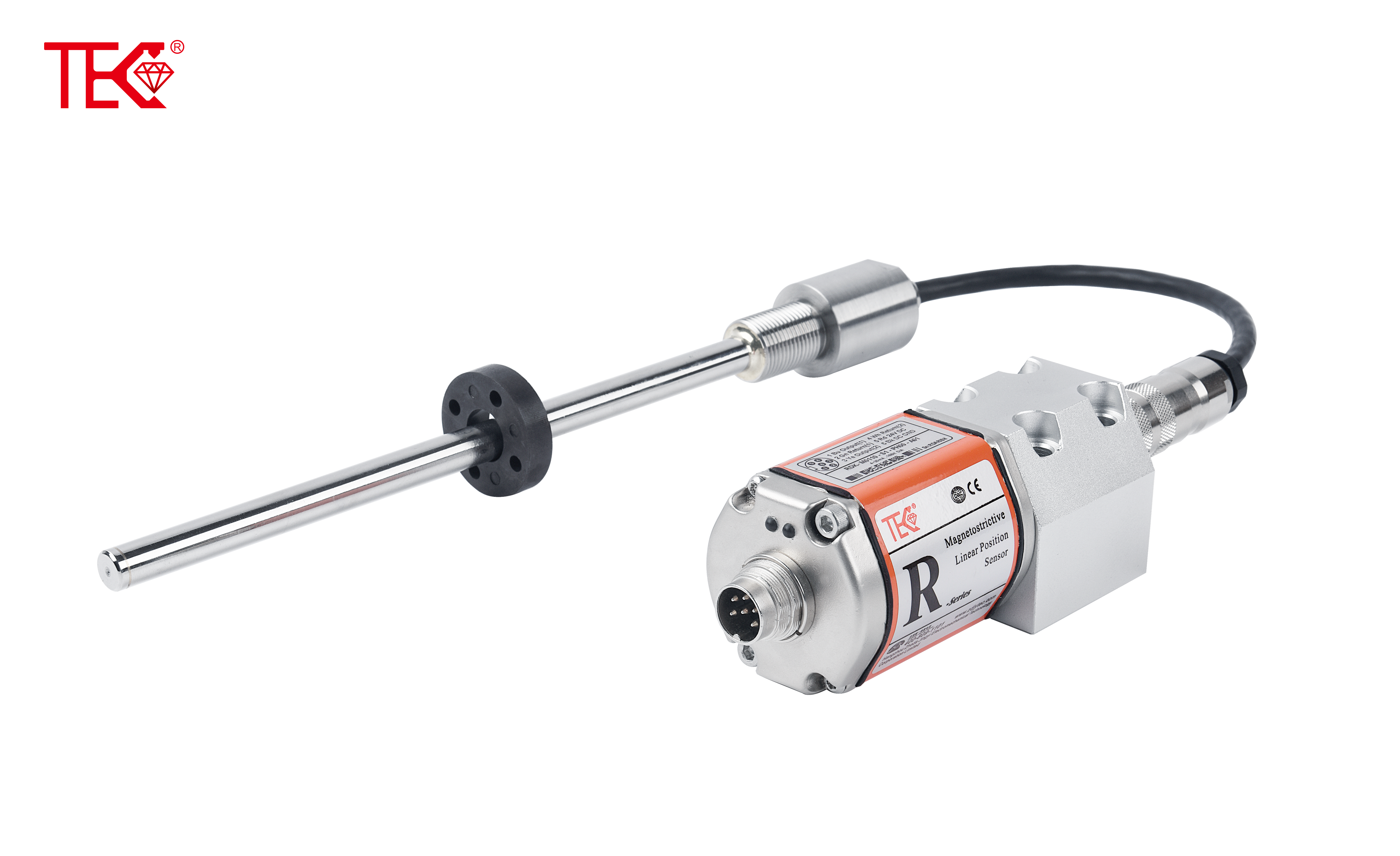
At the center position, the core induces equal voltages in the two secondary coils. Because the secondaries are connected in opposition, the differential output is near zero. When the core moves toward one secondary, magnetic coupling to that coil increases and coupling to the other decreases. The secondaries then produce unequal voltages. The differential AC output varies linearly with displacement, and its phase reverses on the opposite side, showing direction.
For high-pressure use, coils and electronics are isolated from the medium by a sealed, thick-walled pressure tube or housing. The core moves inside a non-magnetic pressure bore, often without contact with the coils. High-pressure connectors and feedthroughs preserve sealing integrity. A signal conditioner demodulates the AC output into a stable DC voltage or current proportional to displacement. This contactless induction principle gives frictionless operation, high repeatability, and reliable feedback for hydraulic valves and actuators. This makes it suitable for demanding high-pressure position measurement.
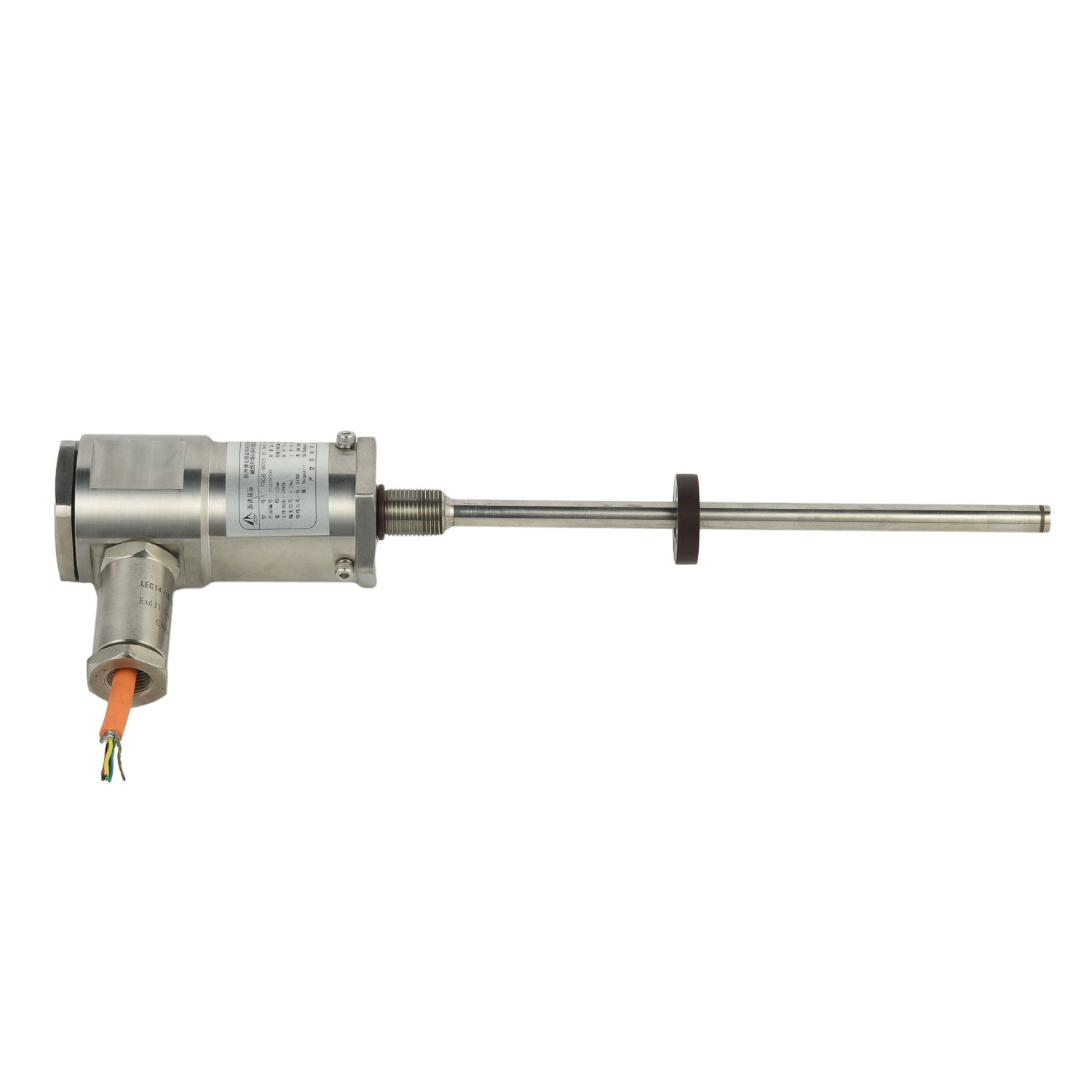 Installation Method of Built-i
Working Principle of High-pres
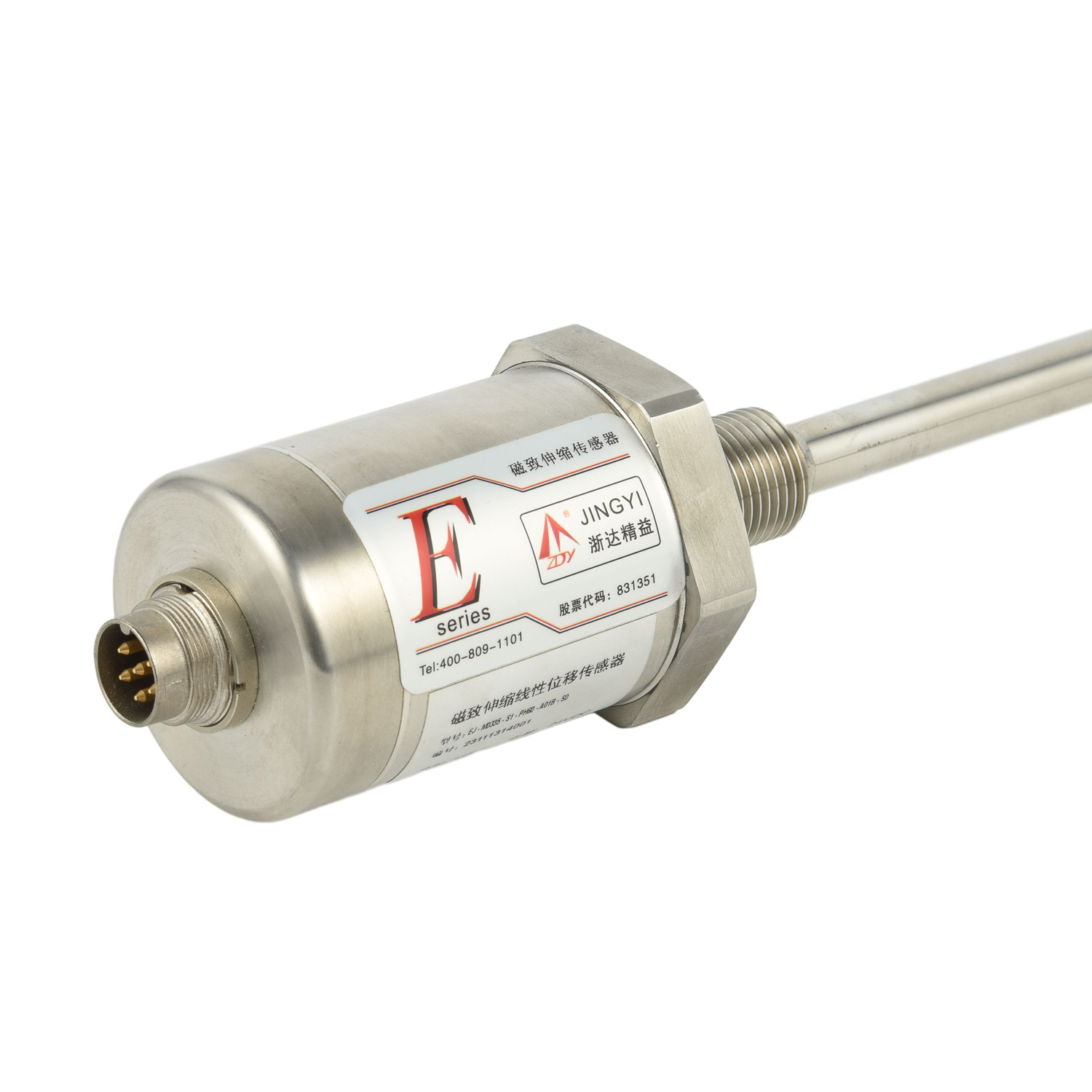 Technical Parameters of High-t
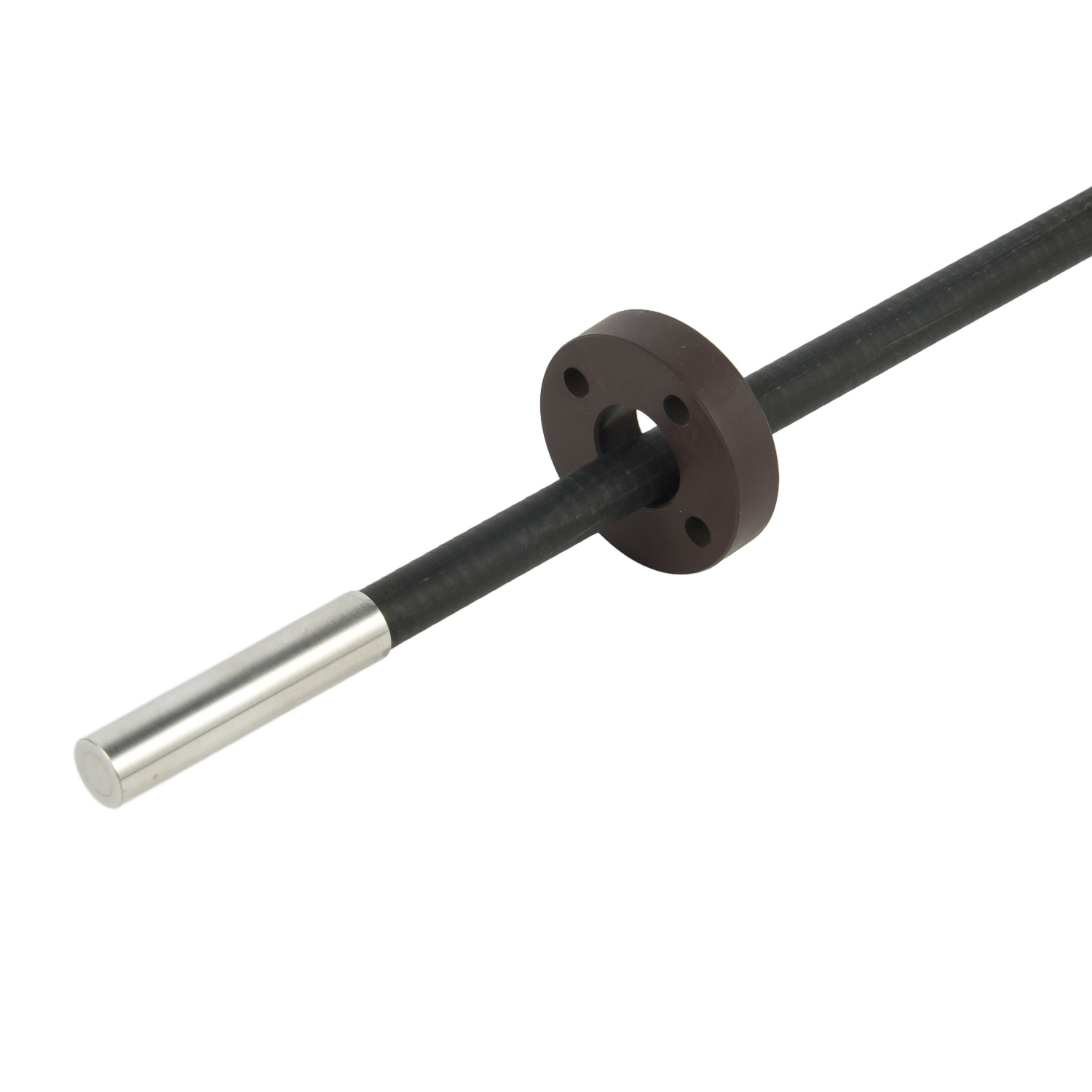 Waterproof LVDT Displacement S