
Installation Method of Built-in Hydraulic Cylinder LVDT Displacement Sensor
Installing a built-in LVDT displacement sensor in a hydraulic cylinder requires careful preparation to ensure accuracy and durability. First, verify cylinder dimensions, stroke length, and sensor specifications. Check that the sensor stroke matches the cylinder stroke and that the core does not bottom out at either end. Clean all mounting surfaces and remove burrs from the bore and end cap. Mount the coil assembly in the cylinder head or end cap using the specified fixture, and keep the coil concentric with the piston rod. Insert the core rod into the drilled piston rod or extension, then secure it with the recommended thread-locking compound. Do not twist the core rod during insertion. Maintain free movement without mechanical contact. Align the core and coil carefully, because eccentricity can cause signal error. Route cables through the sealed passage, protect them from pressure and oil, and connect wiring according to the pinout. Install seals and O-rings correctly to prevent leakage. After assembly, cycle the cylinder slowly and check for smooth operation. Perform zero and span calibration at known stroke positions. Measure output stability, linearity, and repeatability. Use shielded cable and ground the shield at the control end to reduce electrical noise. Record the installation dimensions and calibration data for future maintenance. Finally, pressure-test the cylinder and inspect for leaks or signal drift. Proper installation ensures reliable feedback for control systems.
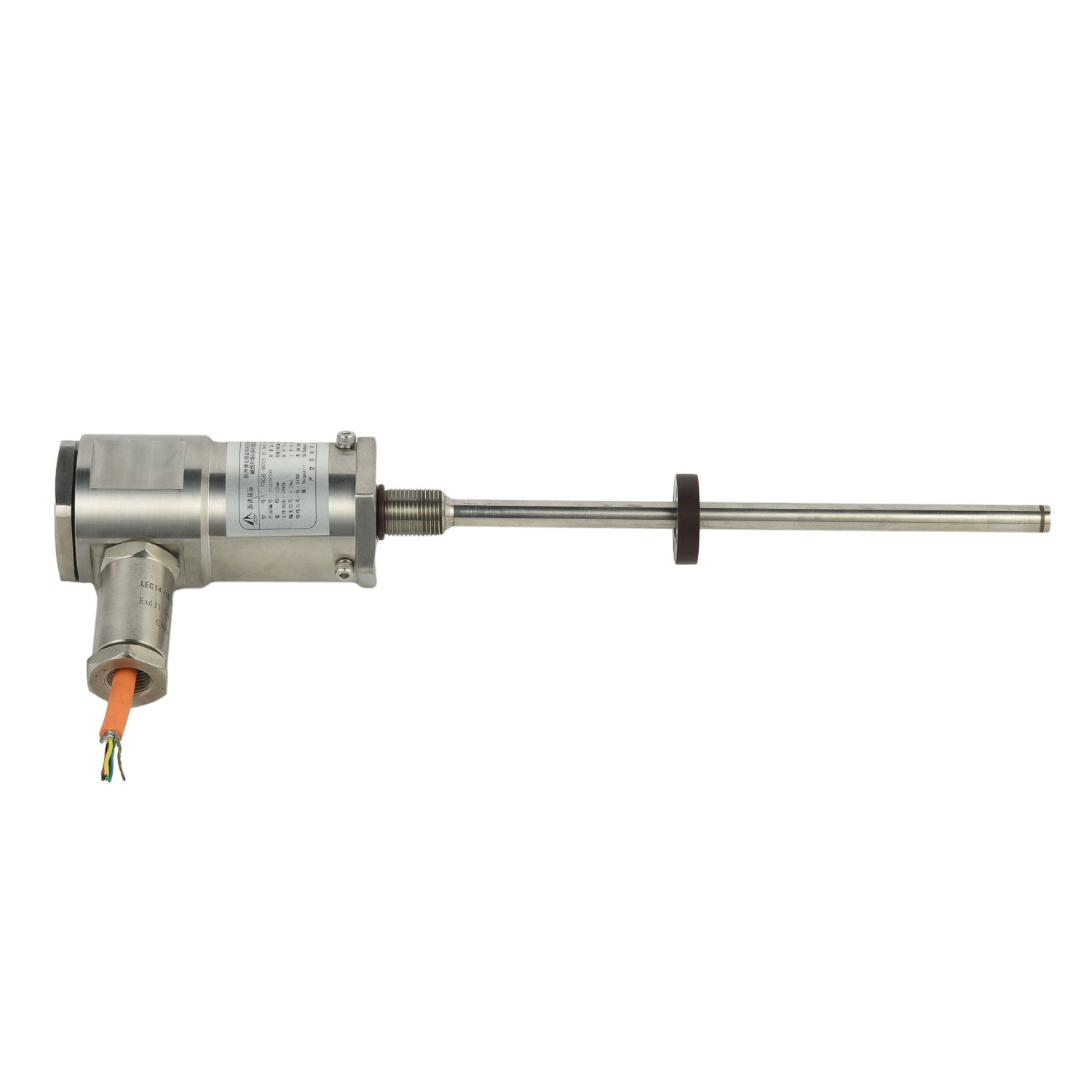 Installation Method of Built-i
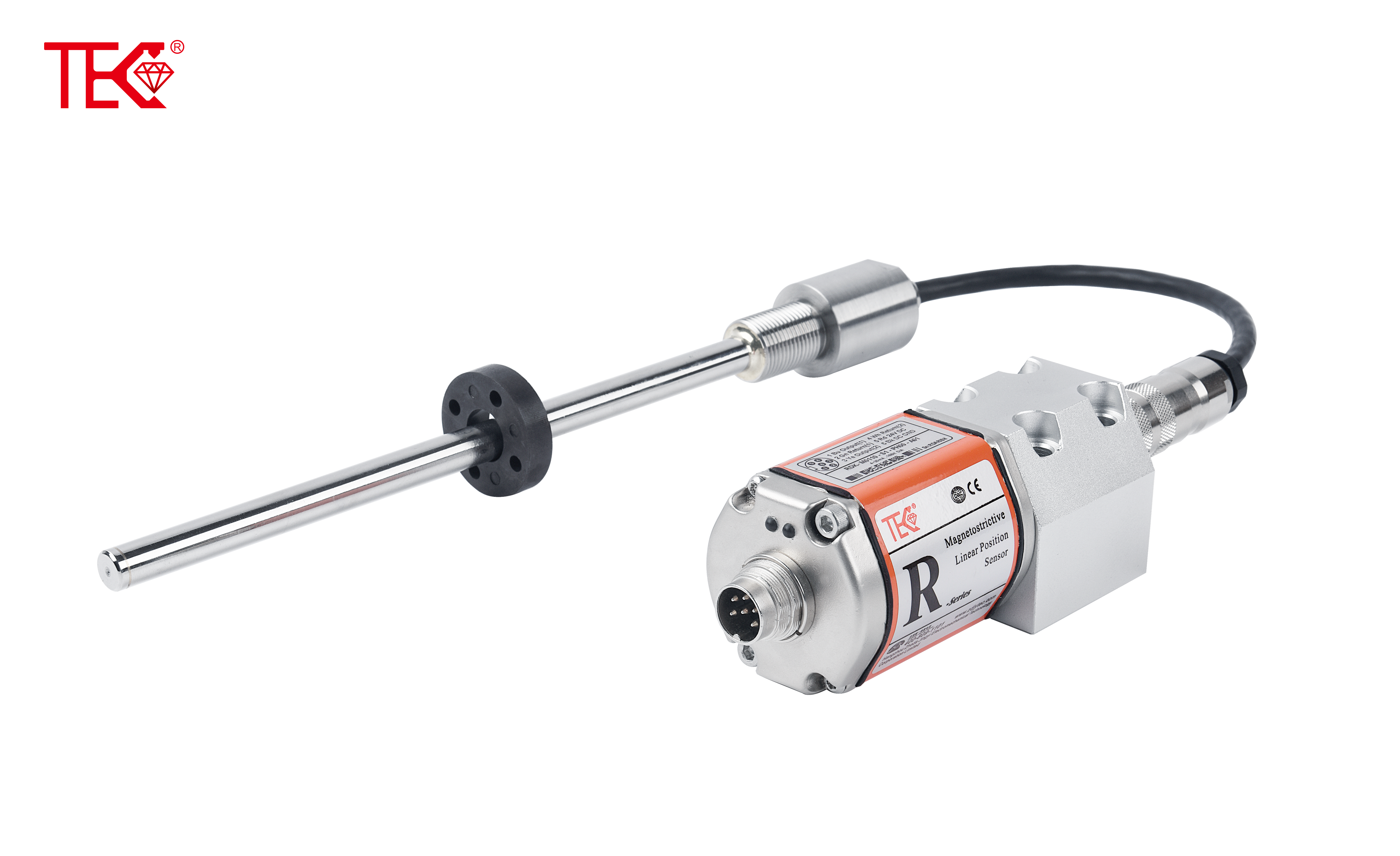 Working Principle of High-pres
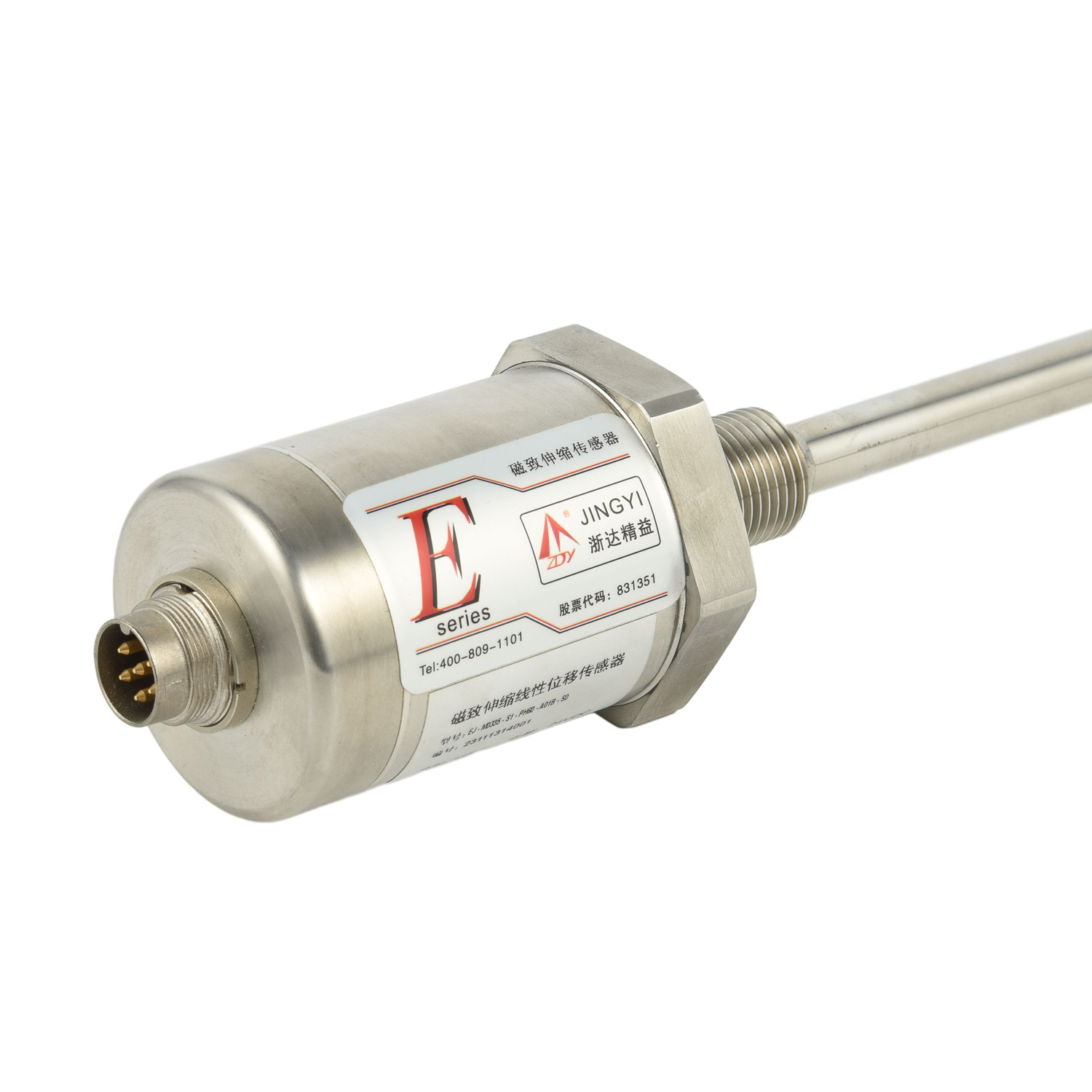 Technical Parameters of High-t
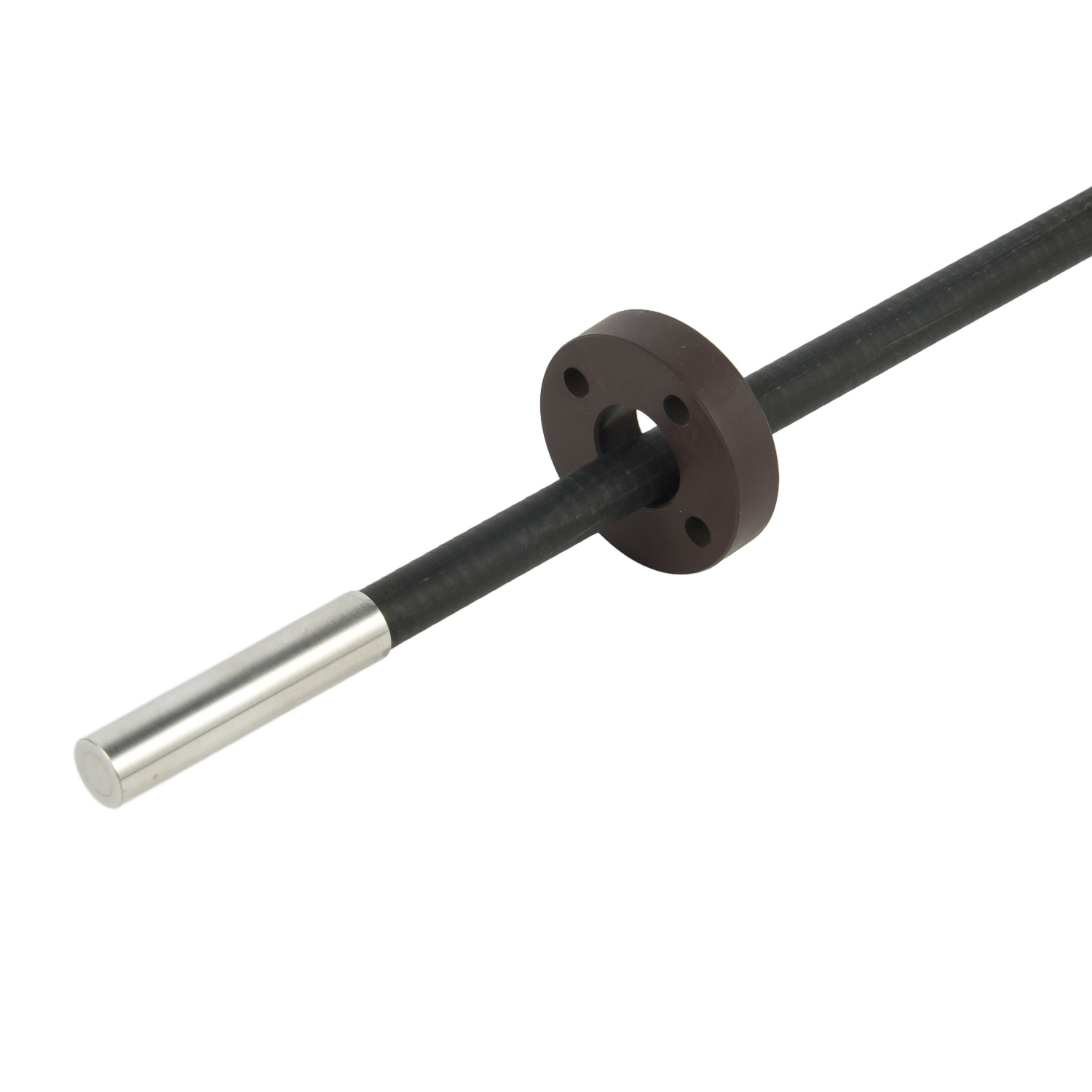 Waterproof LVDT Displacement S