
Technical Parameters of High-temperature LVDT Displacement Sensor
High-temperature LVDT displacement sensors are designed for precise position feedback in steam valves, turbine systems, furnaces, and nuclear equipment. Their technical parameters determine accuracy, durability, and safety under thermal stress. A typical sensor offers a measuring range of 0–50 mm, with non-linearity within ±0.25% FS and repeatability below 0.01% FS. Sensitivity is usually 20–100 mV/V/mm, while resolution can reach 0.1 µm with suitable signal conditioning. Null voltage stays below 0.5% FS, phase shift remains under 3°, and coil resistance is matched for stable bridge operation. The excitation voltage is commonly 1–10 Vrms at 1–10 kHz, and output is AC proportional to core displacement. High-temperature models operate from -40°C to 200°C, with special versions rated to 300°C or 600°C. Thermal stability depends on matched coil and core materials, low thermal expansion housings, and temperature compensation. Insulation resistance should exceed 100 MΩ at 500 VDC, and dielectric strength is typically 500–1000 VAC. Stainless steel or Inconel housings, mineral-insulated cables, and welded seals provide protection against moisture, vibration, and shock. IP67 or IP68 sealing, vibration resistance of 10–2000 Hz, and shock resistance of 50 g are common. Engineers must balance stroke, temperature, frequency response, and cable length to ensure reliable long-term operation. Long cable runs should be shielded to limit noise and preserve signal accuracy. Calibrate post-mount.
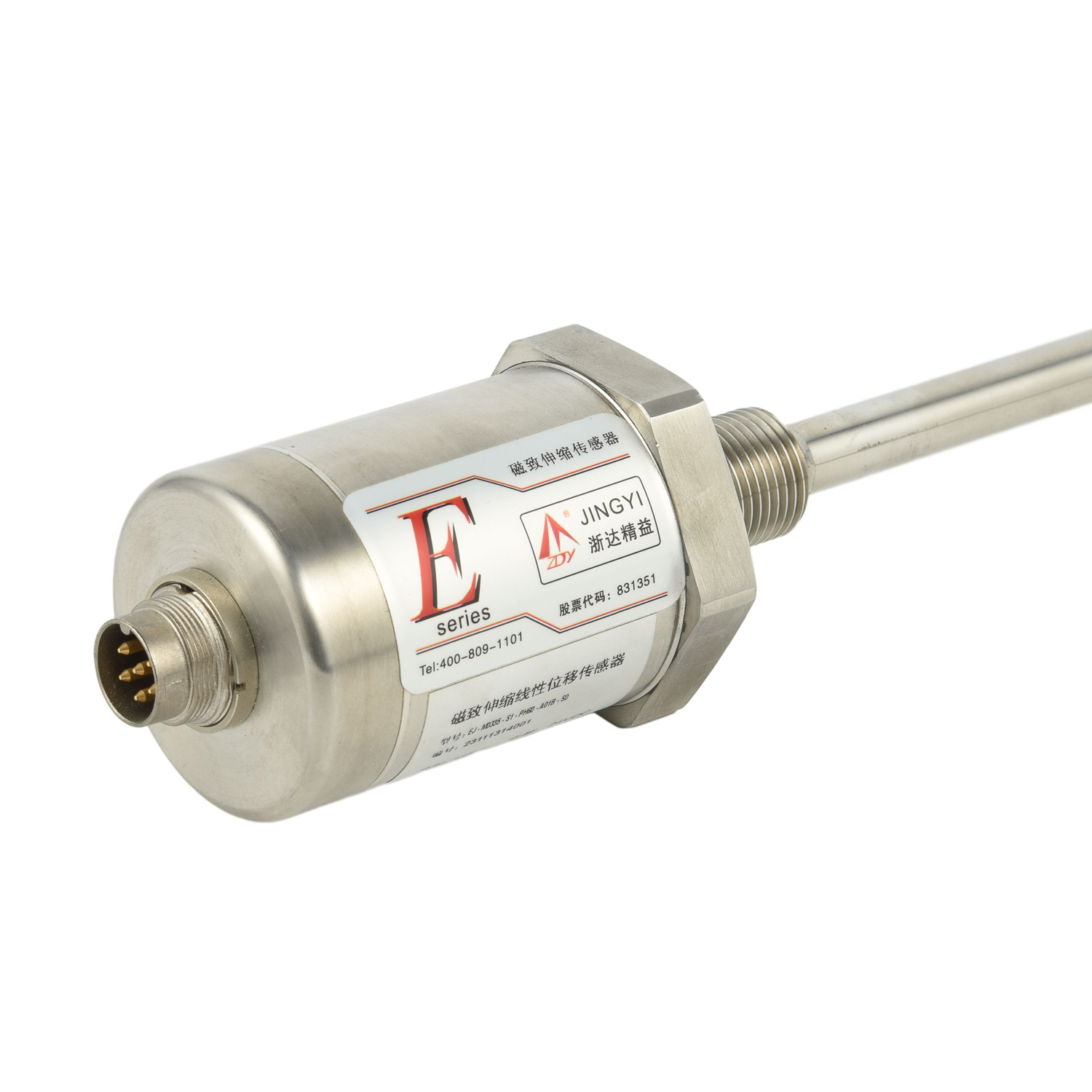 Technical Parameters of High-t
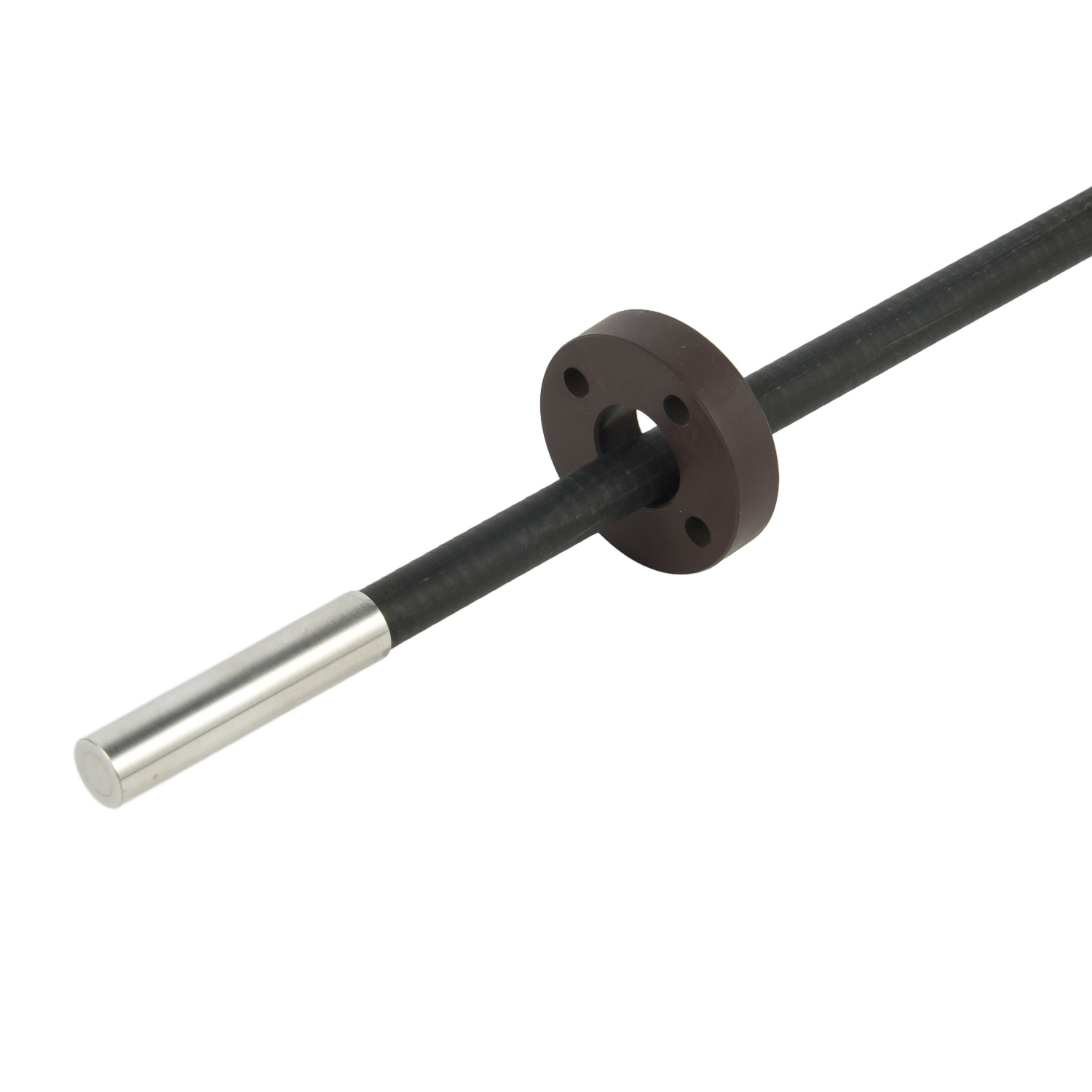 Waterproof LVDT Displacement S
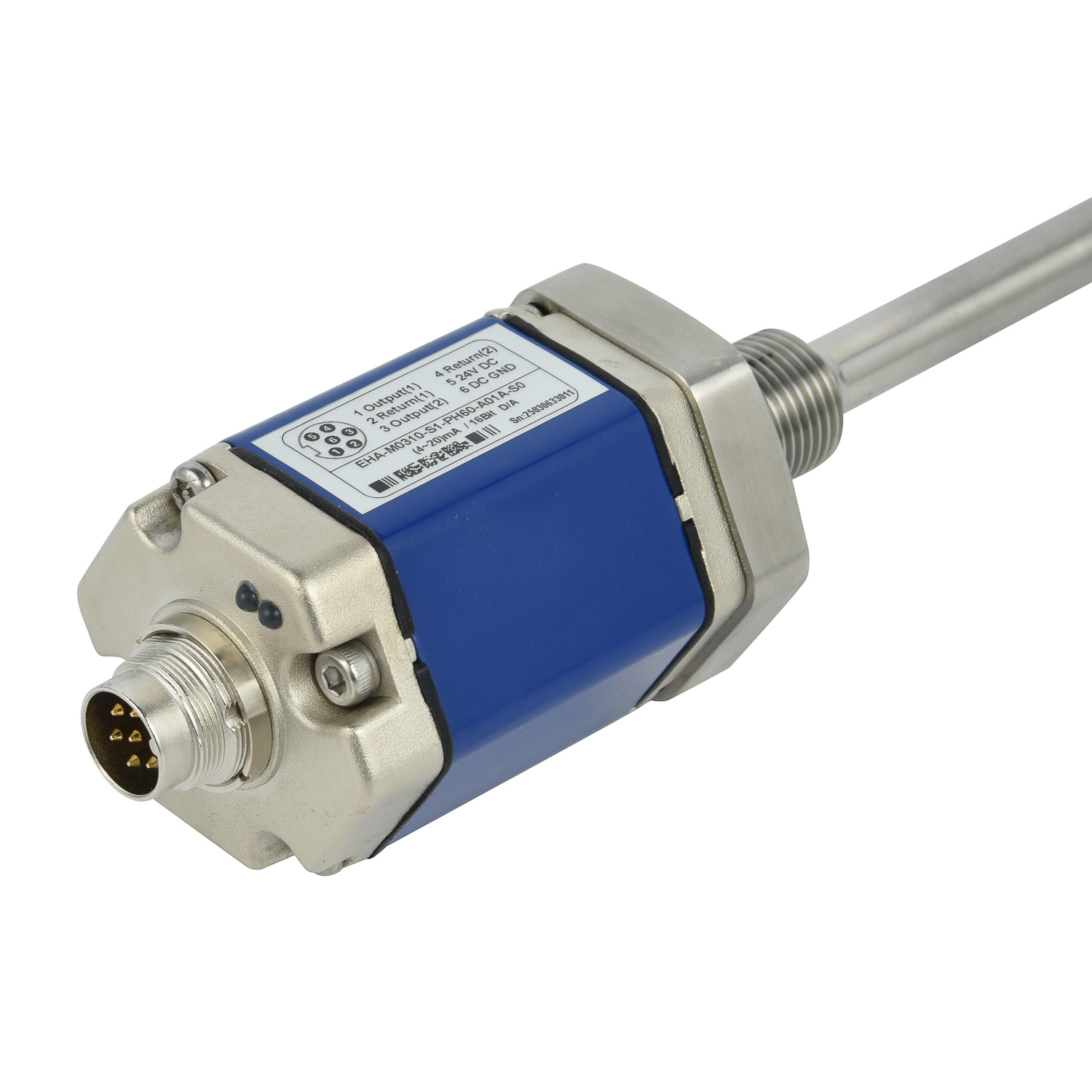 Intrinsically Safe Explosion-p
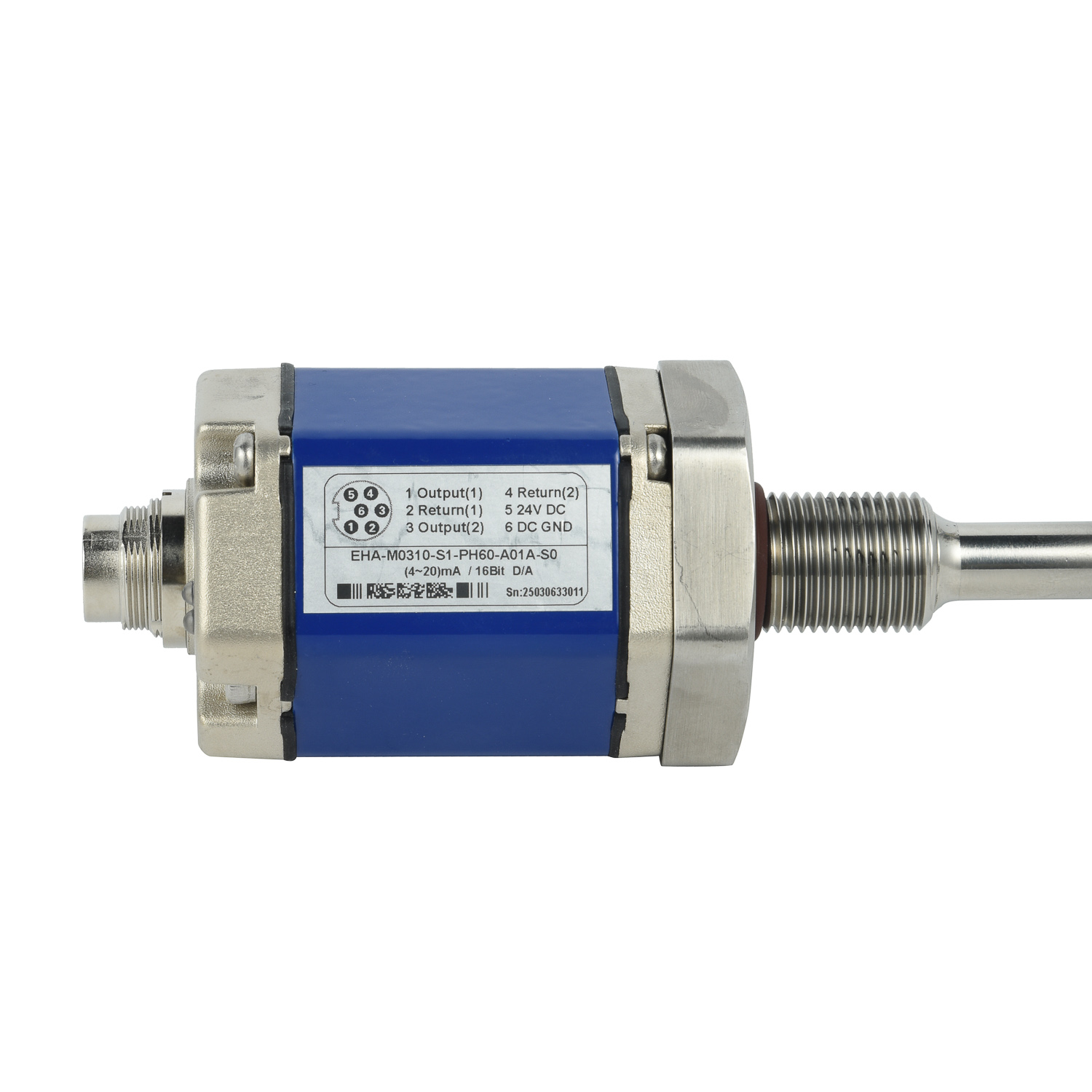 Explosion-proof LVDT Displacem