
Intrinsically Safe Explosion-proof LVDT Displacement Sensor Selection
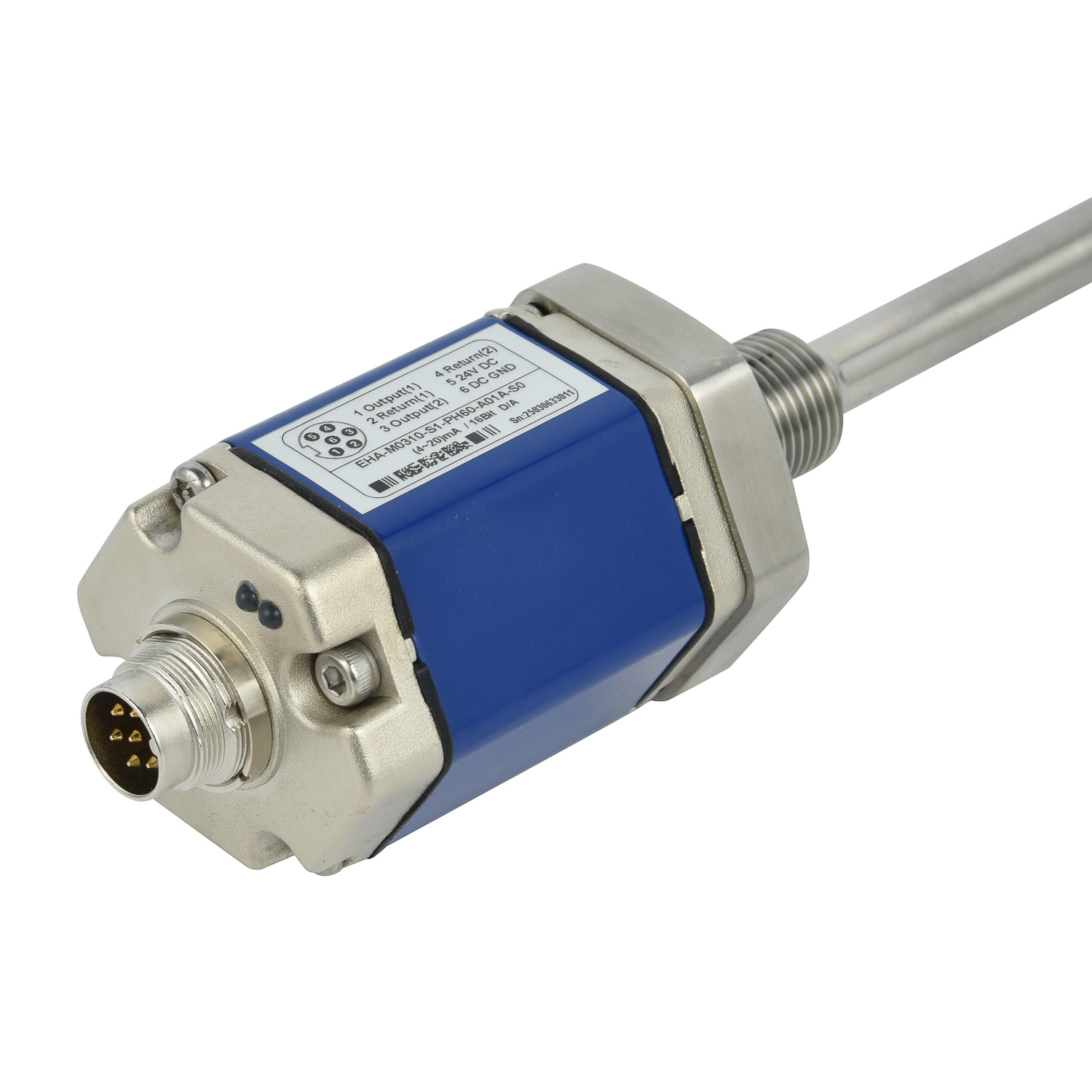
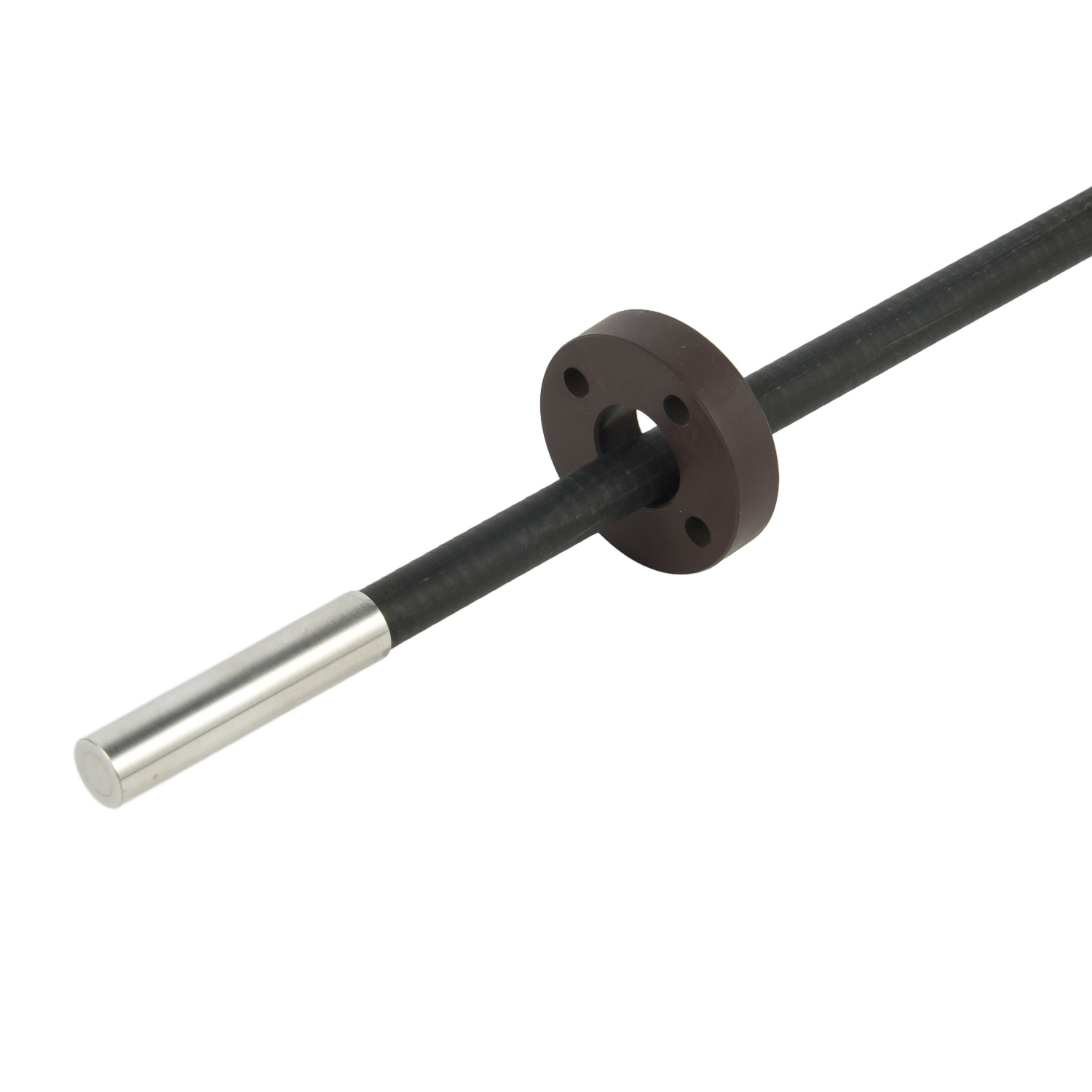
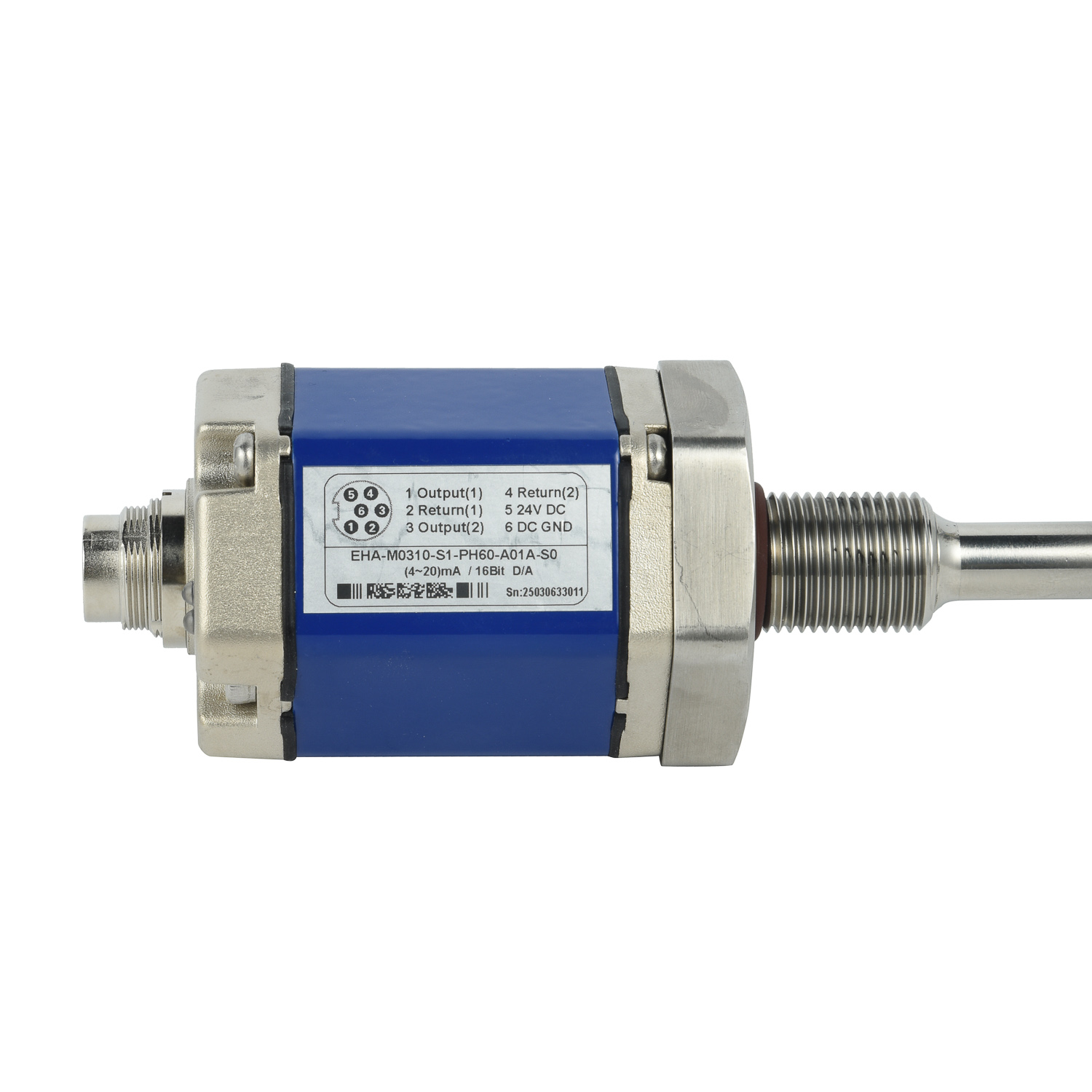
Selecting an intrinsically safe explosion-proof LVDT displacement sensor starts with the hazardous area classification and required certification. Confirm the zone, gas group, temperature class, and whether ATEX, IECEx, or UL approval is needed. The sensor must be paired with a suitable galvanic isolator or safety barrier; verify entity parameters such as Ui, Ii, Pi, Ci, and Li against the barrier and cable values. Choose a robust stainless-steel housing, sealed connector, and suitable IP rating for dust, moisture, washdown, or corrosive conditions. Define the measuring range, linearity, resolution, repeatability, and operating temperature before comparing models. Check the LVDT's excitation frequency, output signal, and compatibility with the monitoring system. Verify response time, residual ripple, and zero-point stability under the expected stroke and load. Confirm thread, core connection, and lead exit match the mounting plan. Mechanical factors matter too: core-to-body clearance, mounting orientation, vibration, shock, and cable routing. Use shielded twisted-pair cable, single-point grounding, and strain relief to reduce noise and installation risk. For maintenance, select a design that allows calibration checks without opening the enclosure. Obtain calibration records and traceable test data. Finally, request the certificate, control drawing, and installation manual, and confirm that the complete loop—not just the sensor—meets the intrinsic safety requirements.
 Waterproof LVDT Displacement S
Intrinsically Safe Explosion-p
 Explosion-proof LVDT Displacem
 LVDT Displacement Sensor for D