
LVDT Displacement Sensor for Die Casting Machines
Die casting machines depend on reliable position feedback to control injection, clamping, die height, and ejection with repeatable precision. An LVDT displacement sensor is a strong choice for these tasks because it provides frictionless linear measurement with high resolution, excellent repeatability, and long service life. Unlike potentiometers, an LVDT has no sliding contact, so wear, dead zones, and signal noise are reduced in high-cycle production. In the injection stage, the sensor monitors shot position and helps the controller switch from velocity to pressure at the correct point. This supports stable mold filling, repeatable intensification, and fewer rejects. For clamping and die-height adjustment, LVDT feedback protects the die and improves setup consistency. Die casting is harsh: heat, vibration, shock, lubricant mist, and electromagnetic interference are common. Select an LVDT with a stainless steel or sealed housing, high temperature rating, shielded cable, and robust mounting. Choose the stroke, linearity, output signal, and IP rating to match the machine controller and shop-floor conditions. A spring-loaded or guided probe can simplify installation where mechanical reference is needed. Typical outputs include 4–20 mA, 0–10 V, or digital formats through a signal conditioner for PLC integration. Use temperature-compensated models and mount the body away from direct heat where possible. During maintenance, confirm probe alignment and inspect connectors for metal dust or coolant ingress. Regular zero checks, cable inspection, and calibration keep performance stable. With the right model and installation, an LVDT displacement sensor improves accuracy, uptime, and process control in die casting machines.

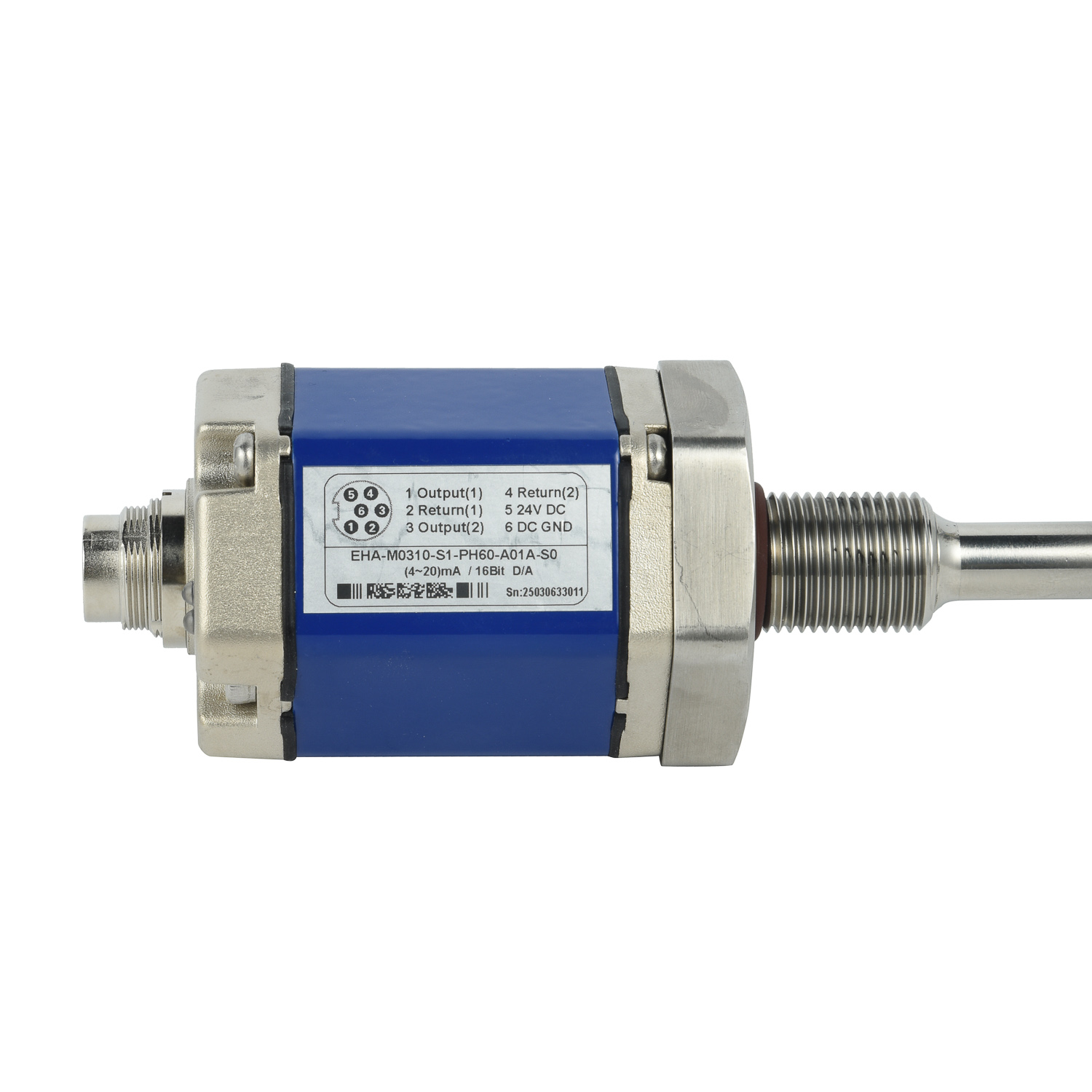 Explosion-proof LVDT Displacem
LVDT Displacement Sensor for D
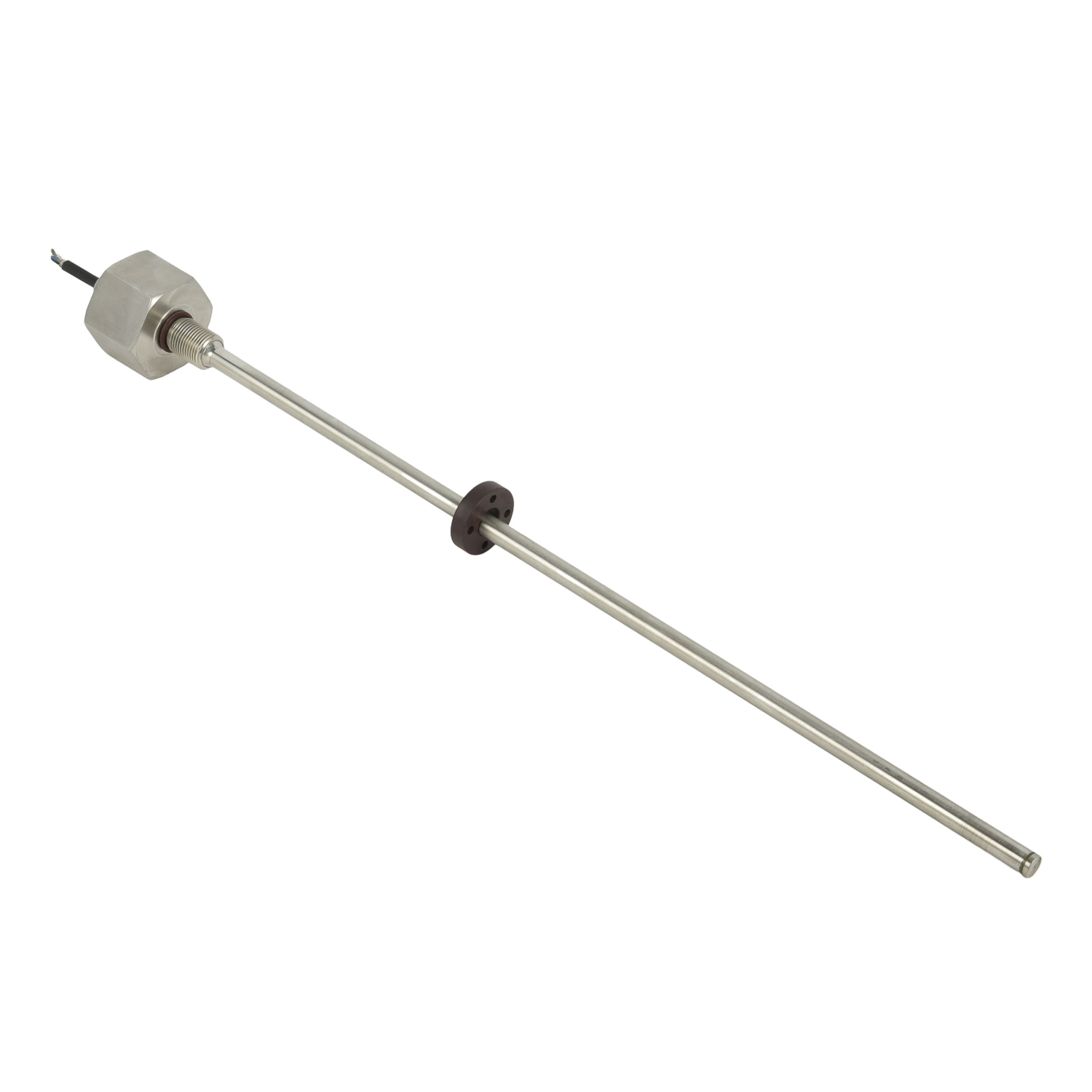 LVDT Displacement Sensor for I
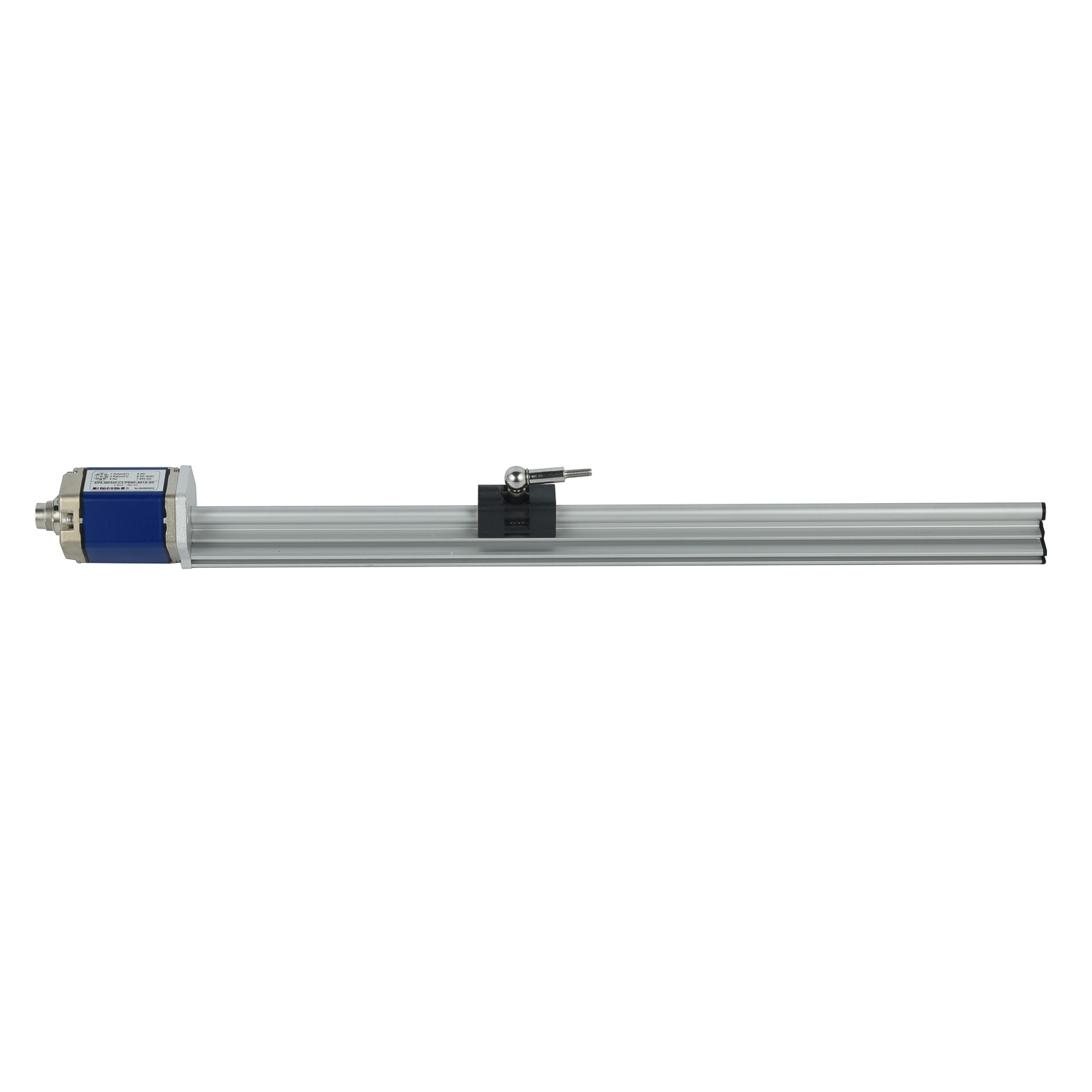 LVDT Displacement Sensor for H