
Electromagnetic Ultrasonic Thickness Probe
An electromagnetic ultrasonic thickness probe measures material thickness without contact or couplant. Based on electromagnetic acoustic transducer (EMAT) technology, it generates and receives ultrasonic waves through electromagnetic induction. A high-frequency coil creates eddy currents near a conductive surface; these interact with a static magnetic field to produce ultrasonic waves. Returning echoes reveal thickness.
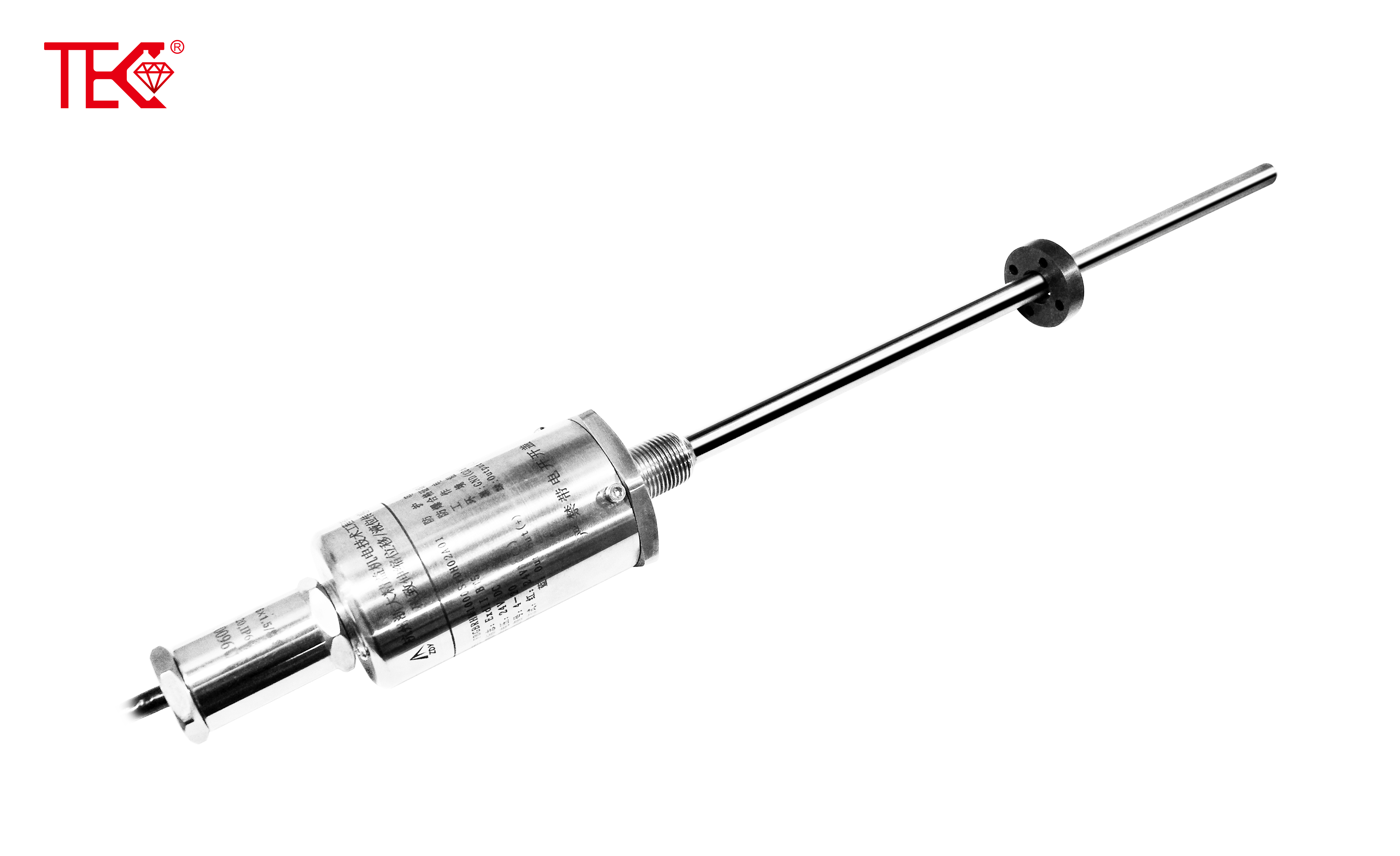
This design works on rough, coated, or hot surfaces, making it ideal for pipelines, tanks, steel plates, and pressure vessels. No couplant means faster, cleaner inspection, especially in automated or online systems. It also supports high-temperature and remote testing, helping detect corrosion and erosion. It is widely used in oil, gas, power, and manufacturing.
EMAT probes are best for conductive materials such as steel, aluminum, and copper. Signal strength may be lower than piezoelectric probes, and lift-off, surface condition, and material properties affect accuracy. Calibration with reference blocks is essential. Proper setup ensures stable signals and accurate readings.
When selecting a probe, consider frequency, temperature range, material, and resolution. Regular inspection and coupling-free positioning support reliable results. Advances are making electromagnetic ultrasonic thickness probes more compact, intelligent, and useful for predictive maintenance and safer industrial inspection. The method is non-destructive and supports safer decisions.
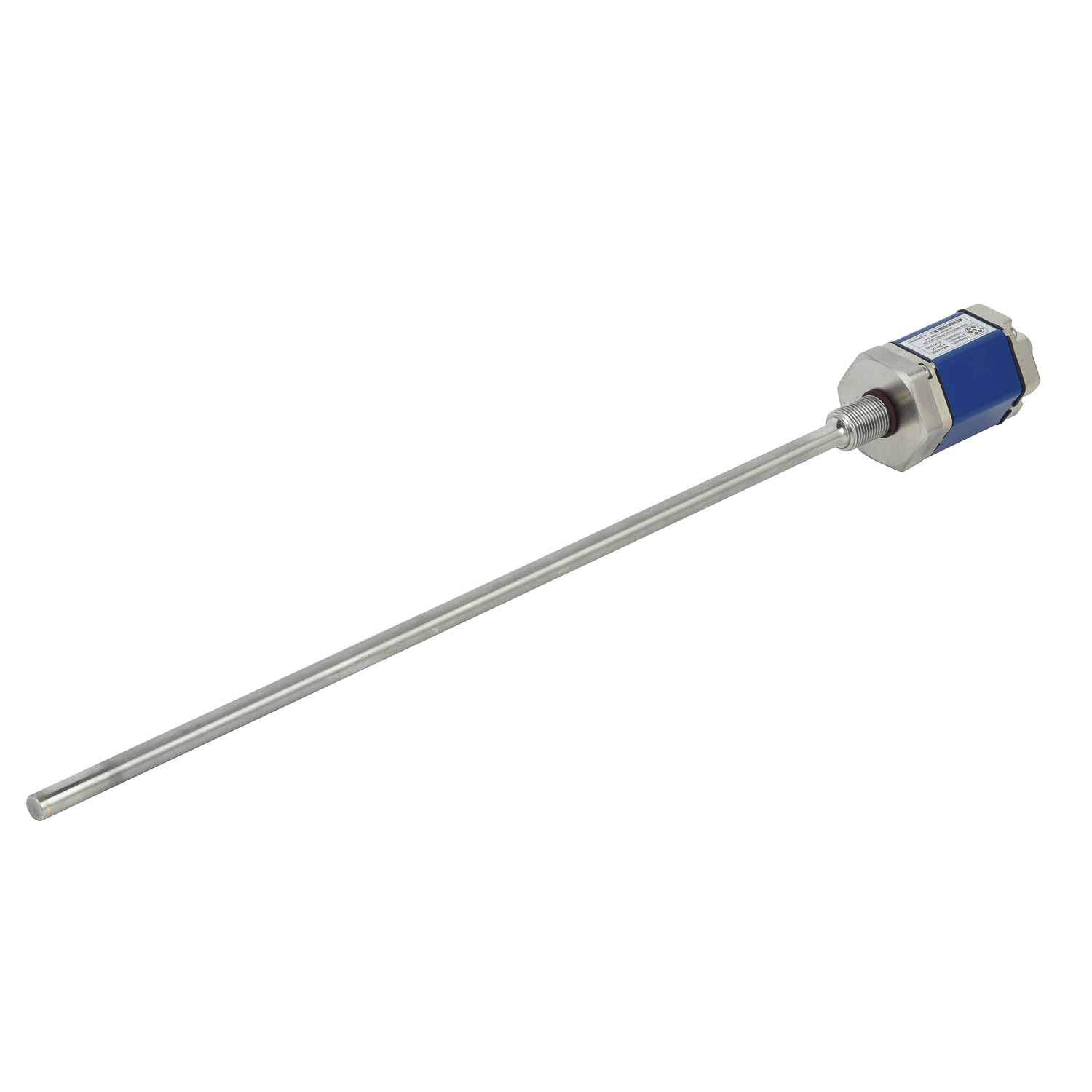 Field Application of Rod-type
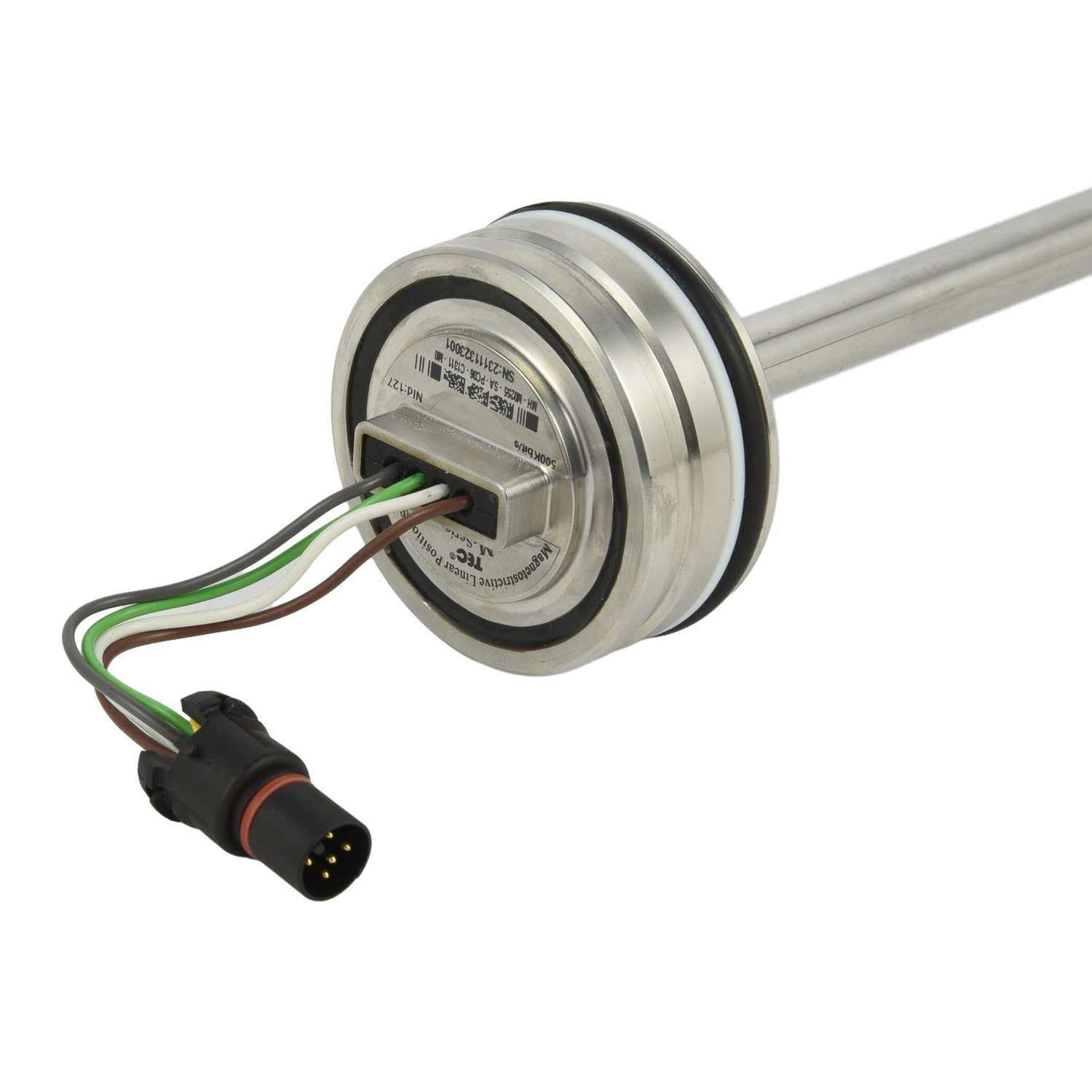 Model and Specification of Fla
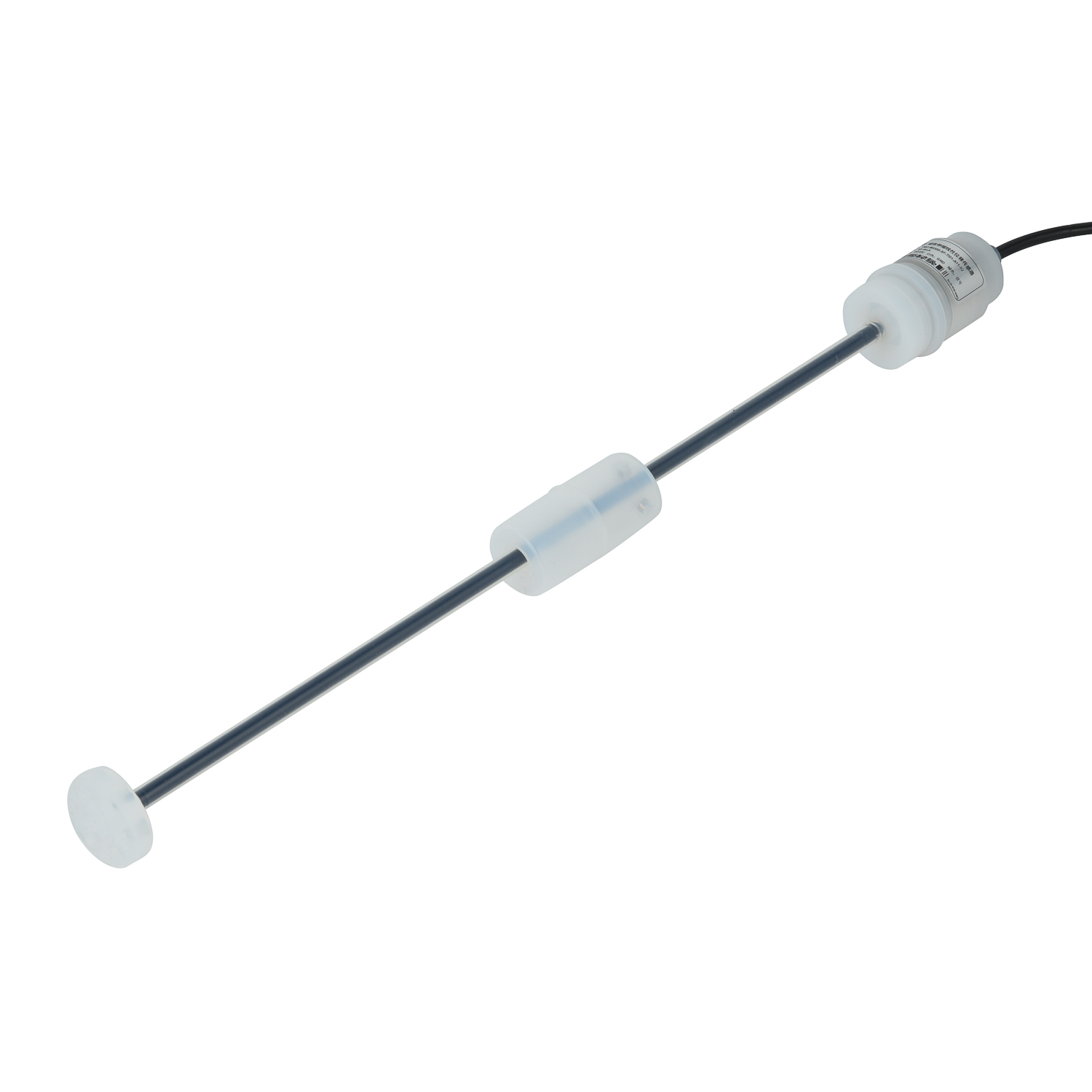 Import Substitute Non-contact
 Installation Method of Built-i