
Field Application of Rod-type LVDT Displacement Sensor
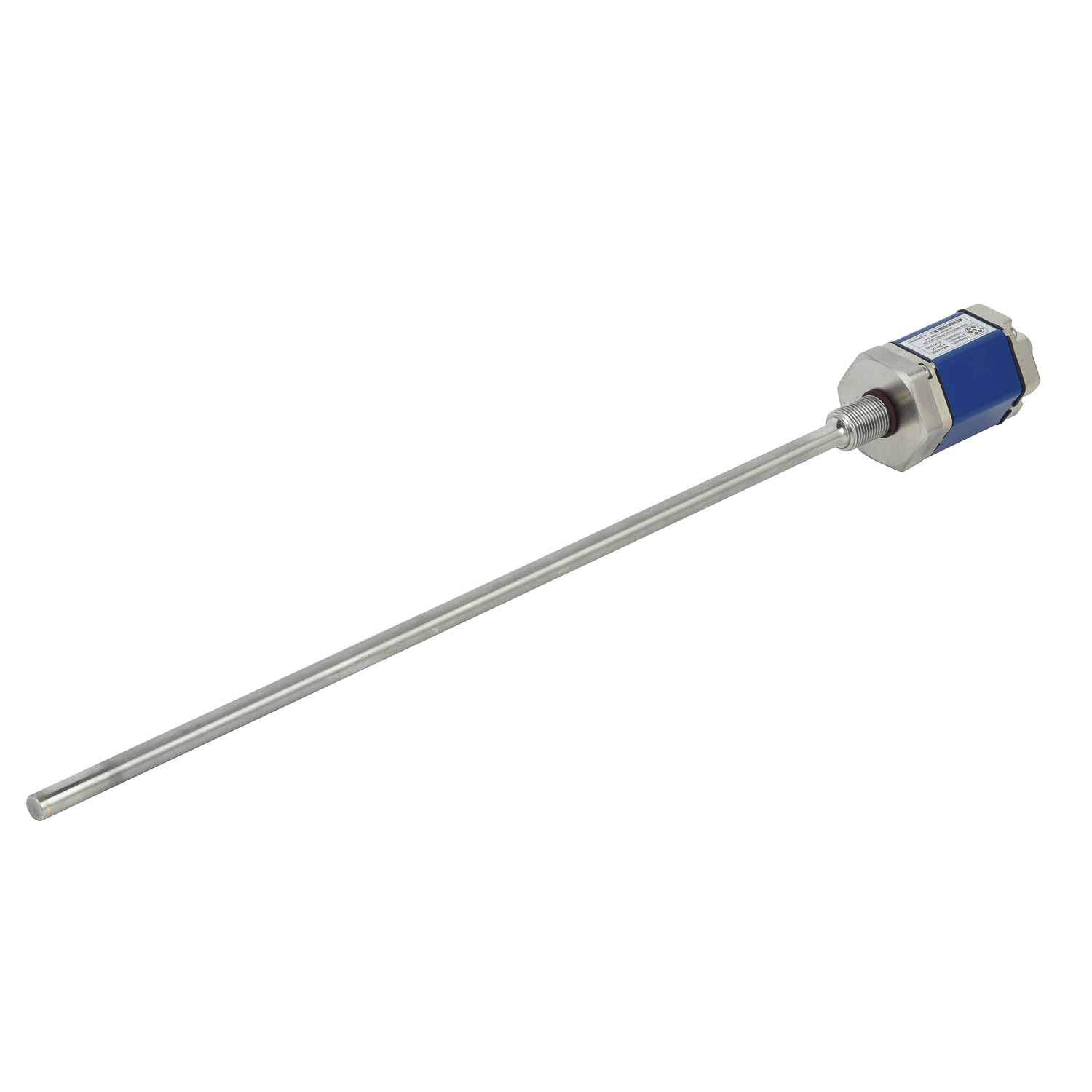
Rod-type LVDT displacement sensors are widely used in field applications where reliable linear position feedback is required under harsh conditions. Their rugged stainless-steel housing, sealed construction, and guided rod make them suitable for outdoor machinery, hydraulic systems, civil structures, and industrial test rigs. Unlike fragile open-coil sensors, the rod-type design protects the core and windings from dust, moisture, vibration, and mechanical impact.
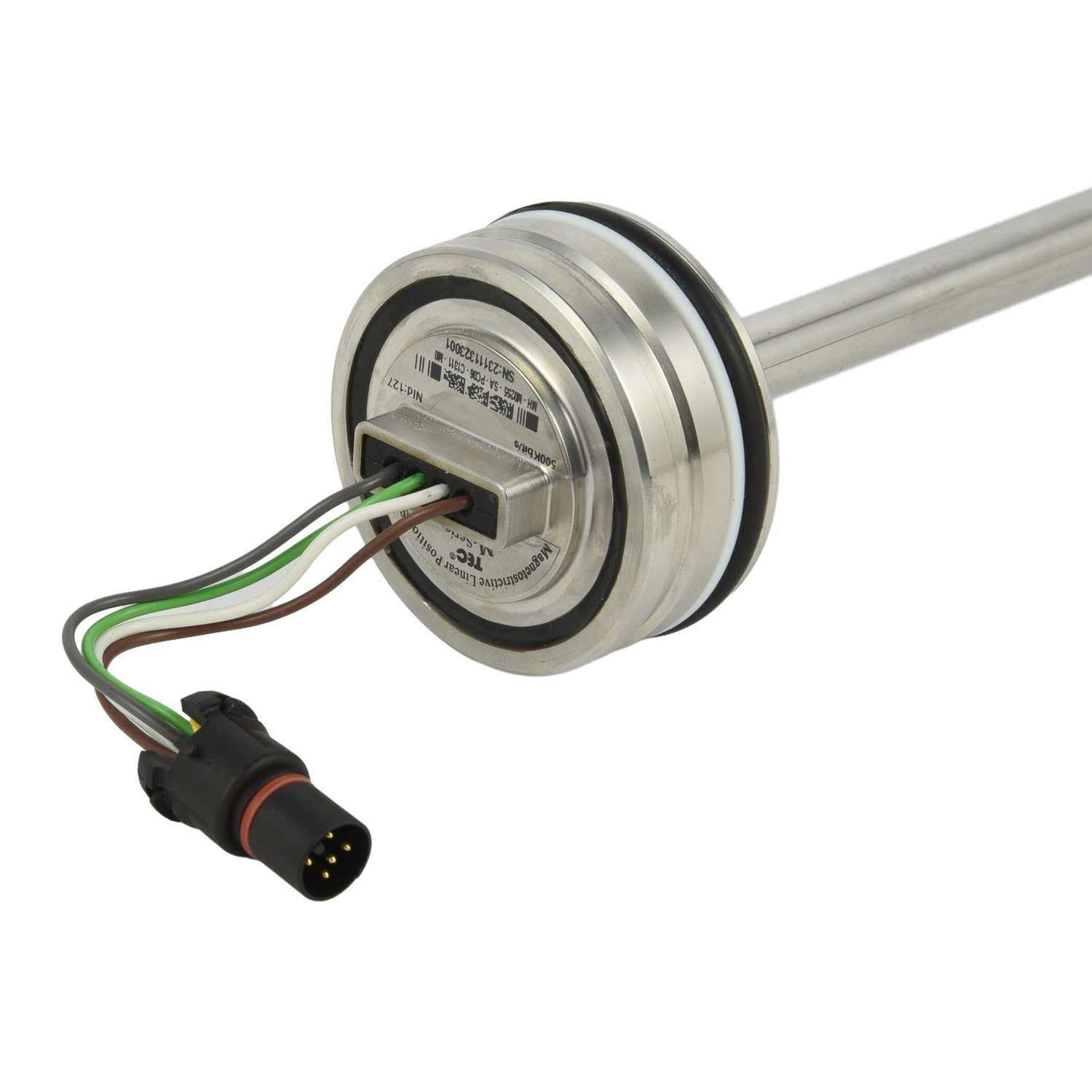
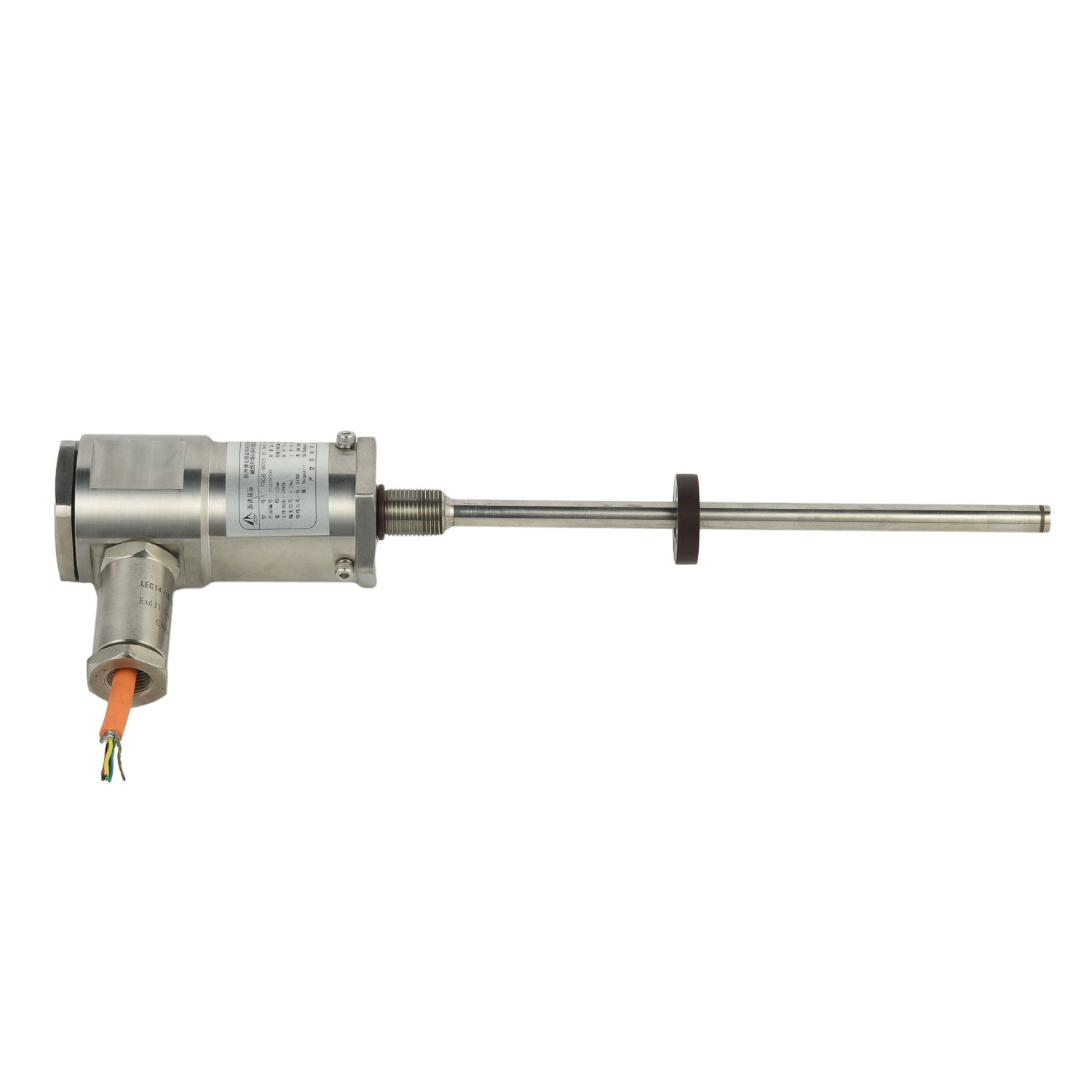
In field installation, the sensor body is mounted to a fixed reference while the rod connects to the moving part. Careful alignment reduces side loading and extends service life. A stable AC excitation and a matching signal conditioner convert the differential output into a linear DC signal. Shielded cables and proper grounding minimize electrical noise from motors, valves, and welding equipment. For long cable runs, remote signal conditioning is often preferred.
Typical applications include monitoring dam gates, bridge bearings, pipeline expansion, press rolls, and agricultural equipment. The sensor also supports predictive maintenance by detecting small position drift before failure. In cold or hot climates, temperature compensation and IP-rated connectors preserve accuracy. Regular inspection of rod wear, mounting tightness, and cable condition keeps field measurements dependable. With correct selection and installation, rod-type LVDTs deliver repeatable displacement data for years, supporting reliable field uses.
 Field Application of Rod-type
 Model and Specification of Fla
 Import Substitute Non-contact
 Installation Method of Built-i