
Import Substitute Non-contact LVDT Displacement Sensor
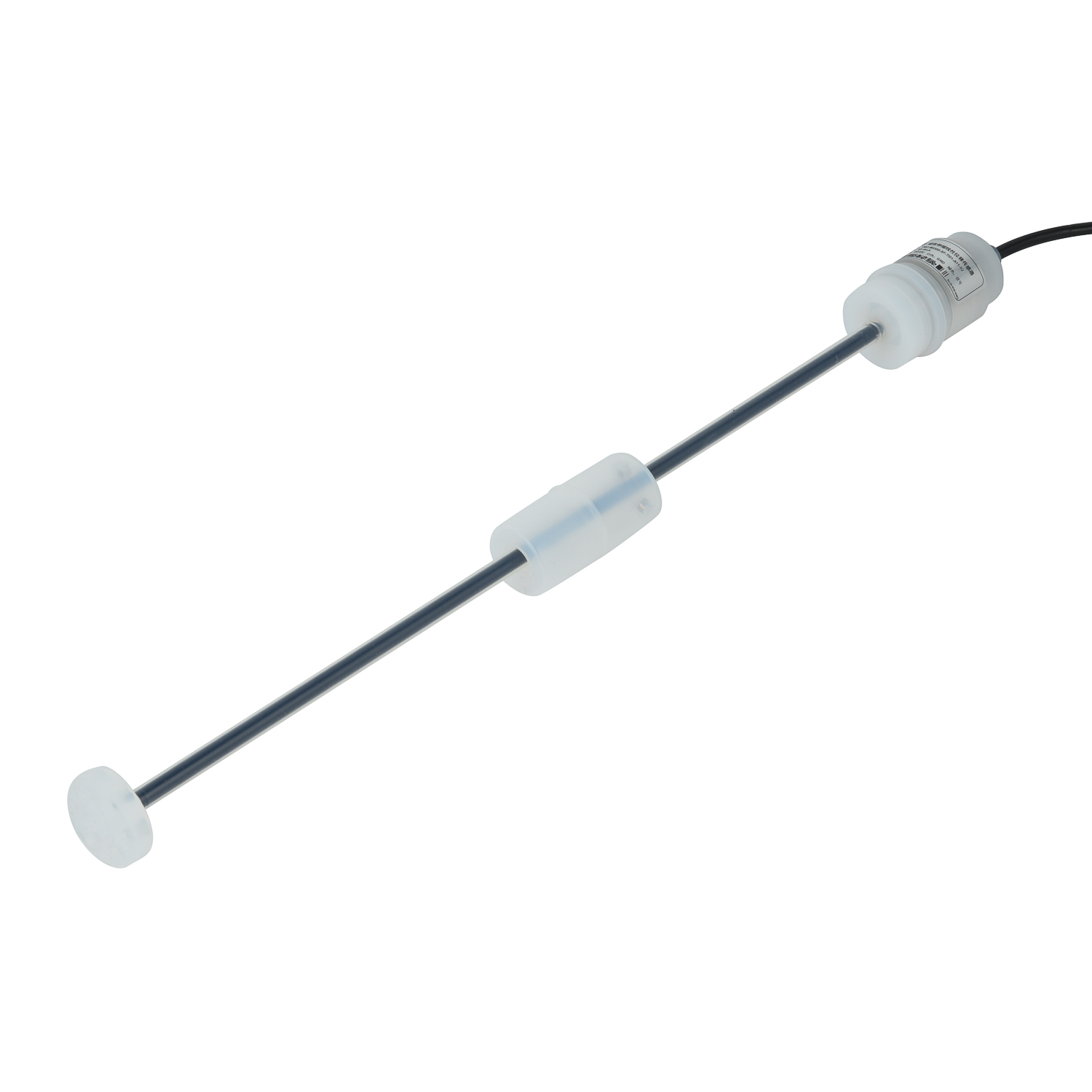
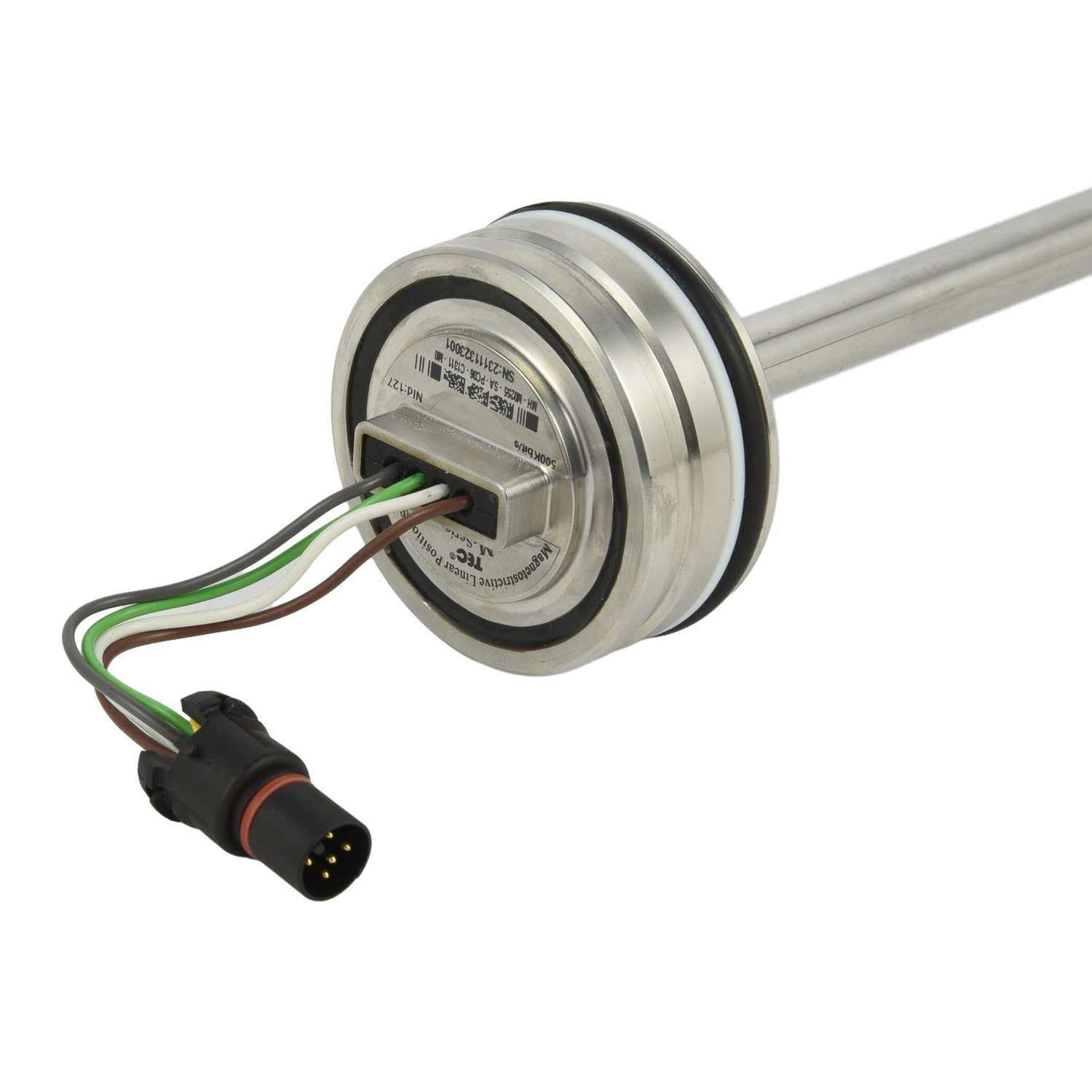
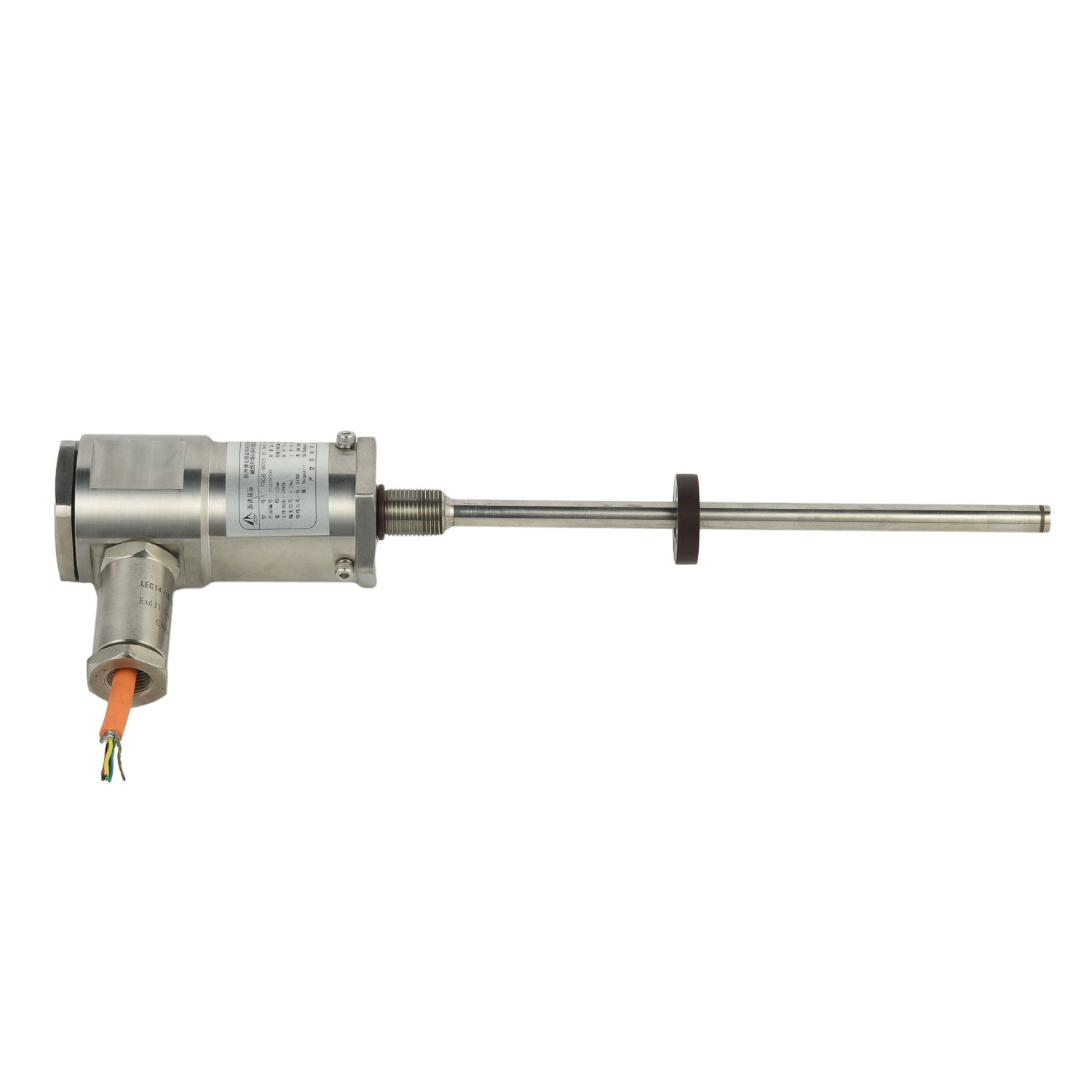
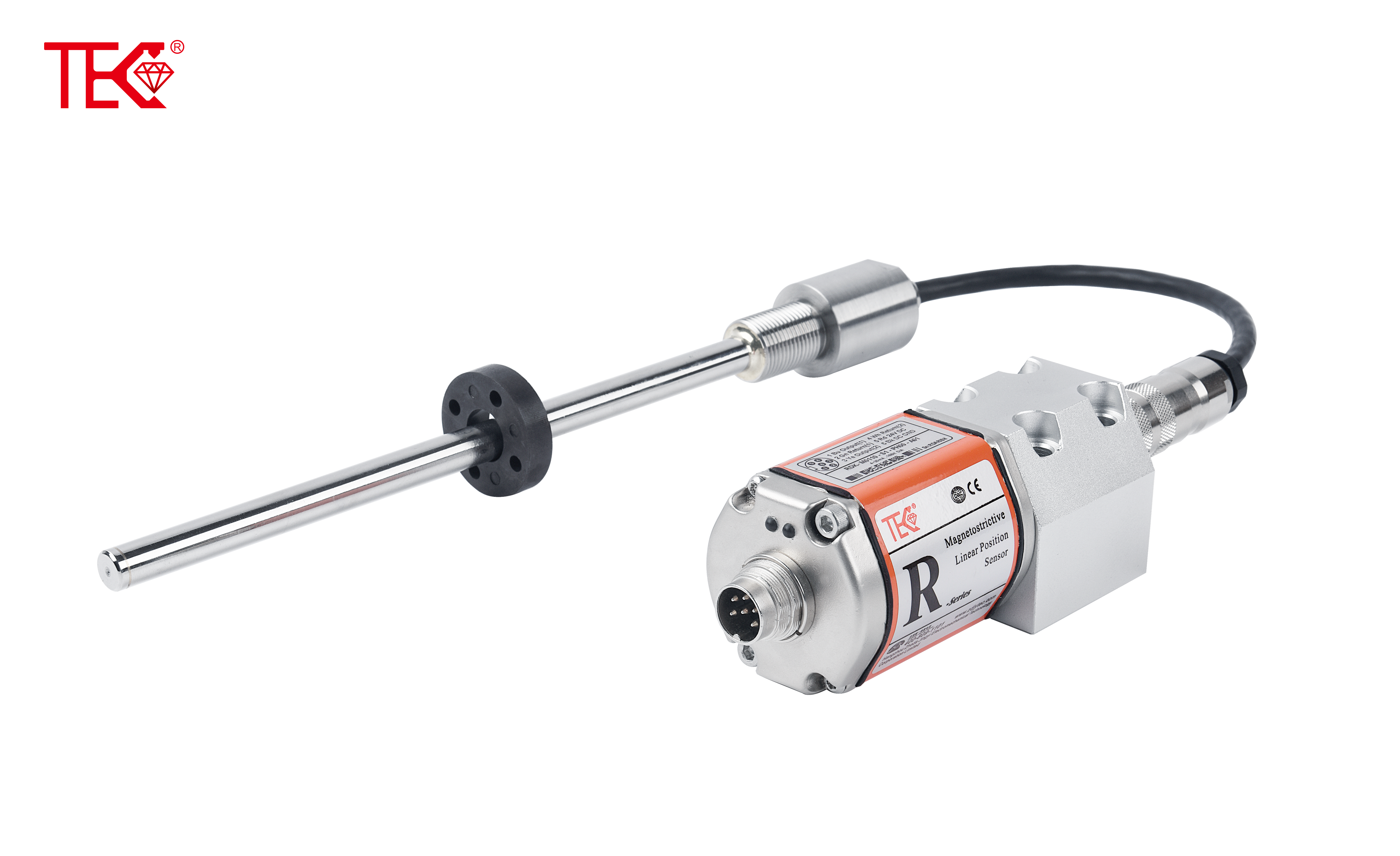
Import substitute non-contact LVDT displacement sensors offer a reliable way to replace imported units without compromising measurement quality. Using inductive sensing, the sensor measures linear position without physical contact between core and coil, so it avoids wear, friction, and mechanical binding. This makes it suitable for long-term use in hydraulic systems, valve position feedback, factory automation, test benches, and energy equipment. A well-designed import substitute model matches common electrical interfaces, stroke ranges, and mounting dimensions, helping engineers reduce lead time and supply chain risk. It also supports stable output under vibration, temperature variation, and contamination. Unlike potentiometers, a non-contact LVDT has no sliding track to wear out, which improves service life and reduces maintenance. With robust coils, sealed housings, and precise calibration, these sensors deliver repeatable displacement data for closed-loop control and condition monitoring. Typical options include voltage or current output, short or long stroke lengths, and IP-rated cables for harsh areas. They are also easier to integrate into new and existing machines because wiring, threading, and connectors can follow familiar industry standards. For OEMs and maintenance teams, choosing a qualified domestic alternative can lower costs while maintaining accuracy, durability, and compatibility. Careful selection of range, output signal, IP rating, and operating temperature ensures the sensor meets the application. By validating performance against original specifications, users can adopt non-contact LVDT displacement sensors with confidence and achieve dependable import substitution in motion control systems.
 Model and Specification of Fla
Import Substitute Non-contact
 Installation Method of Built-i
 Working Principle of High-pres