
Technical Parameters of Crane and Trolley Positioning
Crane and trolley positioning depends on measurable technical parameters that define how accurately, repeatably, and safely a load moves. Positioning accuracy, in millimeters, is the maximum difference between the commanded target and the actual stop point. Repeatability describes variation when the crane returns to the same position. High repeatability supports automated cycles, precise stacking, and collision avoidance.
Speed and acceleration affect cycle time and load stability. Trolley speed may range from 0.5 to 80 m/min; bridge travel can be faster. Acceleration and deceleration must be limited to prevent load swing, wheel slip, and structural stress. Anti-sway control uses encoders, laser distance sensors, or vision. Encoder resolution, sensor sampling rate, and control cycle time determine real-time response. A PLC or dedicated controller updates position every 10 to 100 ms.
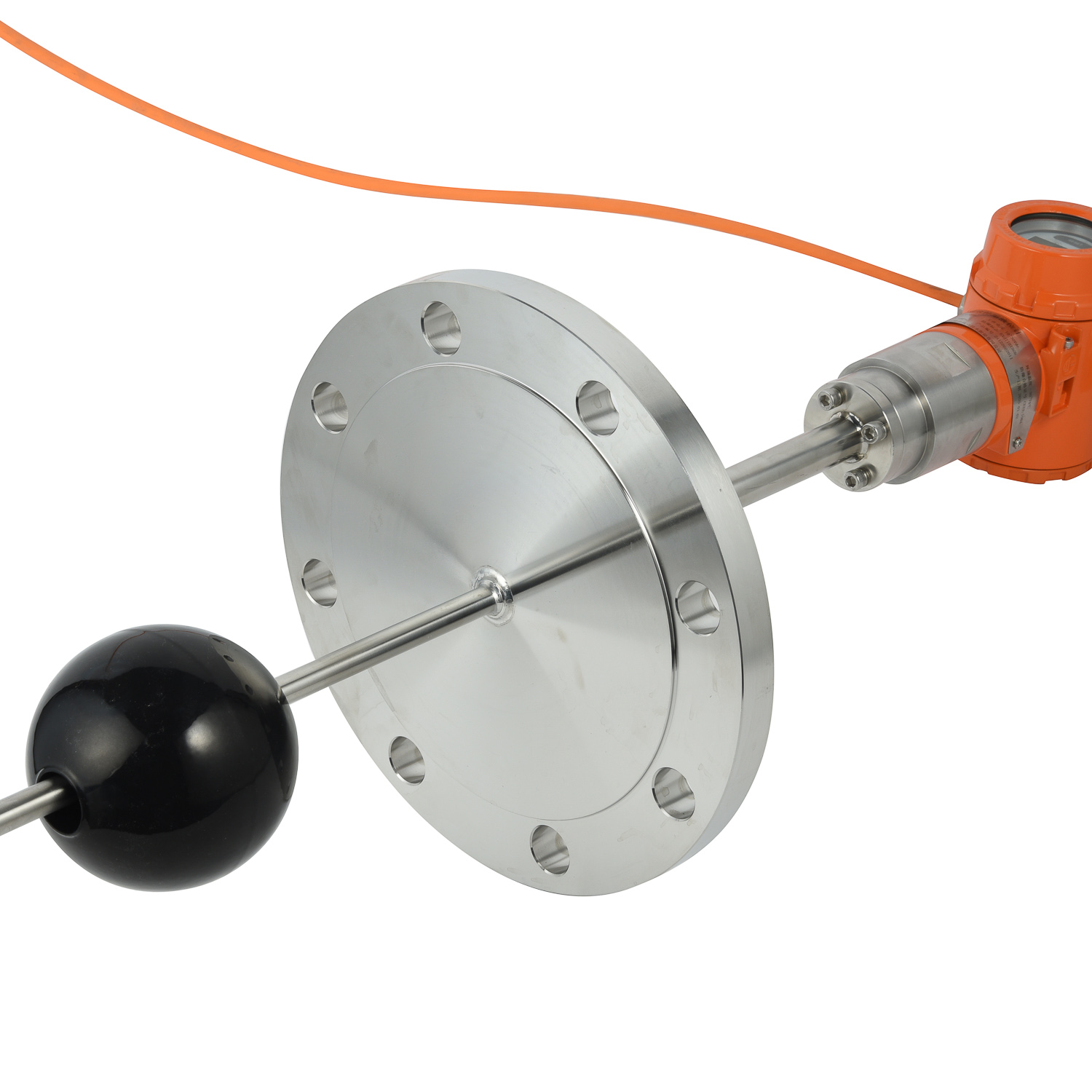
Communication matters: PROFINET, EtherCAT, Modbus TCP, and CANopen transmit position data between drives, sensors, and controllers. Braking distance, dead-band, and tolerance windows must match the application. Dust, temperature, vibration, and rail condition influence sensor choice. Outdoor cranes may use GNSS or laser tracking; indoor trolleys often use barcode, QR code, or laser ranging. Commissioning verifies accuracy, repeatability, speed, and safety interlocks under full load. These parameters create a reliable crane and trolley positioning system.
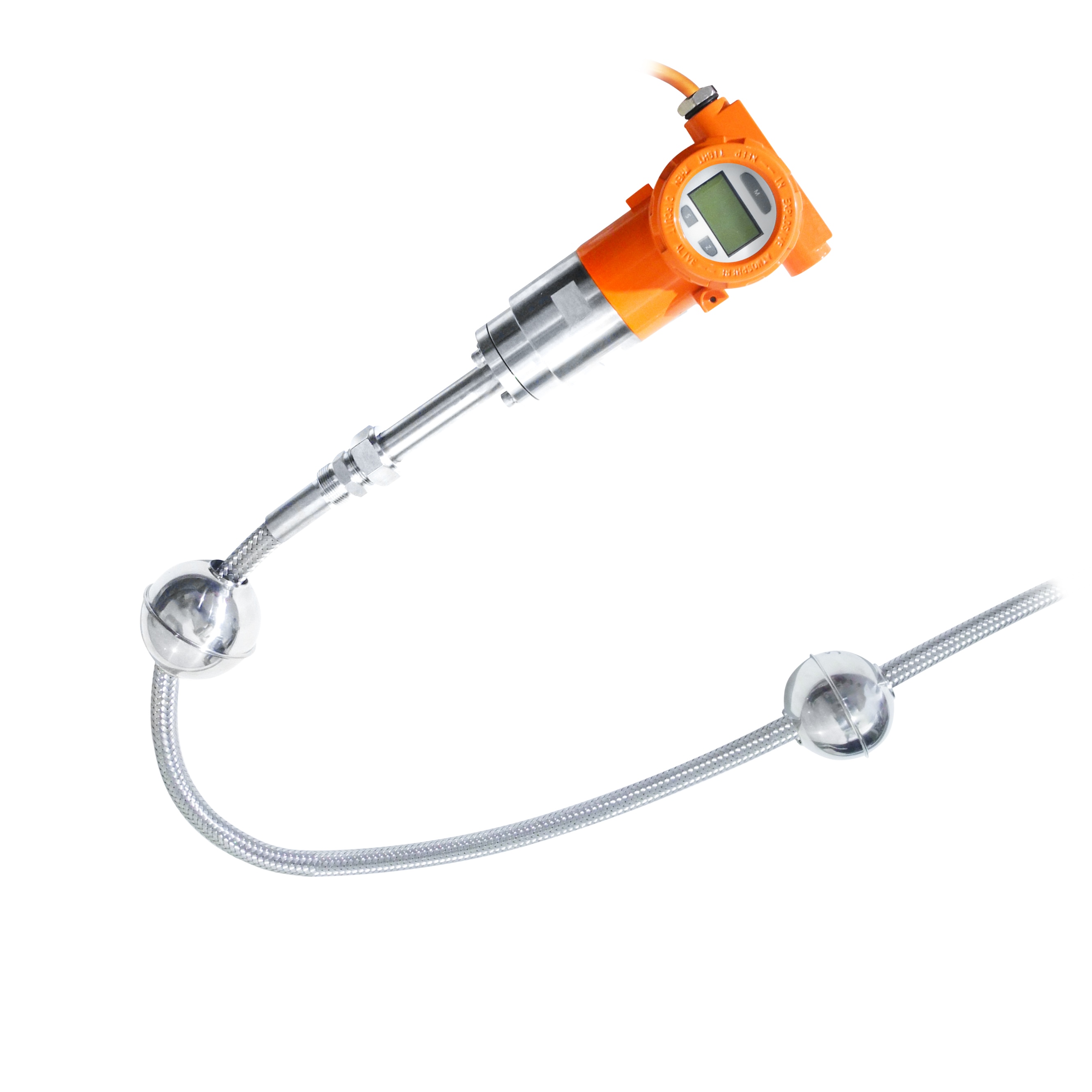 High-pressure Electromagnetic
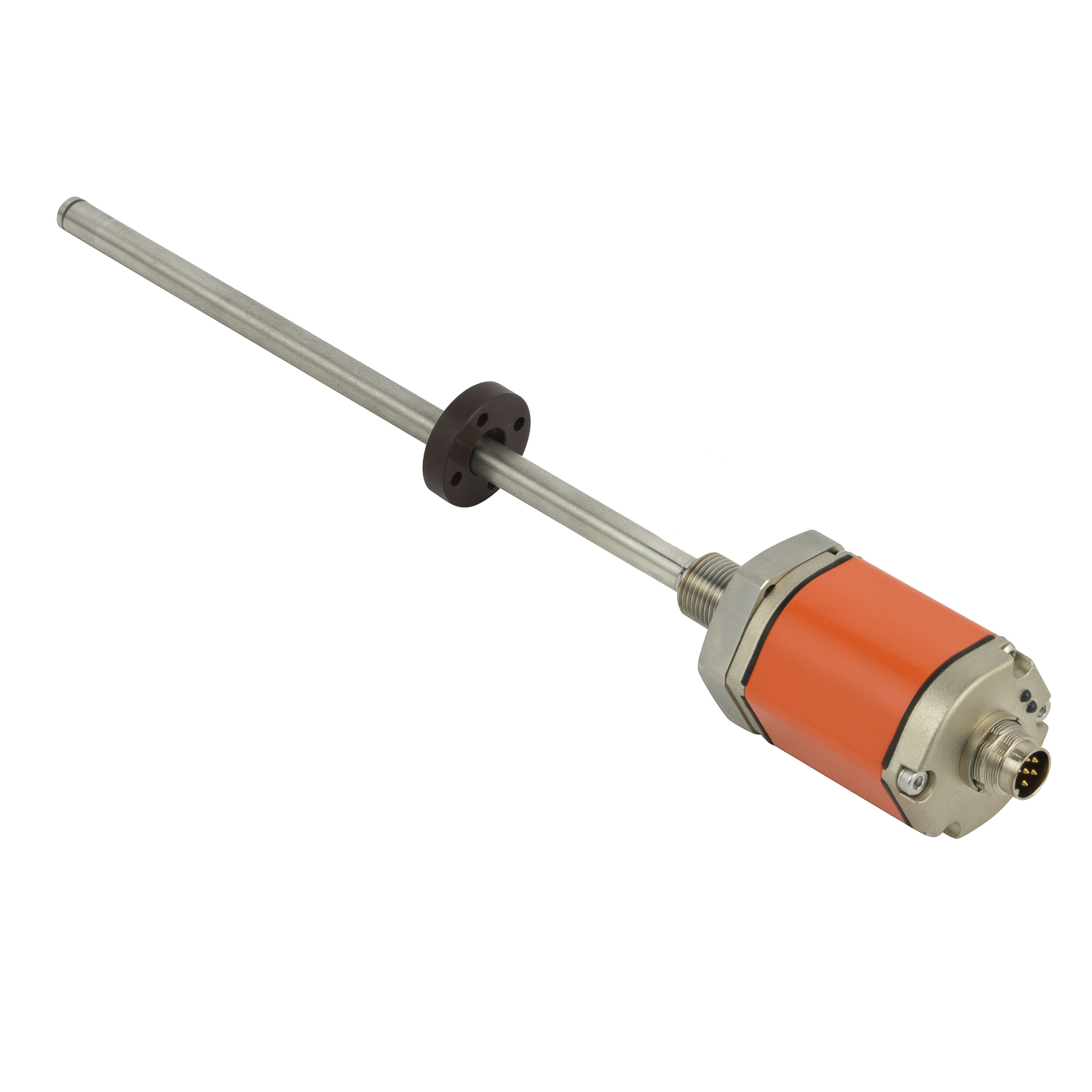 High-temperature Electromagnet
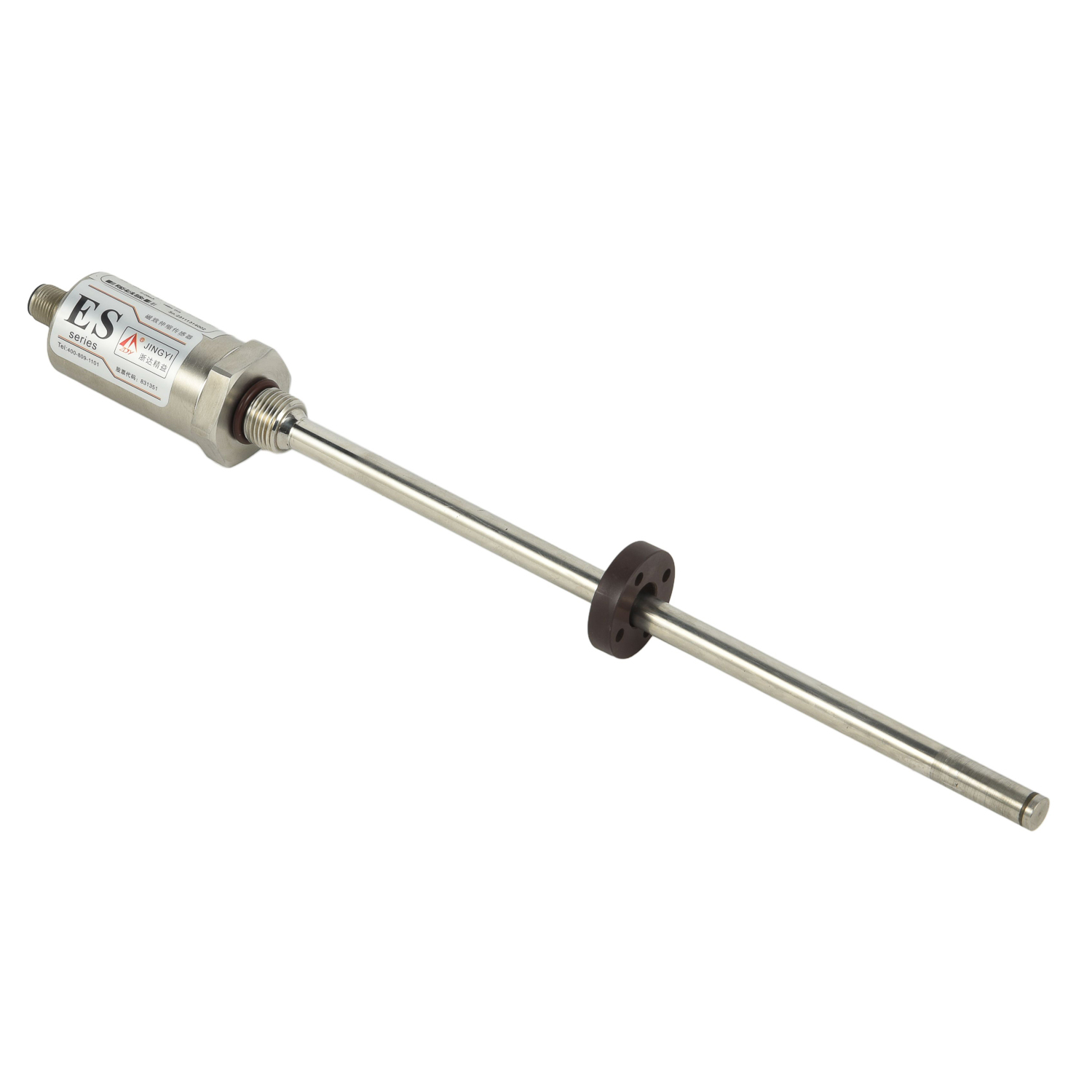 Waterproof Electromagnetic Flo
 Intrinsically Safe Explosion-p