
Working Principle of Crane and Trolley Positioning
Crane and trolley positioning systems ensure safe, accurate load movement in ports and factories. They combine motion, sensors, control logic, and feedback. A crane travels along a runway; a trolley moves across the bridge; the hoist controls vertical movement.
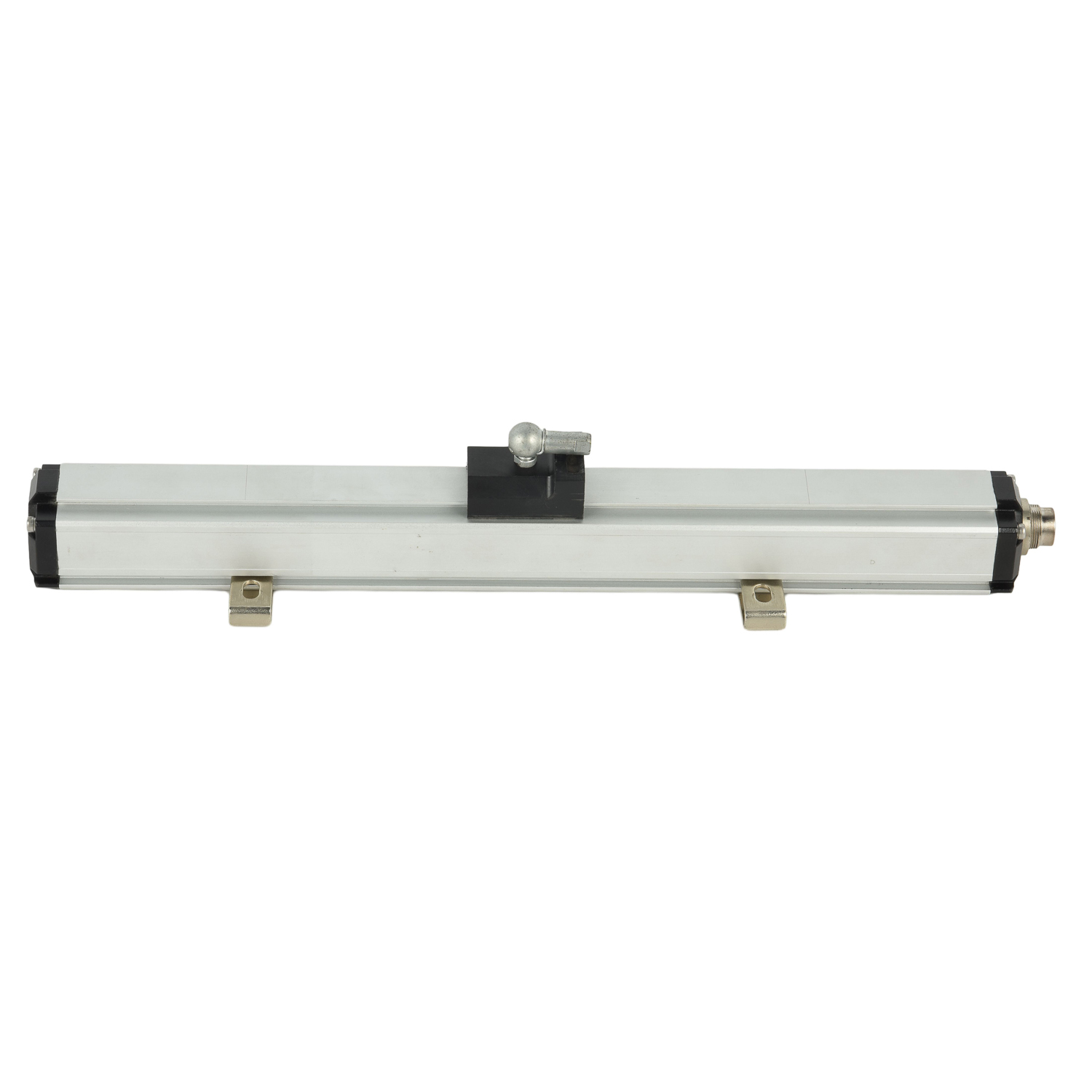
The cycle starts with a command. A PLC compares the target coordinate with the current position from encoders, laser sensors, or barcode readers. The difference is the error. It sends speed and direction signals to variable frequency drives. Motors accelerate or decelerate the crane and trolley.
Feedback is critical. Encoders on wheels or rails count pulses and calculate distance. Laser sensors measure distance to a reflector. GPS or RFID tags provide correction. Cameras and LiDAR detect obstacles. Sensor fusion improves accuracy when dust or rain weakens signals.
Closed-loop control keeps motion stable. PID or predictive control adjusts torque and braking. Anti-sway algorithms reduce load swing. Soft starts and stops protect the structure and help the hook stop at the target.
Brakes and limit switches add safety. At the target, the drive slows, the brake engages, and the PLC confirms the stop. Redundant sensors prevent overshoot, collision, and misalignment. Automated cranes receive coordinates from a warehouse system.
Thus, positioning works through a loop: command, measurement, comparison, correction, and verification. Accurate feedback, control, and reliable braking turn heavy machinery into precise handling equipment.
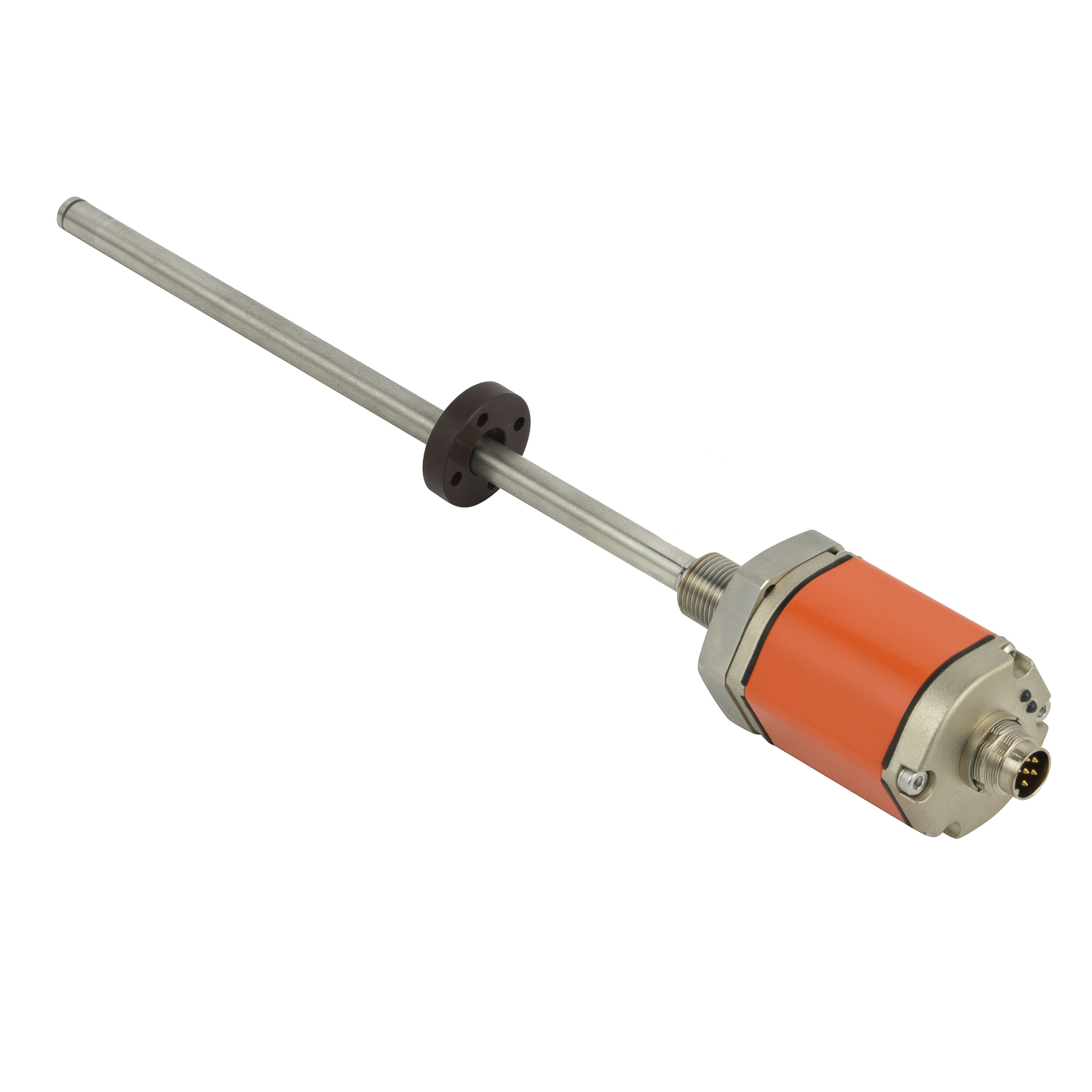 High-temperature Electromagnet
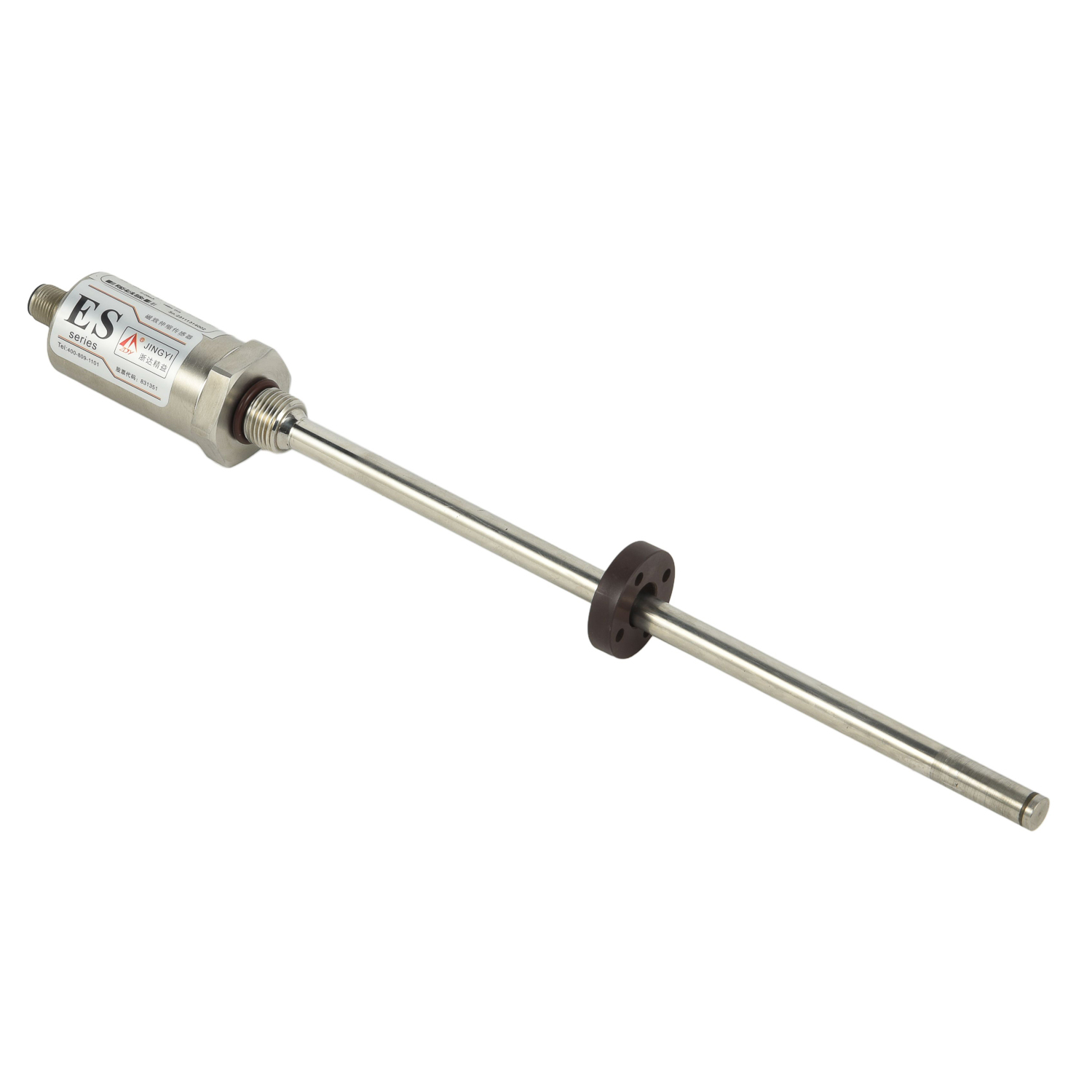 Waterproof Electromagnetic Flo
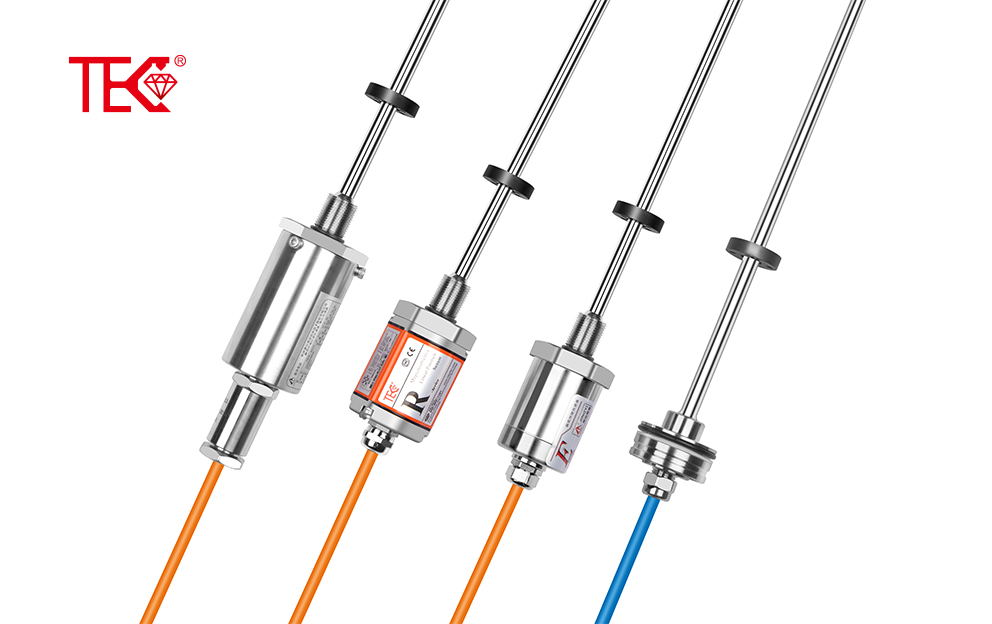 Intrinsically Safe Explosion-p
 Explosion-proof Electromagneti