
High-temperature Electromagnetic Flowmeter
High-temperature electromagnetic flowmeters measure the volumetric flow of conductive liquids in hot processes where standard sensors would fail. They use Faraday's law: a magnetic field creates a voltage in the flowing fluid, and electrodes convert that signal into flow rate.
The main challenge is heat. Above 150 C, ordinary liners, coils, and electronics may degrade. High-temperature models use ceramic or PFA liners, refractory-filled coils, high-temperature cables, and remote transmitters. Some handle media up to 350 C or higher. Remote mounting keeps sensitive electronics away from the hot pipe.
These meters suit molten salts, thermal oils, hot water, steam condensate, chemicals, and some liquid metals. They offer unobstructed flow, low pressure loss, high accuracy, and no moving parts. They require conductive fluids, so they are not ideal for hydrocarbons, gases, or pure water.
Installation matters. Mount the meter where the pipe stays full, with enough straight pipe upstream and downstream. Grounding rings reduce noise. For hot processes, thermal isolation and expansion loops protect the sensor. Check electrodes, liner condition, insulation resistance, and transmitter calibration.
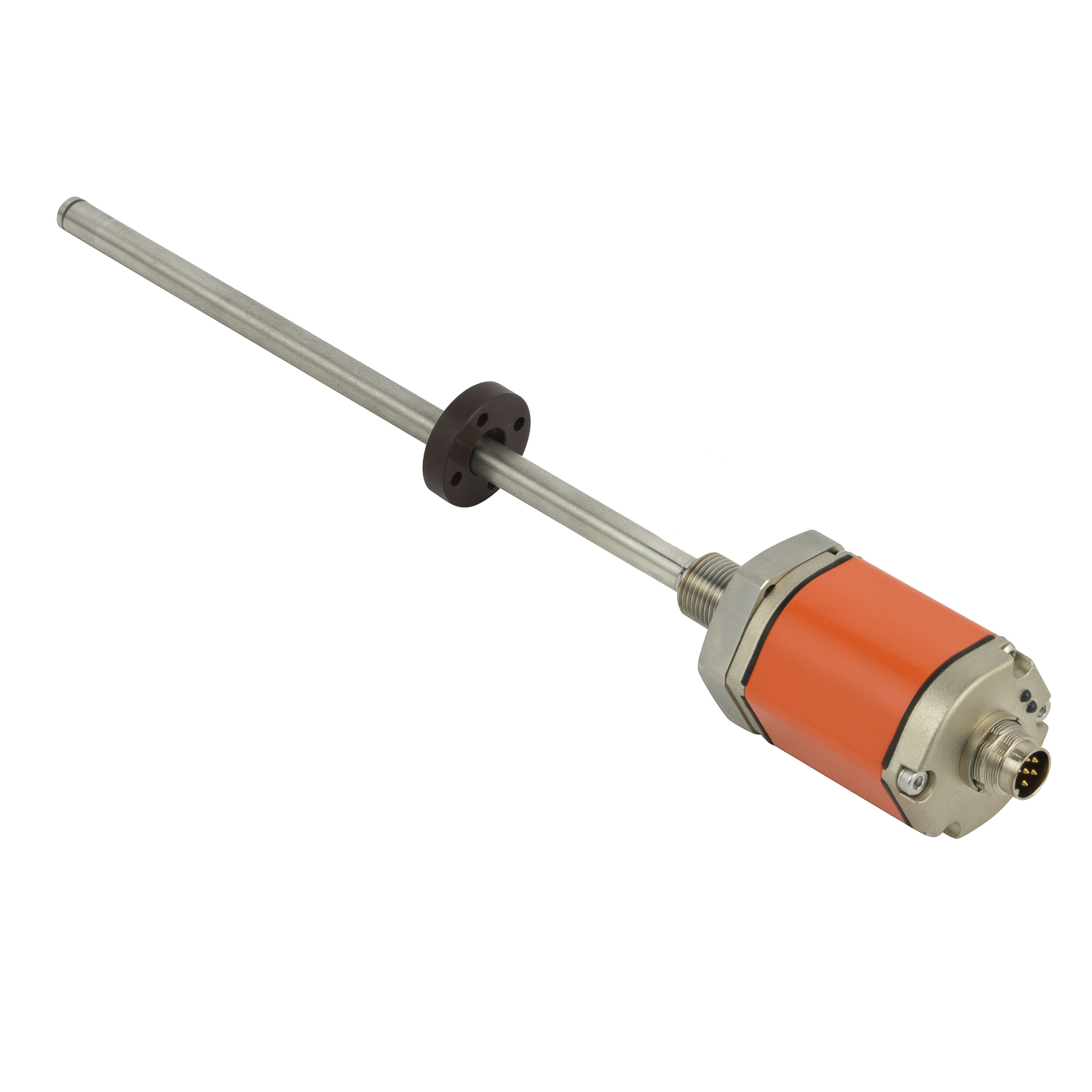
When selecting a high-temperature electromagnetic flowmeter, consider temperature, pressure, fluid conductivity, liner compatibility, flange rating. With the right configuration, it delivers dependable measurement in metallurgy, power generation, chemical processing, and solar thermal plants.
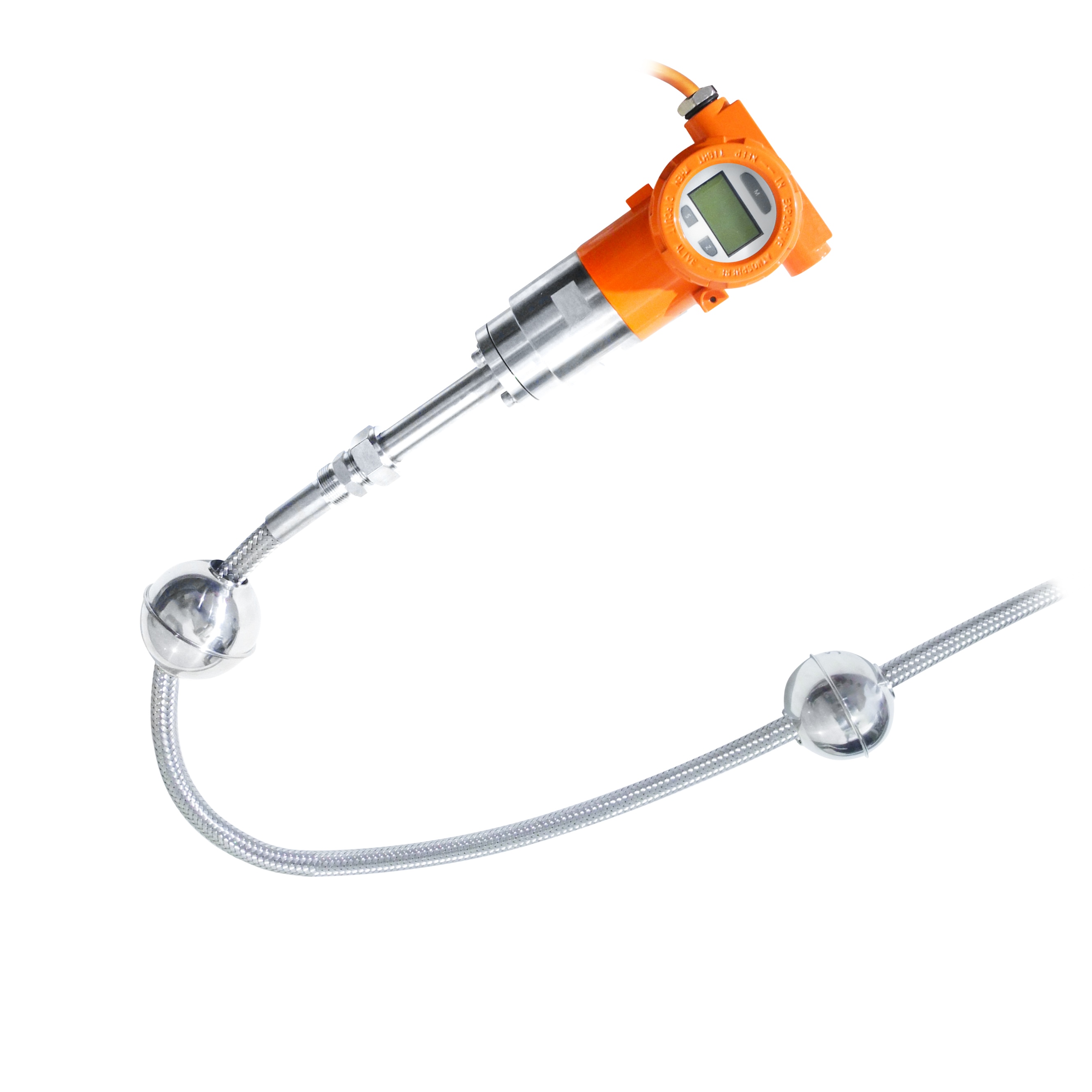 High-pressure Electromagnetic
High-temperature Electromagnet
High-pressure Electromagnetic
High-temperature Electromagnet
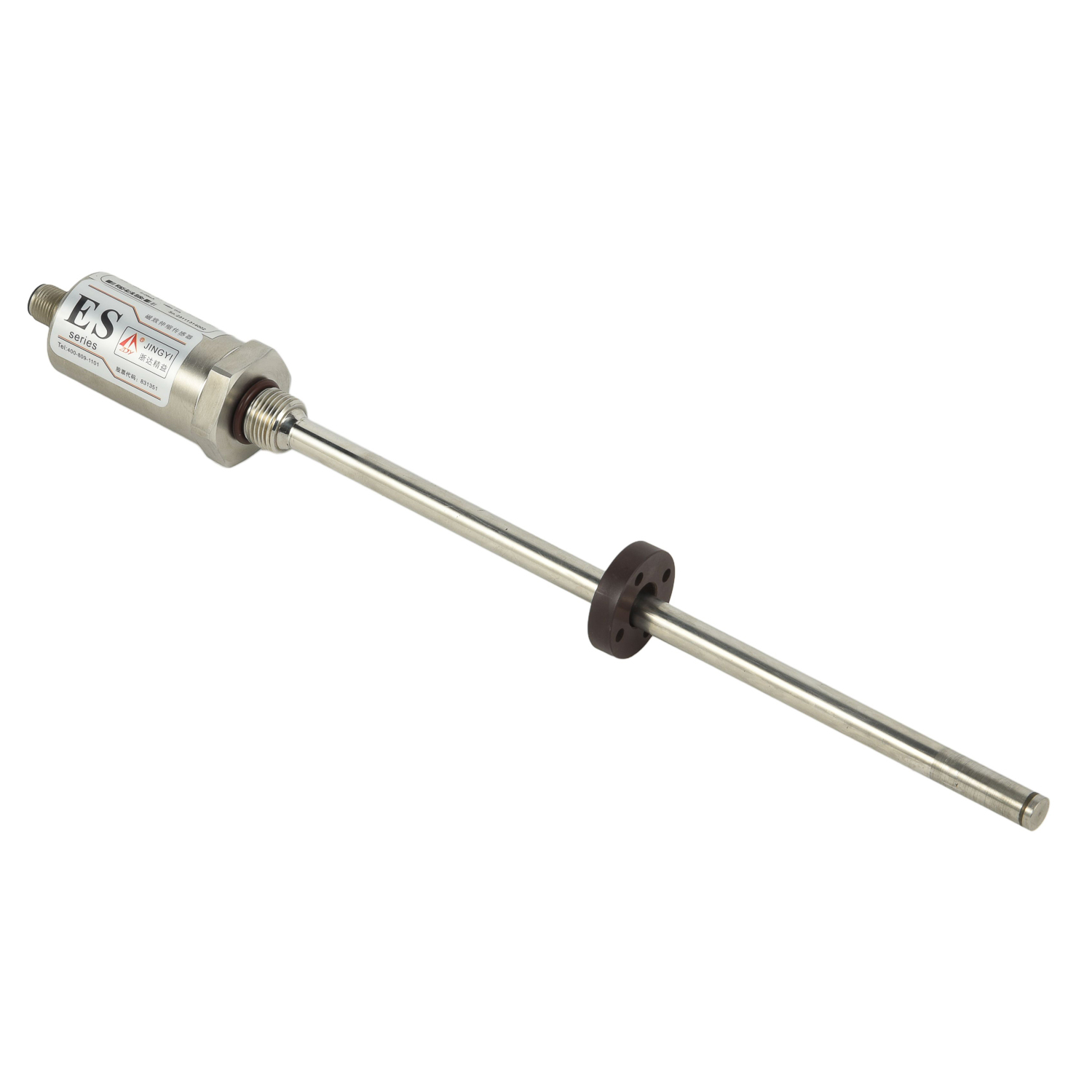 Waterproof Electromagnetic Flo
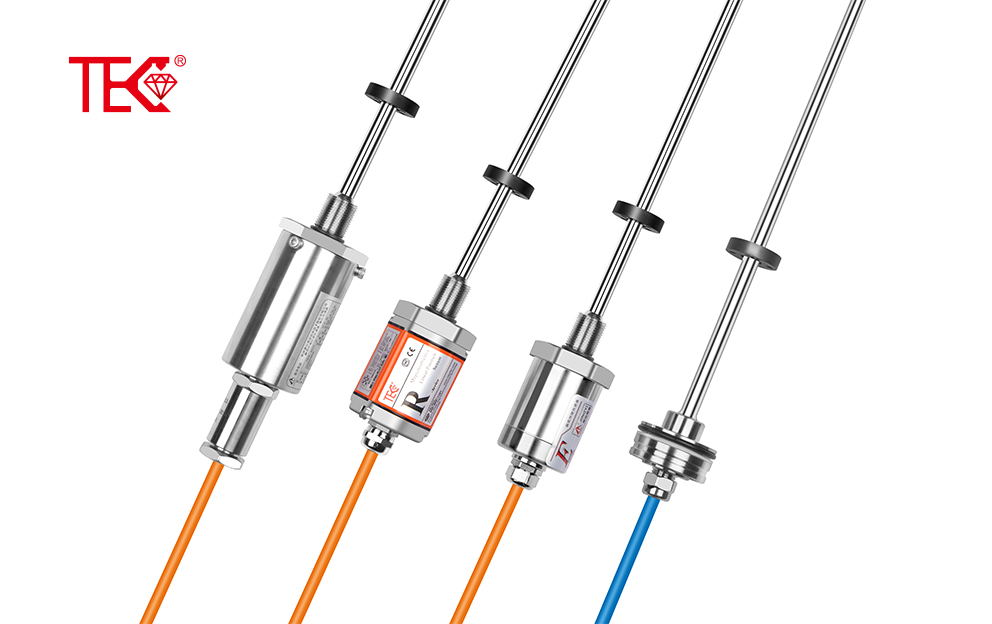 Intrinsically Safe Explosion-p