
High-pressure Electromagnetic Flowmeter
High-pressure electromagnetic flowmeters are designed to measure the flow of conductive liquids in pipelines operating under severe pressure. Unlike standard flow sensors, these instruments use reinforced bodies, thick liners, and durable electrodes to maintain accuracy and safety at high pressure ratings.
They are widely used in oil and gas, petrochemical, water injection, mining, and power generation, where reliable flow data is critical for process control, custody transfer, and leak detection.
The working principle is based on Faraday's law of electromagnetic induction. When a conductive fluid passes through a magnetic field, an electrical signal is generated. The flowmeter measures this signal and converts it into a volumetric flow reading. Because there are no moving parts, pressure loss is low and maintenance needs are reduced. High-pressure models often feature stainless steel, carbon steel, or alloy bodies, PTFE or PFA liners, and electrodes made from Hastelloy, titanium, or tantalum for corrosive media.
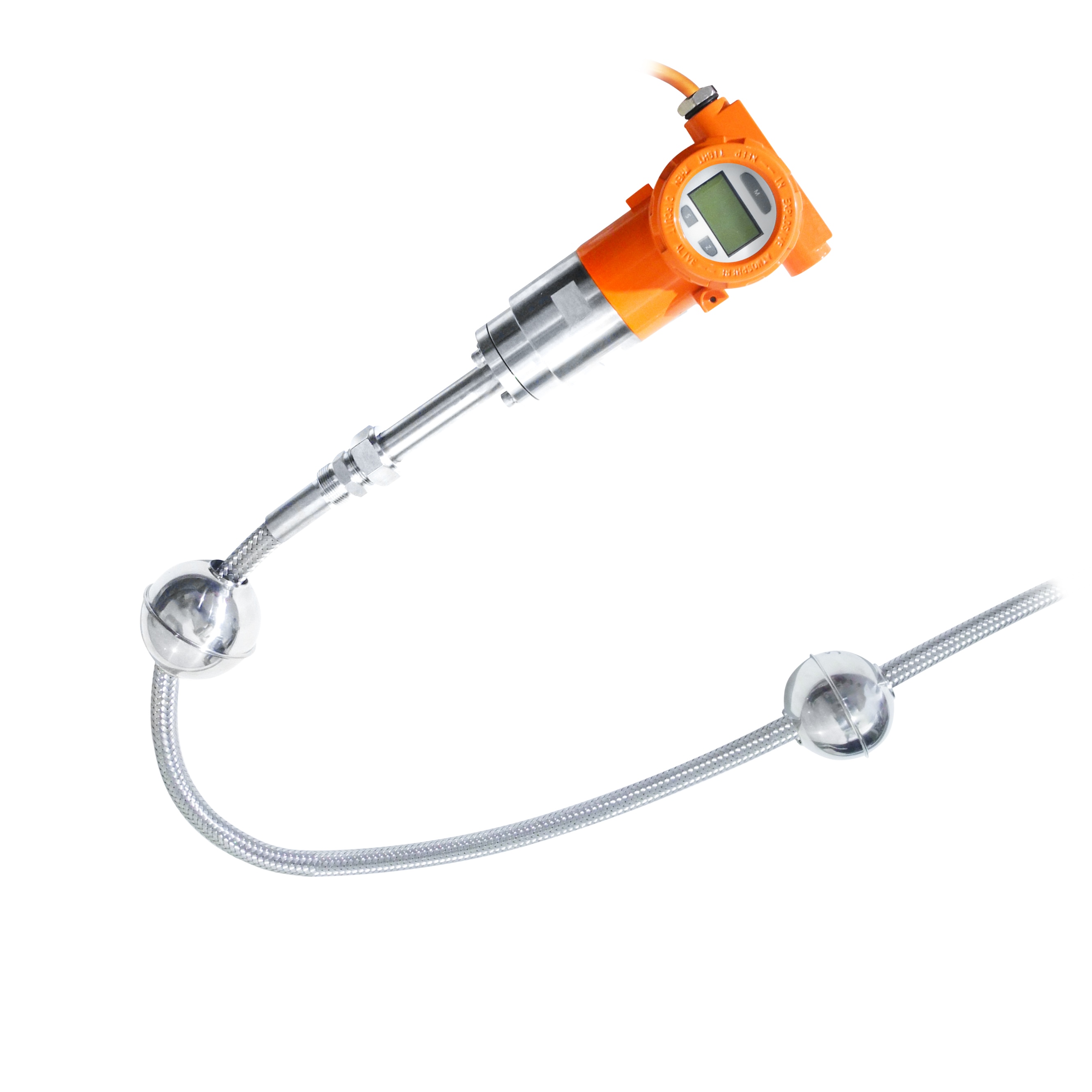
Selecting the right high-pressure electromagnetic flowmeter requires attention to pressure rating, temperature, fluid conductivity, pipe size, and connection type. Proper grounding and straight pipe runs improve signal stability. Regular verification helps ensure long-term accuracy in demanding industrial environments. With correct installation and periodic calibration, a high-pressure electromagnetic flowmeter can deliver stable, repeatable measurements even in harsh pipelines.
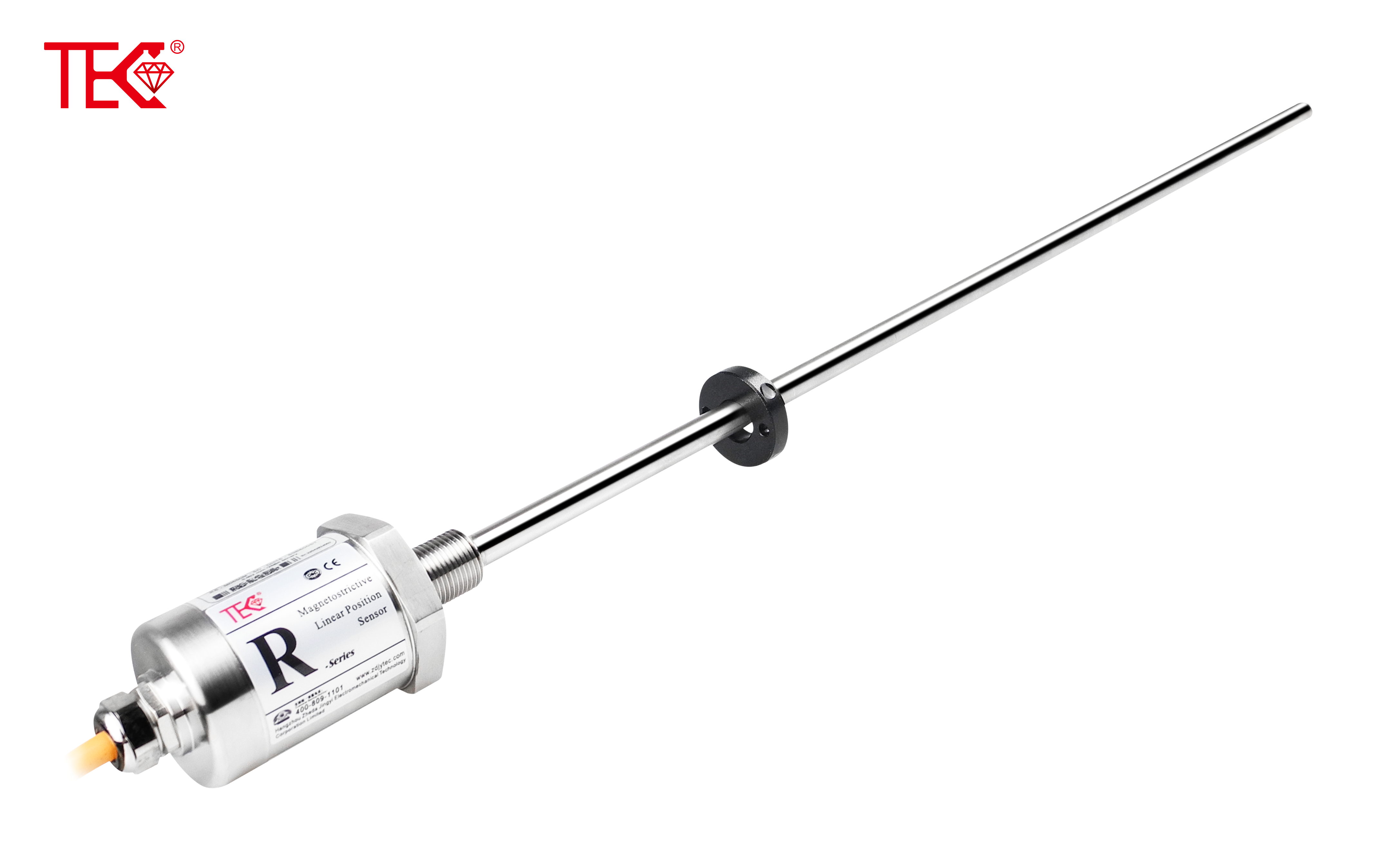 Flange-mounted Electromagnetic
High-pressure Electromagnetic
Flange-mounted Electromagnetic
High-pressure Electromagnetic
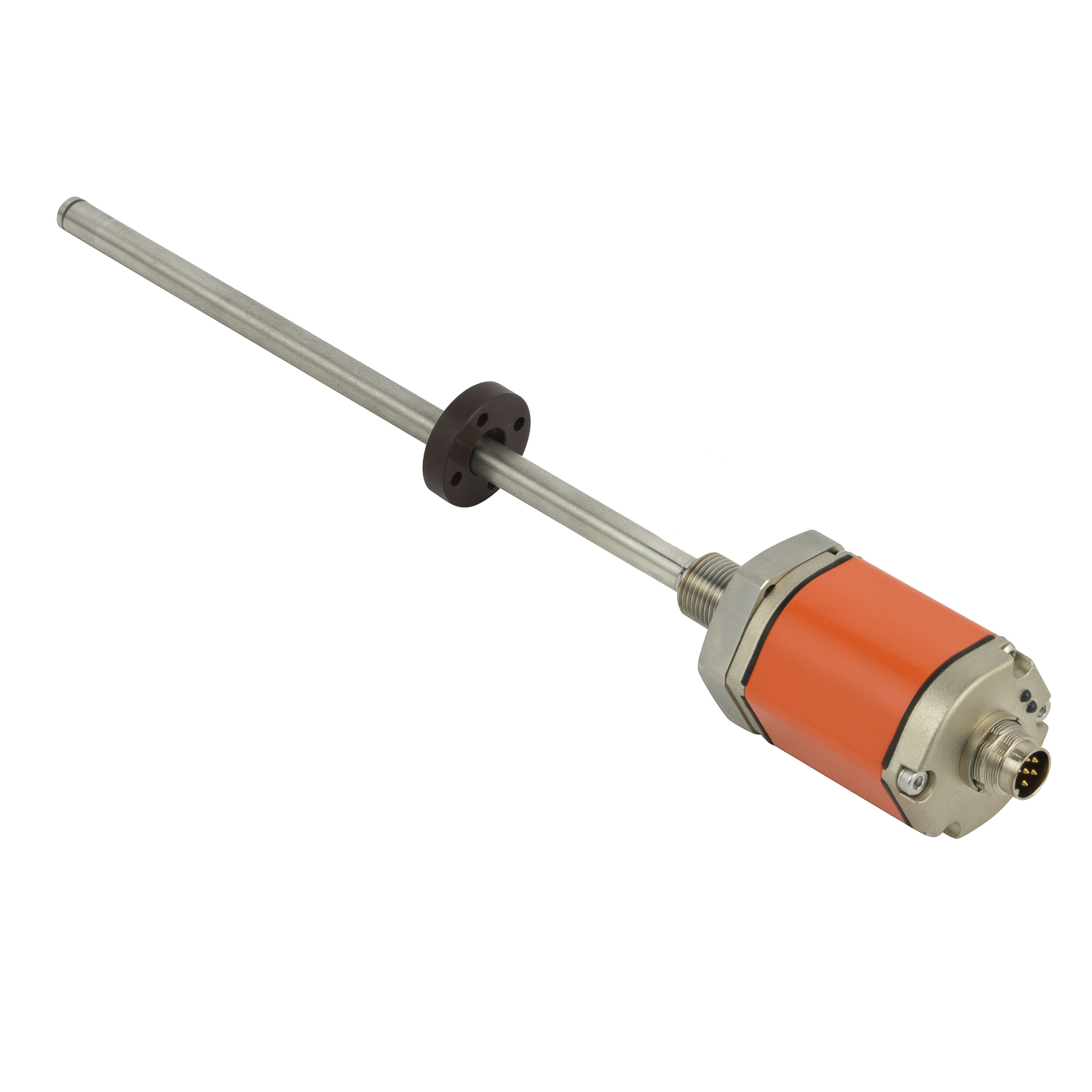 High-temperature Electromagnet
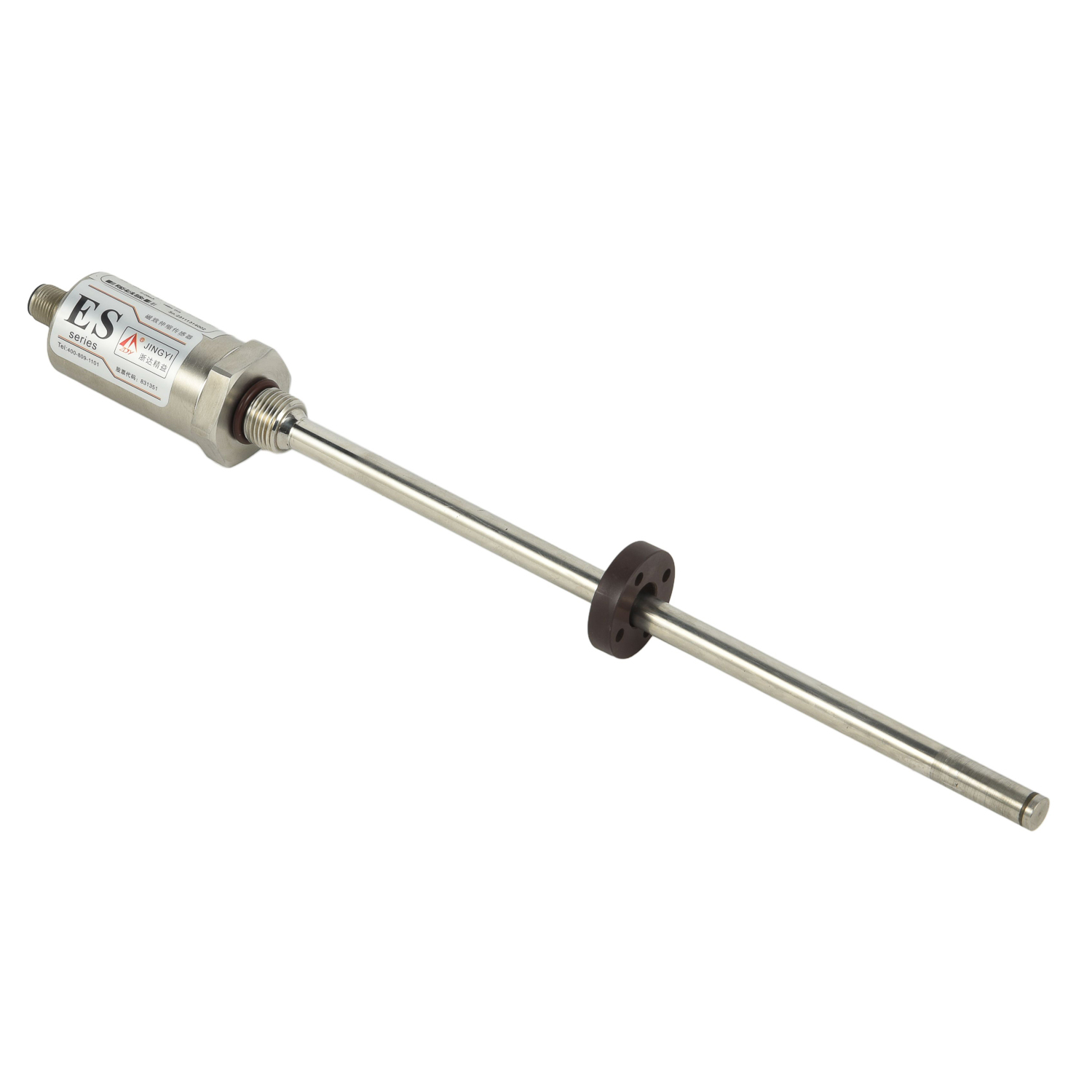 Waterproof Electromagnetic Flo