
Flange-mounted Electromagnetic Flowmeter
A flange-mounted electromagnetic flowmeter is a precision instrument designed to measure the volumetric flow rate of conductive liquids in closed pipelines. It uses Faraday's law of electromagnetic induction: when a conductive fluid moves through a magnetic field, an electromotive force is generated, and electrodes detect this signal. The flange connection ensures a secure, leak-proof fit between the meter and pipe, making it suitable for high-pressure and large-diameter systems.
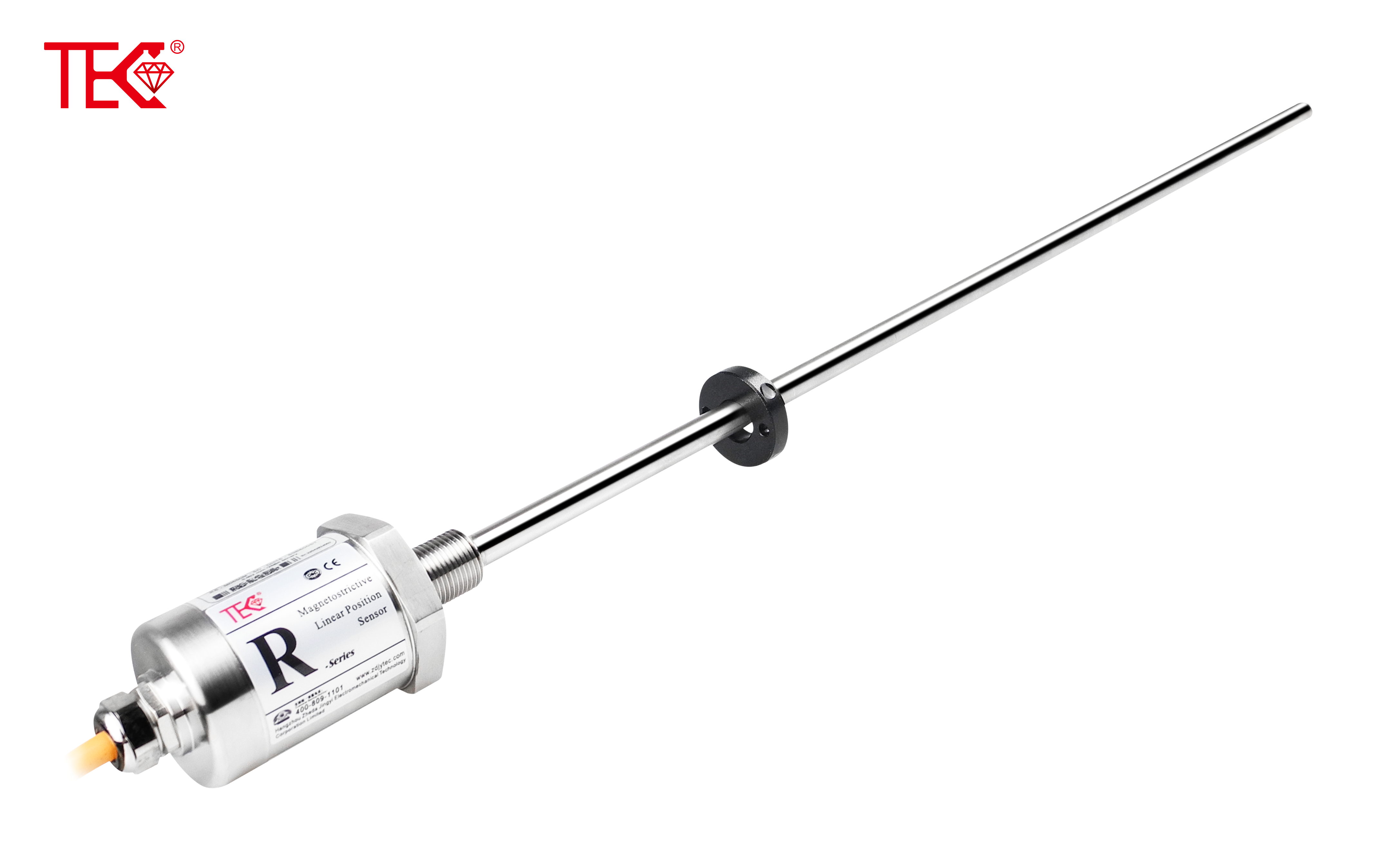
These meters typically feature a smooth bore, no moving parts, and minimal pressure loss. They handle water, wastewater, chemicals, slurries, pulp, and other conductive media. Because the measuring tube is often lined with PTFE, rubber, or PFA, the flowmeter resists corrosion and abrasion.
Key advantages include high accuracy, wide turndown ratio, bidirectional measurement. The flange-mounted design simplifies installation and maintenance in water treatment, chemical processing, food and beverage, mining, paper, and HVAC industries. Outputs may include 4-20 mA, pulse, frequency, and digital communication such as HART, Modbus, or Profibus.
For best results, install meter in a filled pipe with sufficient straight upstream and downstream runs. Avoid air bubbles, heavy vibration, and electrical interference. Regular checks of electrodes, grounding, and liner condition help maintain long-term reliability. With proper selection, a flange-mounted electromagnetic flowmeter delivers accurate flow data for industrial applications.
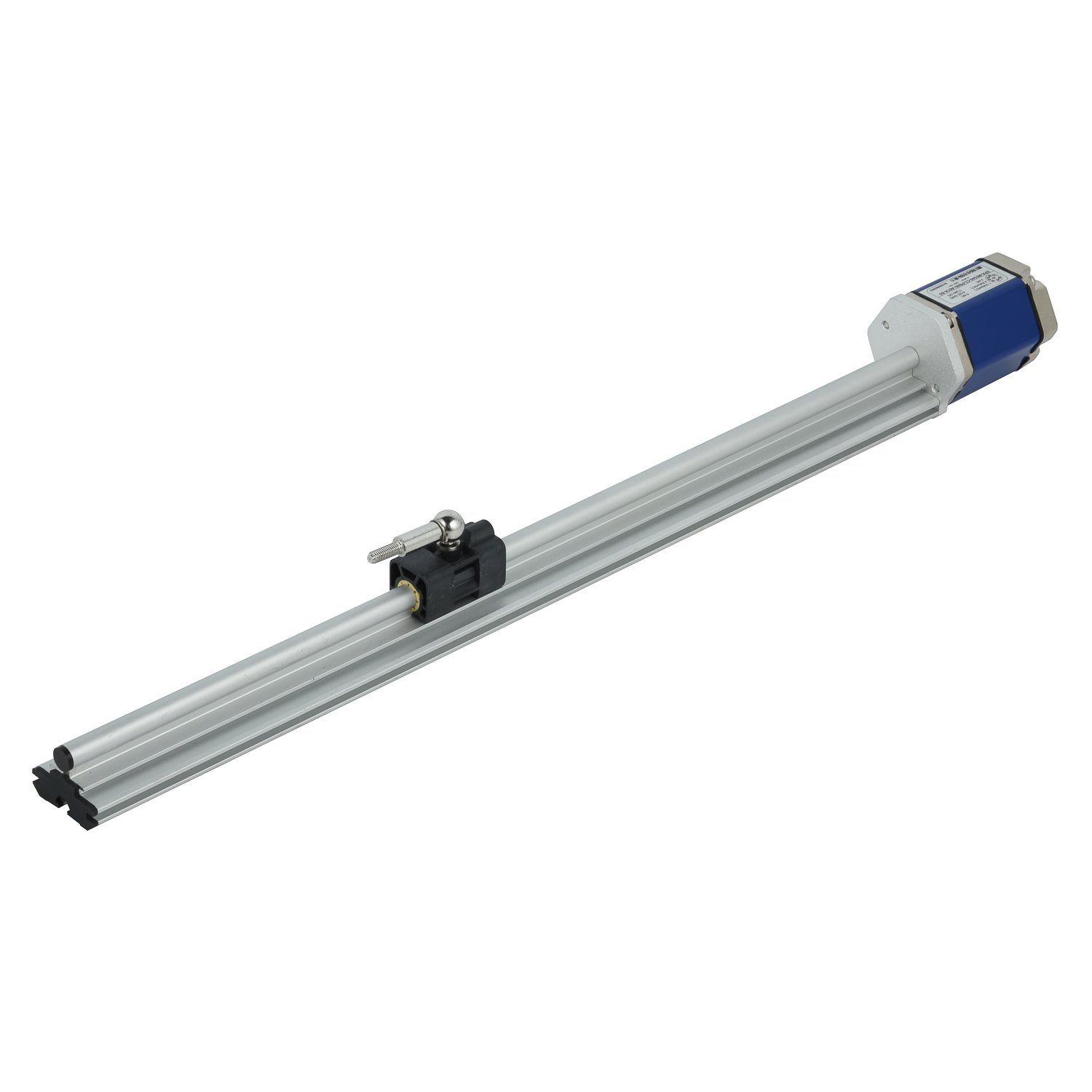 Rod-type Electromagnetic Flowm
Flange-mounted Electromagnetic
Rod-type Electromagnetic Flowm
Flange-mounted Electromagnetic
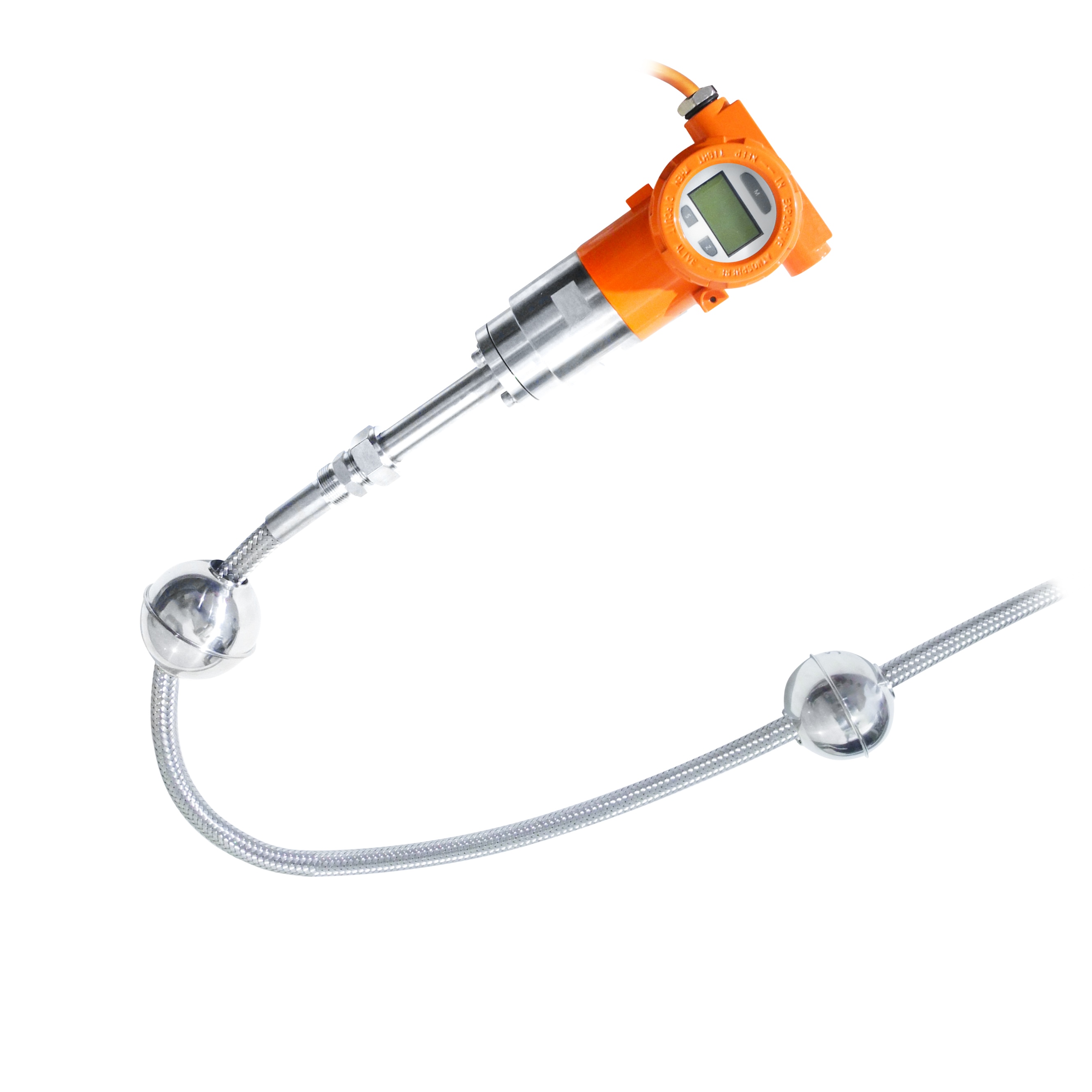 High-pressure Electromagnetic
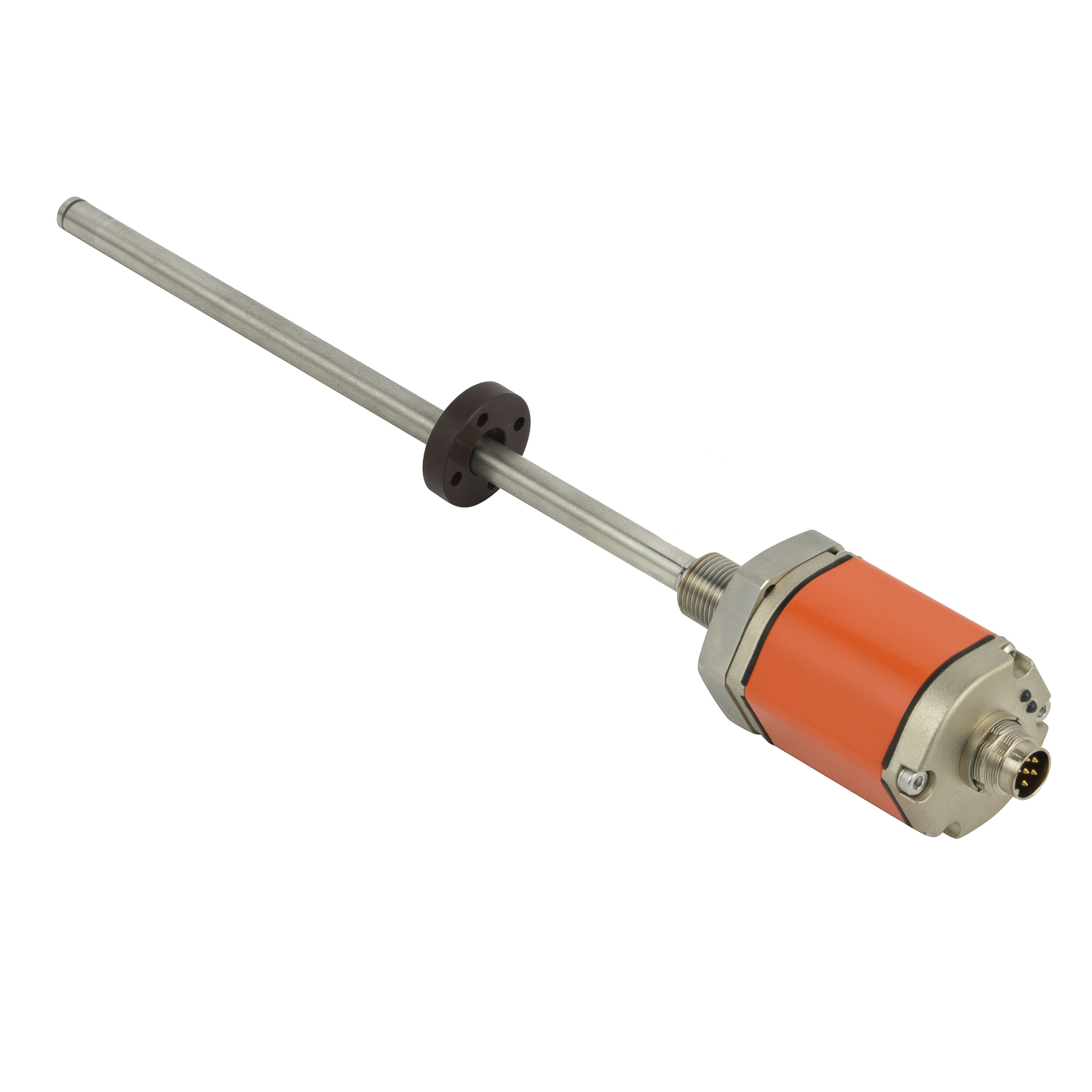 High-temperature Electromagnet