
How Much is Crane and Trolley Positioning
How much is crane and trolley positioning? Prices vary by crane, site, and accuracy needs. A basic encoder and limit-switch upgrade may cost $2,000-$8,000 per crane. Laser, radar, or barcode systems for precise trolley positioning usually range from $8,000 to $35,000. Fully automated systems with VFDs, safety PLCs, software, and commissioning often cost $30,000-$120,000 or more.
Key factors include accuracy, travel length, speed, load, indoor or outdoor use, dust, heat, vibration, and hazardous-area ratings. Long runways need more sensors, wiring, and calibration. High accuracy, such as ±5 mm, costs more than simple zone positioning. Integration with PLC, SCADA, or warehouse software adds engineering time. Installation, alignment, testing, and training also affect the quote.
Outdoor yards may use GPS or RTK positioning at $10,000-$60,000 per crane. Indoor rail cranes often use laser distance sensors, encoders, or barcode strips. A single laser sensor may cost $500-$3,000, while a complete controller, HMI, and software package can cost $5,000-$25,000.
For an accurate quote, request a site survey. Vendors should check crane type, travel distance, repeatability, communication protocol, safety category, and automation goals. Budget $15,000-$50,000 for a professional mid-range project, but confirm with a qualified supplier. Good positioning reduces collisions, shortens cycle times, improves tracking, and lowers operator fatigue.
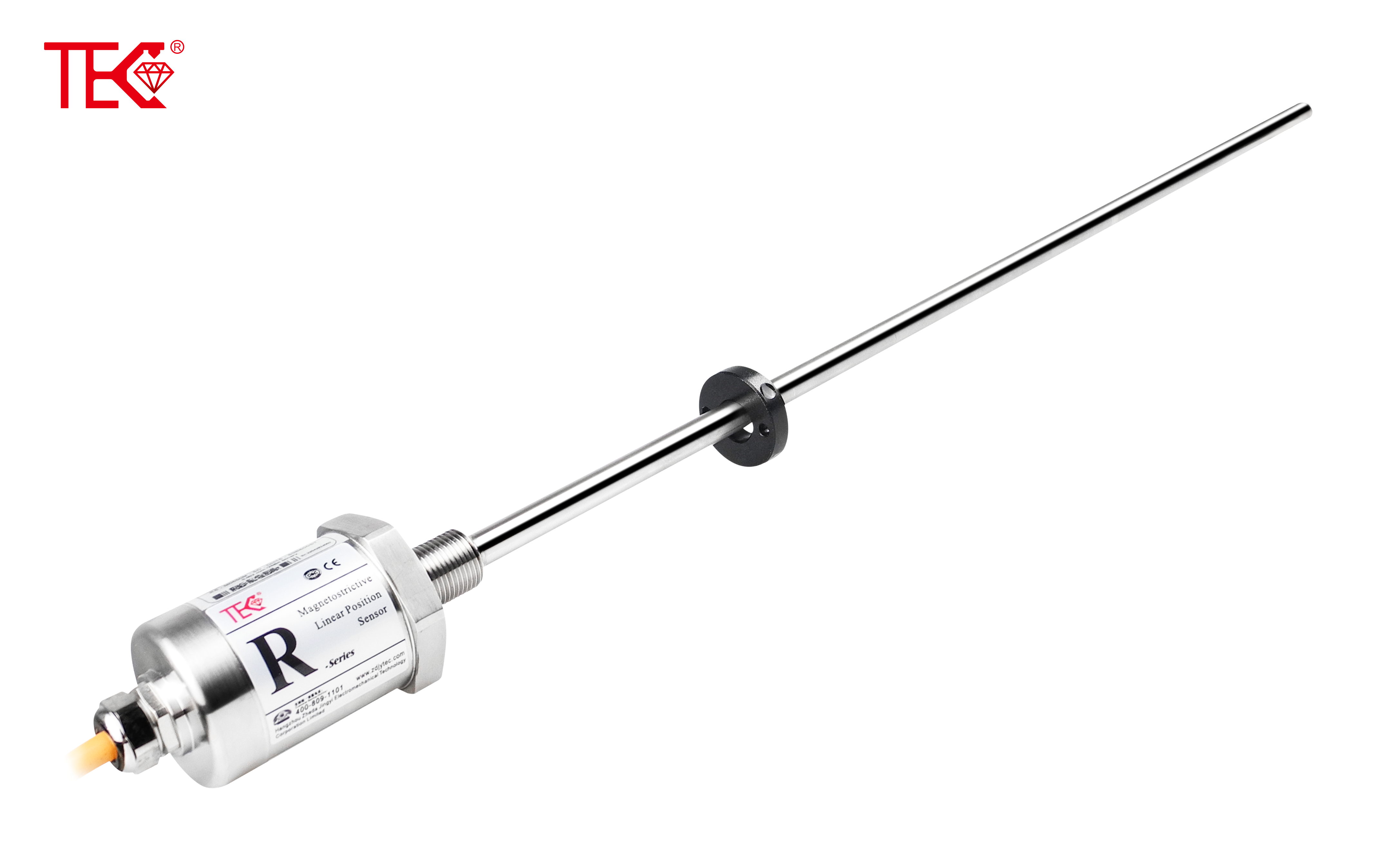 Flange-mounted Electromagnetic
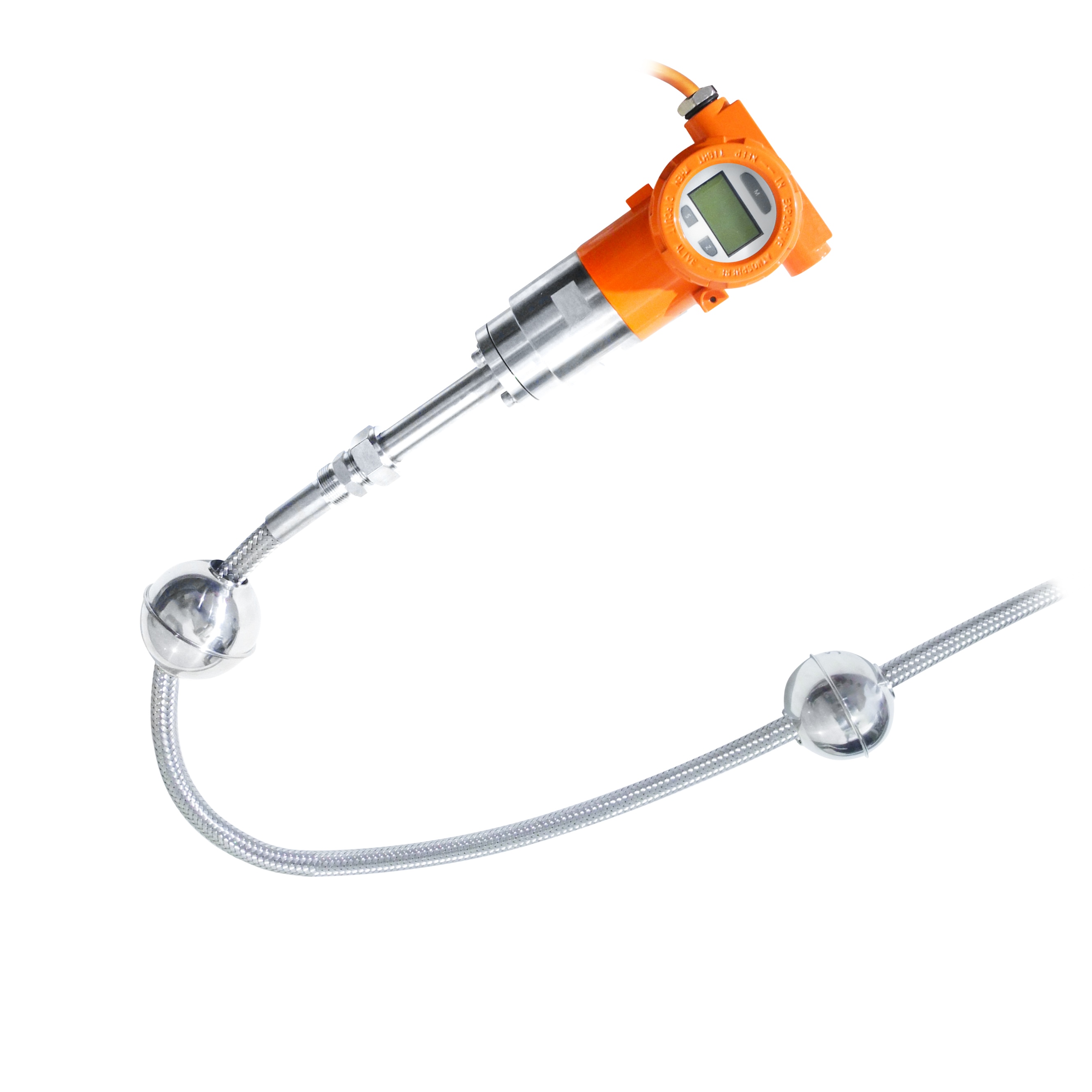 High-pressure Electromagnetic
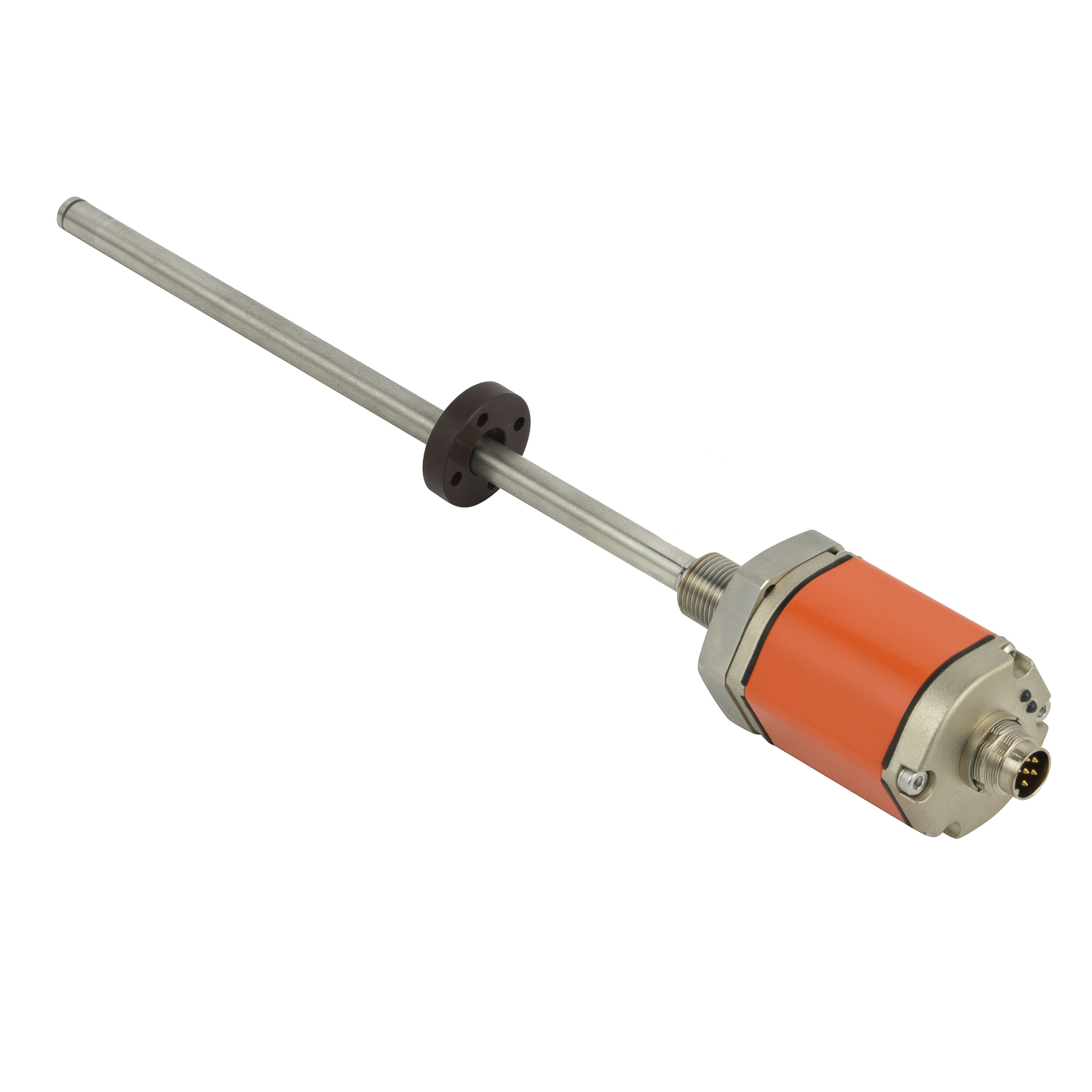 High-temperature Electromagnet
 Waterproof Electromagnetic Flo