
Domestic LVDT Displacement Sensor
Domestic LVDT displacement sensors are widely used in industrial automation, testing machines, and hydraulic systems. An LVDT converts linear motion into an electrical signal. Domestic models offer stable quality, fast delivery, and cost advantages.
The sensor has a primary coil, two secondary coils, and a movable core. AC excitation creates magnetic coupling. The core position changes the output voltage difference, which indicates displacement. This non-contact design gives frictionless operation, long life, and high repeatability.
Domestic sensors often use stainless steel housings, IP67 protection, and wide temperature ranges. Ranges cover a few millimeters to several hundred millimeters. Outputs include AC, DC, 0-10V, 4-20mA, and digital signals. Spring-loaded or separate core types suit different mounting needs.
Applications include valve feedback, injection molding, material testing, bridge monitoring, and servo hydraulic control. Accurate displacement data improves safety, efficiency, and quality.
When choosing a domestic LVDT displacement sensor, check stroke, accuracy, resolution, and output. Keep the core aligned and avoid side loading during installation. Inspect cables and connectors regularly.
With better manufacturing, domestic LVDT sensors meet many industrial standards. They offer precision, durability, and value. Custom designs and calibration are often available for OEM projects. The right model delivers stable linear position measurement for years.
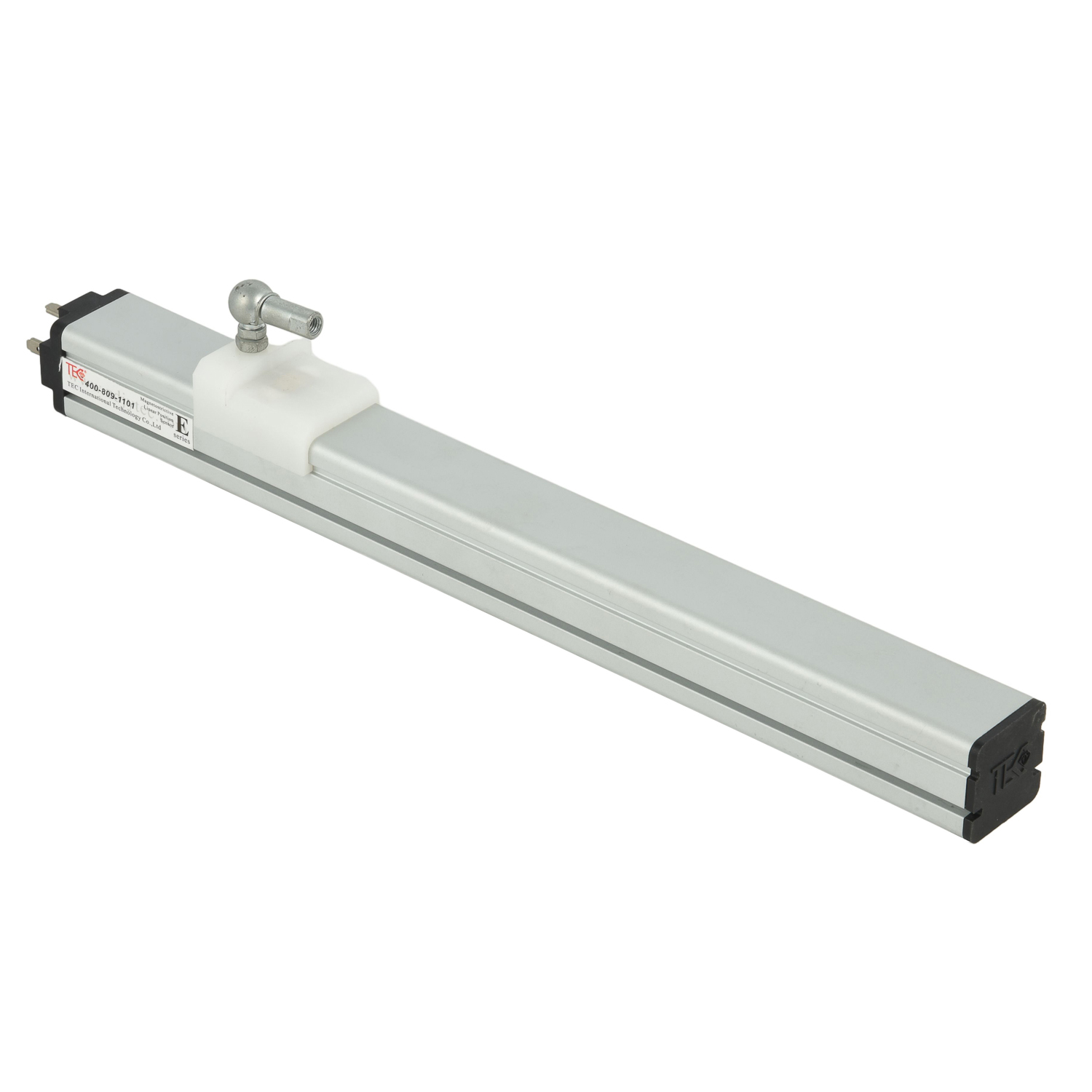 Domestic LVDT Displacement Sen
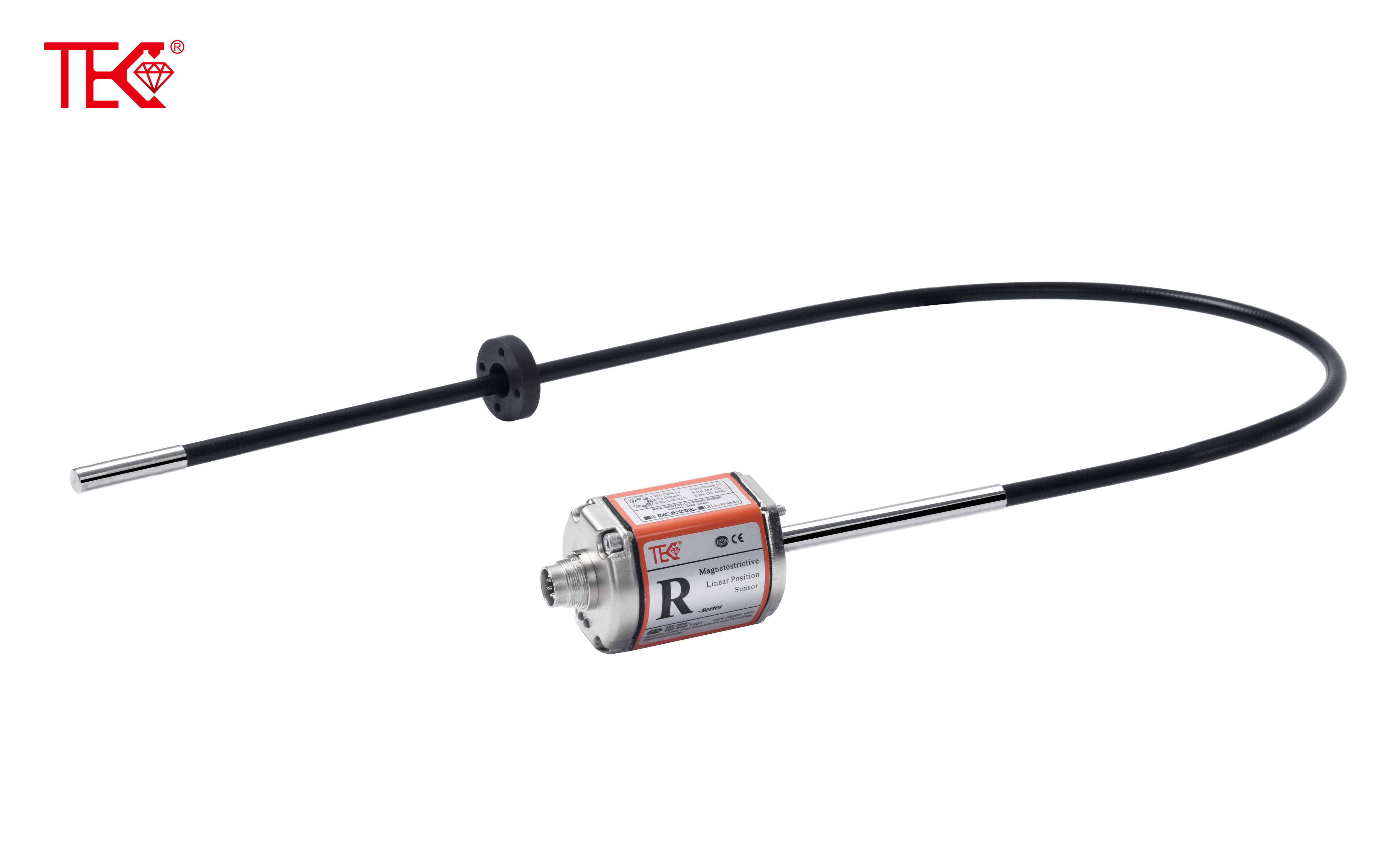 LVDT Displacement Sensor Manuf
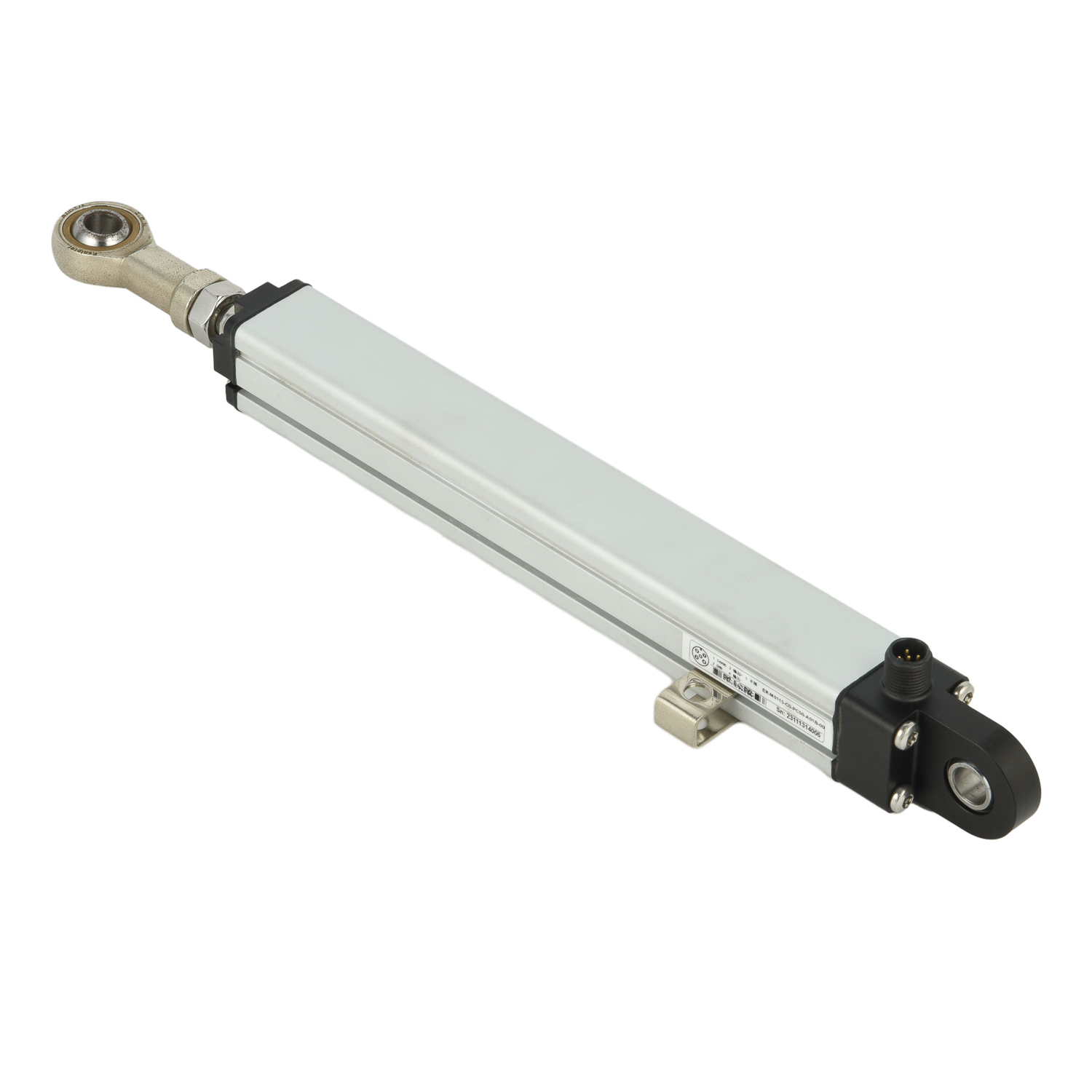 Corrosion-resistant LVDT Displ
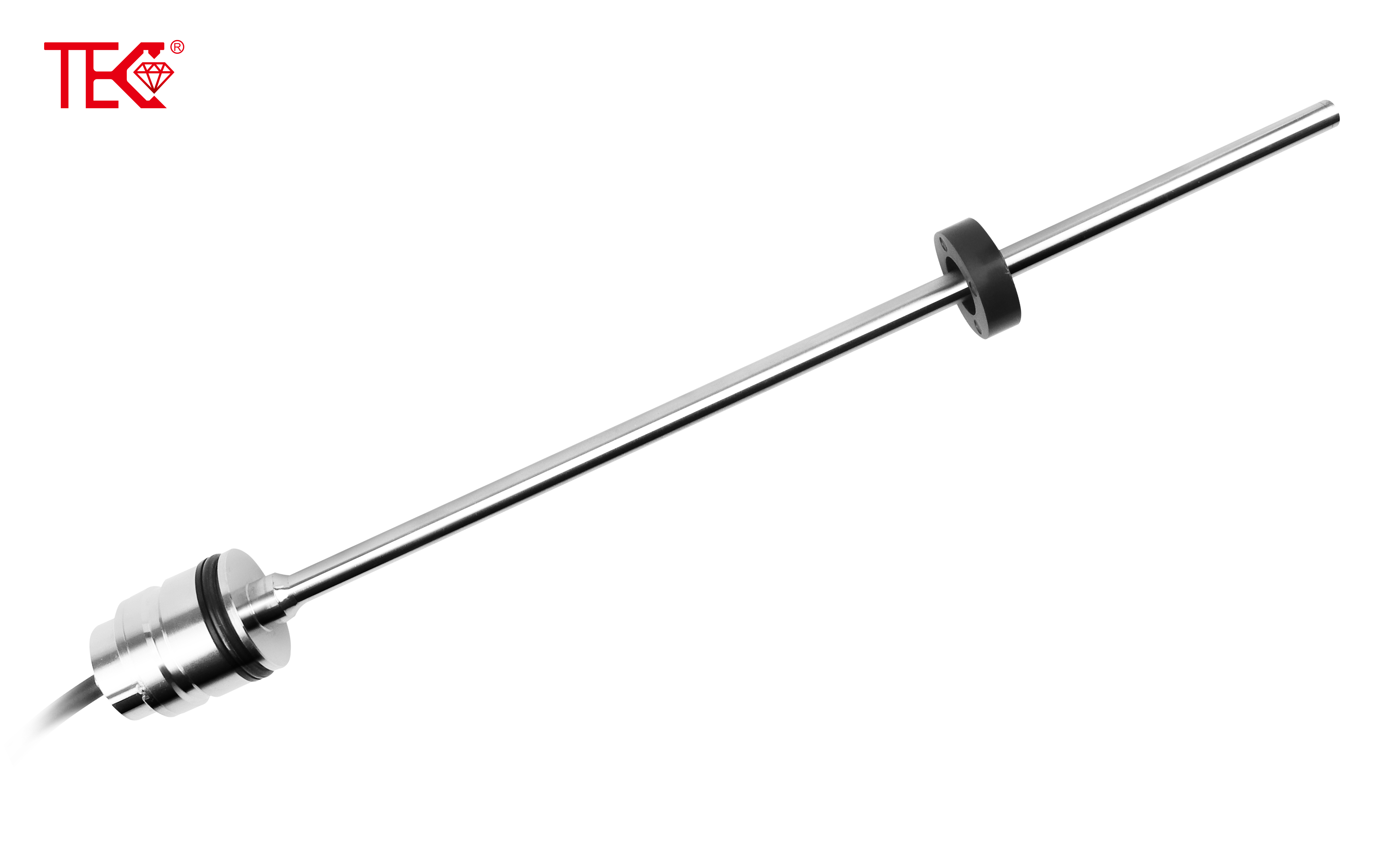 Rod-type LVDT Displacement Sen