
LVDT Displacement Sensor Selection
Selecting the right LVDT displacement sensor begins with the measurement range. Define the required stroke, including travel beyond the null point, then add a safety margin. Linearity, repeatability, and resolution are next. For high-accuracy position feedback, choose a sensor with low nonlinearity and stable repeatability. Consider the operating environment: temperature, humidity, vibration, dust, and moisture. A sealed or IP-rated LVDT is necessary for harsh industrial settings. The output type matters. AC LVDTs need an oscillator and demodulator, while DC LVDTs include built-in electronics for easy PLC or DAQ connection. Check excitation voltage and frequency if using an AC unit. Sensitivity, phase, and null voltage affect signal conditioning. Mechanical installation also influences performance. Avoid side loading and misalignment. The core must move freely without touching the bore. Mount the body securely and use flexible couplings if needed. Cable length, shielding, and grounding reduce electromagnetic interference. For long strokes, consider core weight and mounting orientation. For short strokes, resolution and thermal stability become critical. If the application involves high pressure or liquids, select a hermetically sealed model. Finally, verify calibration, operating temperature range, and lifecycle cost. A well-matched LVDT delivers precise, durable displacement measurement for automation, aerospace, and test systems. Review the datasheet and test sensor in real application before production.
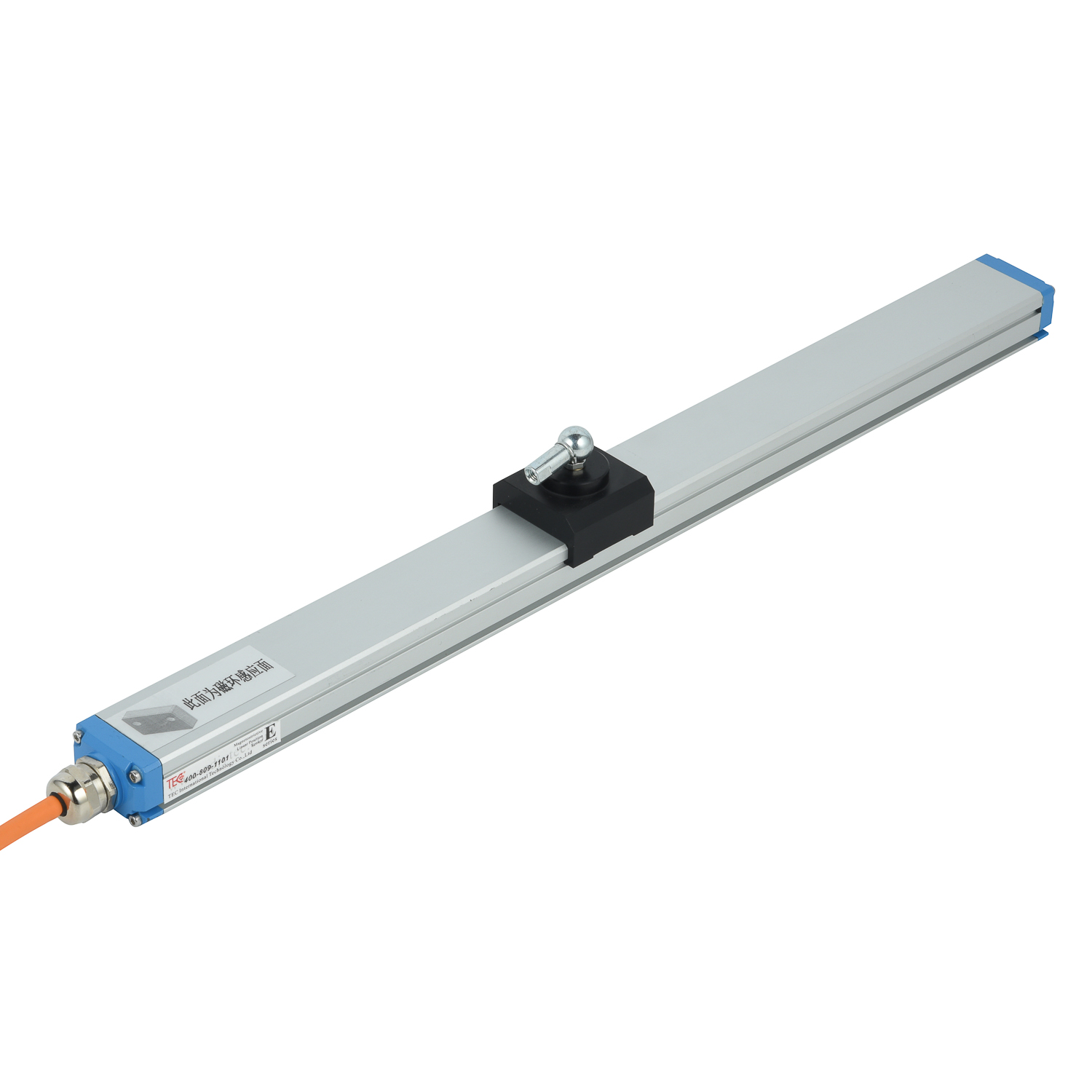 LVDT Displacement Sensor Selec
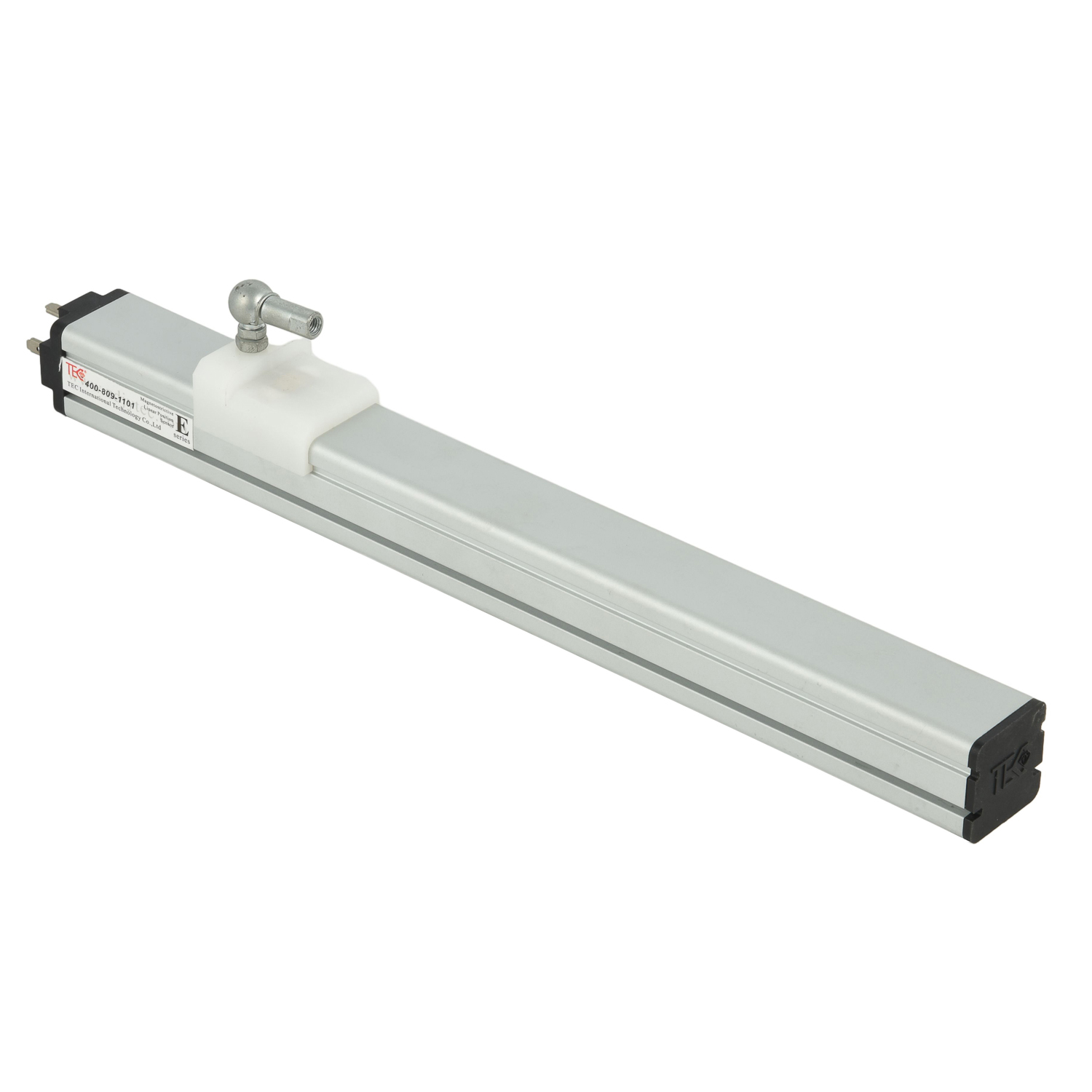 Domestic LVDT Displacement Sen
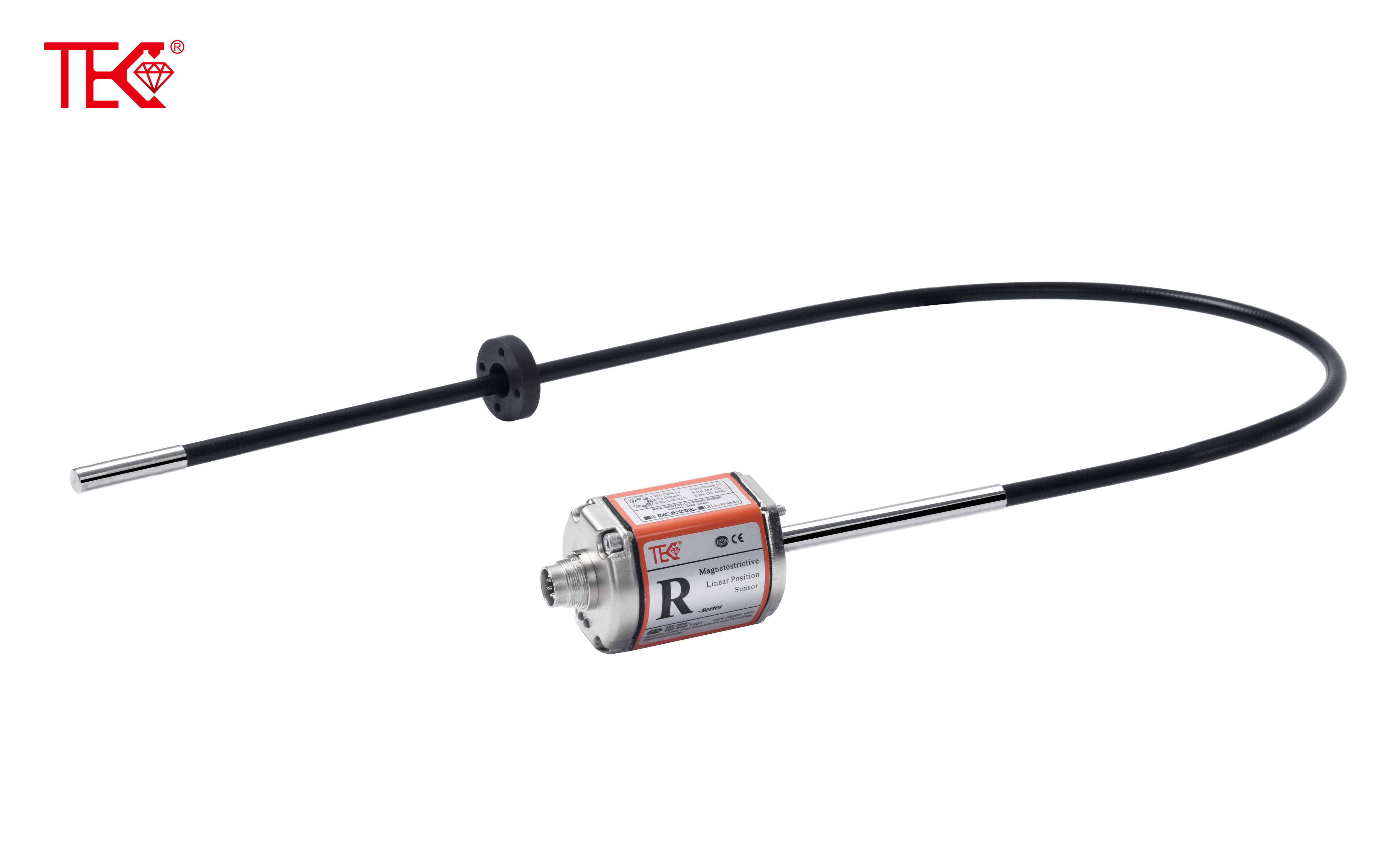 LVDT Displacement Sensor Manuf
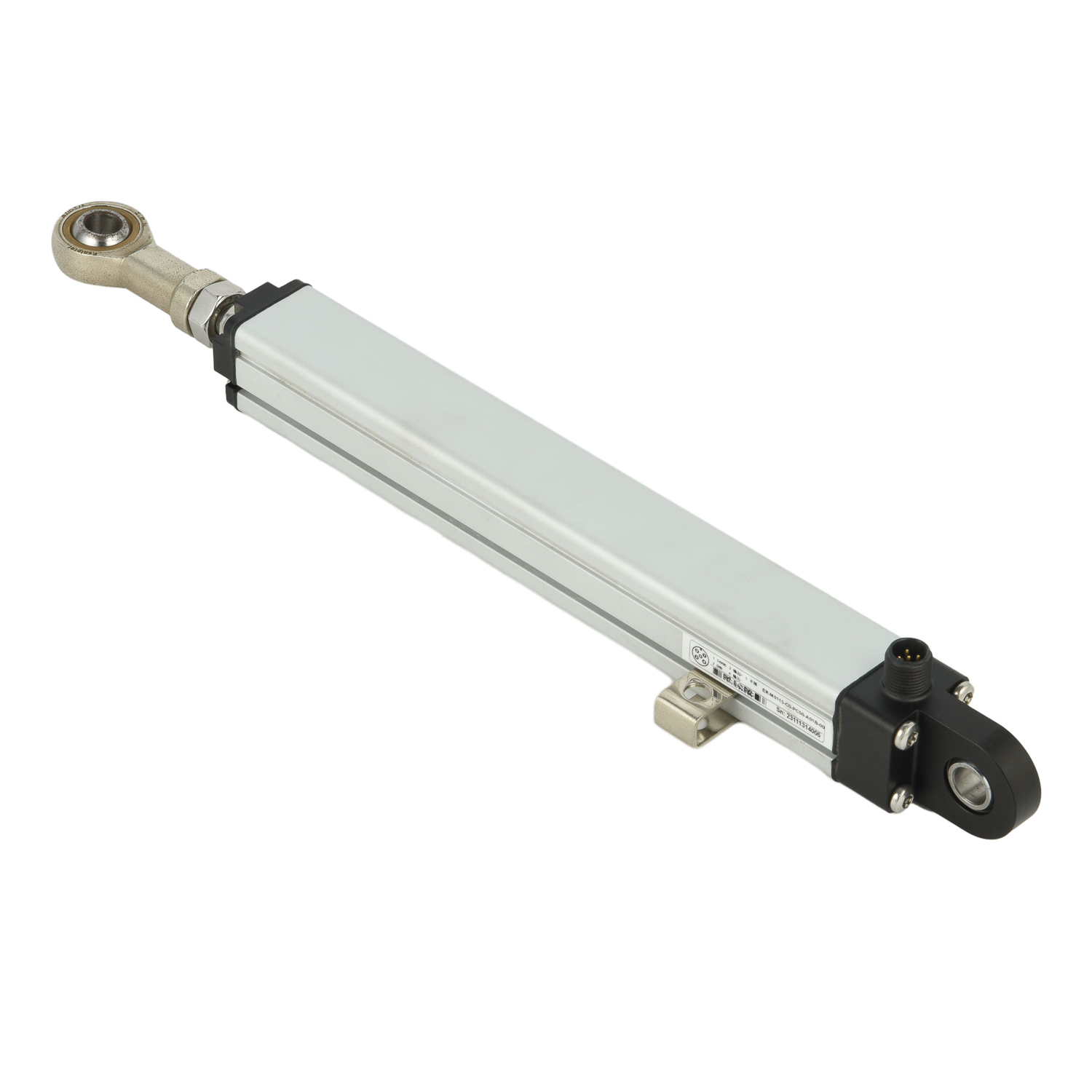 Corrosion-resistant LVDT Displ