
Corrosion-resistant LVDT Displacement Sensor
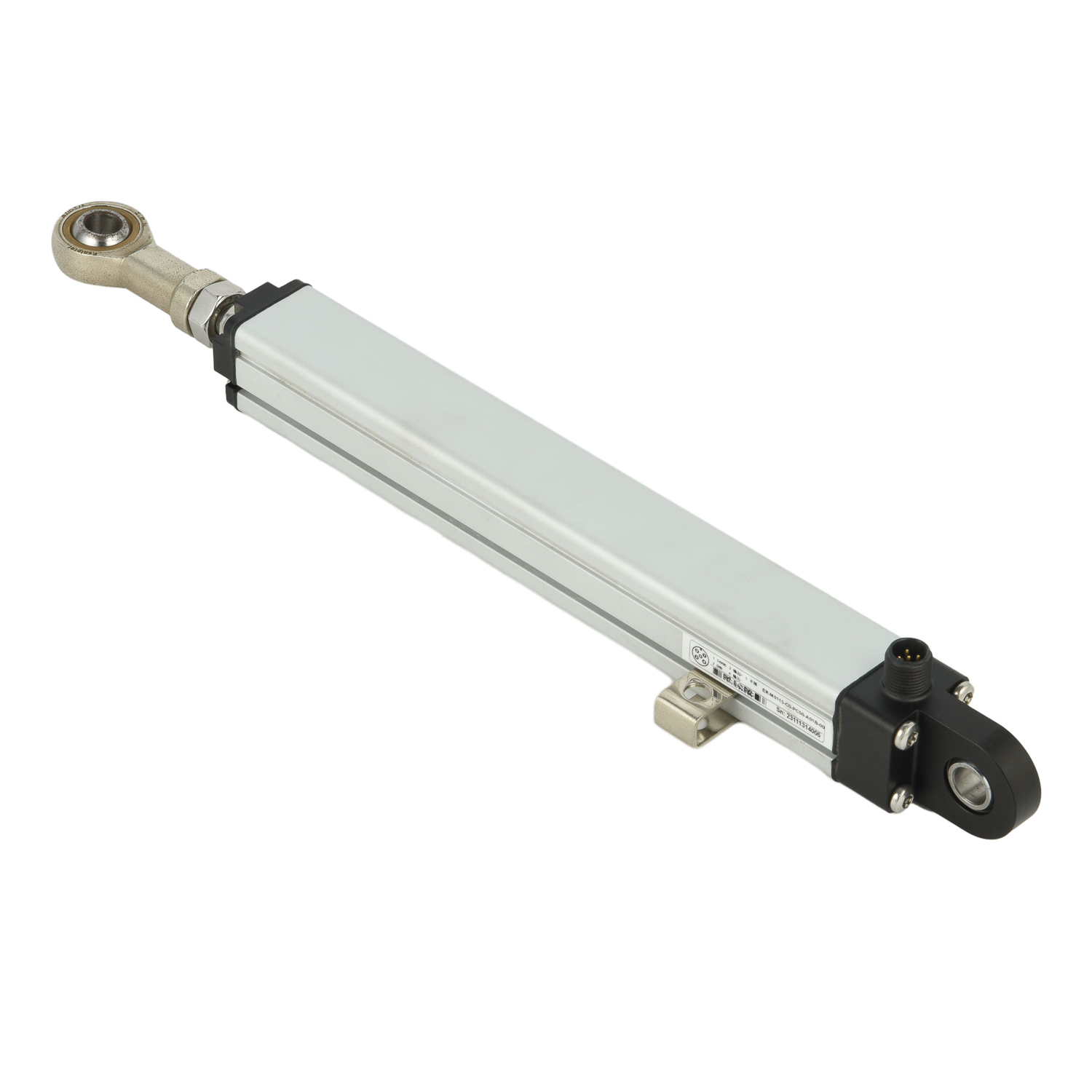
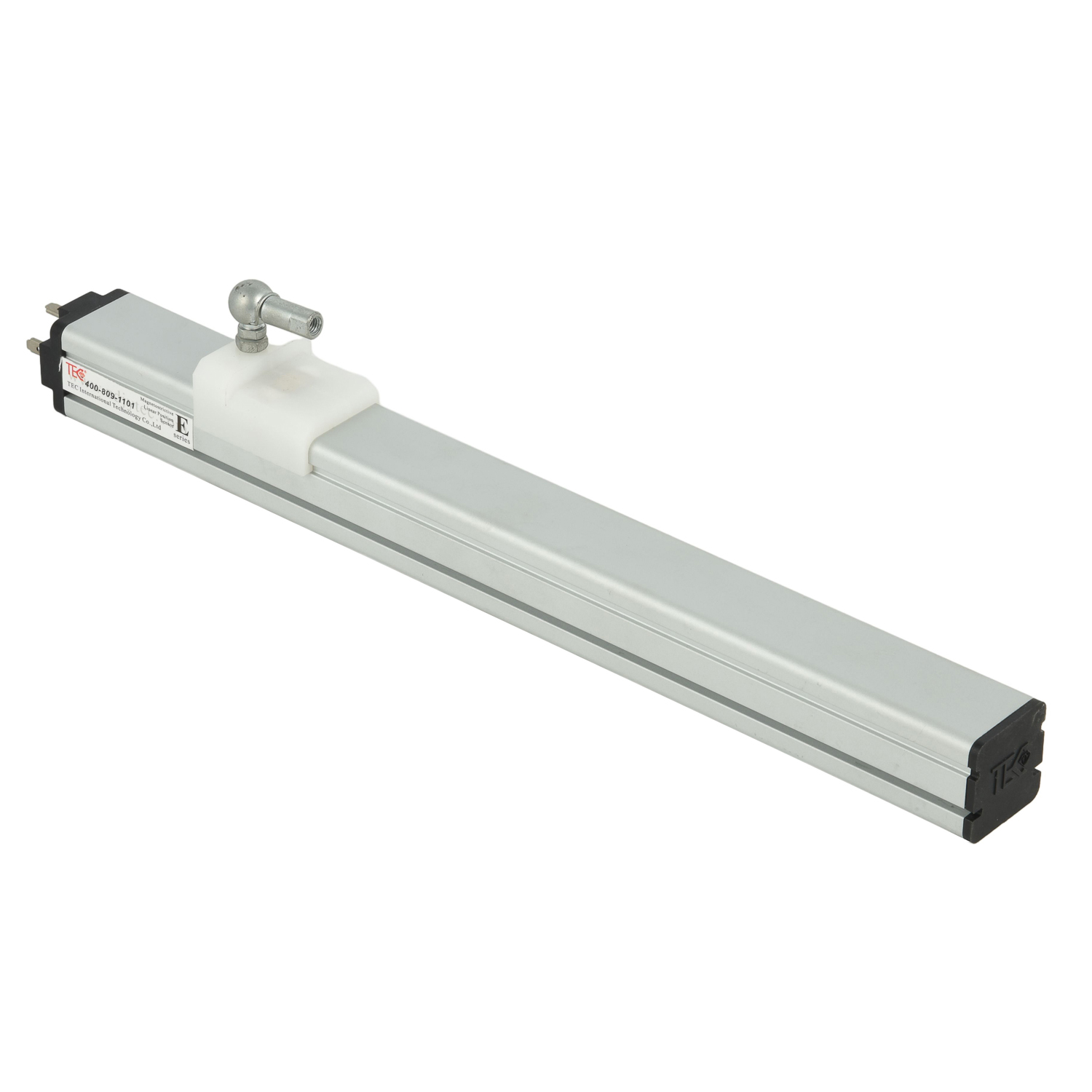
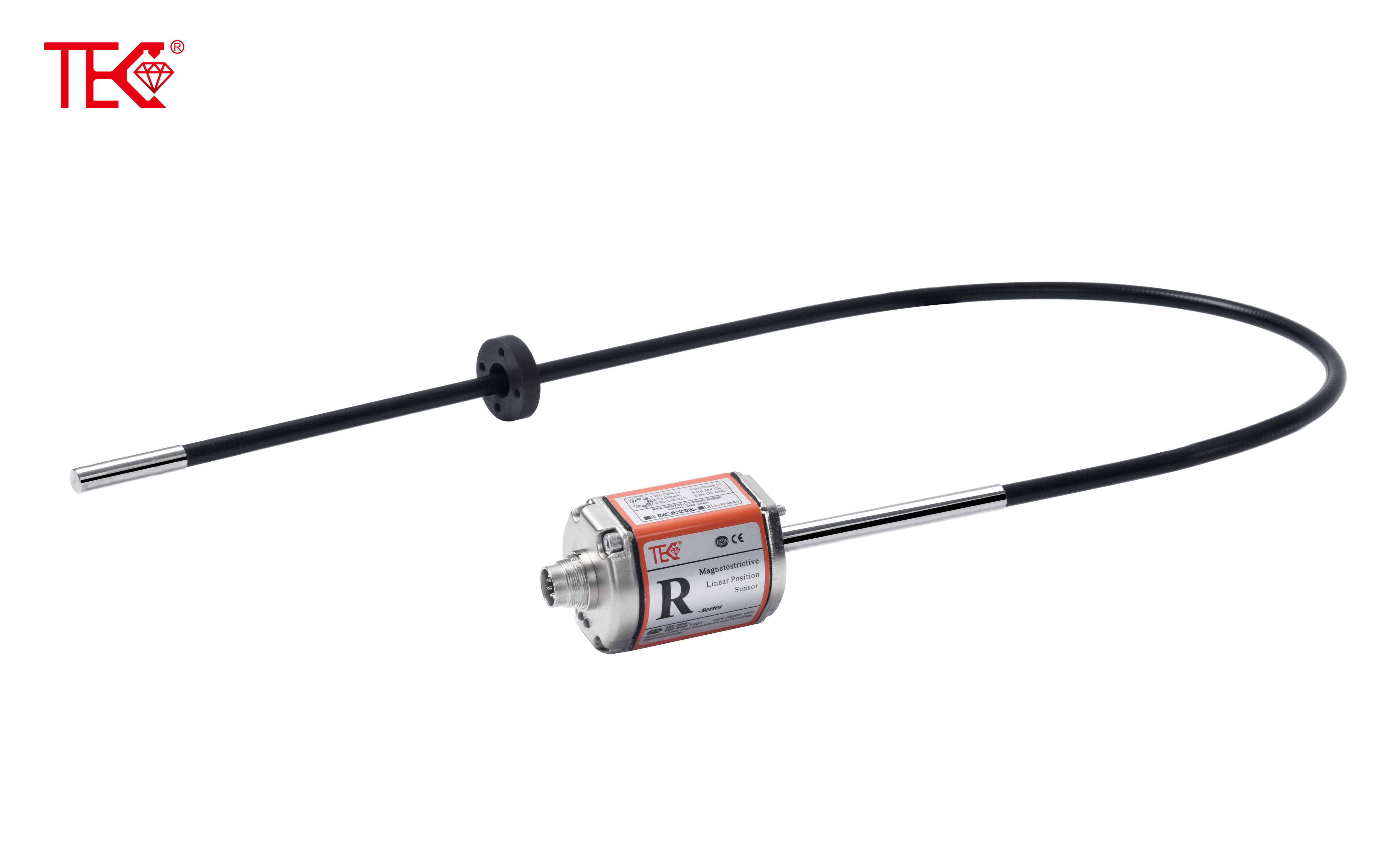
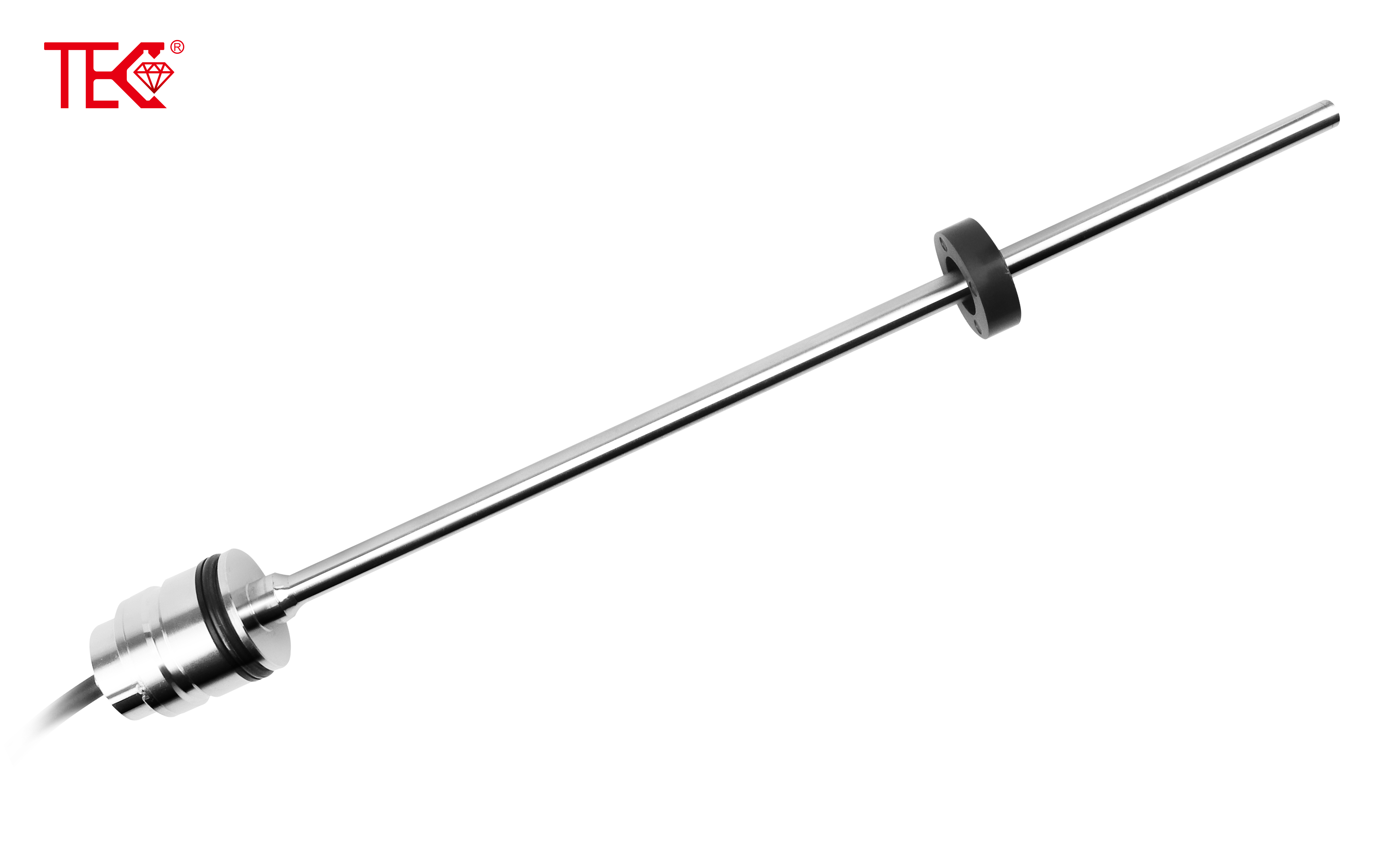
Corrosion-resistant LVDT displacement sensors are designed for harsh environments where moisture, chemicals, salt spray, acids, and washdowns can quickly damage standard position sensors. Their sealed stainless steel or titanium housings, encapsulated coils, and protected cable exits stop corrosive media from reaching internal windings. This ensures stable linear position feedback in offshore, chemical, food processing, wastewater, and marine systems. Unlike optical or capacitive sensors, an LVDT uses electromagnetic coupling with no sliding contacts. A corrosion-resistant model adds rugged materials and IP67 or IP68 sealing, so it can measure displacement in wet, dirty, or contaminated areas. It offers high resolution, excellent repeatability, low hysteresis, and long service life. AC and DC versions are available, with analog, digital, or fieldbus outputs. When choosing a sensor, check stroke length, chemical compatibility, pressure, temperature, vibration, and mounting. Proper sealing and cable protection are essential. With the right corrosion-resistant LVDT, engineers get accurate, durable position feedback and lower maintenance costs in demanding industrial systems. They suit hydraulic cylinders, valve monitoring, and turbine controls. Options include metric threads, pressure ports, submersible cables, and high-temperature coils. Confirm material compatibility and follow torque and grounding guidelines. With routine inspection, it delivers years of dependable measurement.
 Domestic LVDT Displacement Sen
 LVDT Displacement Sensor Manuf
Corrosion-resistant LVDT Displ
LVDT Displacement Sensor Manuf
Corrosion-resistant LVDT Displ
 Rod-type LVDT Displacement Sen