
Rod-type LVDT Displacement Sensor
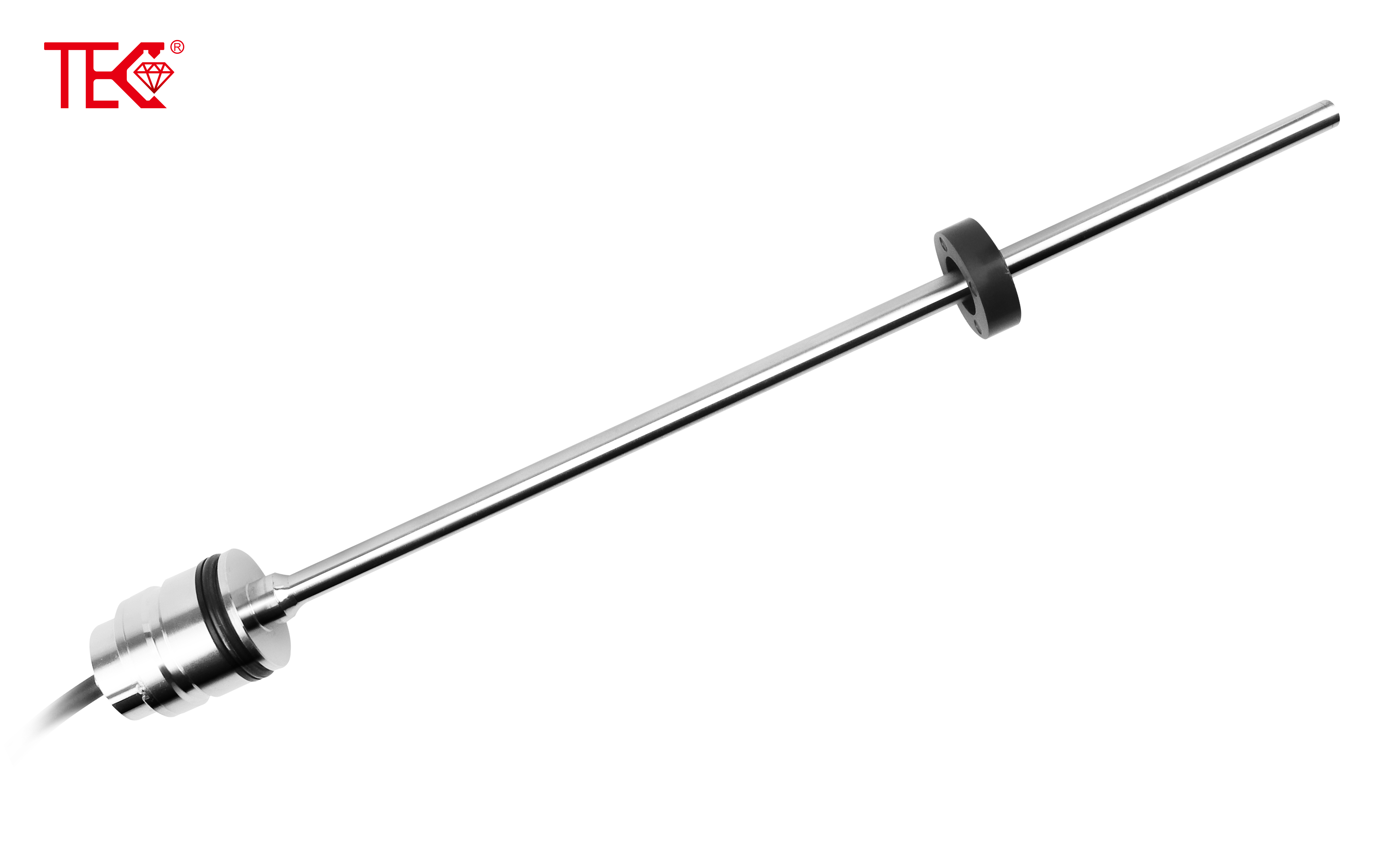
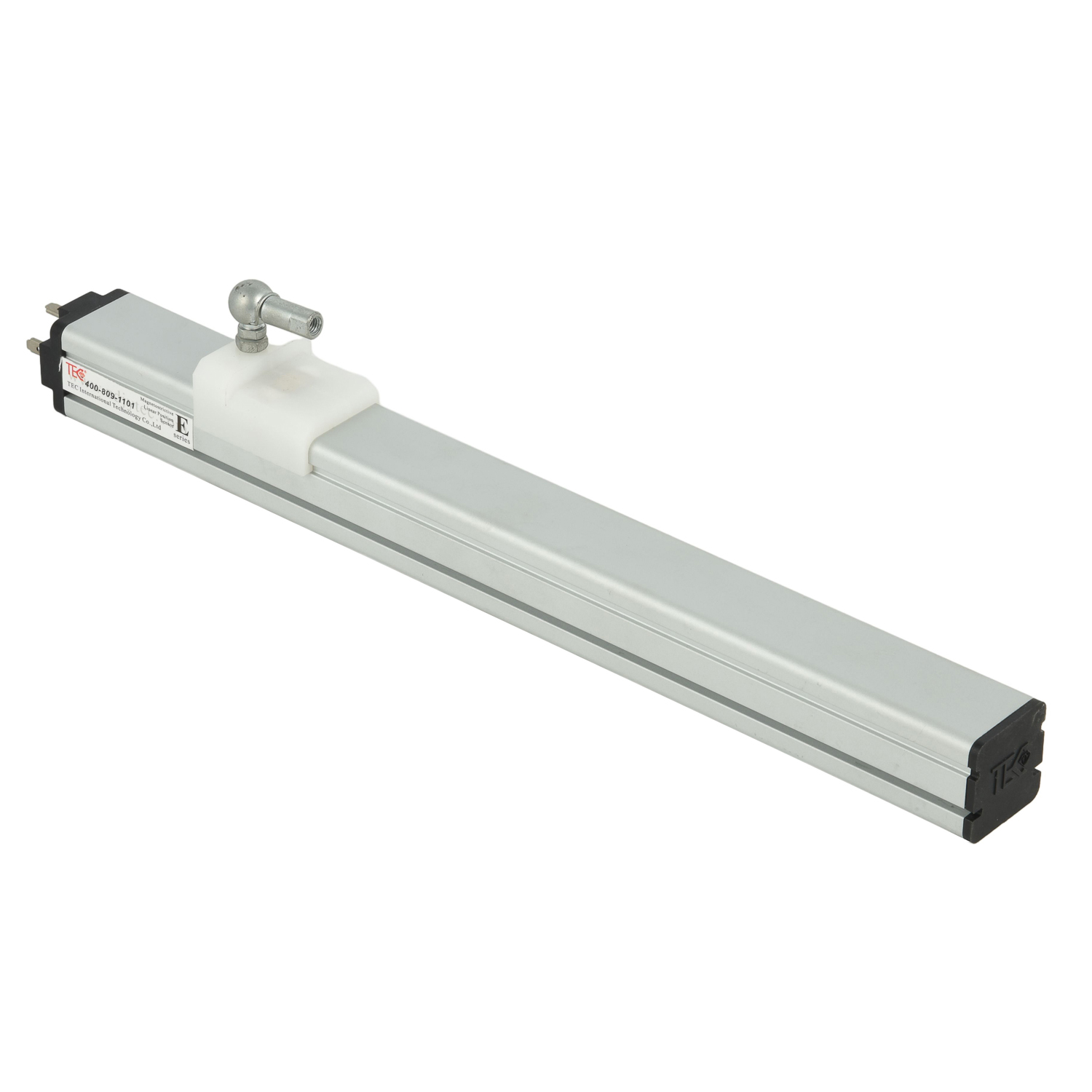
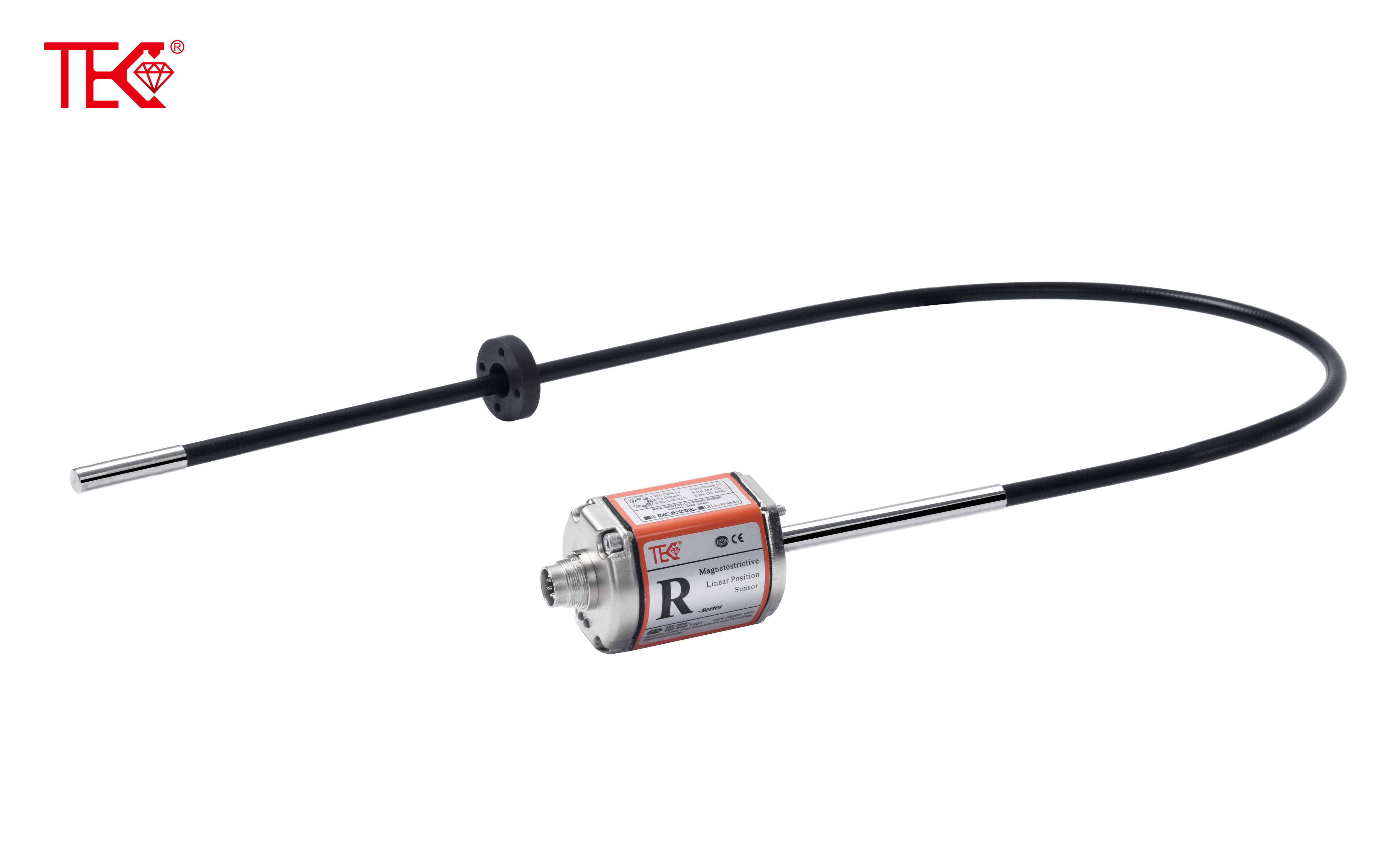
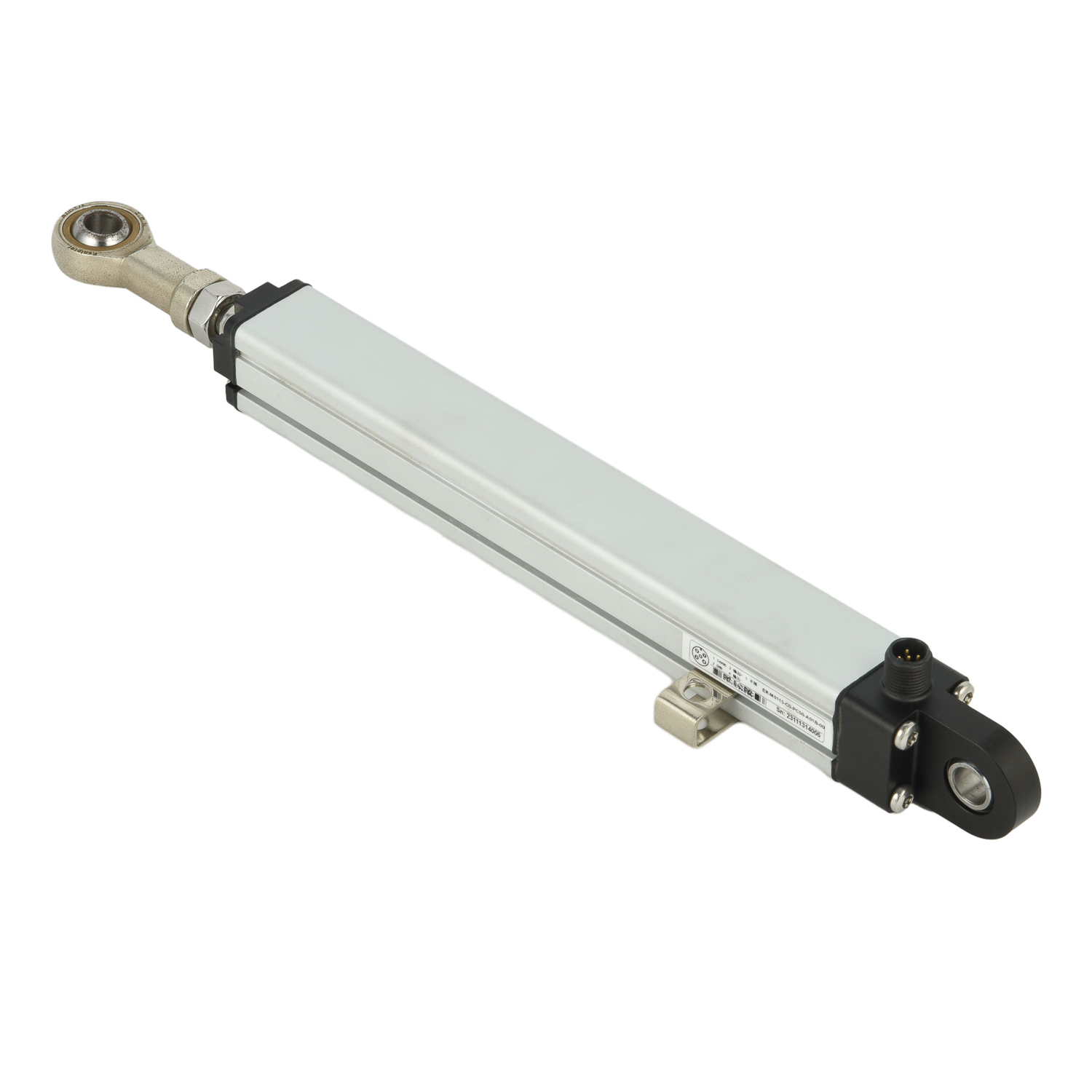
A rod-type LVDT displacement sensor is a rugged linear position device that converts mechanical movement into an electrical signal. LVDT stands for linear variable differential transformer. Inside the sensor, a primary coil is energized with AC current, while two secondary coils are arranged symmetrically. A movable ferromagnetic core, attached to a stainless steel rod, changes the magnetic coupling as it moves. The result is a differential AC output whose amplitude and phase indicate the core position. Because the core does not touch the coils, the sensor offers frictionless operation, near-infinite resolution, excellent repeatability, and a long mechanical life. Rod-type LVDTs are widely used when the measuring point is separate from the sensor body. The rod can be threaded or fitted with a probe tip to contact the target. Typical applications include hydraulic cylinder position feedback, valve stroke monitoring, material testing machines, servo actuators, and industrial automation. They perform well in harsh conditions, including high vibration, dust, moisture, and wide temperature ranges. When selecting a rod-type LVDT, consider measuring range, linearity, sensitivity, excitation frequency, output type, operating temperature, and environmental protection. Signal conditioners convert the AC output into DC voltage, current, or digital data for PLCs and controllers. Correct mounting is important: align the rod with the motion axis, avoid side loads, and allow free movement without over-travel.
 Domestic LVDT Displacement Sen
 LVDT Displacement Sensor Manuf
 Corrosion-resistant LVDT Displ
Rod-type LVDT Displacement Sen
Corrosion-resistant LVDT Displ
Rod-type LVDT Displacement Sen