
Linear Displacement Sensor Fault
Linear displacement sensors measure position, stroke, and movement in industrial automation. A fault can cause poor quality, sudden stops, or wrong position values. Common causes include unstable power, loose wiring, electromagnetic interference, misalignment, worn wipers, moisture, dust, and vibration.
Symptoms often include erratic readings, signal drift, noise, no output, limited range, or calibration failure. The sensor may work only in certain positions or fail when the machine heats up. A failing sensor can also produce intermittent signals, reduced accuracy, or complete loss of feedback, which may trigger alarms and stop production. These signs point to wiring, contamination, wear, or incorrect mounting.
To troubleshoot, check power and voltage first. Inspect cables, plugs, and grounding for damage. Use a multimeter or oscilloscope to verify output. Clean the sensor, check alignment, and tighten mounting screws. If readings remain unstable, test with a known reference and replace worn parts.
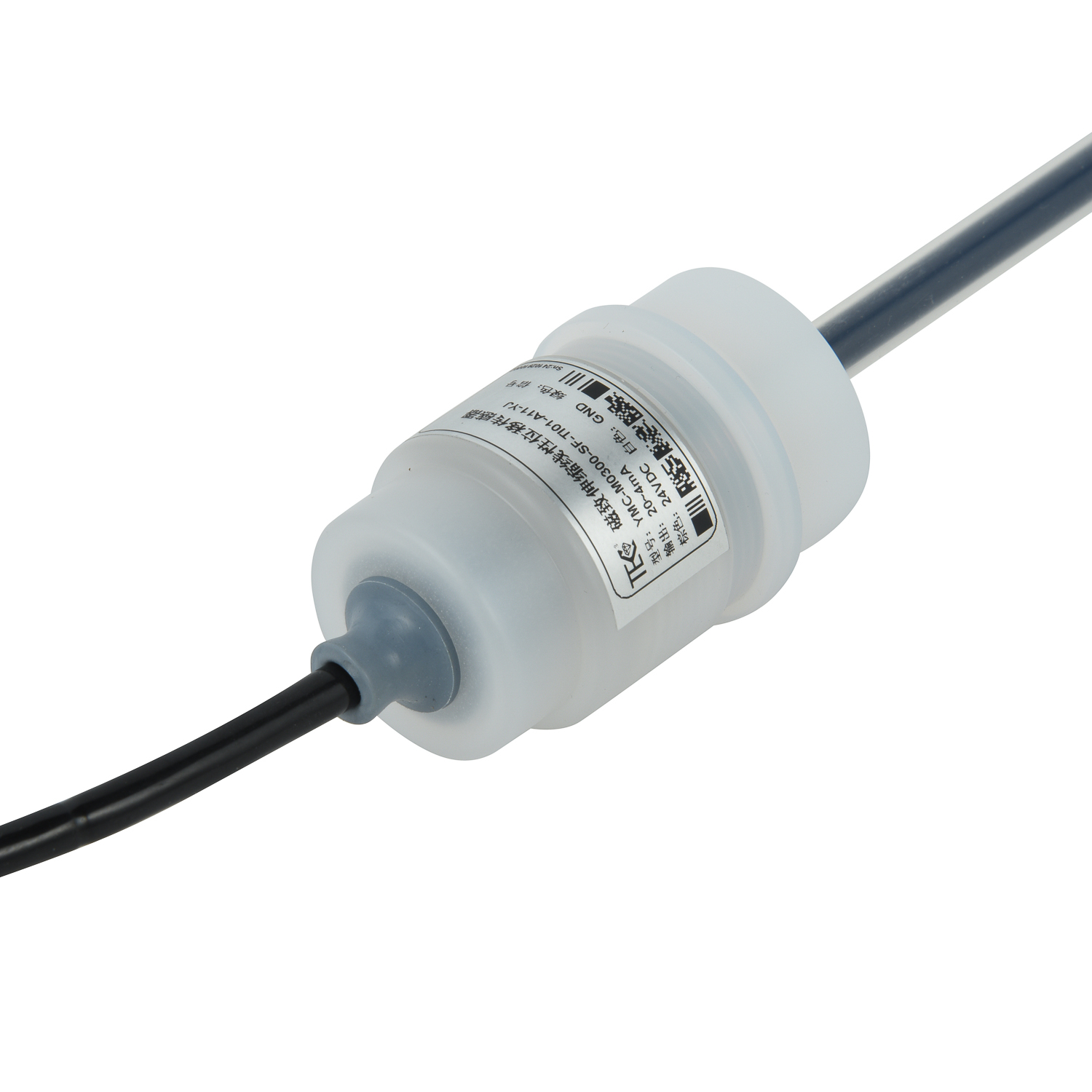
Preventive maintenance reduces downtime. Use shielded cables, stable voltage, and good grounding. Protect the sensor from moisture, dust, and impact. Inspect and calibrate it regularly. Keep records of calibration and replacement dates to spot recurring faults. When replacing a sensor, match range, output type, resolution, and environmental rating. A systematic check of power, wiring, mechanics, and environment will solve most linear displacement sensor faults and improve reliability.
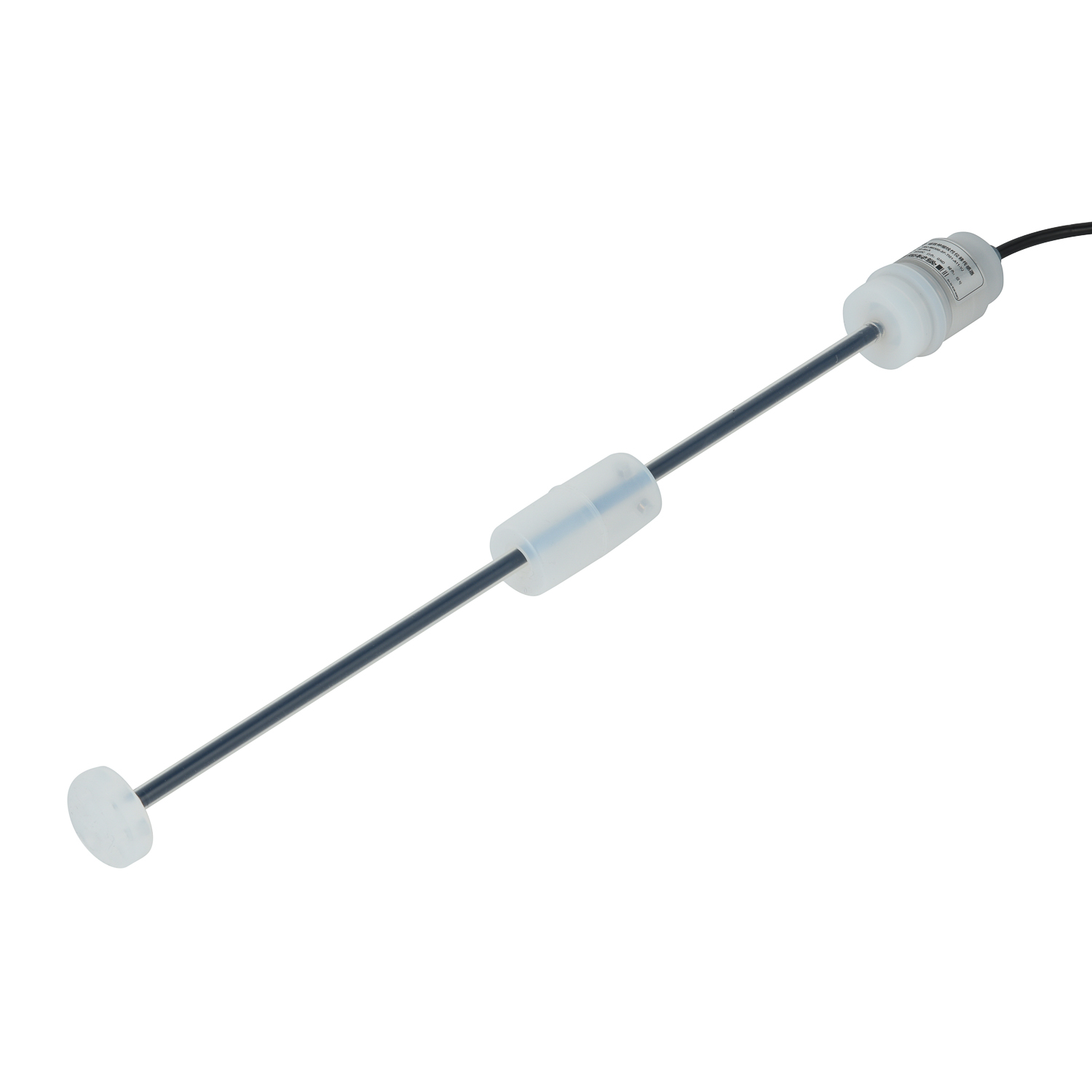 LVDT Displacement Sensor
Linear Displacement Sensor Fau
LVDT Displacement Sensor
Linear Displacement Sensor Fau
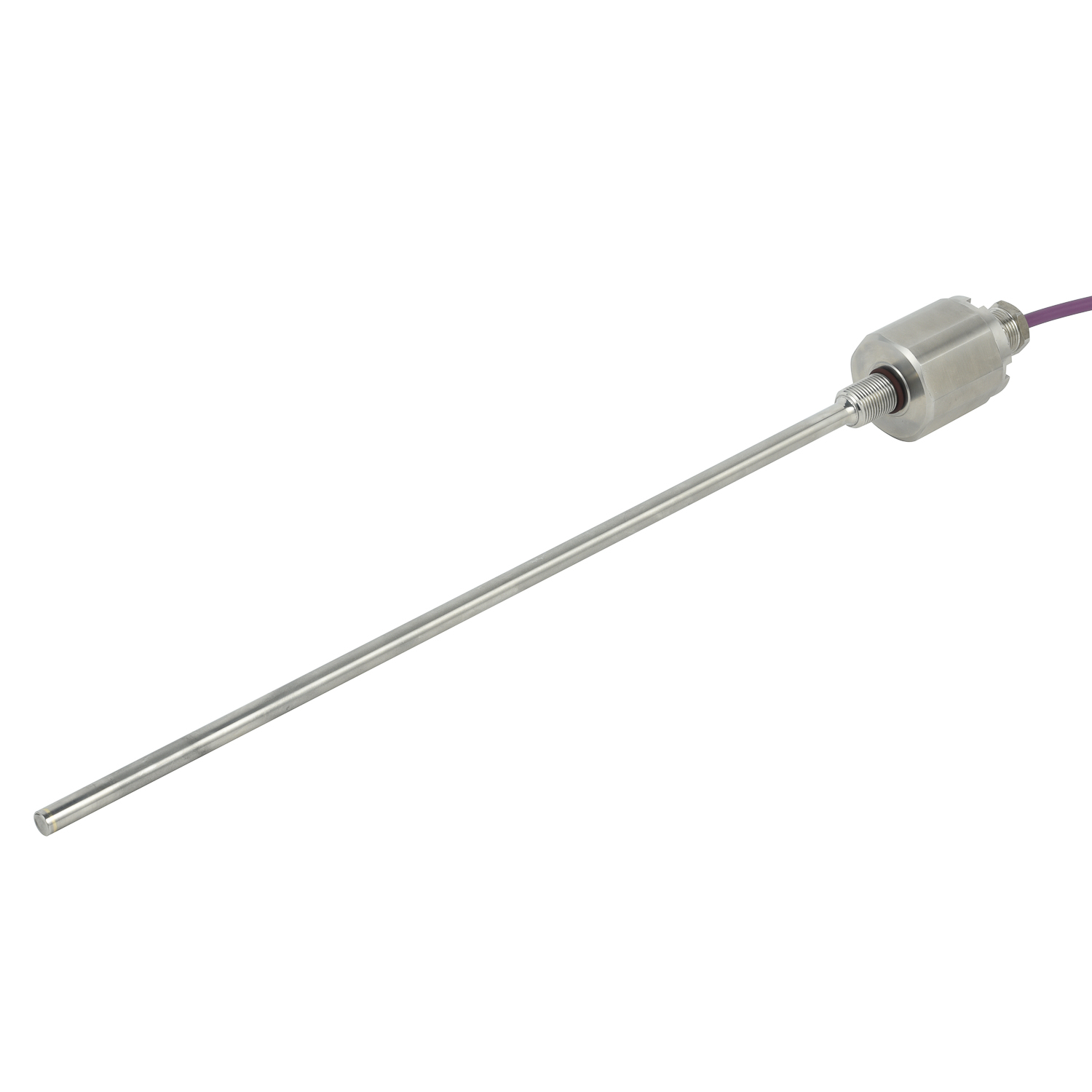 Field Application of Linear Di
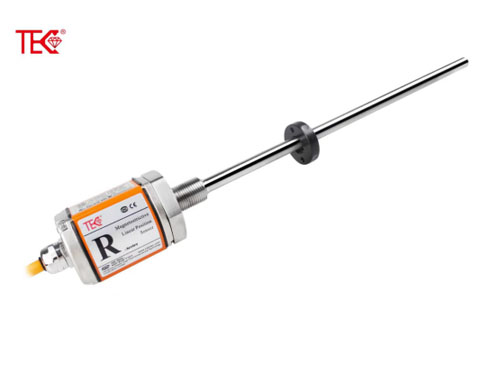 Model and Specification of Lin