
LVDT Displacement Sensor
An LVDT displacement sensor is a linear variable differential transformer used to measure linear position with high accuracy. It converts mechanical movement into an electrical signal through electromagnetic induction. The core components are a primary coil, two secondary coils, and a movable iron core. When an AC excitation voltage is applied to the primary coil, the secondary coils produce voltages. Moving the core changes the magnetic coupling, so the differential output indicates position and direction.
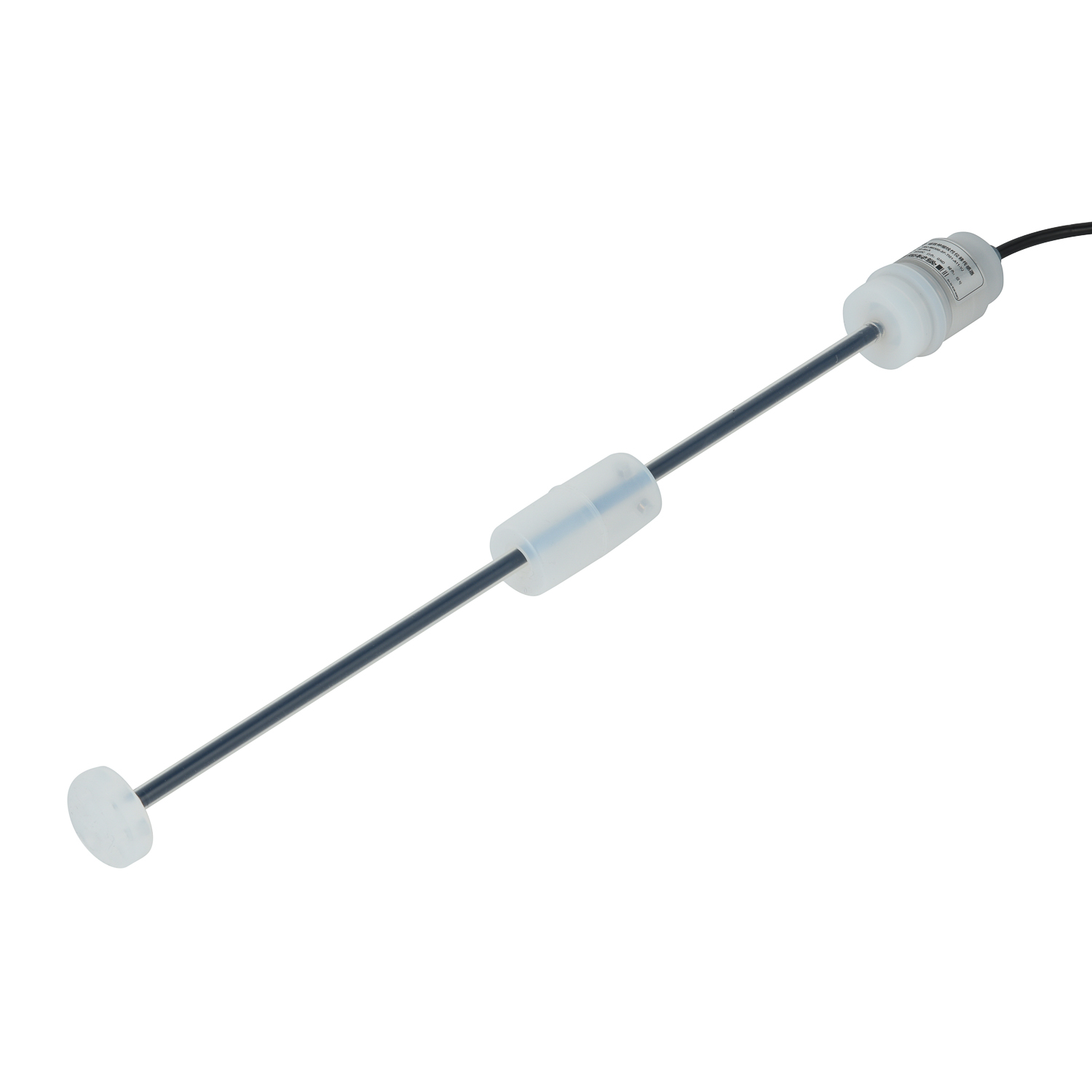
Because the core does not touch the coils, LVDT sensors offer frictionless operation, long life, and excellent resolution. They are rugged, stable, and resistant to harsh environments. Typical applications include industrial automation, hydraulic cylinder feedback, aerospace, robotics, automotive testing, and laboratory research. They are ideal for measuring small displacements as well as longer strokes when packaged in a suitable housing.
Selecting an LVDT requires attention to stroke range, linearity, sensitivity, excitation frequency, output type, temperature range, and mounting style. AC LVDTs need signal conditioning, while DC LVDTs include built-in electronics for easy integration. Proper installation and calibration help ensure reliable performance and accurate data.
An LVDT displacement sensor is a trusted solution for precise linear measurement in many systems today. Its frictionless design, durability, and repeatable output ensure dependable position feedback.
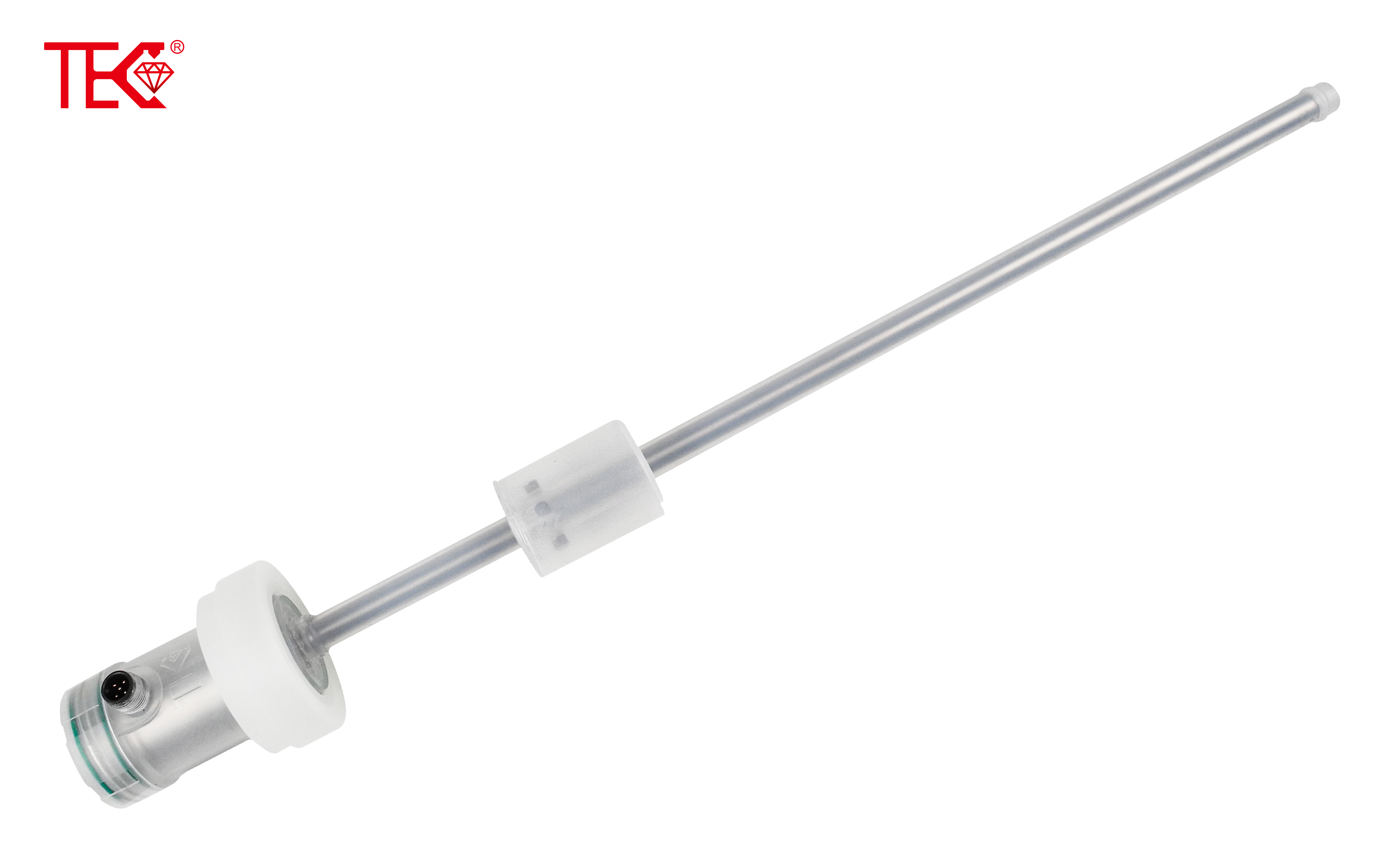 Explosion-proof LVDT Displacem
LVDT Displacement Sensor
Explosion-proof LVDT Displacem
LVDT Displacement Sensor
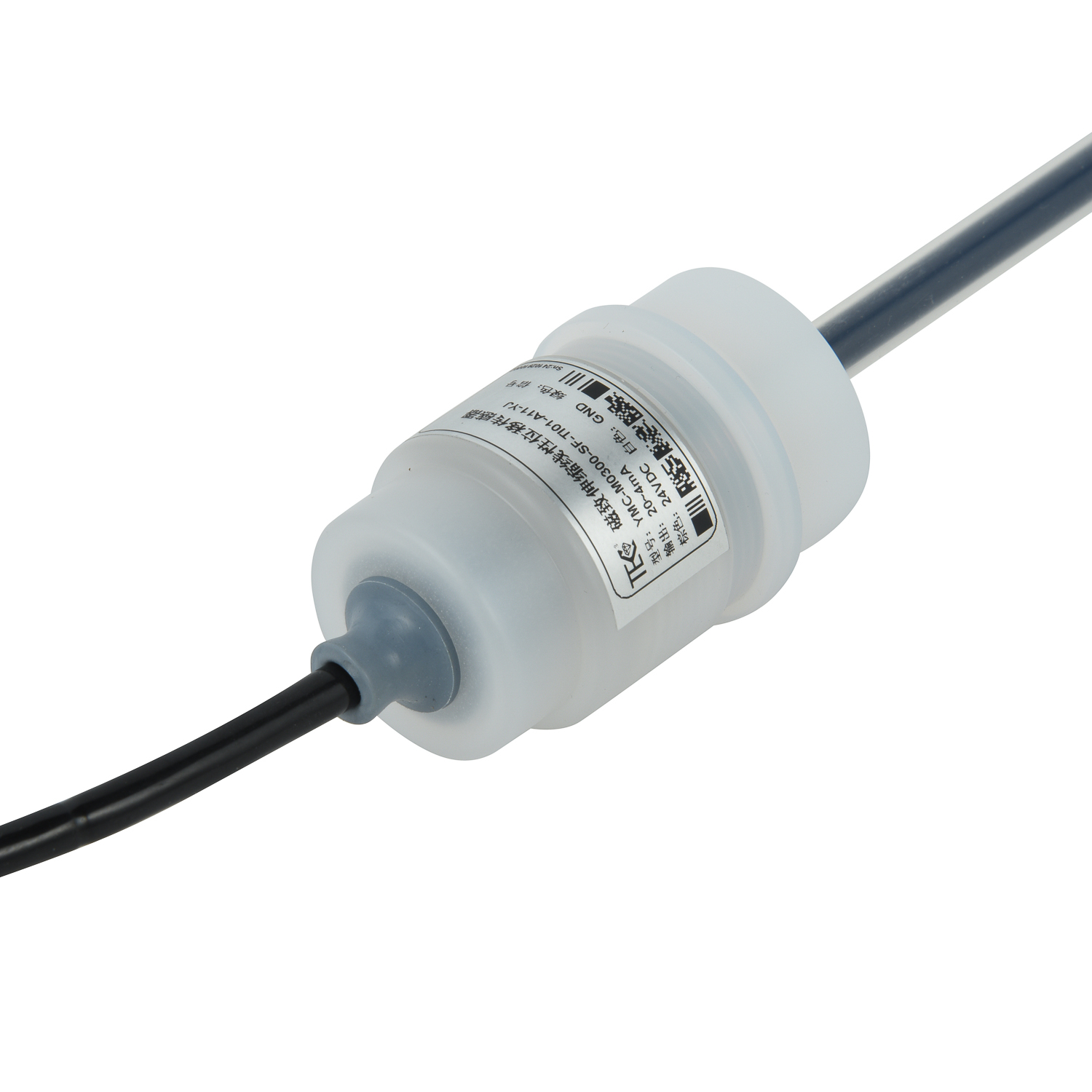 Linear Displacement Sensor Fau
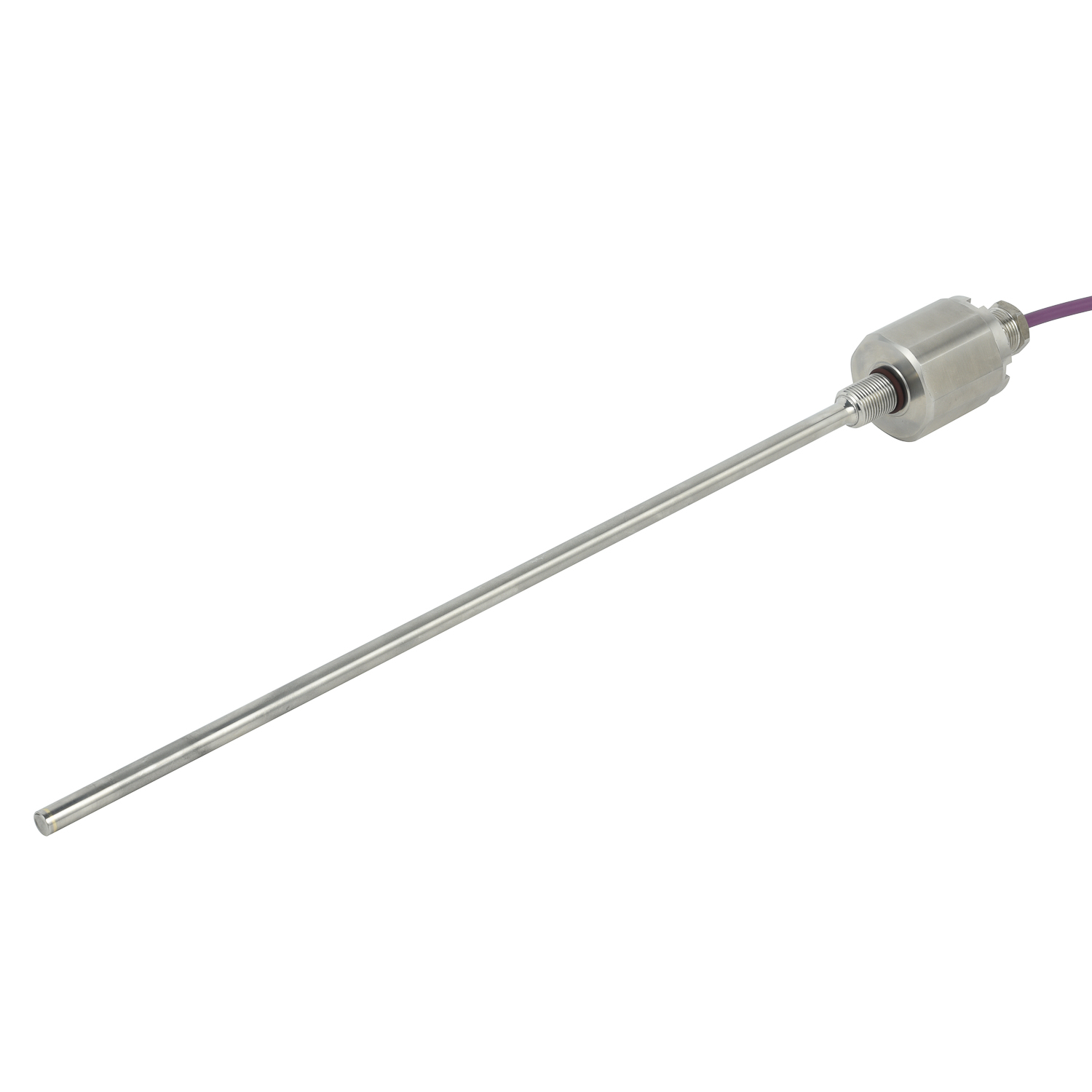 Field Application of Linear Di