
Field Application of Linear Displacement Sensor
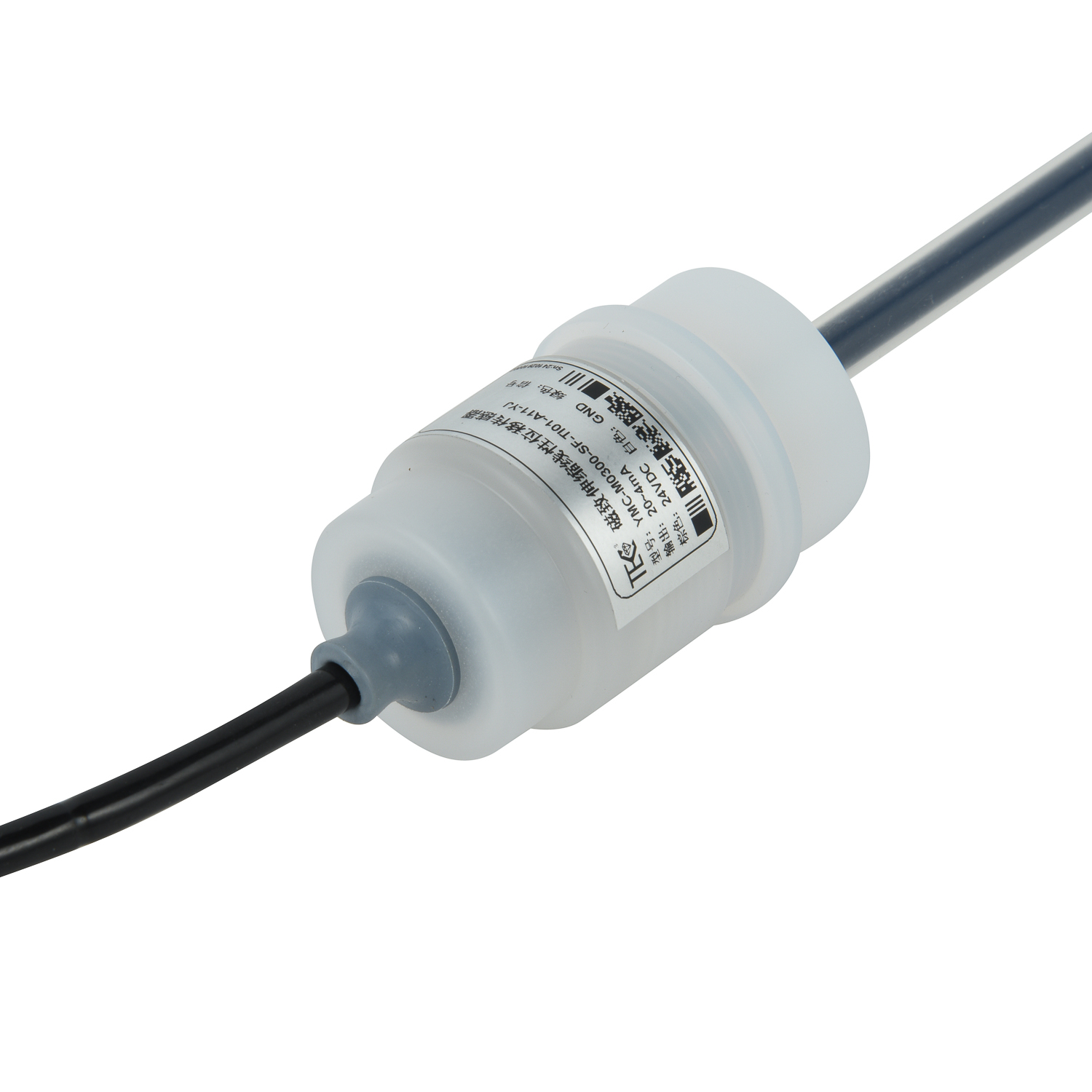
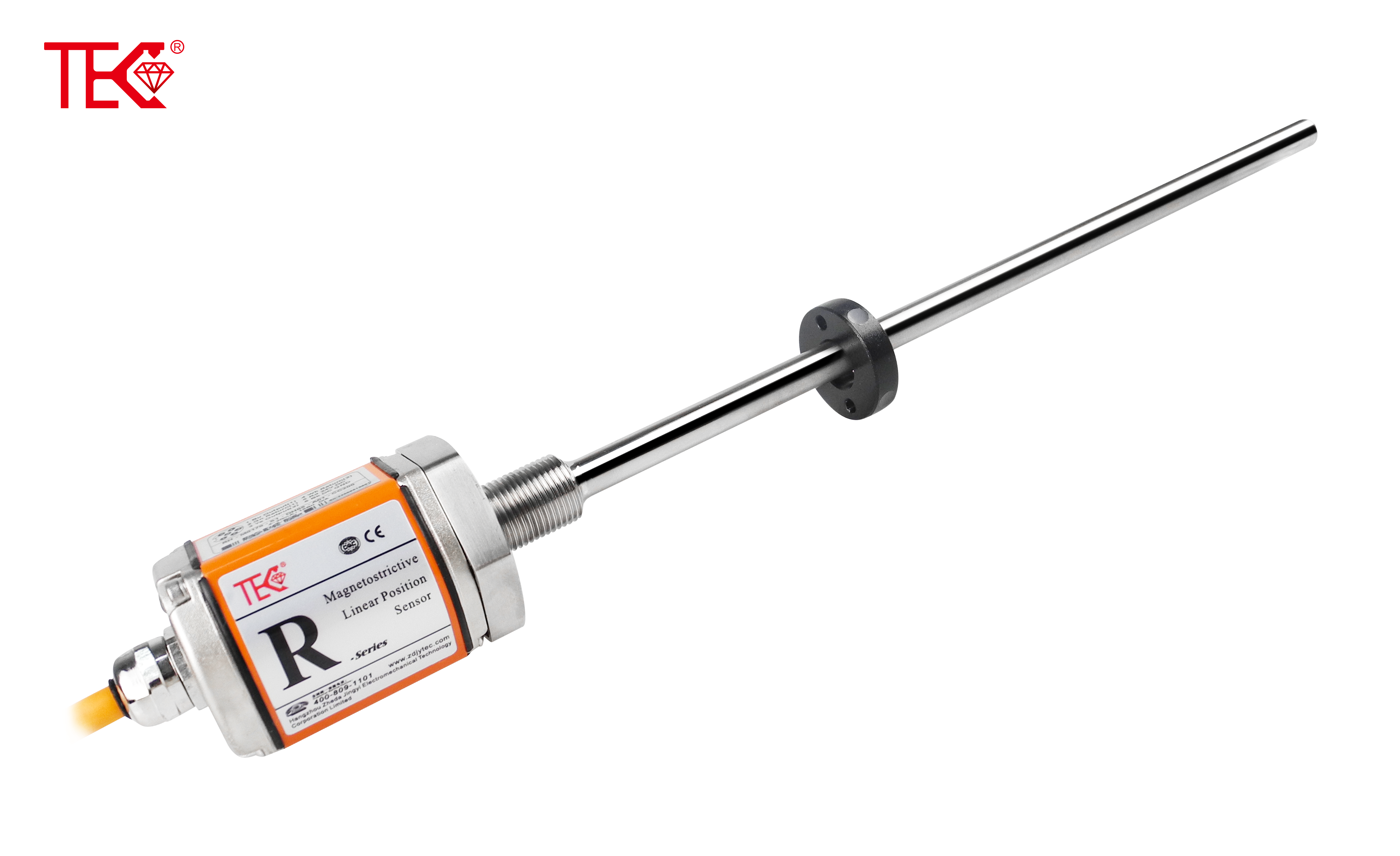
Linear displacement sensors convert straight-line motion into precise electrical signals. In the field, they monitor position, stroke, deformation, and alignment in real time. Their rugged designs tolerate dust, vibration, moisture, and temperature changes, so they are widely used in industrial automation, energy, transportation, civil engineering.
In hydraulic and pneumatic systems, these sensors are mounted inside or beside cylinders to measure piston stroke. Excavators, cranes, injection molding machines, and mobile machinery use this feedback to control speed, force, and positioning. Magnetostrictive and LVDT models offer stable output under high pressure and repeated cycling.
Machine tools and robotics rely on linear displacement sensors for closed-loop motion control. They verify slide position, detect tool wear, and ensure repeatable machining. In assembly lines, sensors check part dimensions, press depth, and actuator travel, reducing rejects and downtime.
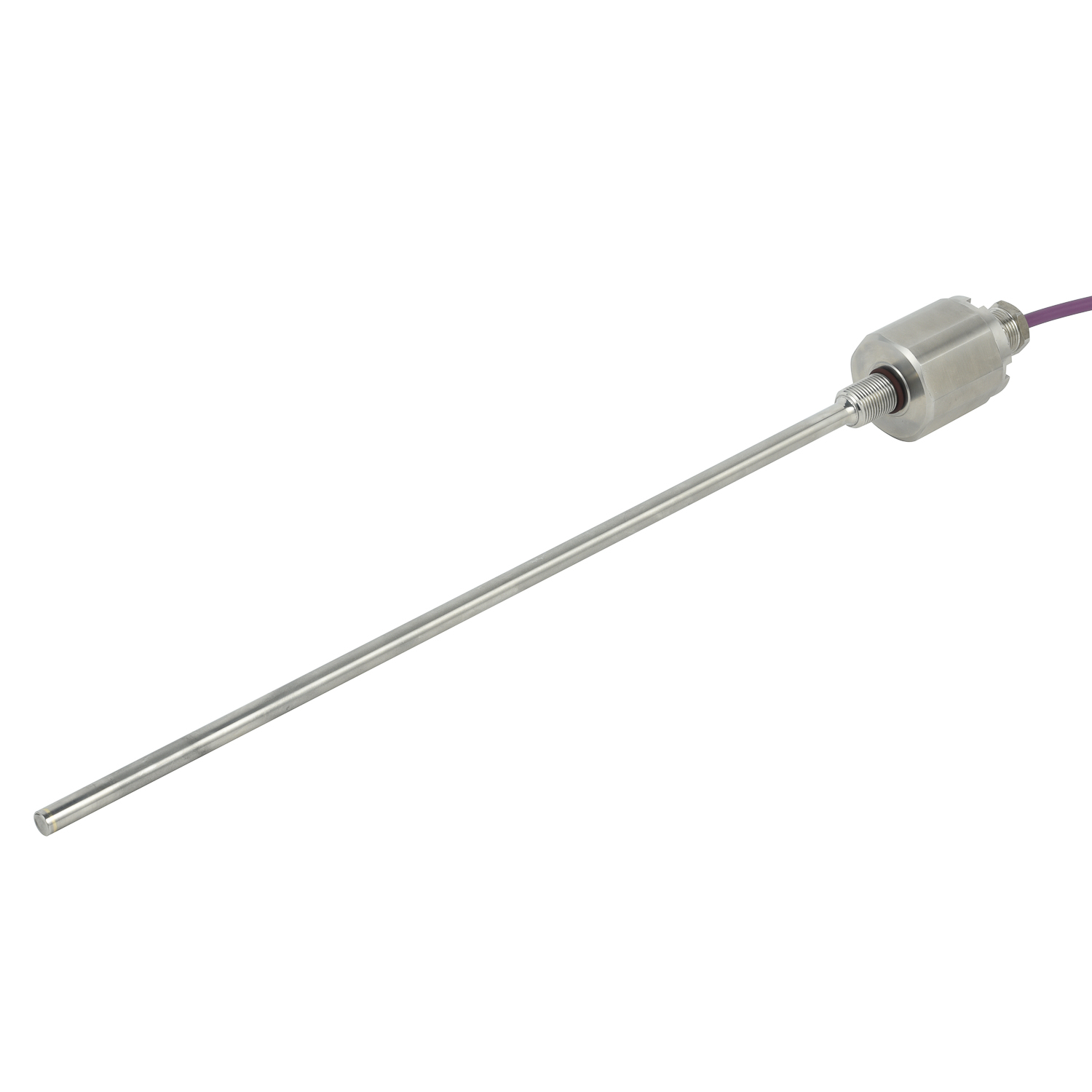
Civil monitoring uses them to track cracks, joint movement, bridge deflection, and foundation settlement. Long-term installations need waterproof housings, corrosion-resistant materials, and low power consumption. Data loggers send measurements to central systems for safety alerts and maintenance planning.
Field-ready selection depends on stroke, accuracy, output, IP rating, and temperature. Proper installation and calibration ensure reliable data. As Industry 4.0 grows, these sensors remain vital for smart operations.
 Linear Displacement Sensor Fau
Field Application of Linear Di
Linear Displacement Sensor Fau
Field Application of Linear Di
 Model and Specification of Lin
 Import Substitute Linear Displ