
Model and Specification of Linear Displacement Sensor
Linear displacement sensors convert mechanical movement into an electrical signal. Their model and specification determine accuracy, durability, and system compatibility. Common types include LVDT, potentiometric, magnetostrictive, inductive, and eddy current sensors. They serve industrial automation, hydraulic cylinders, testing machines, and robotics.
When reviewing a model, first check the measuring range. Standard ranges cover 10 mm to 1000 mm. Choose a range slightly above the maximum travel to avoid mechanical damage. Output signal is equally important. Popular options are 0-10 V, 4-20 mA, 0-5 V, RS485, SSI, CANopen, and incremental pulses. The signal must match the PLC, controller, or data logger.
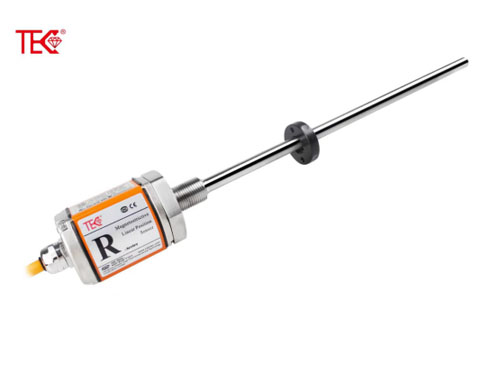
Key specifications include linearity, resolution, repeatability, hysteresis, and temperature coefficient. High-end sensors offer linearity of +/-0.05% FS and resolution in micrometers. Repeatability ensures stable readings under repeated motion. Operating voltage, current consumption, IP rating, and operating temperature range affect installation. For harsh environments select IP67 or IP68 and rugged stainless-steel housing.
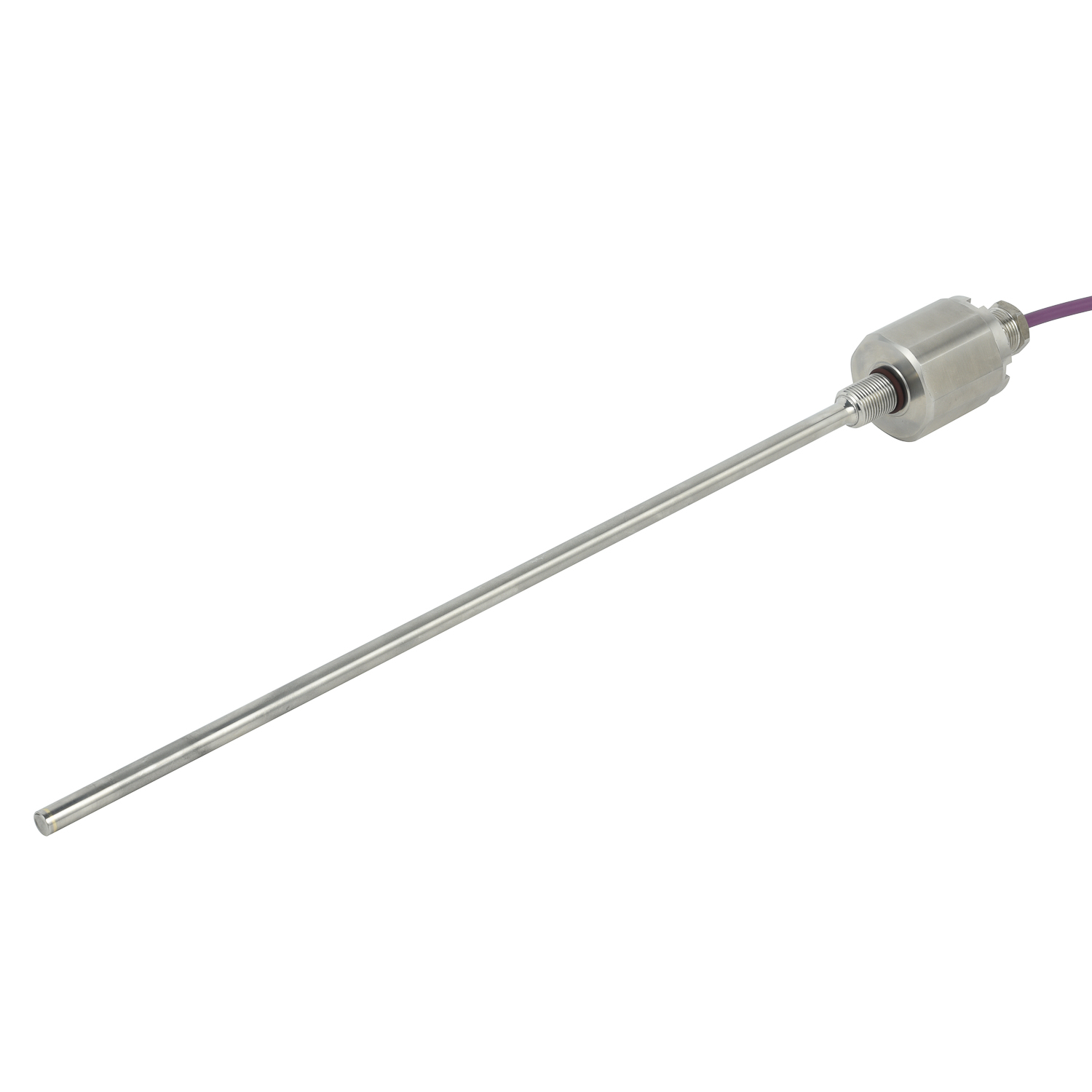
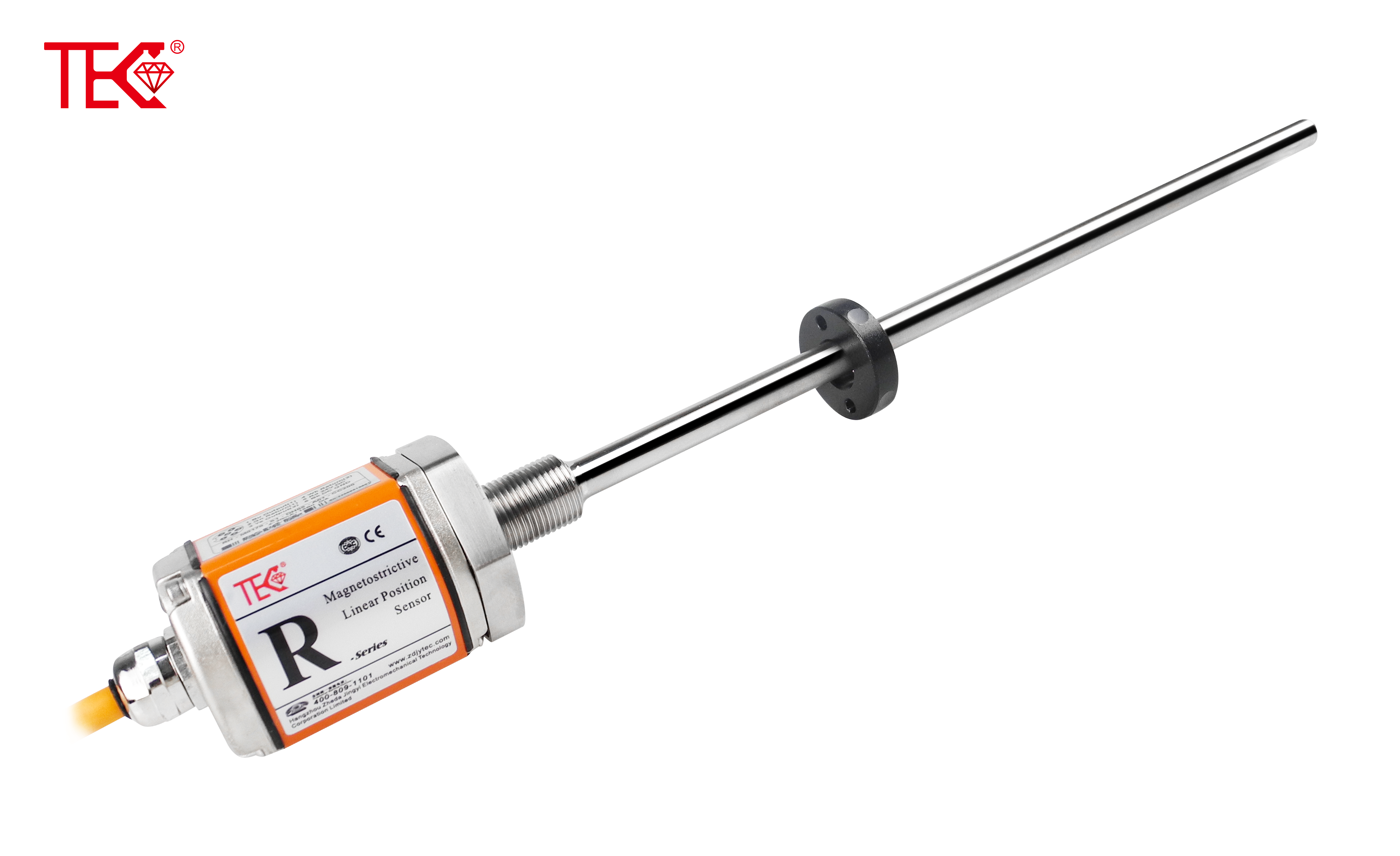
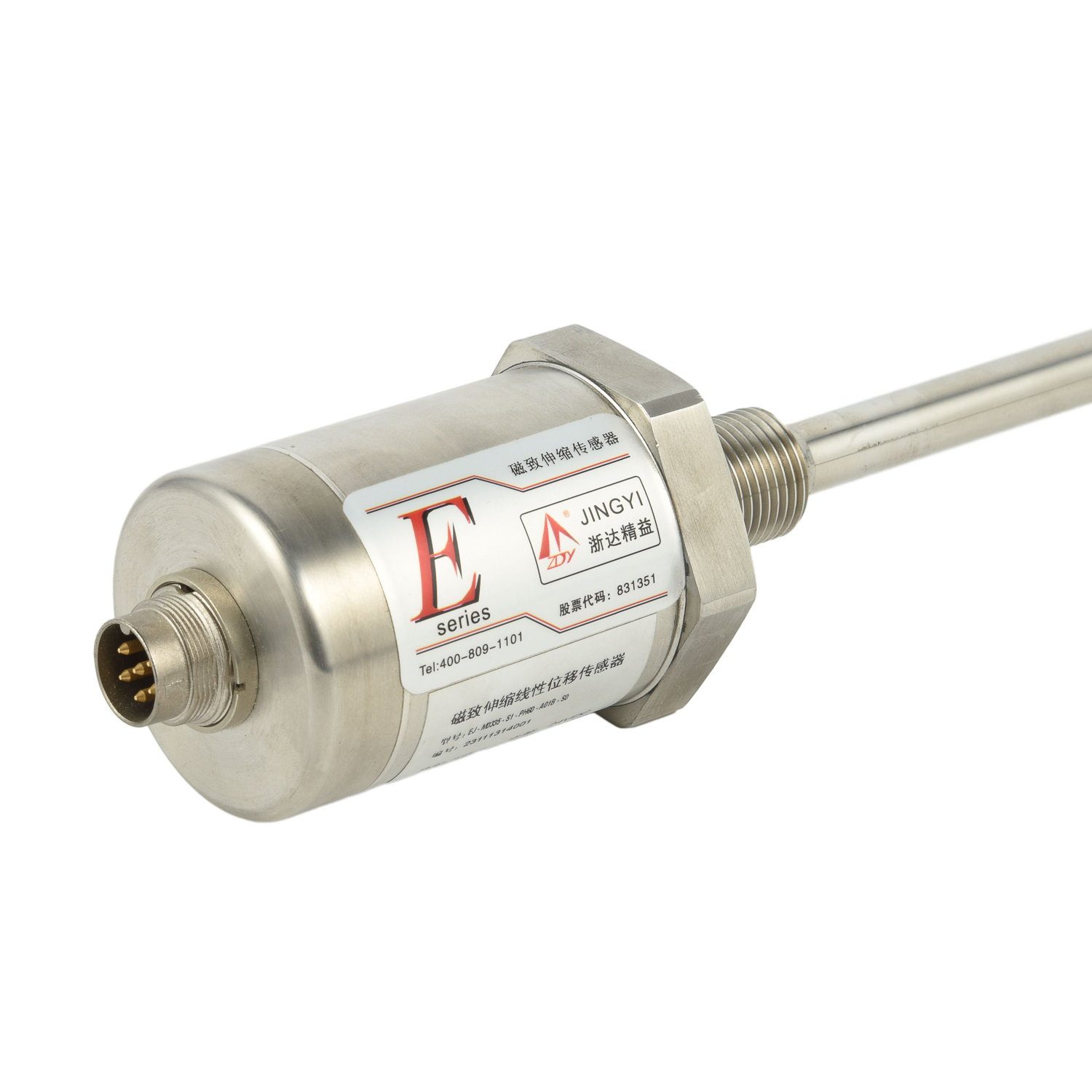
Mechanical specifications include rod diameter, thread size, mounting style, cable length, and connector type. Some models use spring-loaded probes; others use threaded rods, ball joints, or flange mounts. Response time and vibration resistance matter in applications. For long-stroke hydraulic systems, magnetostrictive sensors provide absolute position.
 Field Application of Linear Di
Model and Specification of Lin
Field Application of Linear Di
Model and Specification of Lin
 Import Substitute Linear Displ
 Installation Method of Linear