
Import Substitute Linear Displacement Sensor
Import substitute linear displacement sensors are designed to replace imported LVDT, inductive, and magnetostrictive sensors in industrial measurement systems. As supply chain risks, high costs, and long lead times affect automation projects, many manufacturers seek reliable domestic alternatives. These sensors convert linear motion into precise electrical signals, offering micron-level repeatability, high resolution, and stable output for position feedback.
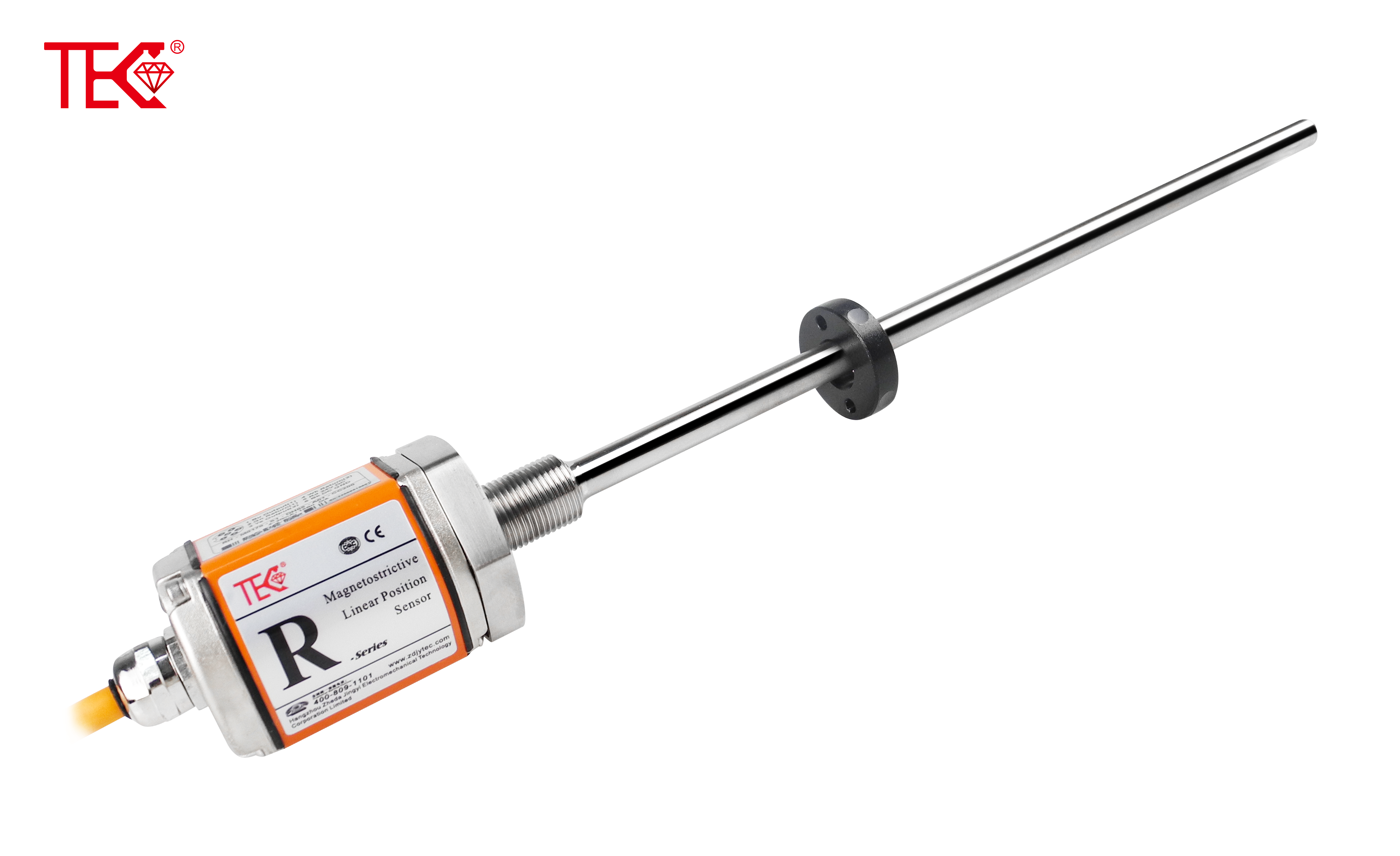
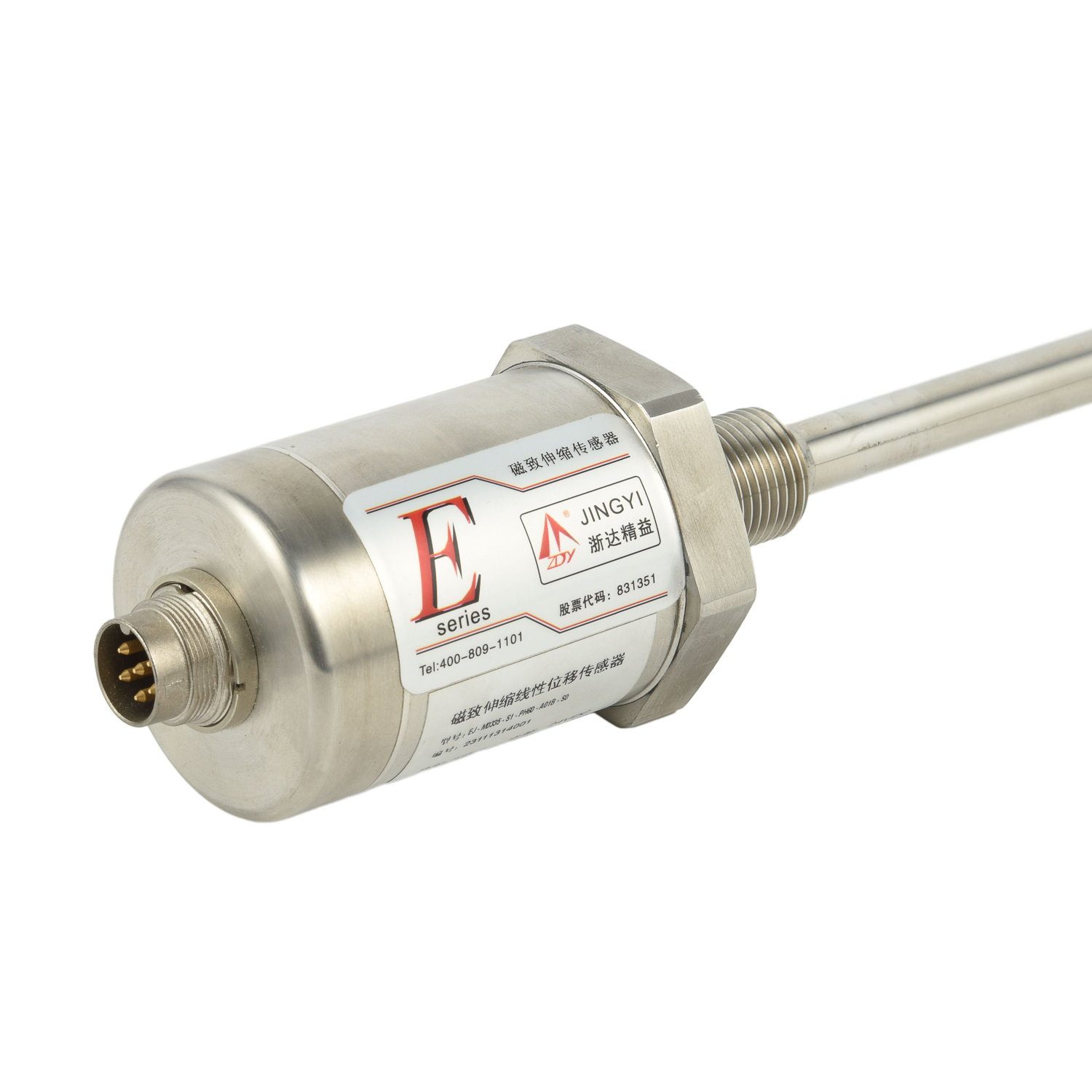
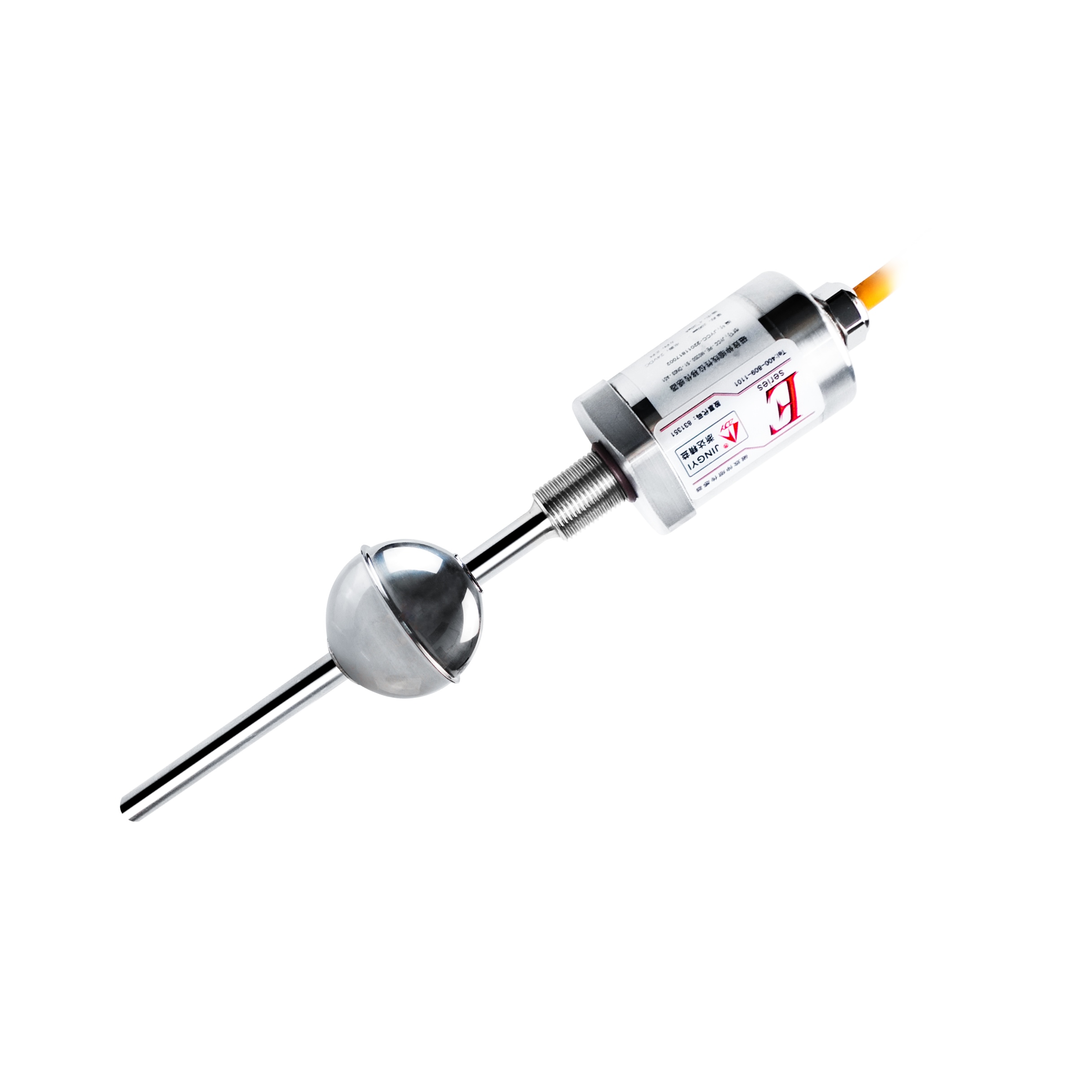
A quality import substitute model must match original mechanical dimensions, electrical interfaces, and environmental ratings. It should provide analog voltage, current, SSI, CANopen, or Modbus outputs, allowing drop-in replacement without redesign. Key specifications include measuring range from 10 mm to 1000 mm, linearity up to 0.05% FS, protection class IP67 or higher, and operating temperatures from -40 C to +85 C. Robust materials and non-contact sensing reduce wear, extending service life in harsh conditions.
Typical applications include hydraulic cylinder positioning, injection molding machines, metal forming, packaging equipment, CNC tools, and testing benches. By choosing an import substitute linear displacement sensor, factories reduce procurement risk, shorten delivery time, and lower maintenance costs while maintaining measurement accuracy. Successful substitution requires validation: compare stroke, output signal, mounting thread, connector type, EMC performance, and vibration resistance. With proper selection and calibration, domestic sensors can deliver dependable, cost-effective performance for modern industrial automation.
 Model and Specification of Lin
Import Substitute Linear Displ
Model and Specification of Lin
Import Substitute Linear Displ
 Installation Method of Linear
 Working Principle of Linear Di