
Linear Displacement Sensor Price
Linear displacement sensors measure straight-line movement and convert it into an electrical signal. Prices vary by accuracy, durability, and integration needs. A basic potentiometric sensor may cost $20-$80, while an industrial LVDT or magnetostrictive sensor ranges from $150 to over $1,000. High-precision or custom models can exceed several thousand dollars.
Several factors shape linear displacement sensor price. Technology matters: potentiometric types are affordable but wear, while LVDT sensors are frictionless and reliable but cost more. Magnetostrictive sensors handle long strokes and harsh use, so they cost more. Measurement range affects cost; longer strokes need more material and precision. Higher accuracy, repeatability, and temperature stability raise prices. Output and protection matter: 0-10V, 4-20mA, RS485, CANbus, or IO-Link add cost, while IP67, IP68, and stainless steel housing increase price for harsh use.
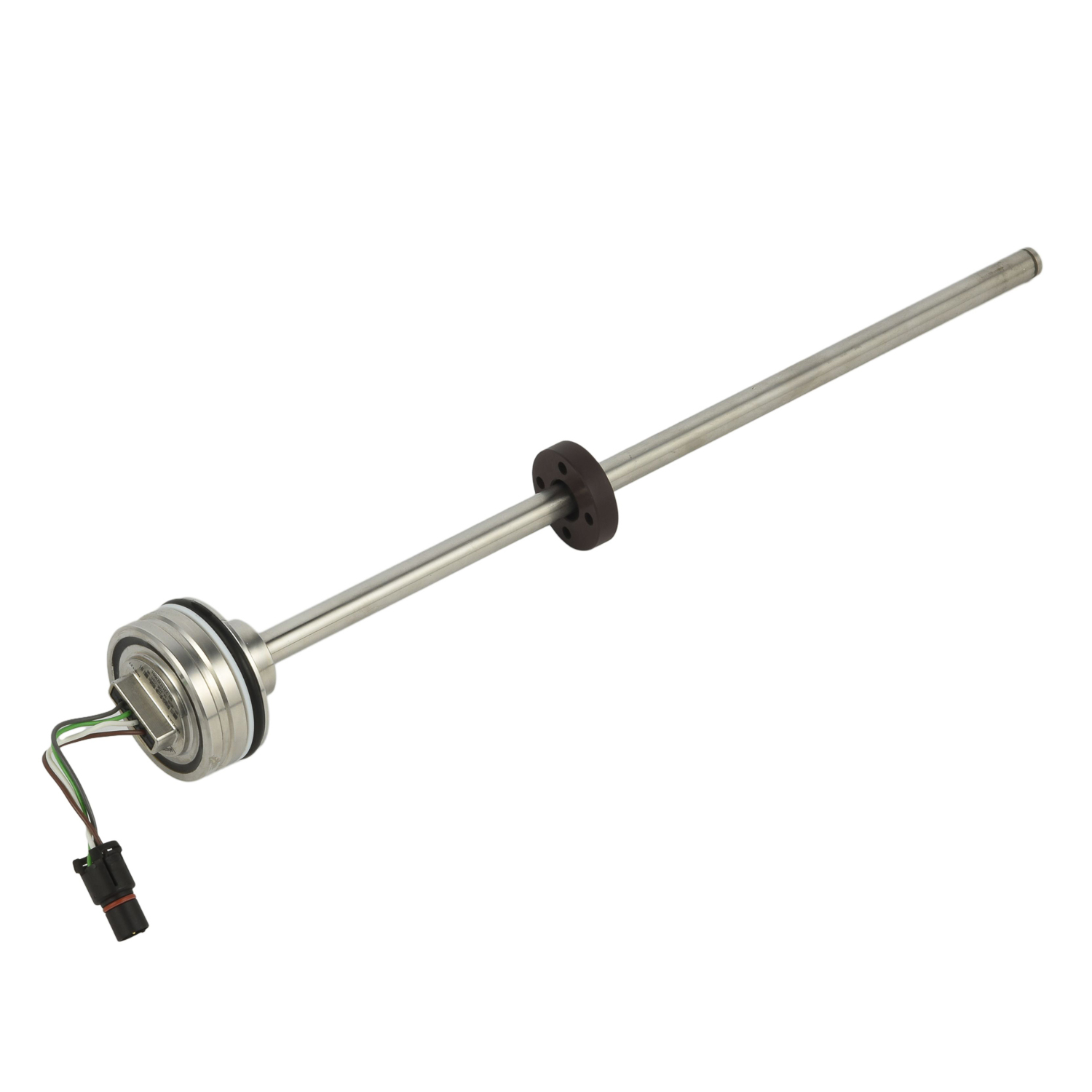
Brand, certification, warranty, and support also affect price. Custom cables, connectors, mounting brackets, and calibration add cost. Bulk orders lower unit price.
To buy wisely, define your application. Need micron accuracy or simple feedback? What stroke length and environment? Compare total cost, not just price. A cheap sensor may fail early and cause downtime. Look for suppliers with datasheets, test reports, and support. Budget projects can use potentiometric or Hall-effect sensors. Industrial automation favors LVDT and magnetostrictive sensors for long-term value.
Linear Displacement Sensor Pri
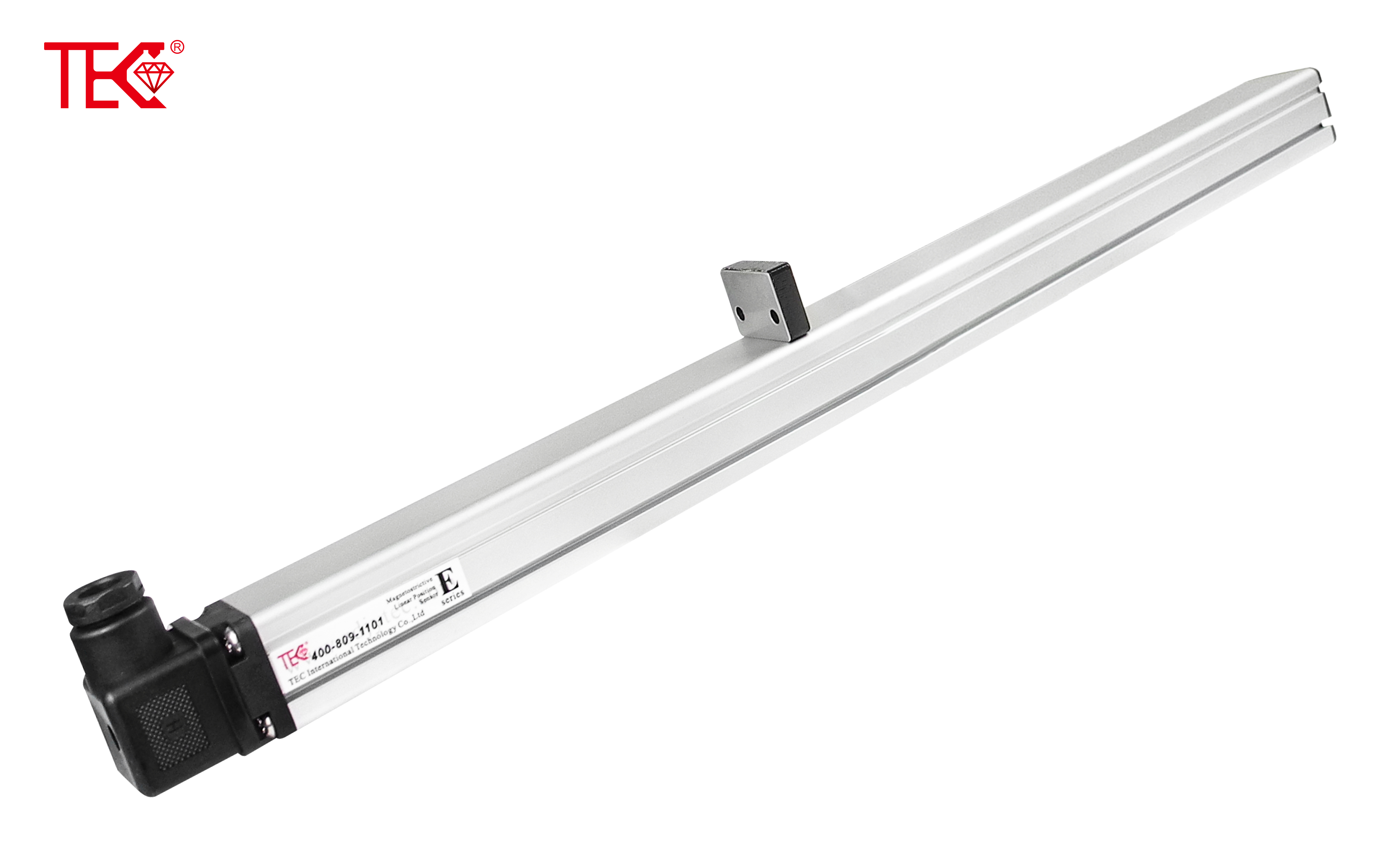 Linear Displacement Sensor Sel
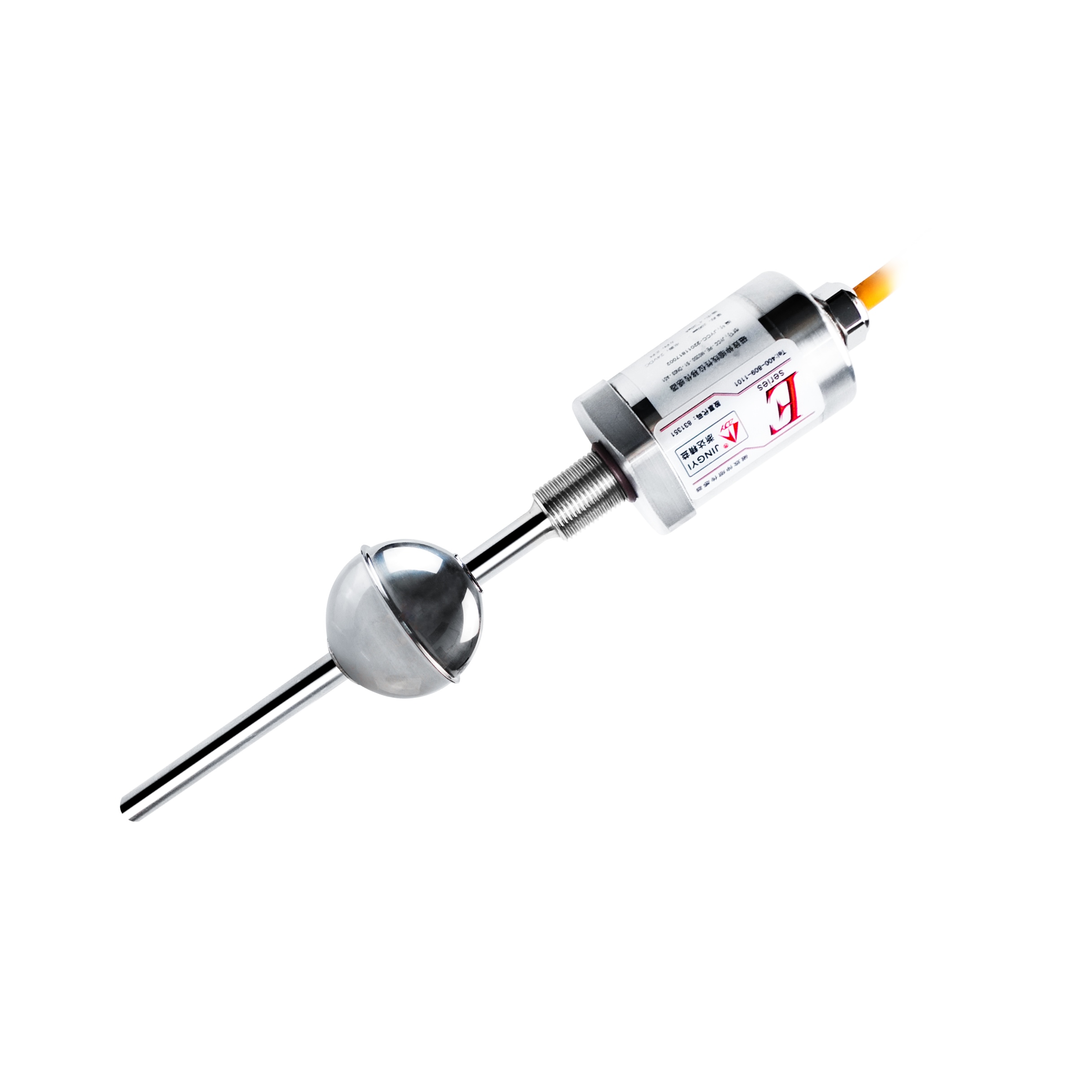 Domestic Linear Displacement S
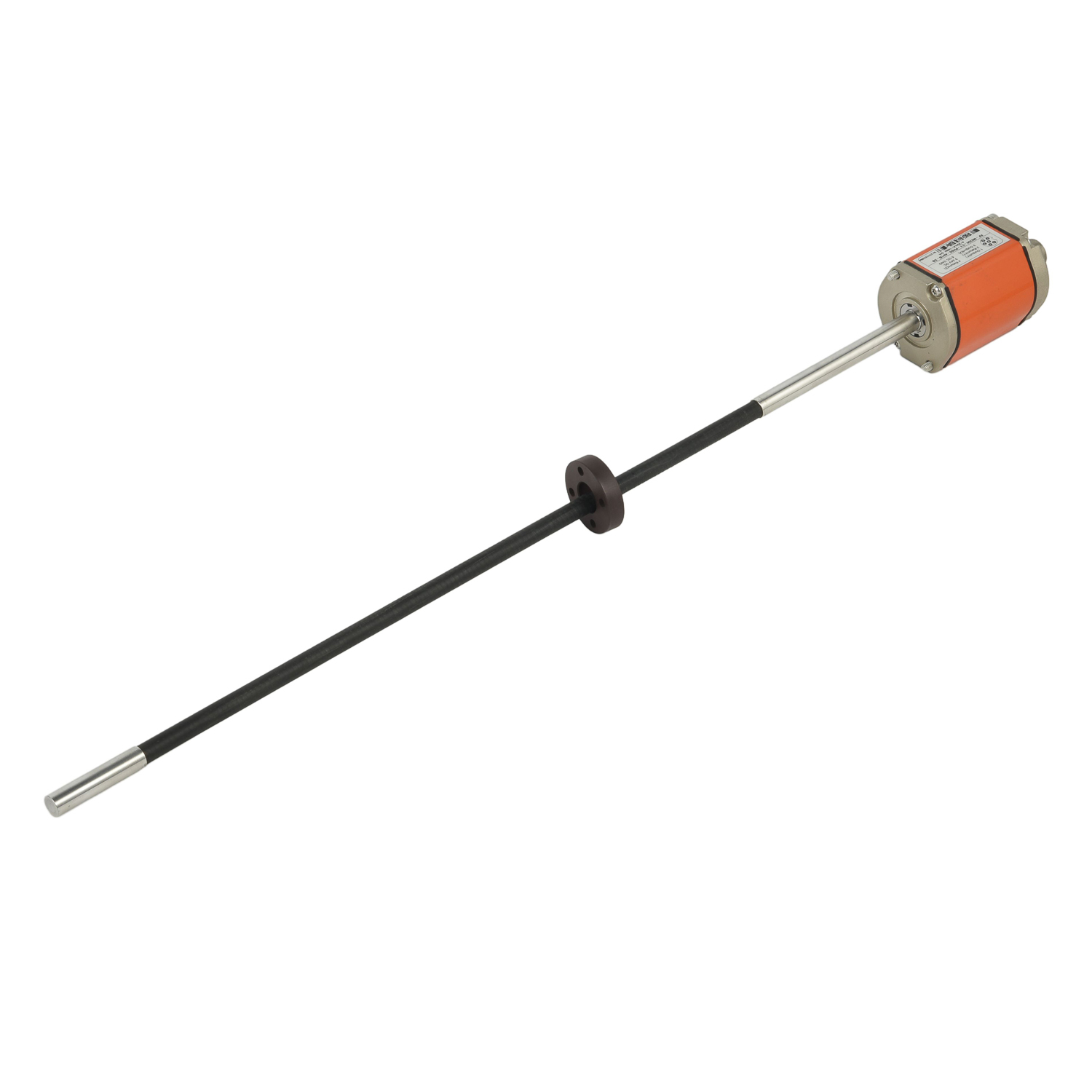 Linear Displacement Sensor Man