
Linear Displacement Sensor Selection
Selecting a linear displacement sensor begins with the measurement task. Define the required stroke, overtravel, and installation space. Too short cannot cover full motion; too long may cost more.
Next, specify accuracy, resolution, linearity, and repeatability. Metrology may need micron performance. General industrial feedback may accept lower accuracy. Consider temperature drift, because it can affect readings in changing environments.
Output type is critical. Analog 0-10 V or 4-20 mA outputs are simple but noise-sensitive. Digital outputs such as SSI, CANopen, IO-Link, or encoder pulses offer noise immunity and easy controller integration. Choose a protocol compatible with your PLC.
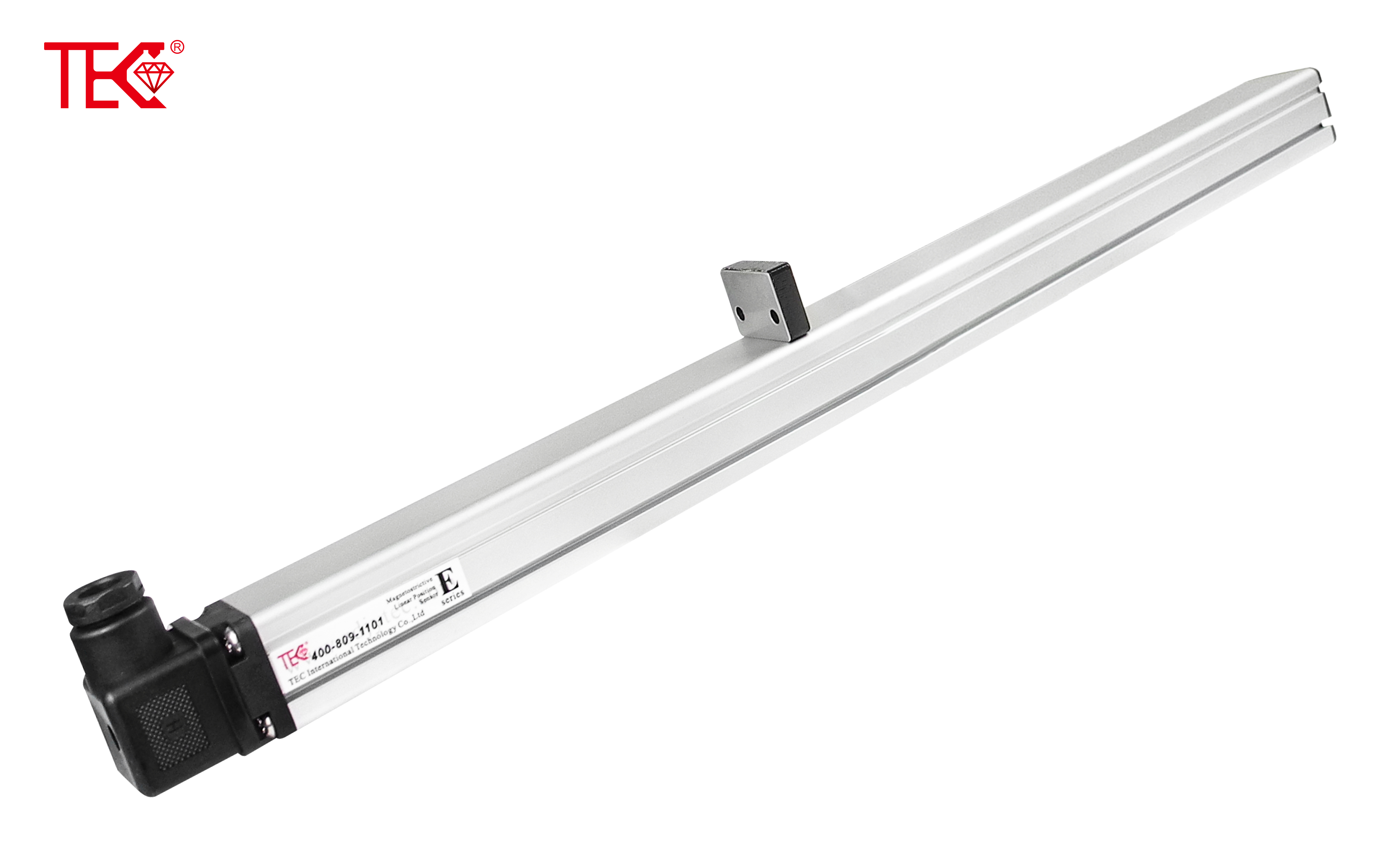
The sensing principle matters. LVDT sensors provide frictionless, rugged, highly repeatable measurement. Linear encoders deliver high resolution and speed. Potentiometric sensors are low cost but wear over time. Magnetostrictive and eddy-current sensors suit harsh or high-speed duties.
Environment and mounting decide reliability. Check IP rating and resistance to dust, moisture, vibration, and chemicals. Confirm high pressure, vacuum, or extreme temperature needs. Review free-core, guided, spring-loaded, or rod-style mounting. Proper alignment prevents side loading and extends life.
Finally, evaluate total cost, including cabling, connectors, signal conditioners, calibration, and maintenance. A stable, well-sealed sensor often lowers downtime. Match range, accuracy, output, principle, and environment for reliable measurement.
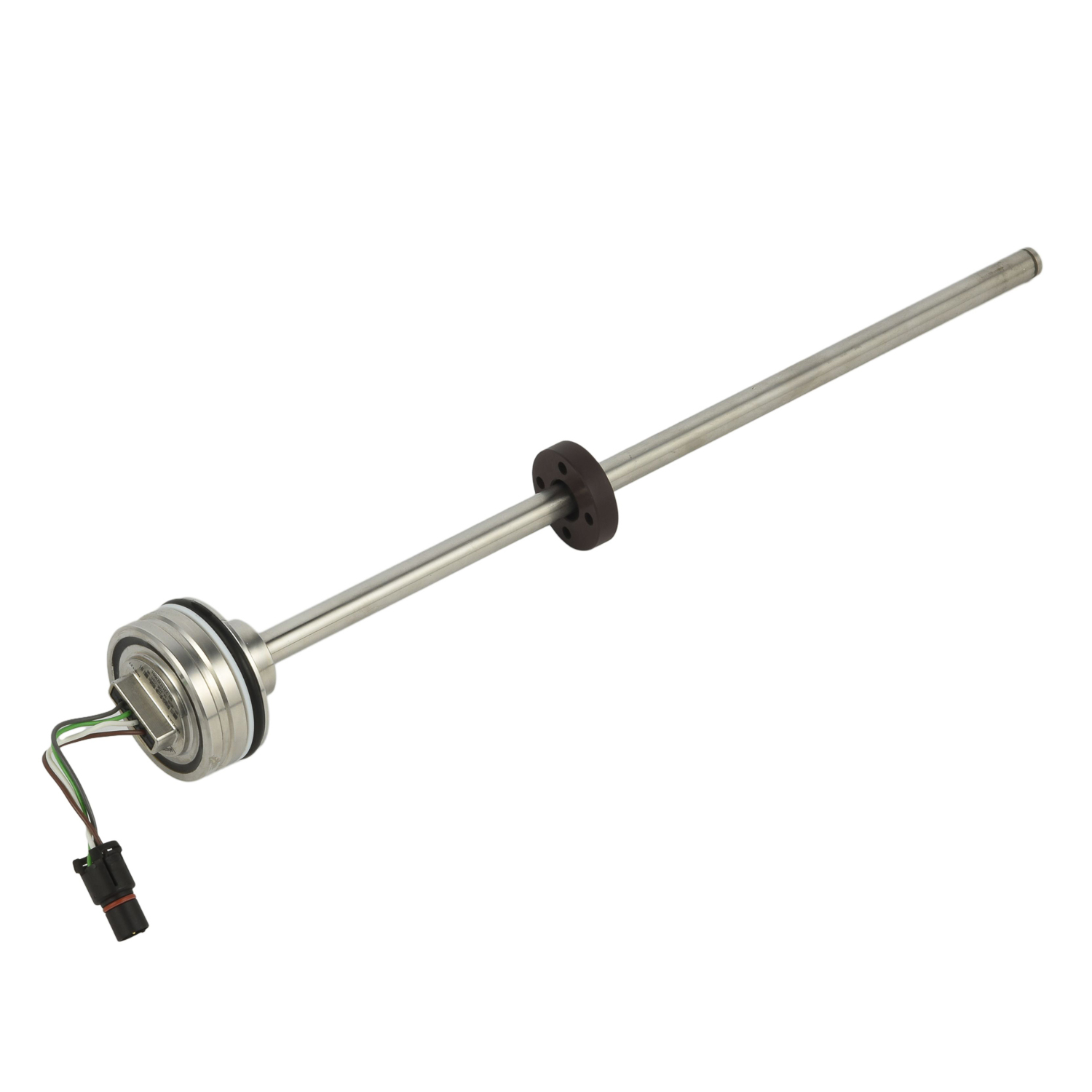 Linear Displacement Sensor Pri
Linear Displacement Sensor Sel
Linear Displacement Sensor Pri
Linear Displacement Sensor Sel
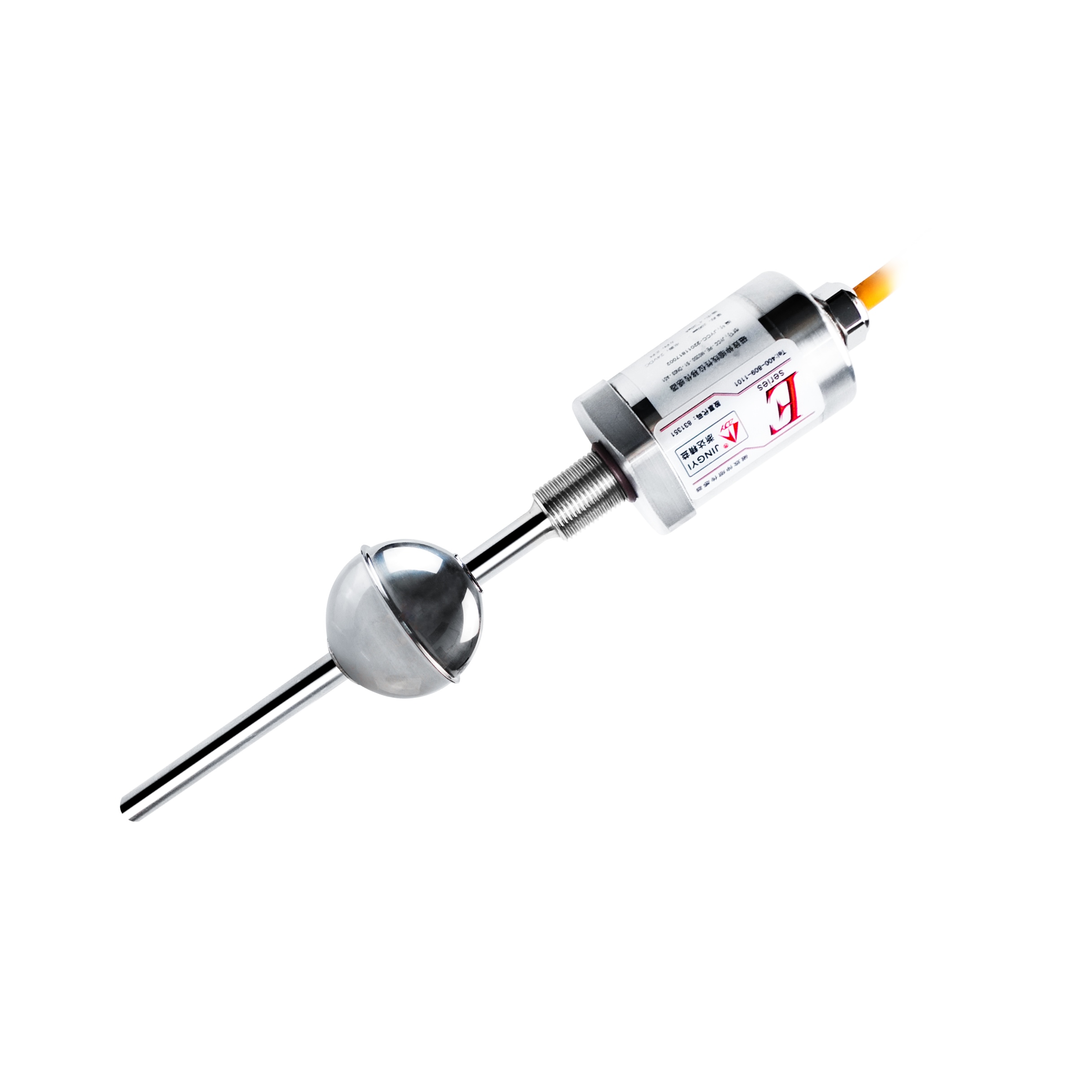 Domestic Linear Displacement S
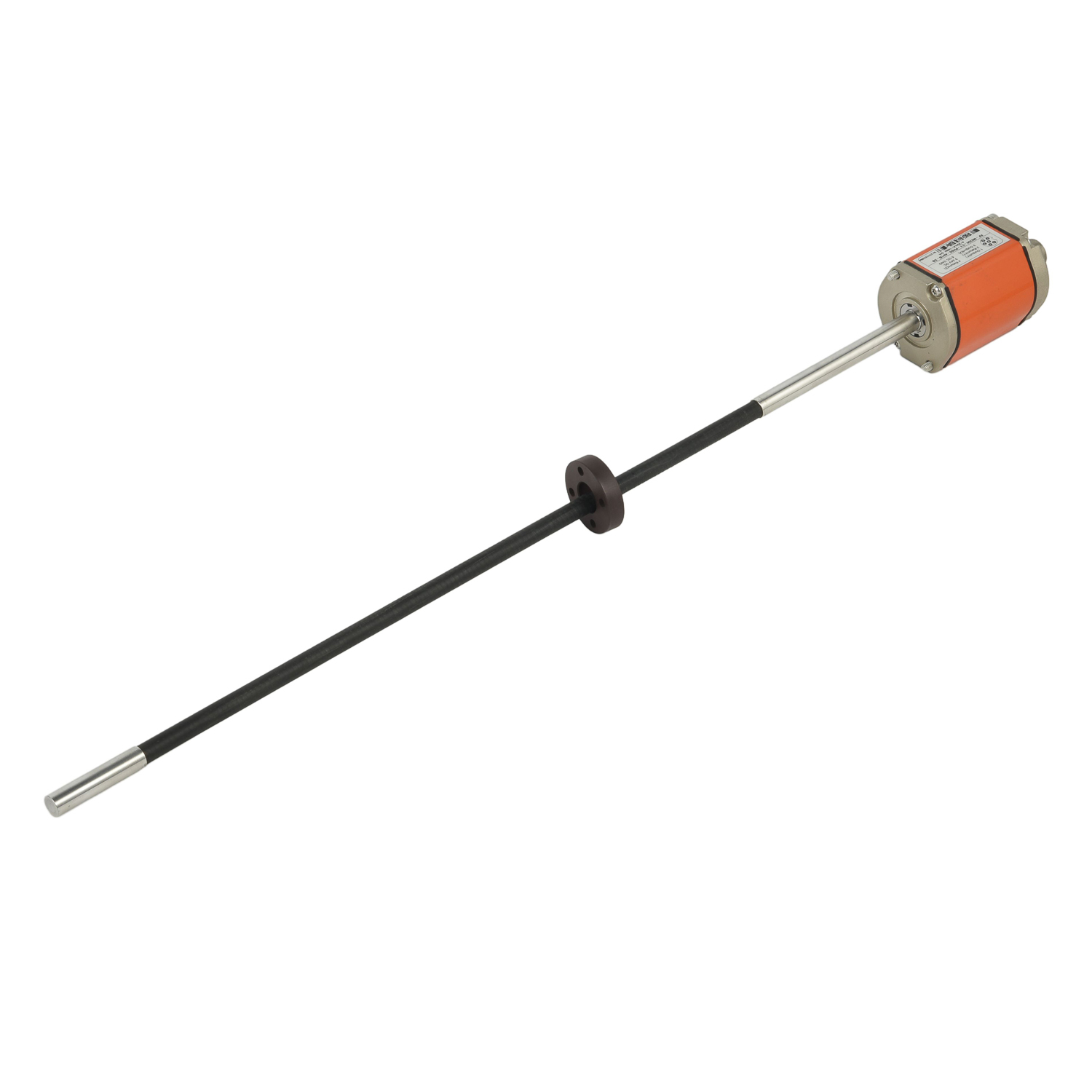 Linear Displacement Sensor Man