
Domestic Linear Displacement Sensor
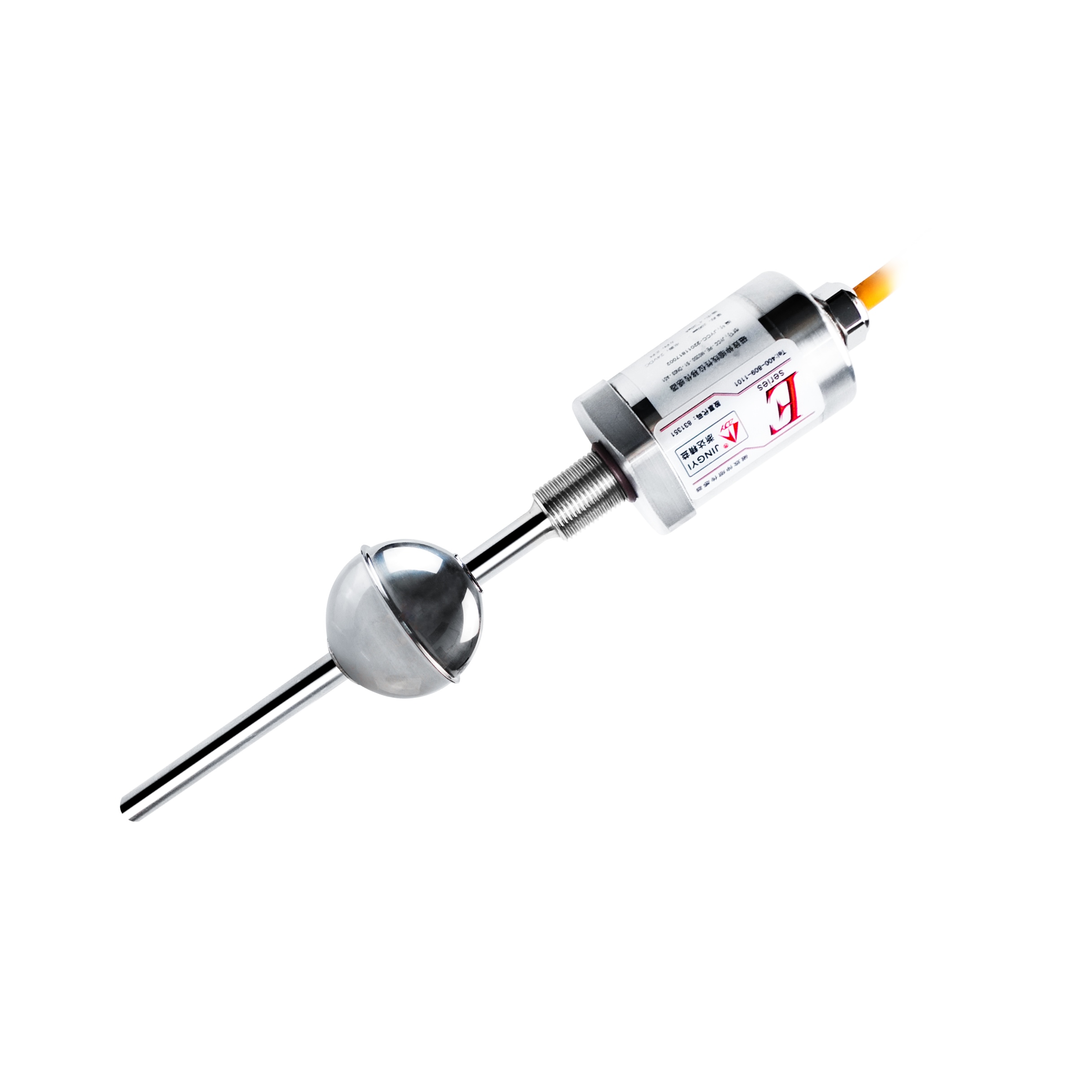
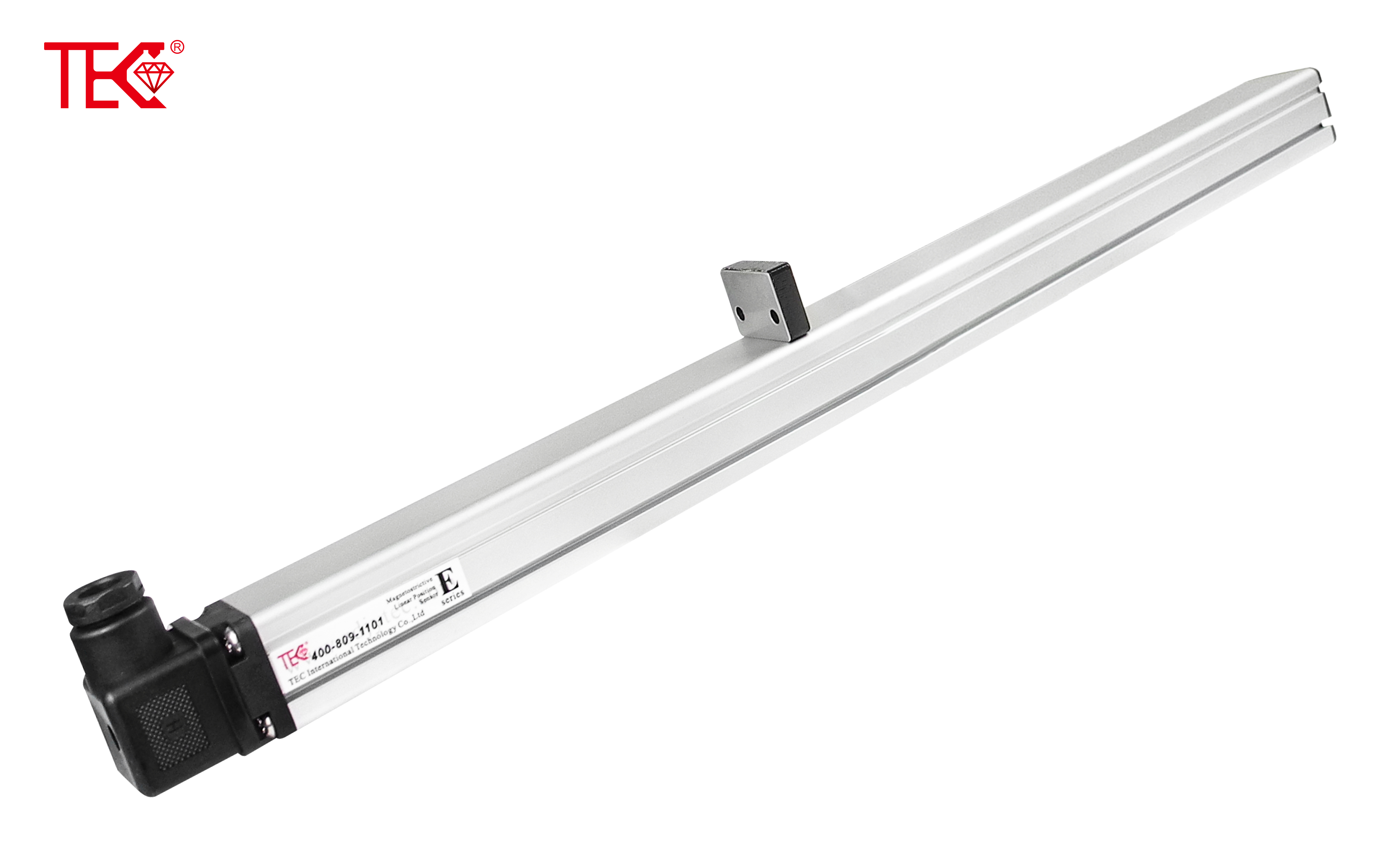
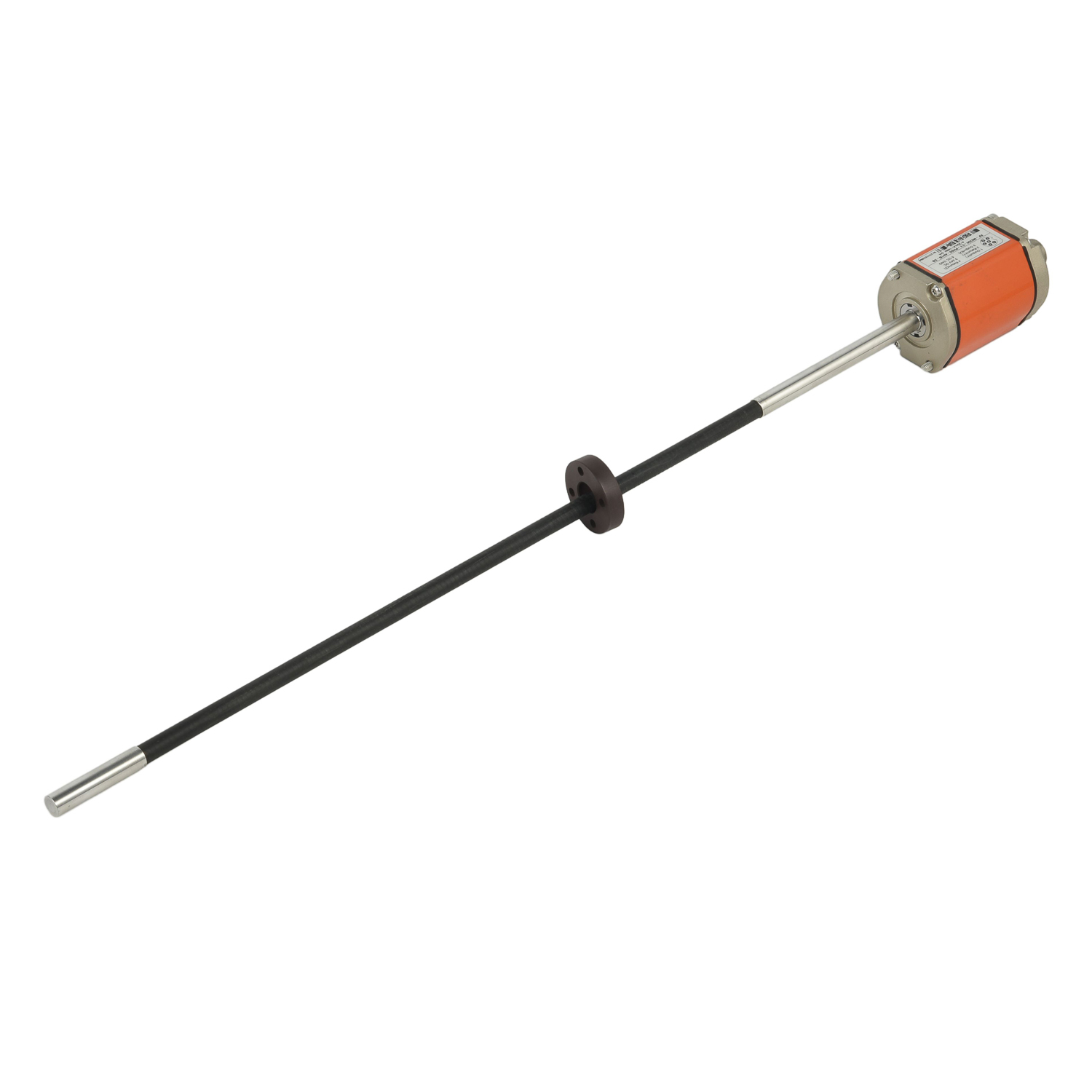
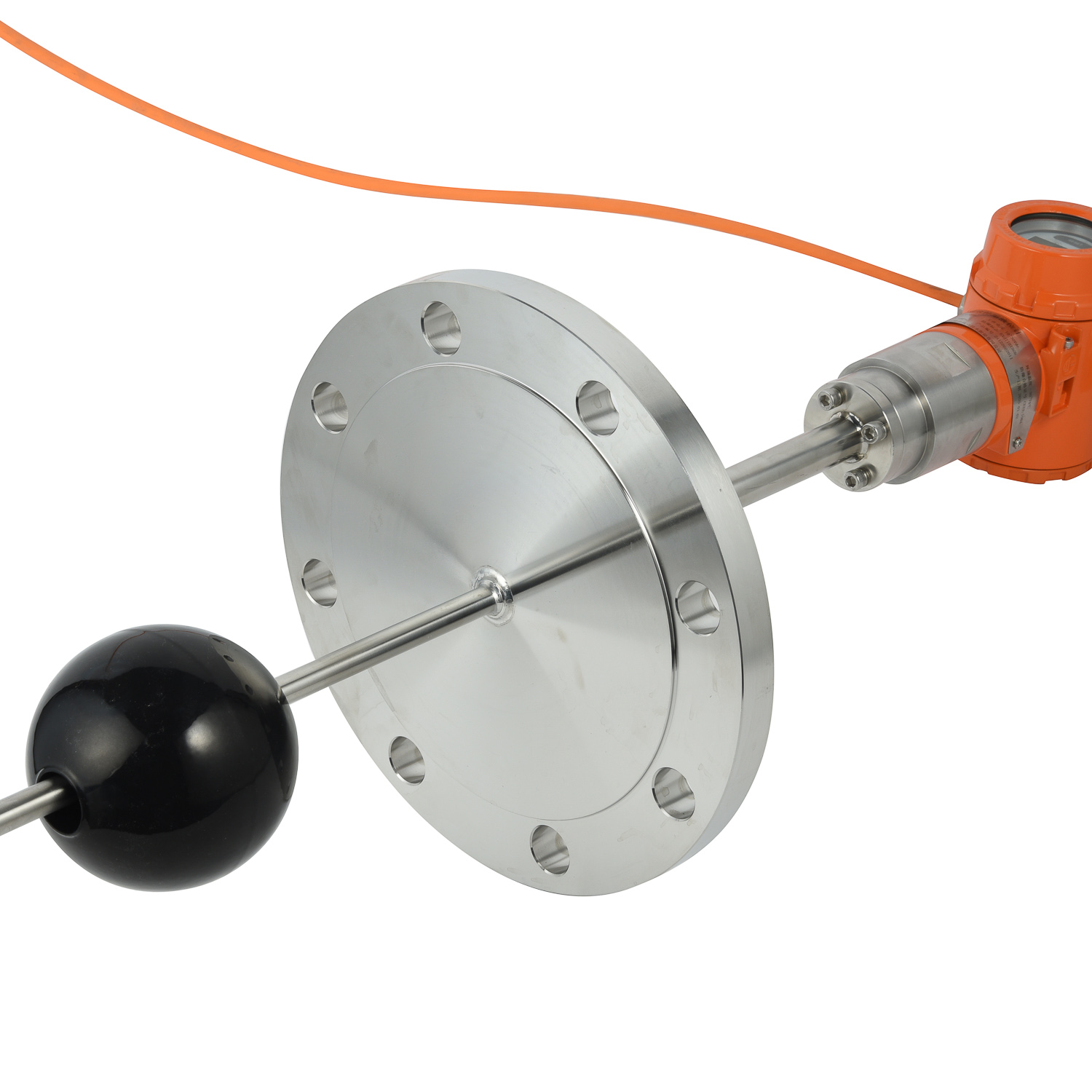
A domestic linear displacement sensor converts linear motion into an electrical signal. It is used in industrial automation, machine tools, robotics, packaging, and testing. Compared with imports, domestic sensors often offer shorter lead times, lower cost, and local support. They also support faster replacement and local repair. These sensors use resistive, capacitive, inductive, or magnetostrictive principles. Linear potentiometers are common, but non-contact designs reduce wear and extend life. A good domestic linear displacement sensor provides stable output, high repeatability, and resistance to shock, vibration, dust, and moisture. Key specs include range, output, linearity, resolution, repeatability, and IP rating. Common outputs are 0-10V, 4-20mA, RS485, and CANbus. Match the stroke to the application, allow a small margin, and avoid side loading. For harsh areas, choose IP67 or higher and shielded cable. Applications include hydraulic cylinder feedback, valve control, injection molding, CNC machines, elevator leveling, and automotive testing. Accurate displacement data improves process control, safety, and energy efficiency. A domestic sensor can replace costly imports when specs meet the task. When choosing a supplier, check calibration, temperature drift, lifetime testing, and after-sales service. Prototype samples and custom stroke lengths help special machines. With proper installation and inspection, a quality domestic linear displacement sensor can deliver reliable measurement for years.
 Linear Displacement Sensor Sel
Domestic Linear Displacement S
Linear Displacement Sensor Sel
Domestic Linear Displacement S
 Linear Displacement Sensor Man
 Corrosion-resistant Linear Dis