
Corrosion-resistant Linear Displacement Sensor
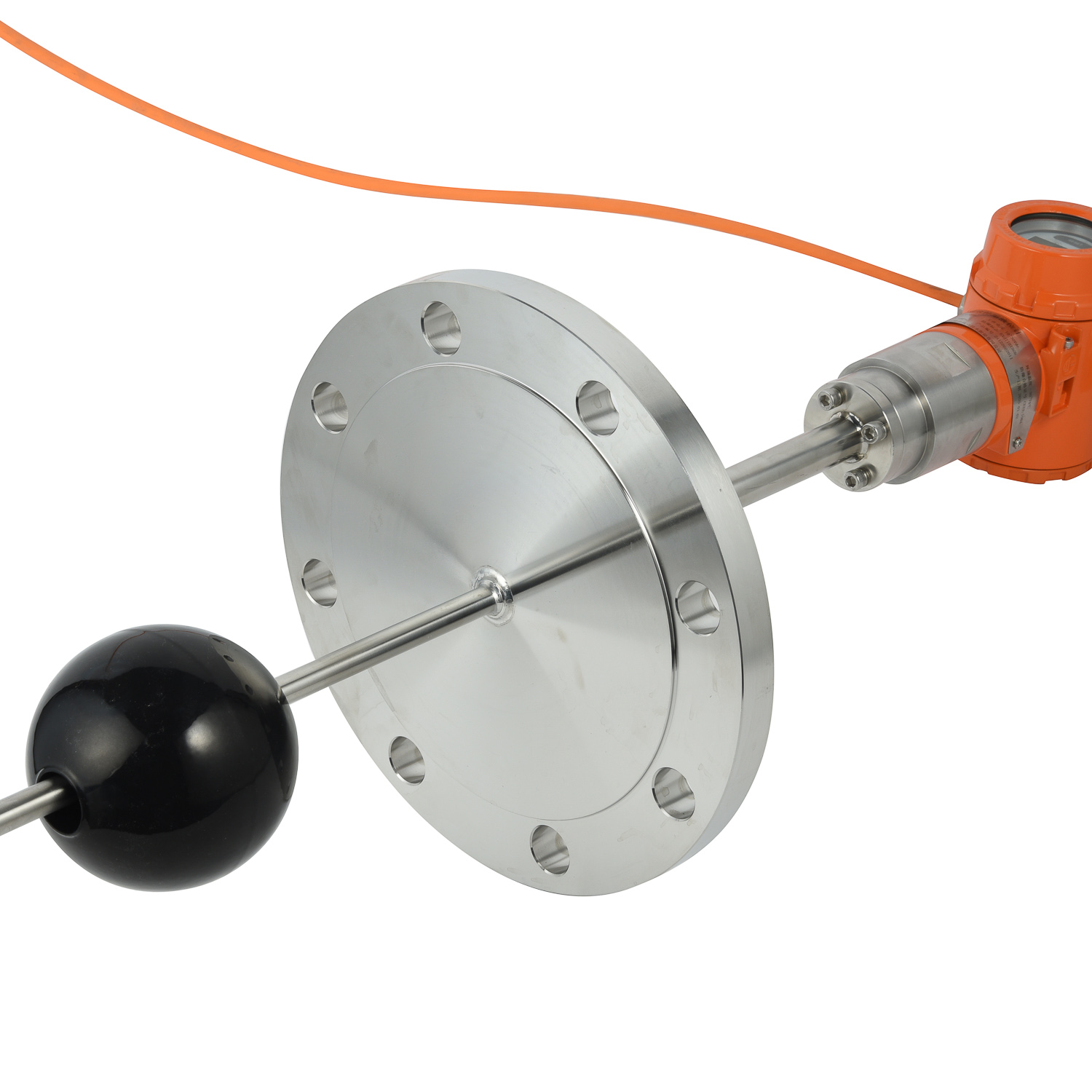
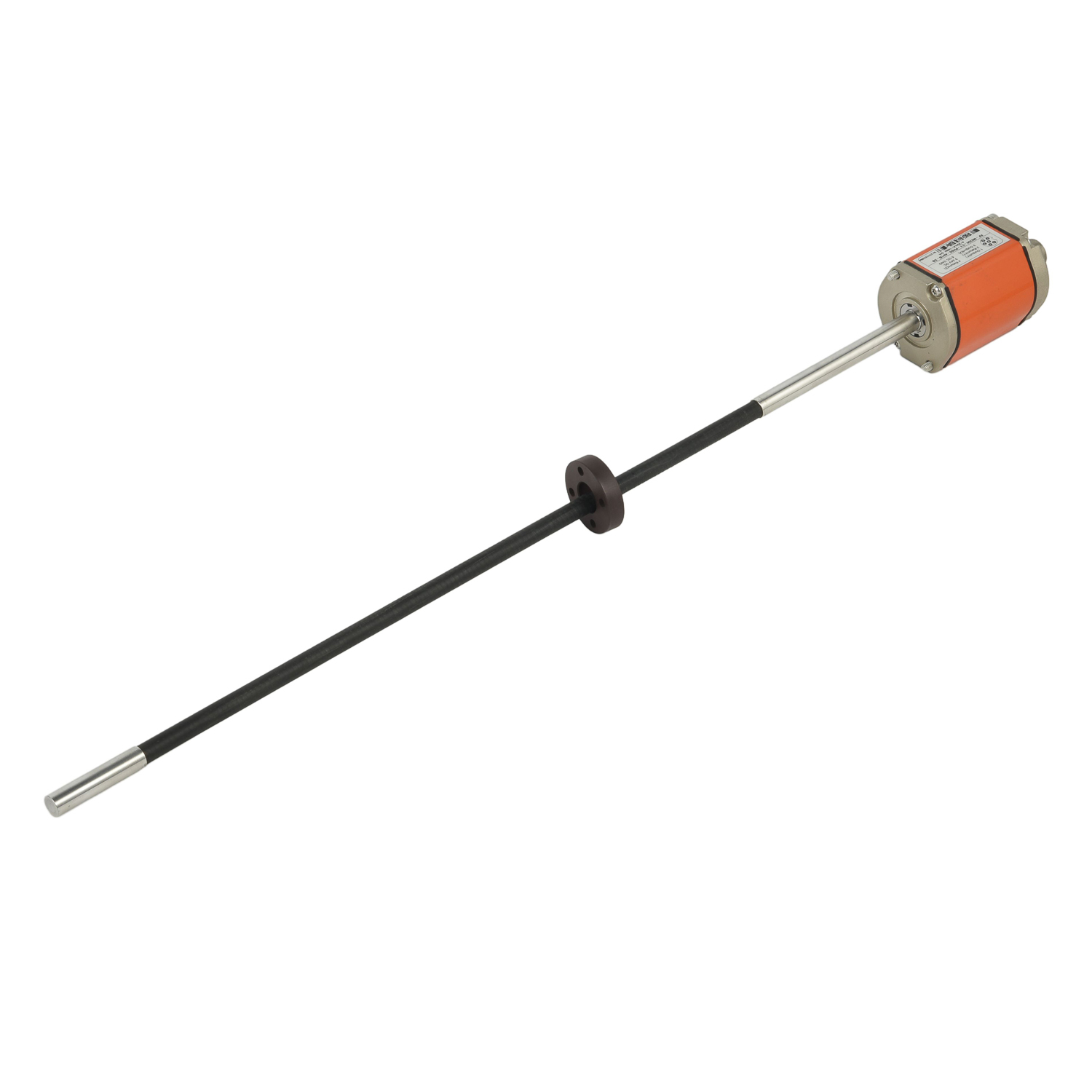
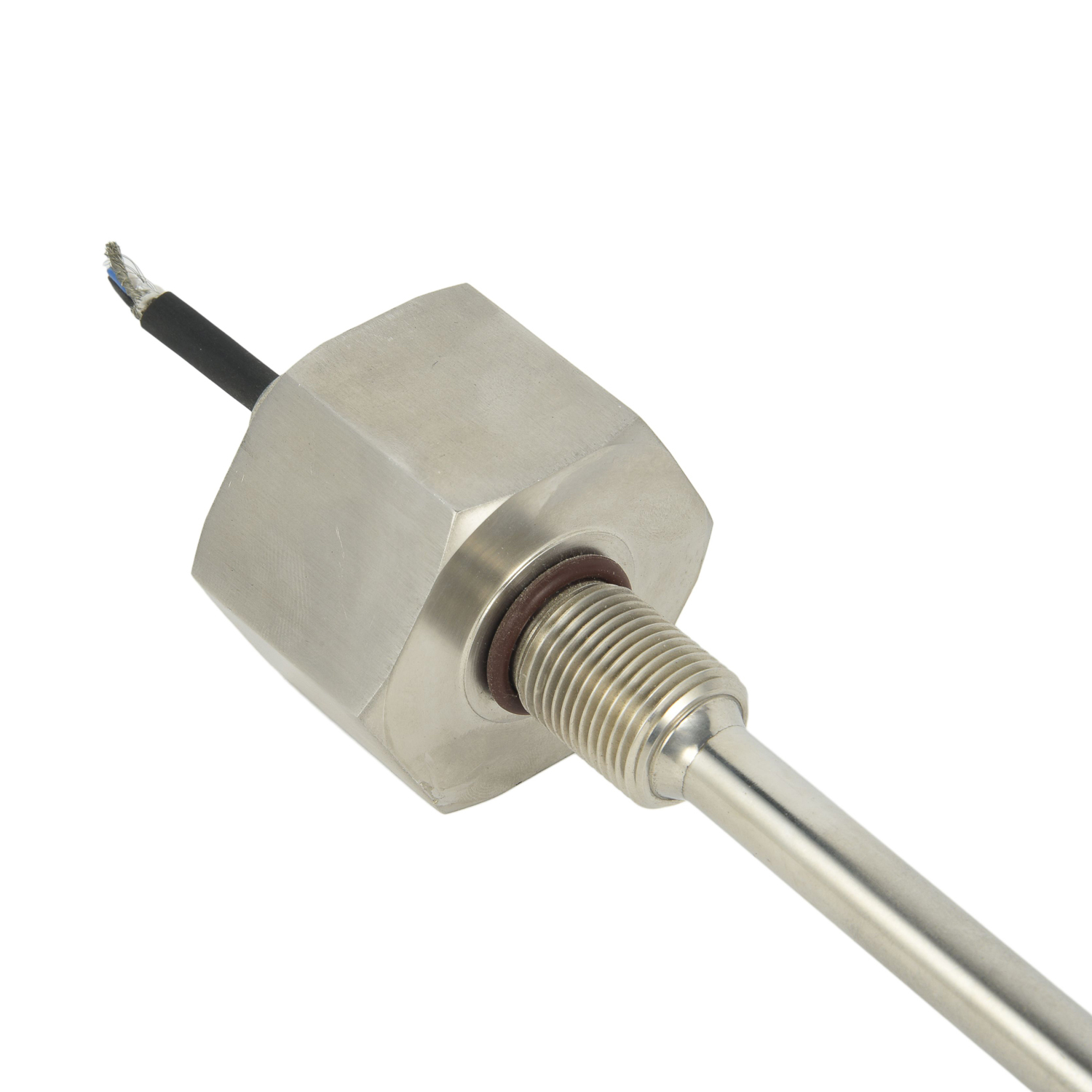
Corrosion-resistant linear displacement sensors are designed to deliver accurate position feedback in demanding environments where moisture, salt spray, chemicals, and cleaning agents can quickly damage standard components. These sensors combine rugged housings, sealed connectors, and protective coatings with high-resolution measuring technology. Common designs use stainless steel shafts, anodized aluminum bodies, or chemically resistant plastics. Ingress protection ratings such as IP67 or IP68 help prevent water and dust entry, while robust cable glands and connectors reduce failure points. The sensing principle may be resistive, inductive, magnetostrictive, capacitive, or optical, but the key requirement is stable output under exposure to corrosive media. Industries such as offshore energy, wastewater treatment, food and beverage processing, marine engineering, chemical plants, and mobile hydraulics rely on these sensors for valve position, cylinder stroke, damper control, and automated assembly. A corrosion-resistant linear displacement sensor improves uptime, reduces maintenance, and protects measurement accuracy when vibration, temperature swings, and aggressive fluids are present. When selecting a model, consider stroke length, output signal, linearity, repeatability, operating temperature, IP rating, material compatibility, and mounting style. For engineers, the right sensor is not simply a replacement part; it is a reliability solution for long-term position measurement in tough conditions.
 Linear Displacement Sensor Man
Corrosion-resistant Linear Dis
Linear Displacement Sensor Man
Corrosion-resistant Linear Dis
 Rod-type Linear Displacement S
 Flange-mounted Linear Displace