
Rod-type Linear Displacement Sensor
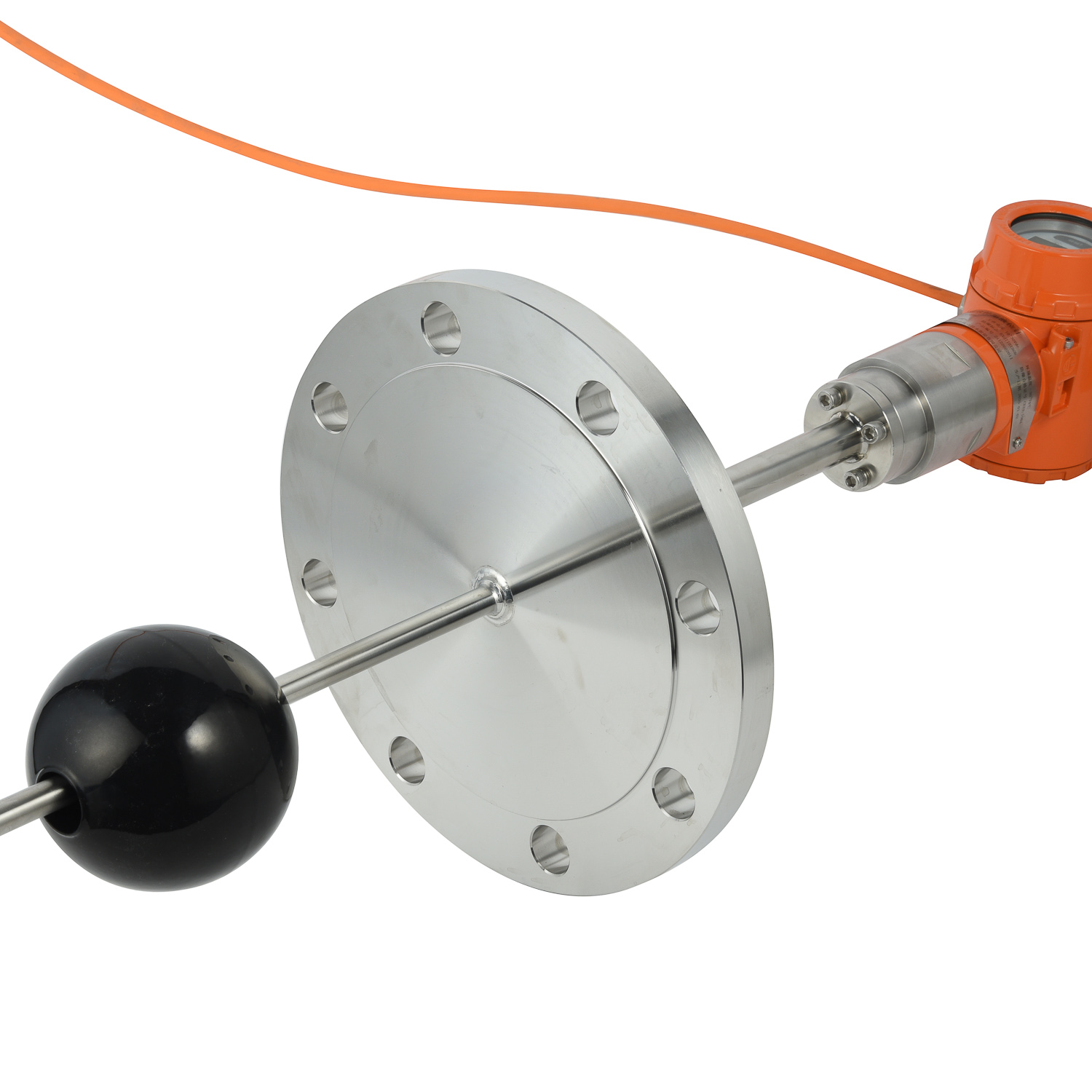
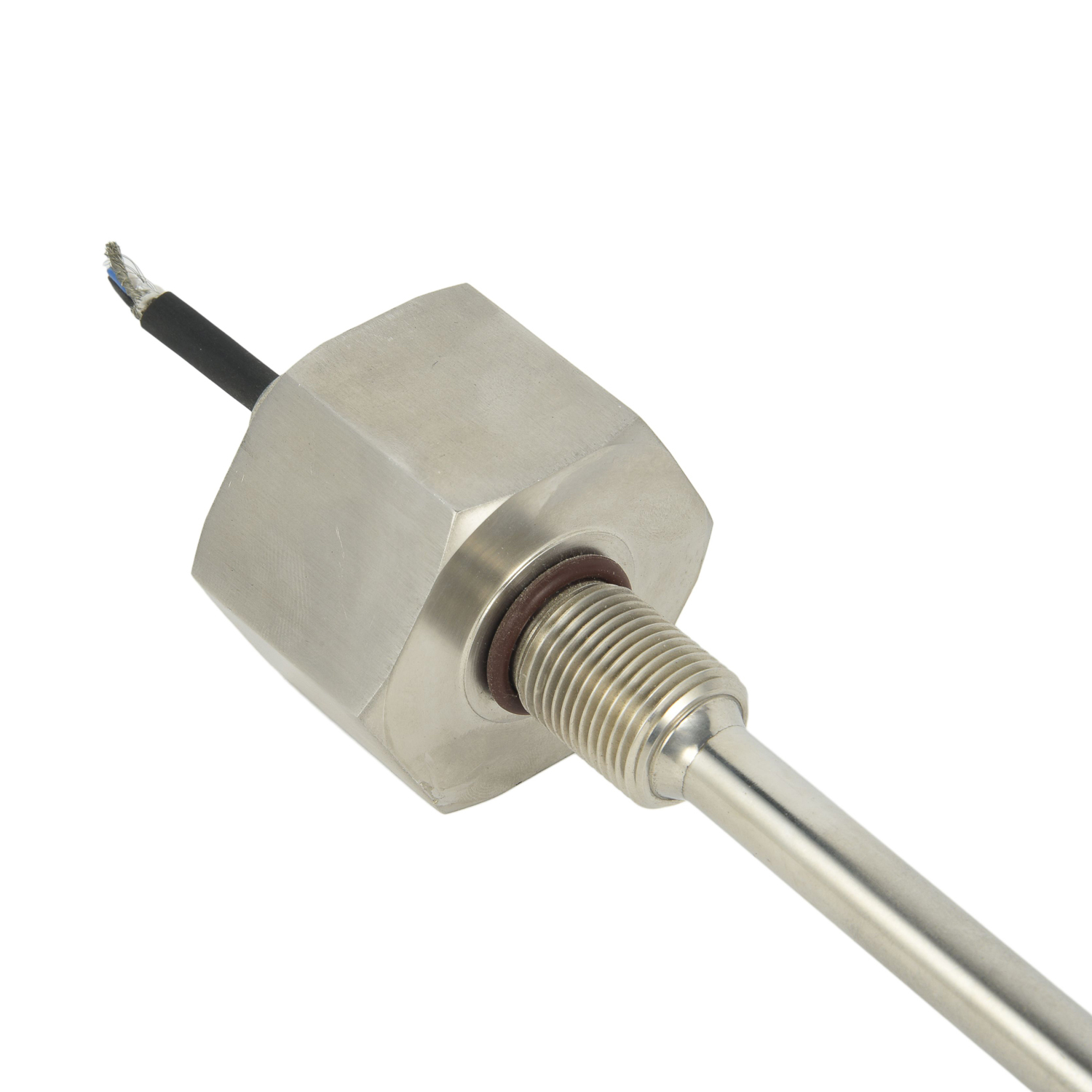
Rod-type linear displacement sensors are precision devices that convert linear motion into an electrical signal. A movable magnetic or inductive core slides inside a stainless steel rod, while the sensor housing contains coils and signal conditioning electronics. As the rod moves, the output voltage or current changes in direct proportion to position. This makes the sensor ideal for measuring stroke, extension, compression, and travel in hydraulic cylinders, pneumatic actuators, and valves.
These sensors are valued for high accuracy, repeatability, and durability. Many models offer stroke lengths from a few millimeters to several meters, with reliable analog or digital outputs. Because the sensing element is sealed, rod-type sensors resist oil, dust, moisture, and vibration. They perform well in harsh factory environments and operate across temperature ranges.
Installation is straightforward. The rod connects to the moving part, while the housing mounts to a fixed frame. Proper alignment reduces side load and extends service life. Users should select the correct stroke, output type, IP rating, and mounting style for the application.
Rod-type linear displacement sensors support closed-loop control, position monitoring, and quality assurance. From CNC machines to automotive test rigs, they provide stable measurement that improves efficiency and safety. When matched to the right controller, they deliver precise, real-time data for demanding industrial motion systems.

 Corrosion-resistant Linear Dis
Rod-type Linear Displacement S
Corrosion-resistant Linear Dis
Rod-type Linear Displacement S
 Flange-mounted Linear Displace
 Non-contact Linear Displacemen