
Domestic Magnetostrictive Level Gauge
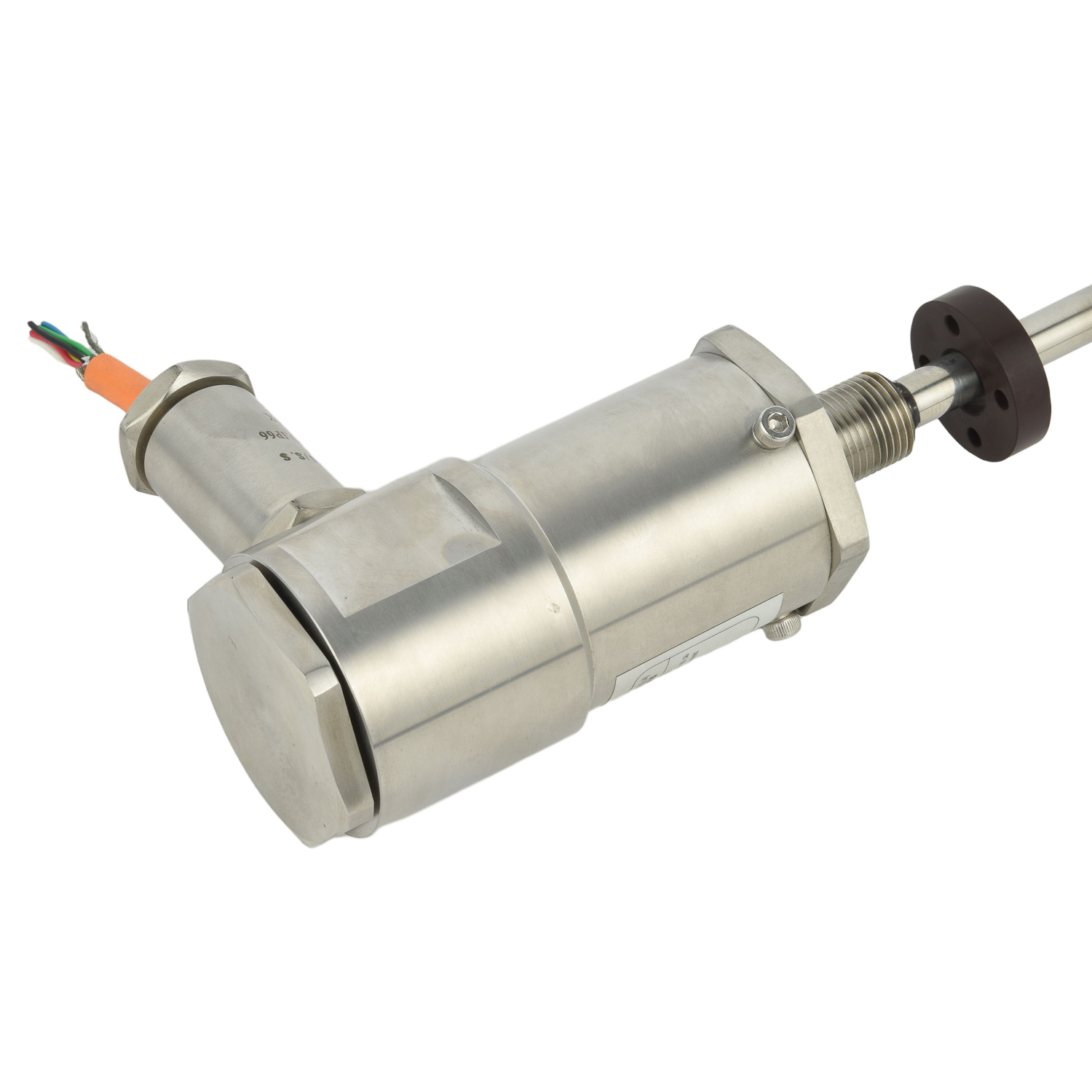
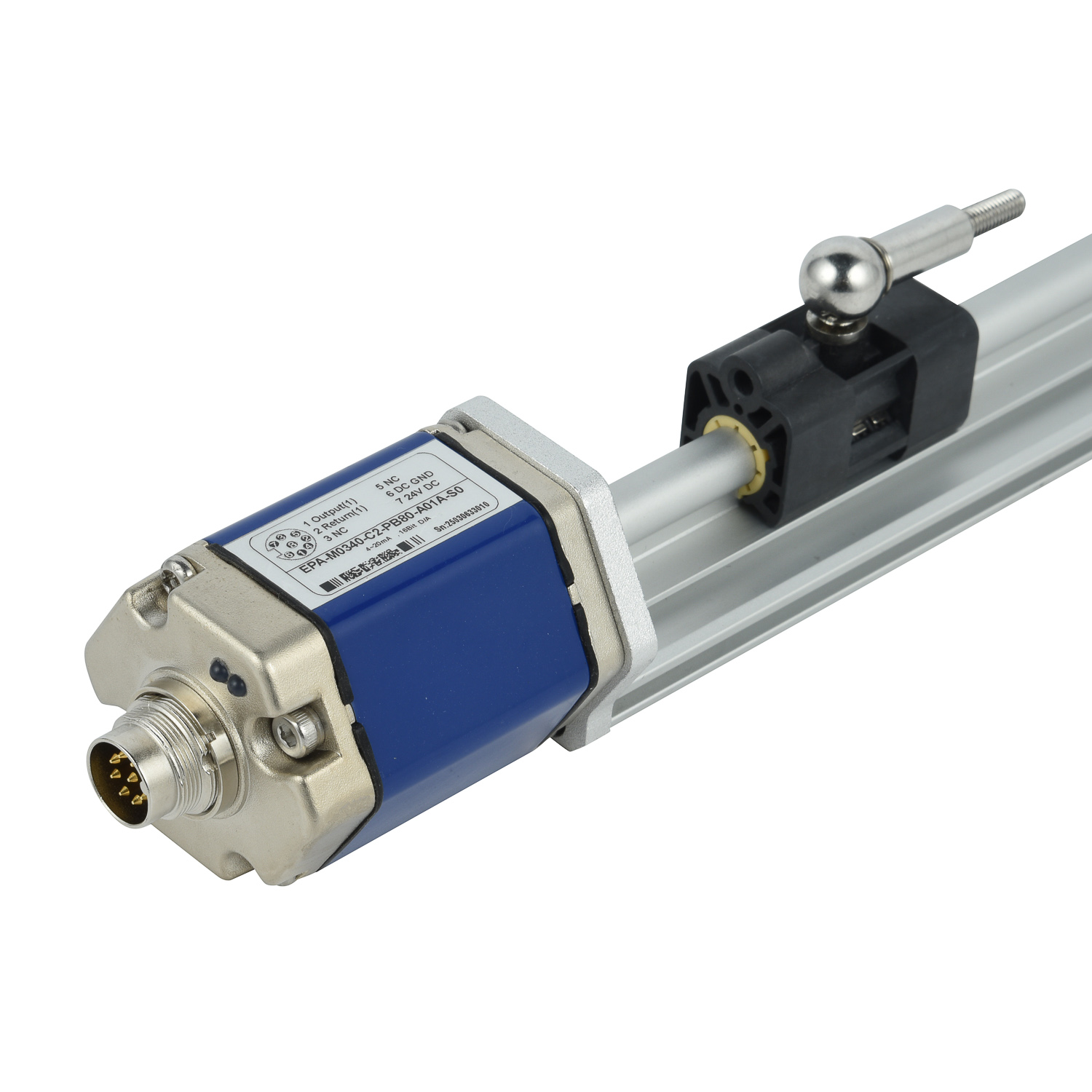
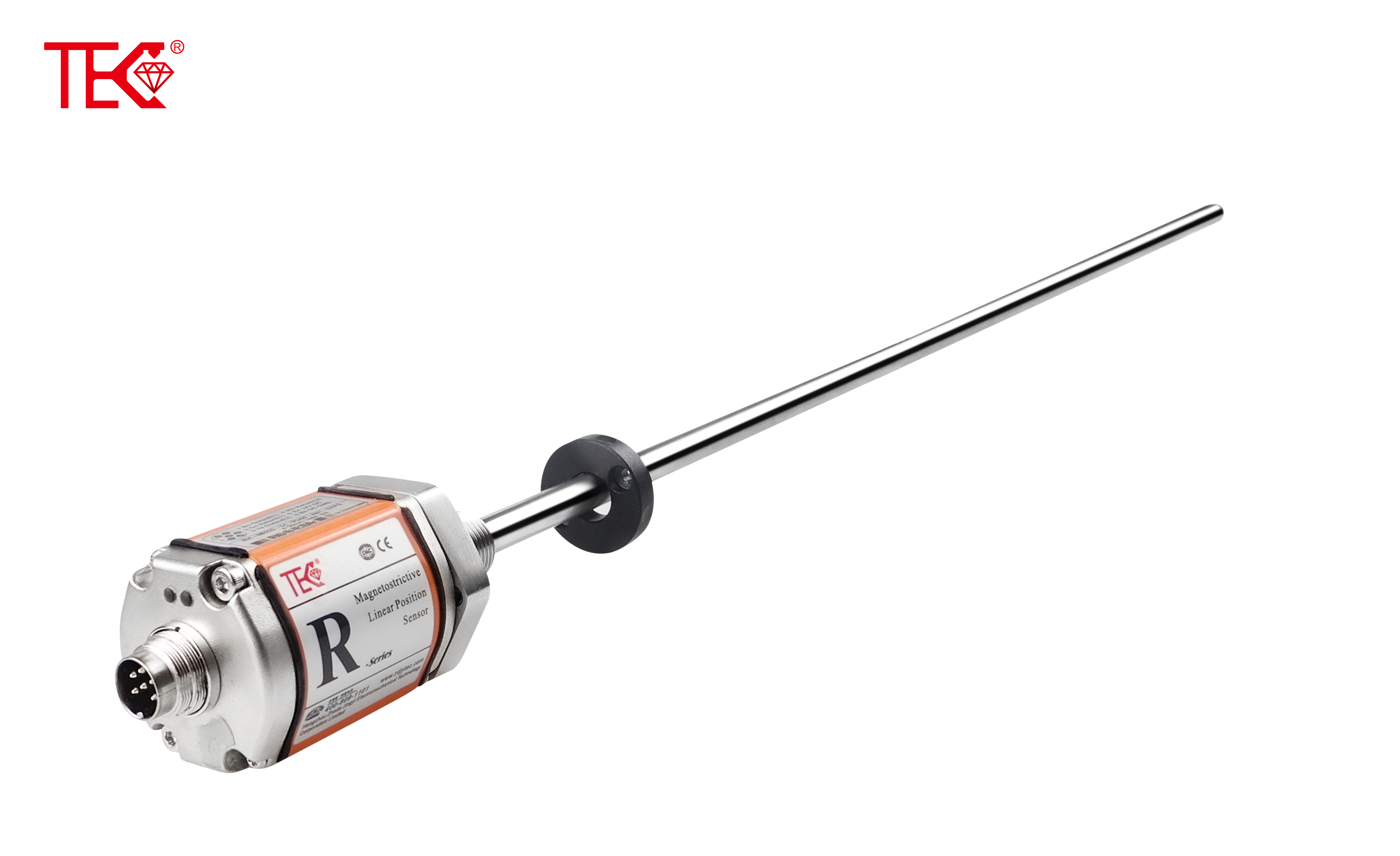
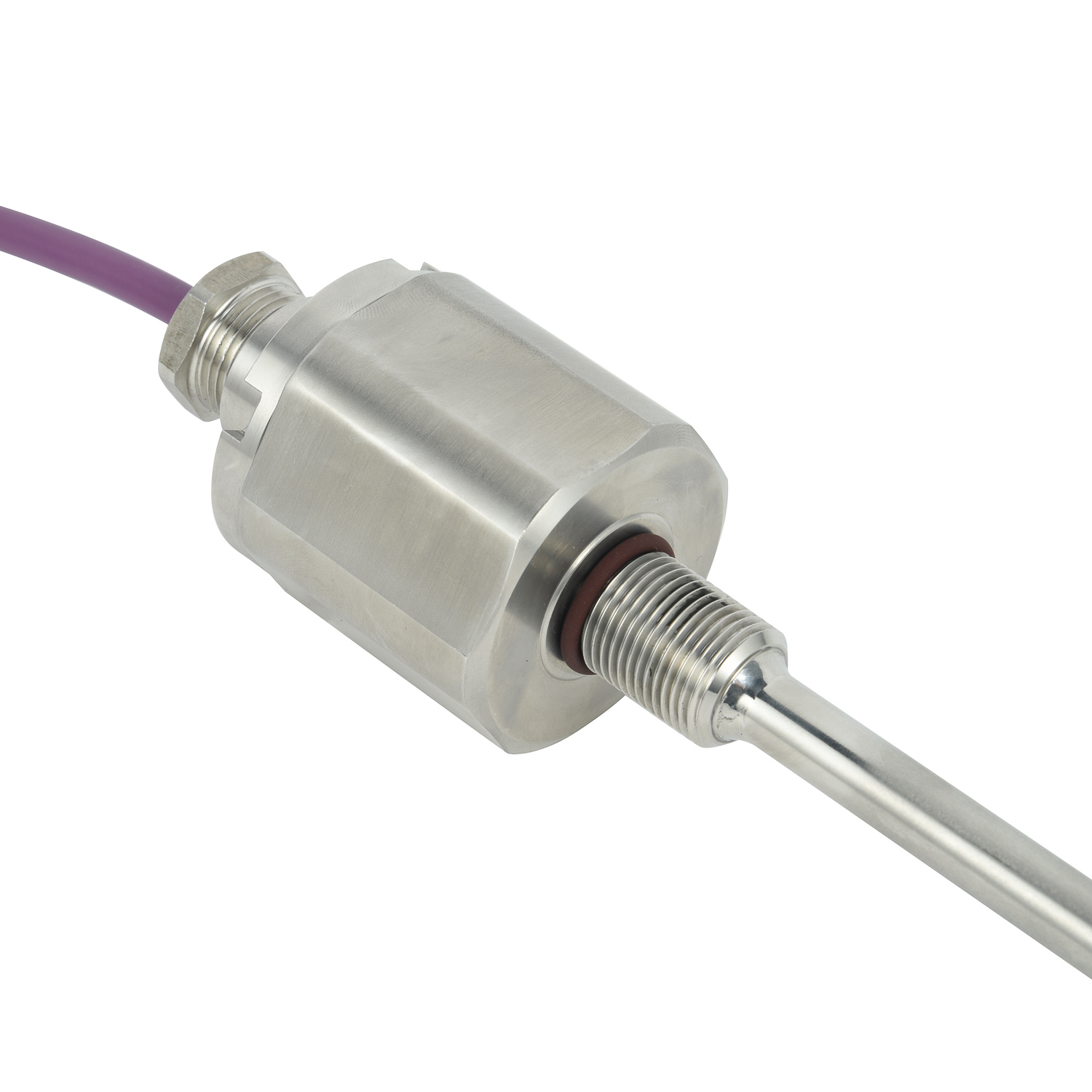
A domestic magnetostrictive level gauge is a precise instrument for measuring liquid levels in industrial tanks and vessels. It works by sending a current pulse along a waveguide. The pulse interacts with the magnetic field of a float and produces a return signal. The time difference is converted into an accurate level value. This principle gives high accuracy, long-term stability, and low maintenance. Domestic magnetostrictive level gauges are widely used in petroleum, chemical, water treatment, food, and pharmaceutical industries. They can measure clean or lightly contaminated liquids, and with proper specifications they handle high temperatures and pressures. Many models provide 4-20 mA, HART, RS485, or Modbus output for PLC, DCS, and SCADA systems. This makes integration with modern control systems straightforward, cost-effective, and reliable. Their main advantages include continuous measurement, few moving parts, strong anti-interference ability, and simple installation. Some designs measure total level and interface level at the same time. Stainless steel and corrosion-resistant materials fit different media. Users should choose the correct float, process connection, and probe length for each tank. To ensure reliable operation, install the gauge vertically and keep the float free from obstacles. Check wiring, seals, and float condition regularly. With correct selection and care, a domestic magnetostrictive level gauge supports inventory control, safety, and process automation.

 Installation Method of Magneto
 Working Principle of Magnetost
 Technical Parameters of Magnet
 How Much is Magnetostrictive L