
Magnetostrictive Level Gauge Selection
Choosing the right magnetostrictive level gauge starts with the application. Confirm tank type, liquid density, viscosity, and whether the product is clean, foamy, or corrosive. This gauge suits clean liquids and interface measurement where high accuracy matters.
Next, define the measuring range. The probe length must cover the full working level plus a safe dead band at the top and bottom. For interface service, specify the total level and interface position clearly.
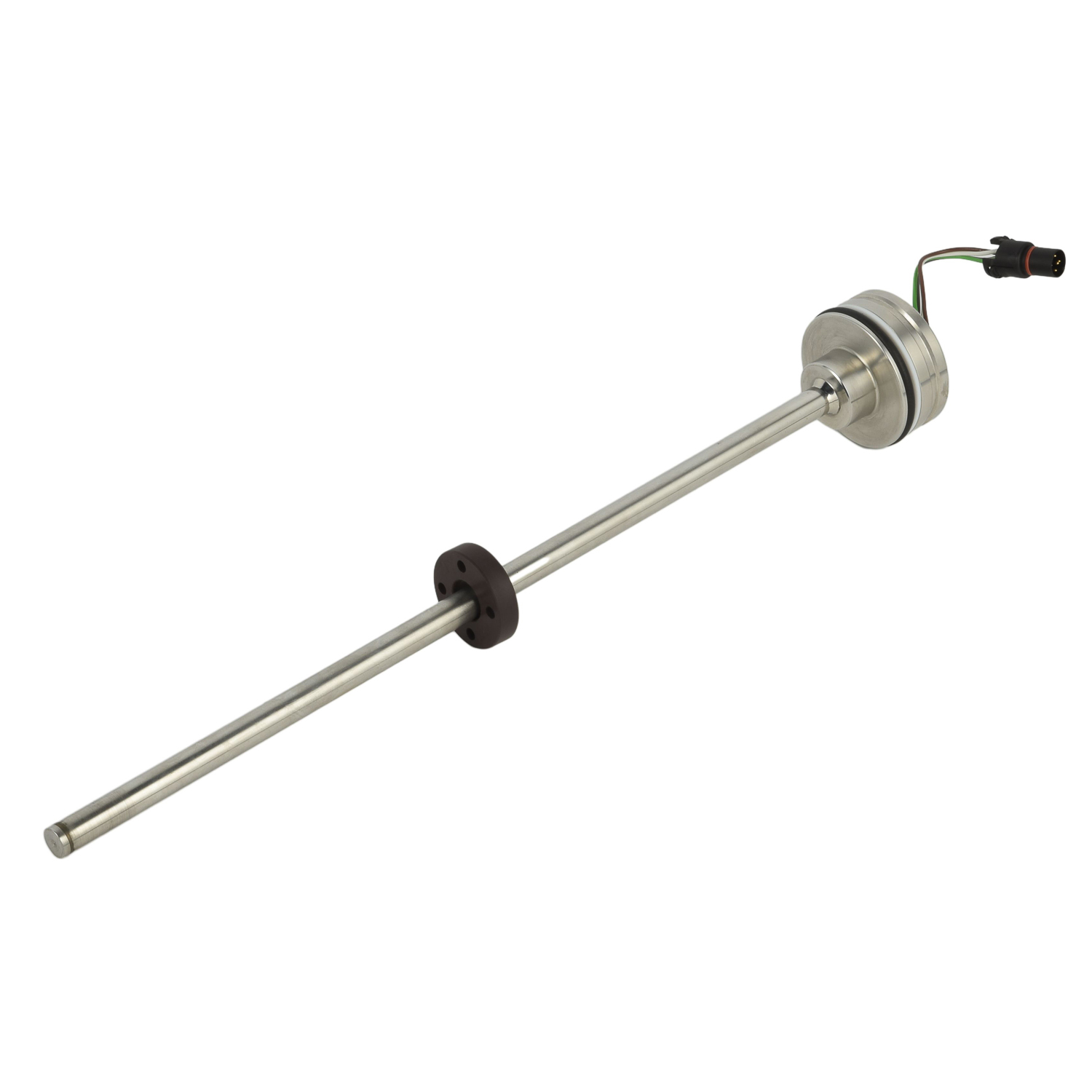
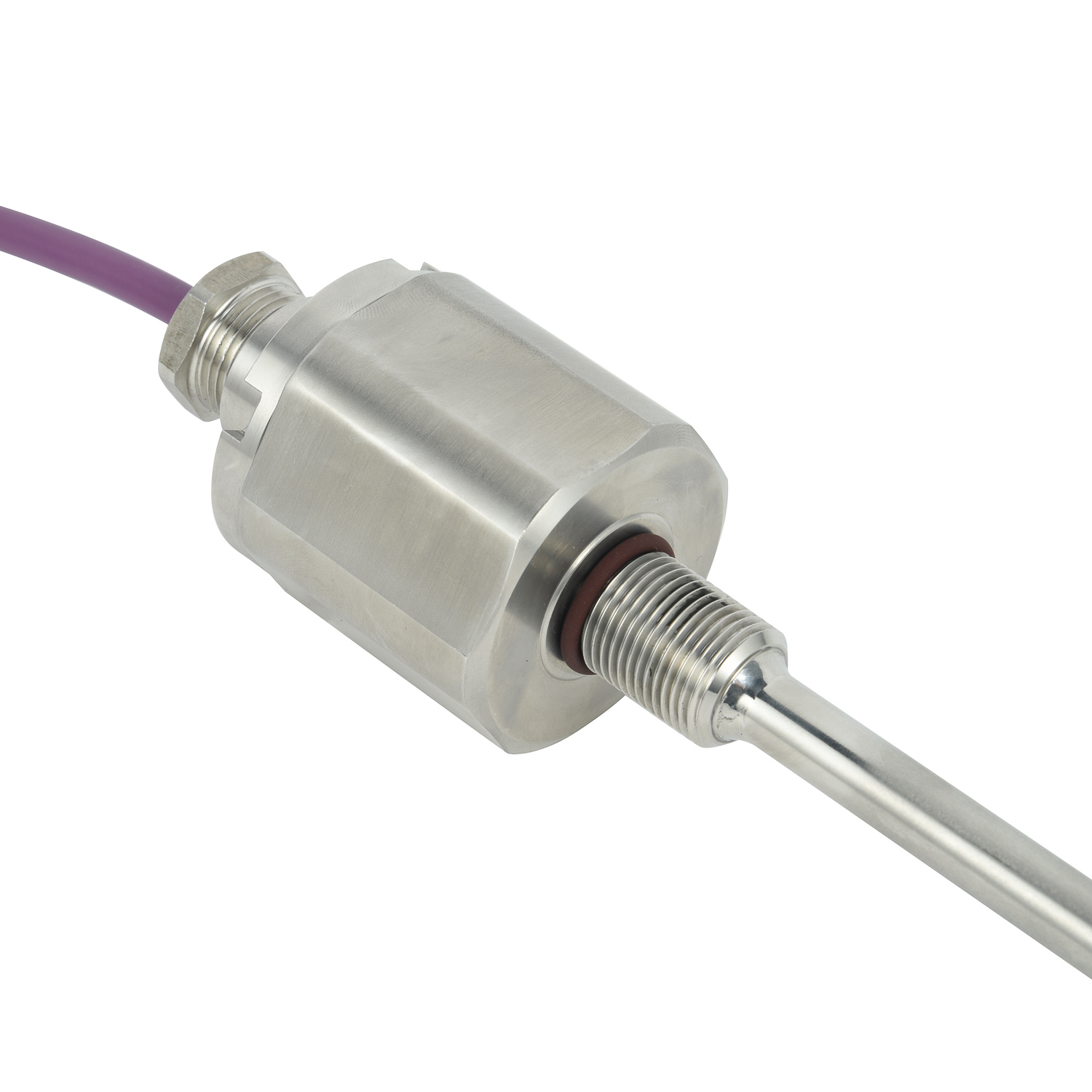
Check process conditions. Temperature and pressure affect materials and electronics. Choose 316 stainless steel, PTFE, or other wetted materials for chemical compatibility. If the tank is agitated, use a stilling well or bypass chamber to stabilize the float and improve signal quality.
Select the float based on liquid density and interface. A float that is too light may sink or move poorly; one that is too heavy may not follow the surface. The float must match product specific gravity and gauge stem diameter.
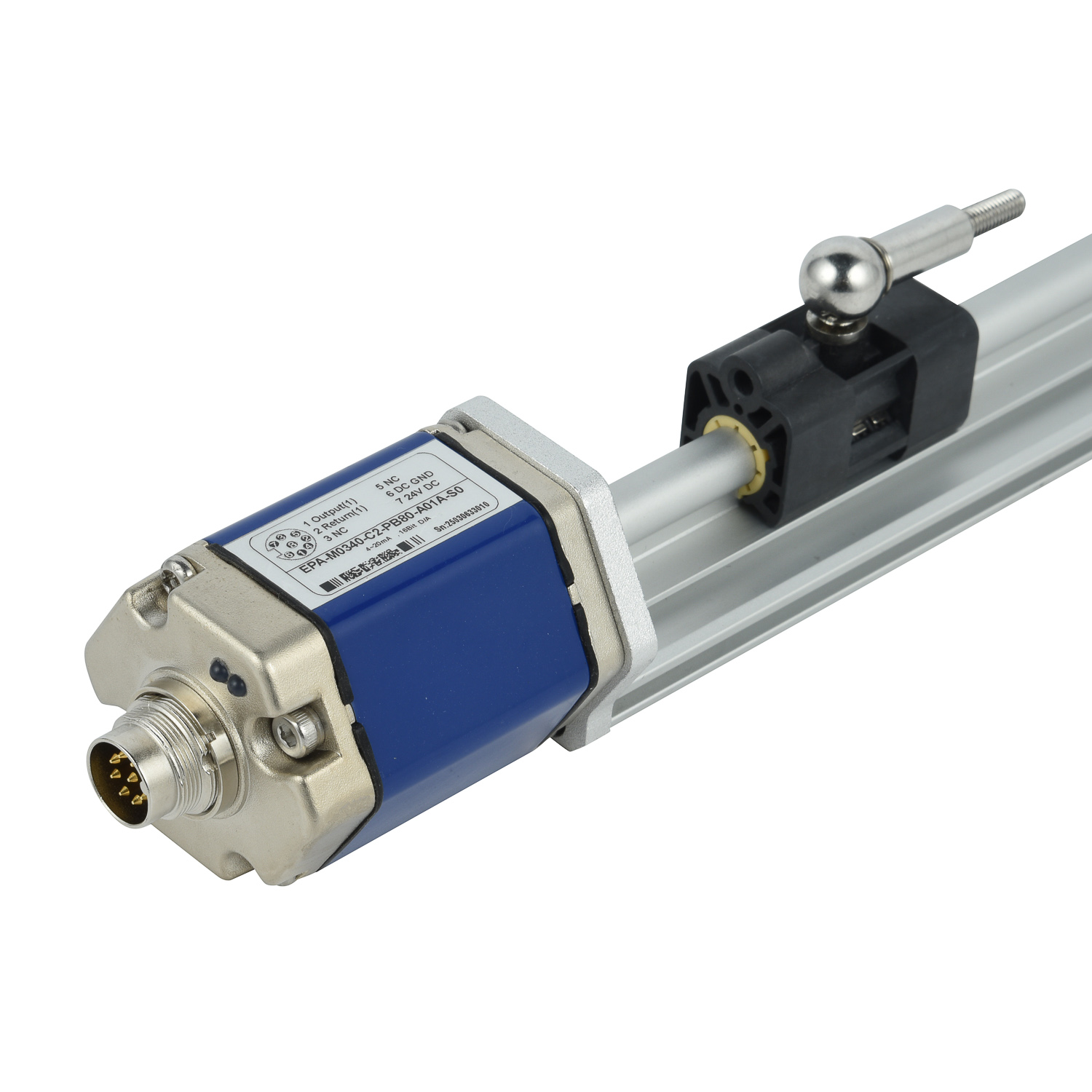
Review output and communication. Common signals include 4-20 mA, HART, RS485, Modbus, and Profibus. Match the signal to the control system. Consider local display, explosion-proof certification, and ingress protection for outdoor areas.
Verify mounting and maintenance. Top-mounted and side-mounted designs fit different tanks. Ensure installation avoids obstacles, inlet streams, and vibration. A correctly selected magnetostrictive level gauge delivers reliable data, low maintenance, and long service life.
 Working Principle of Magnetost
 Technical Parameters of Magnet
 How Much is Magnetostrictive L
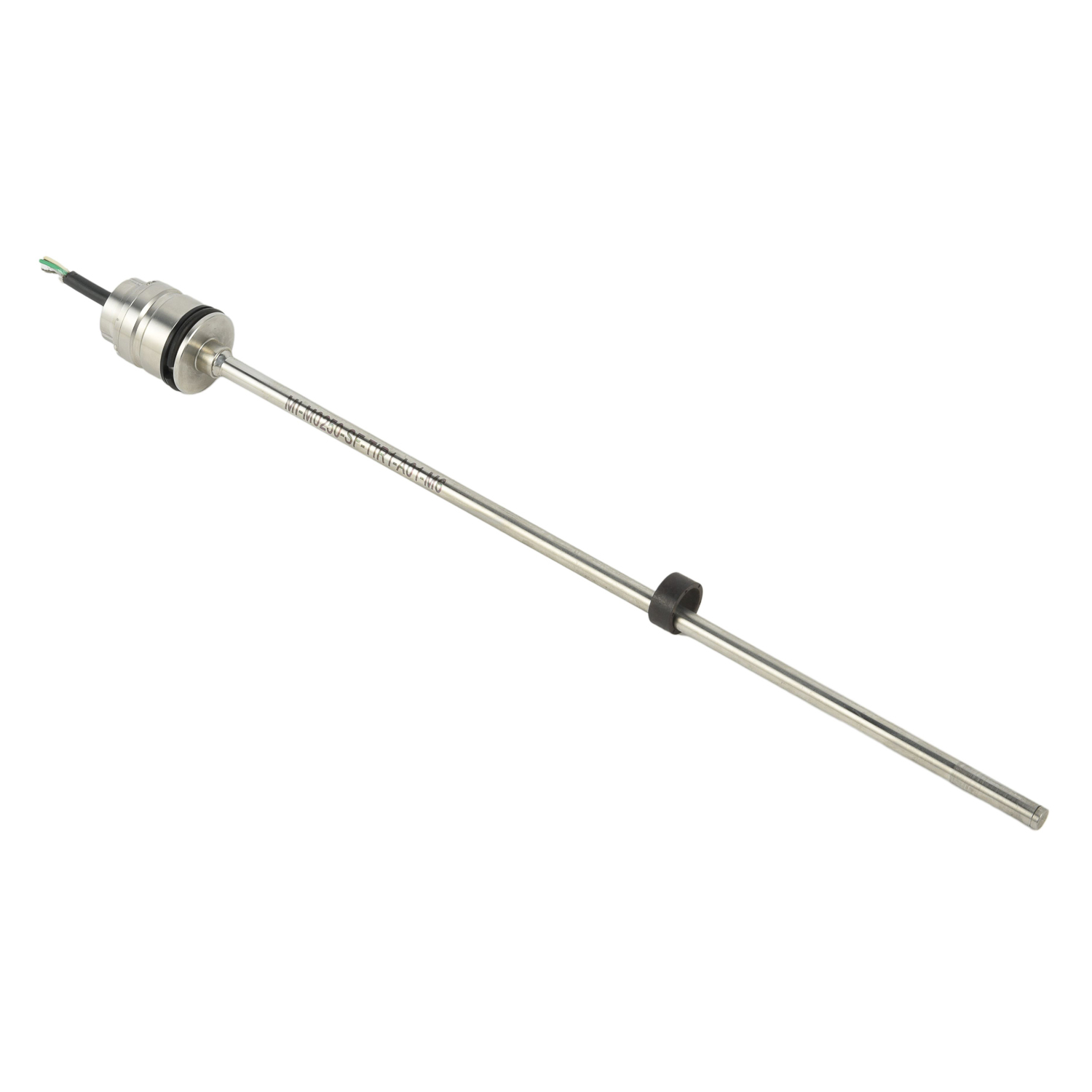 Magnetostrictive Level Gauge P