
Import Substitute Magnetostrictive Displacement Sensor
Magnetostrictive displacement sensors are widely used in industrial automation for precise linear position feedback. Import substitute models are designed to replace costly imported sensors without sacrificing accuracy or reliability. They use the magnetostrictive effect: a current pulse creates a torsional wave in a waveguide, and the time difference determines the magnet position. This gives absolute, non-contact measurement with high repeatability. Domestic import substitute sensors offer fast delivery, lower cost, and local technical support. They are compatible with common interfaces such as analog, SSI, CANopen, and Modbus. With robust housings and IP67 protection, they perform well in hydraulic cylinders, injection molding machines, steel equipment, and energy systems. Their long stroke capability and stable output make them suitable for harsh environments. For system integrators, choosing an import substitute magnetostrictive displacement sensor reduces supply chain risk and total cost of ownership. It also supports local manufacturing and quick customization. When selecting a model, check stroke length, output signal, resolution, temperature range, and mounting dimensions. A reliable supplier can provide samples, calibration, and after-sales service. As industry demands higher precision and supply security, import substitute magnetostrictive sensors are becoming a practical choice for modern motion control. With stable performance and competitive pricing, they are an efficient alternative for new projects and retrofit upgrades.
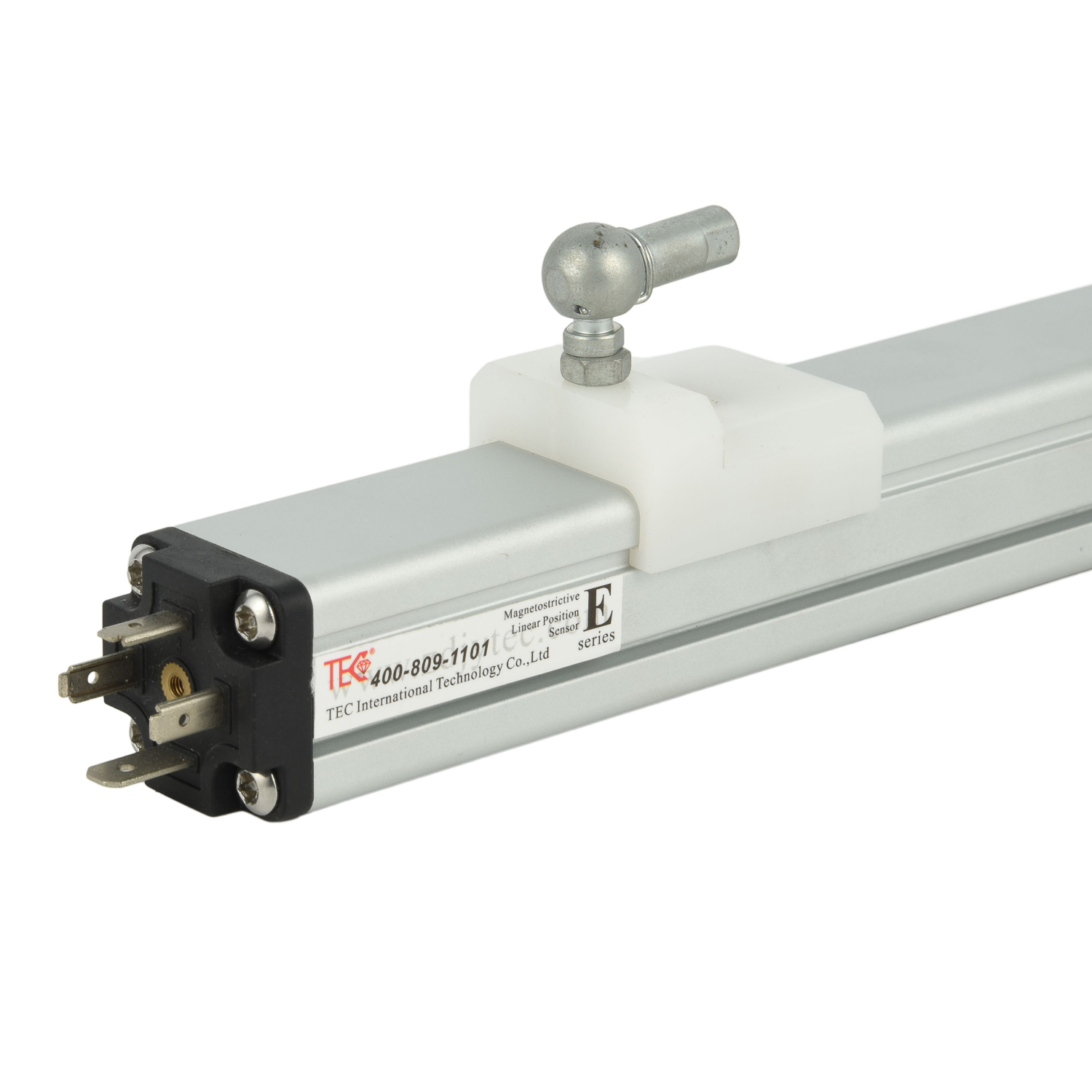 Model and Specification of Mag
Import Substitute Magnetostric
Model and Specification of Mag
Import Substitute Magnetostric
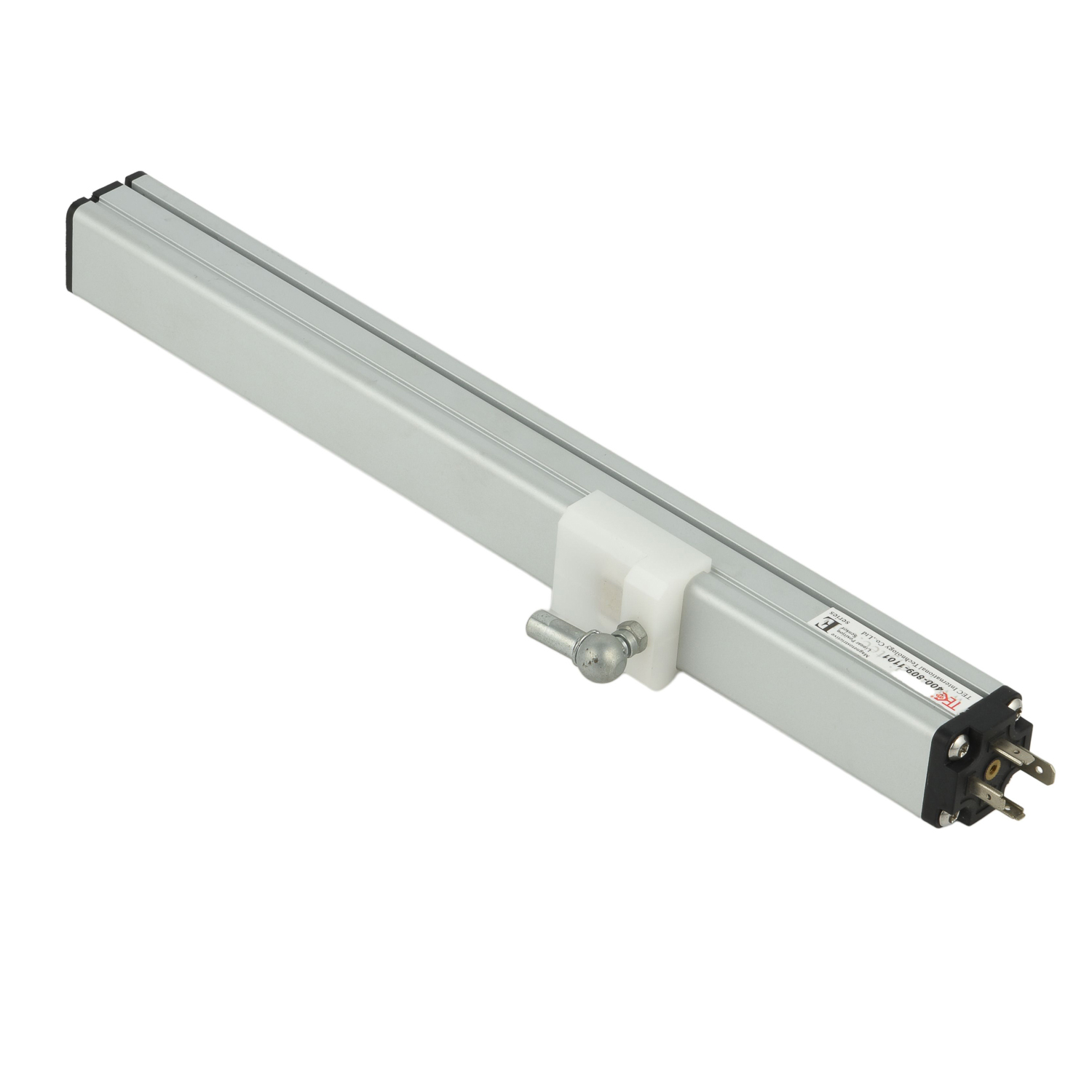 Installation Method of Magneto
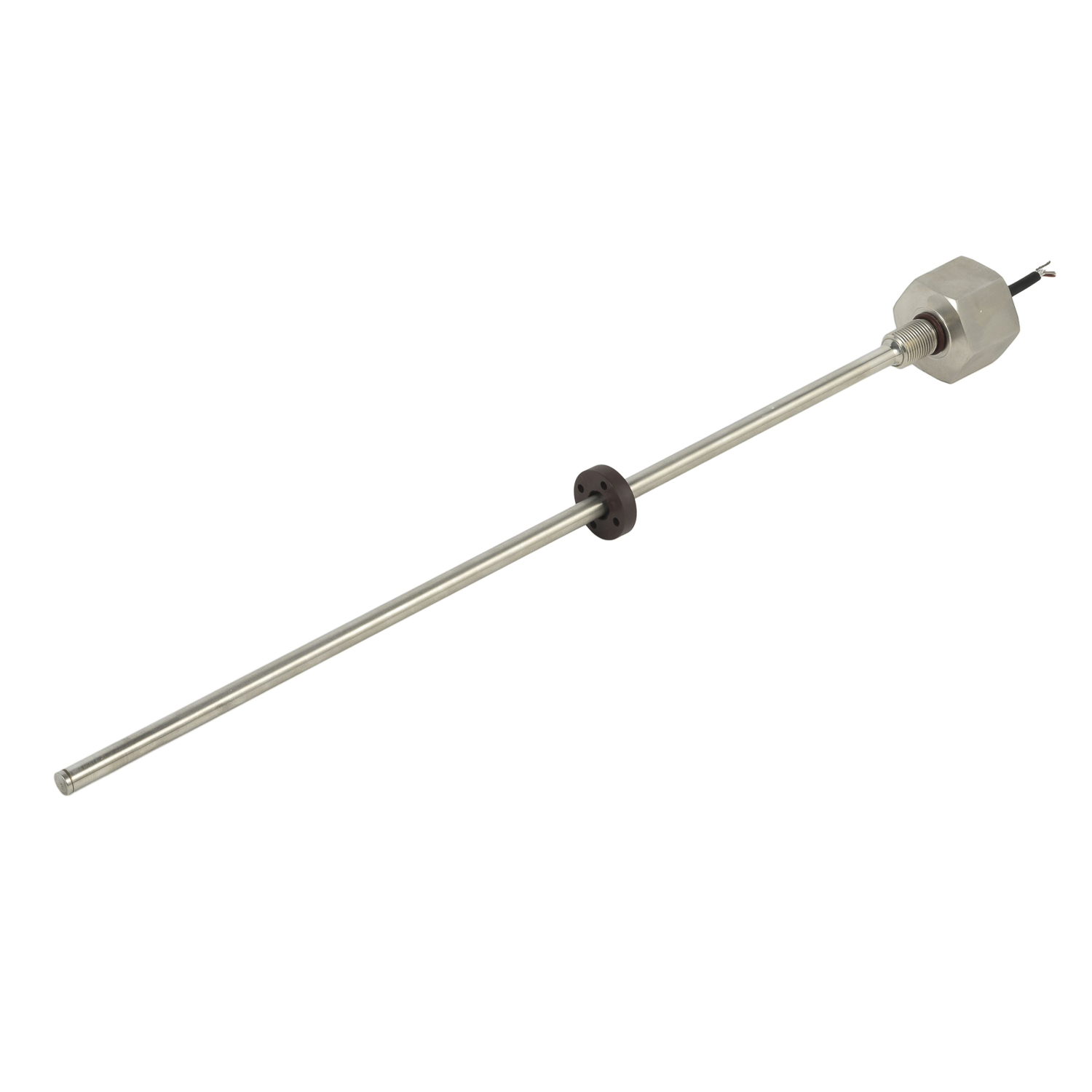 Working Principle of Magnetost