
Installation Method of Magnetostrictive Displacement Sensor
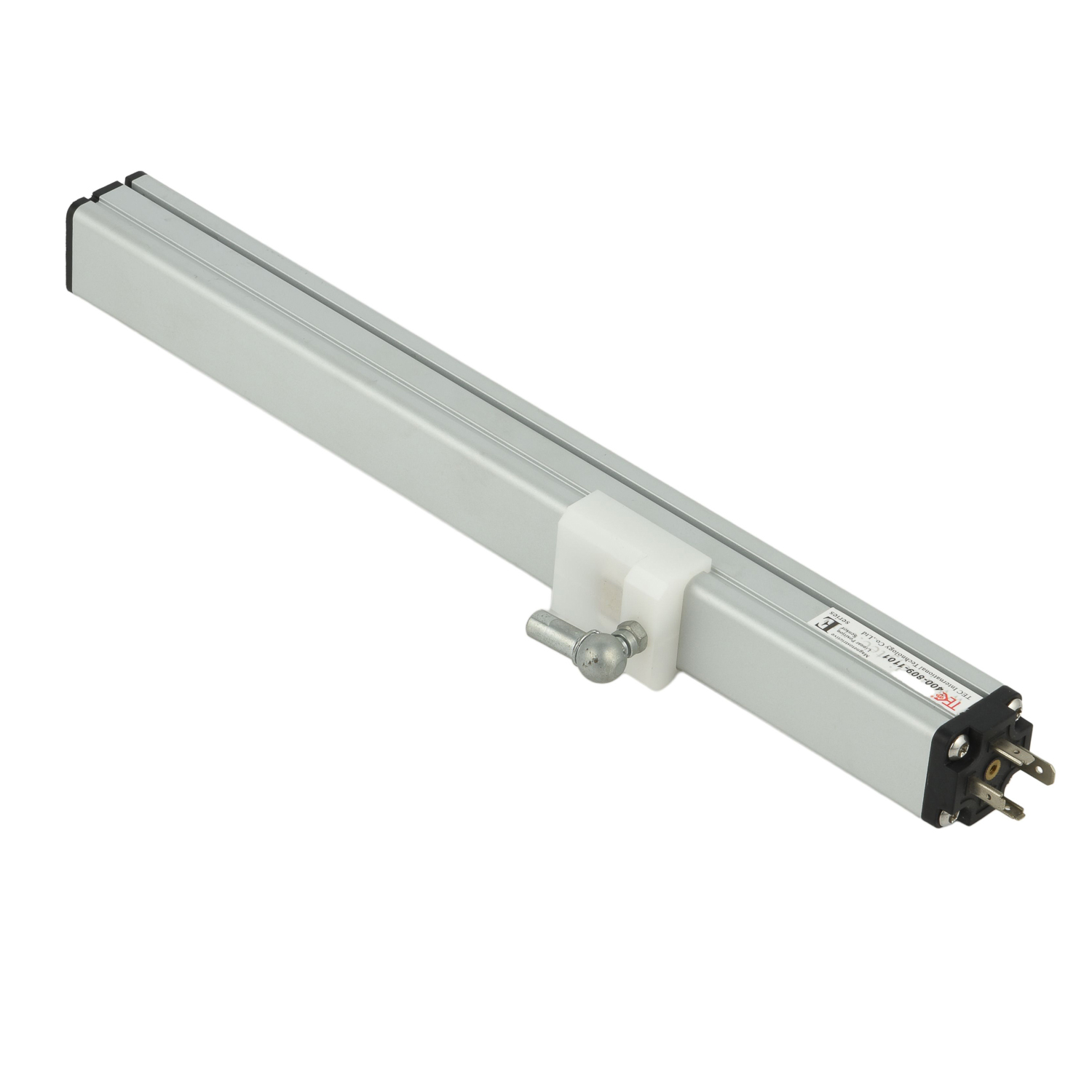
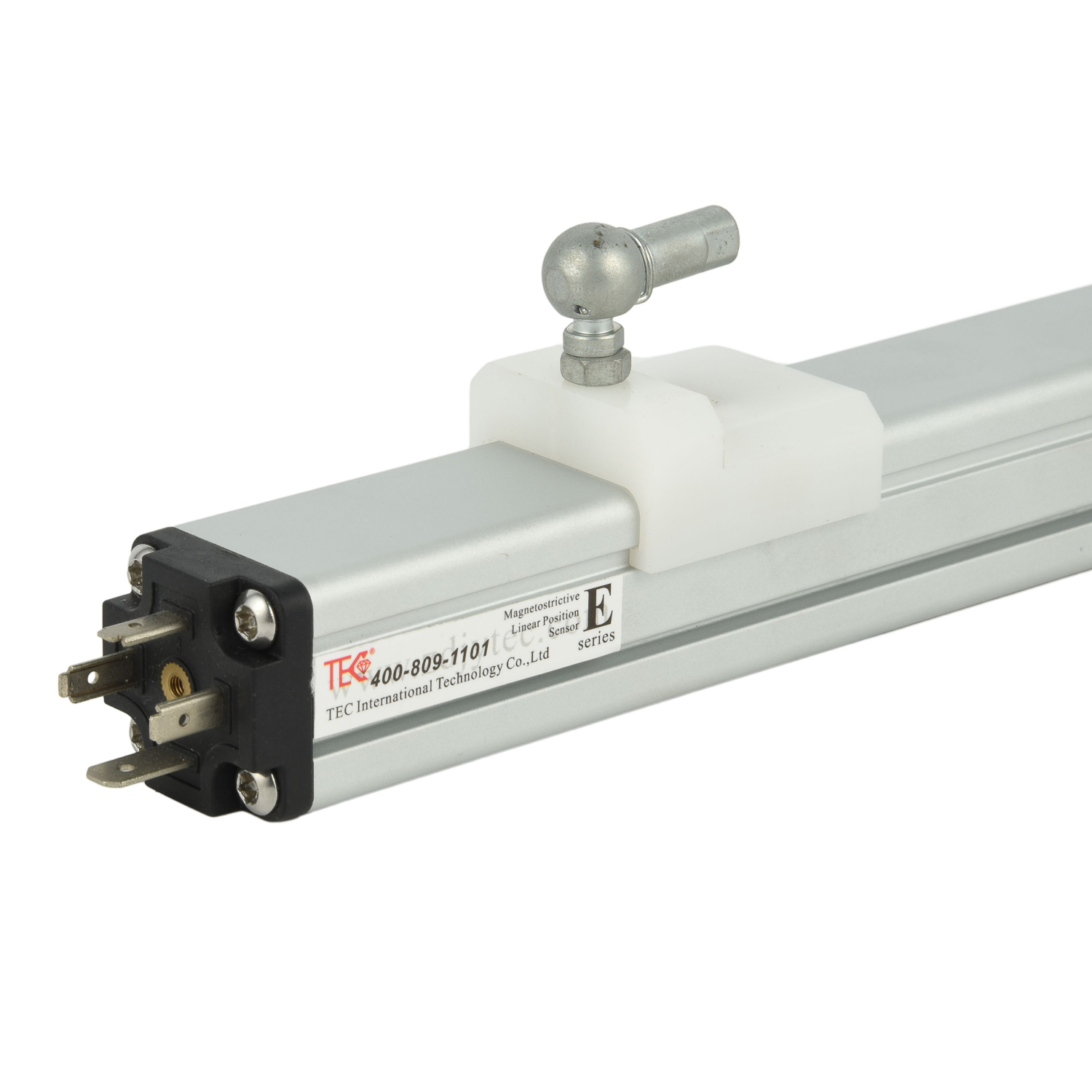
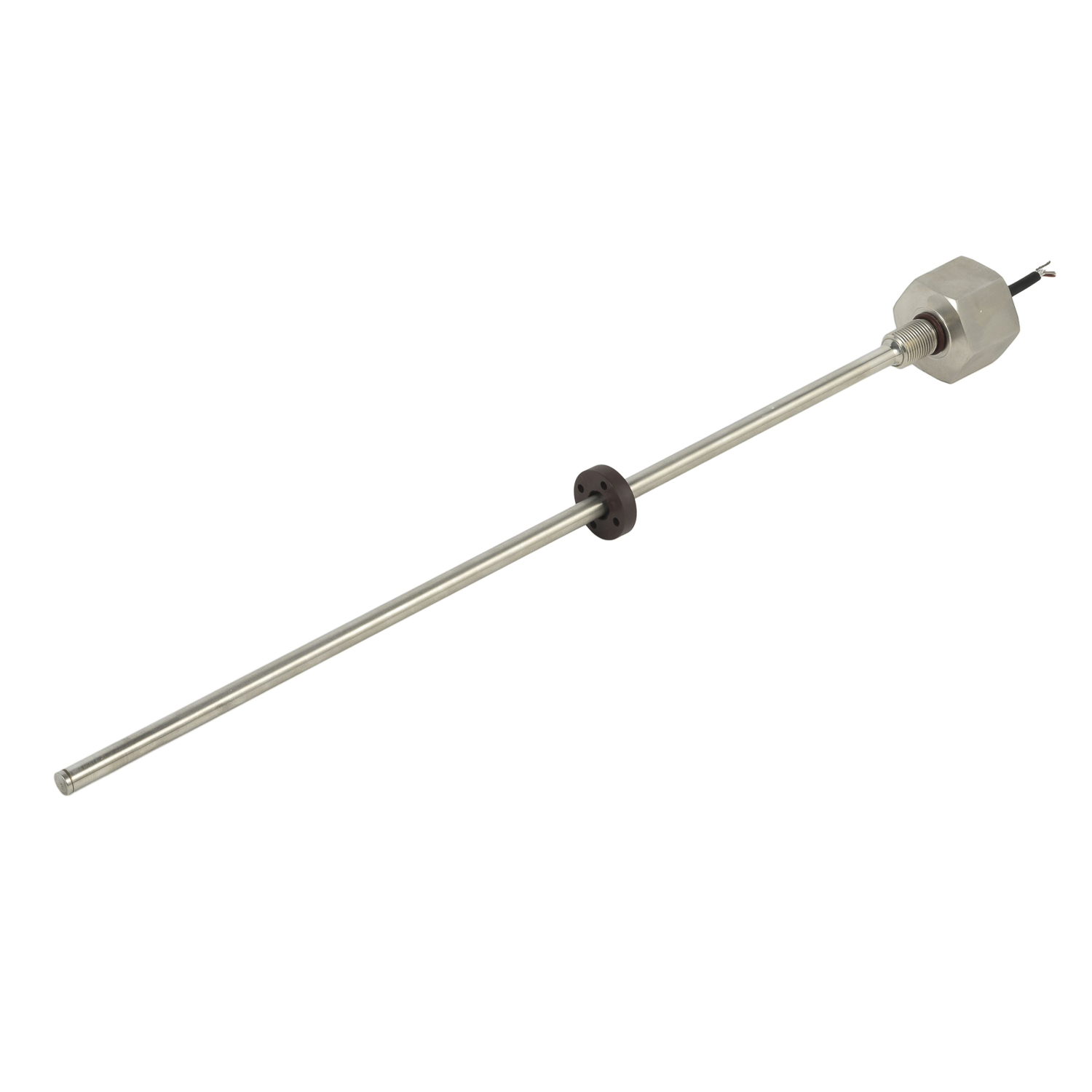
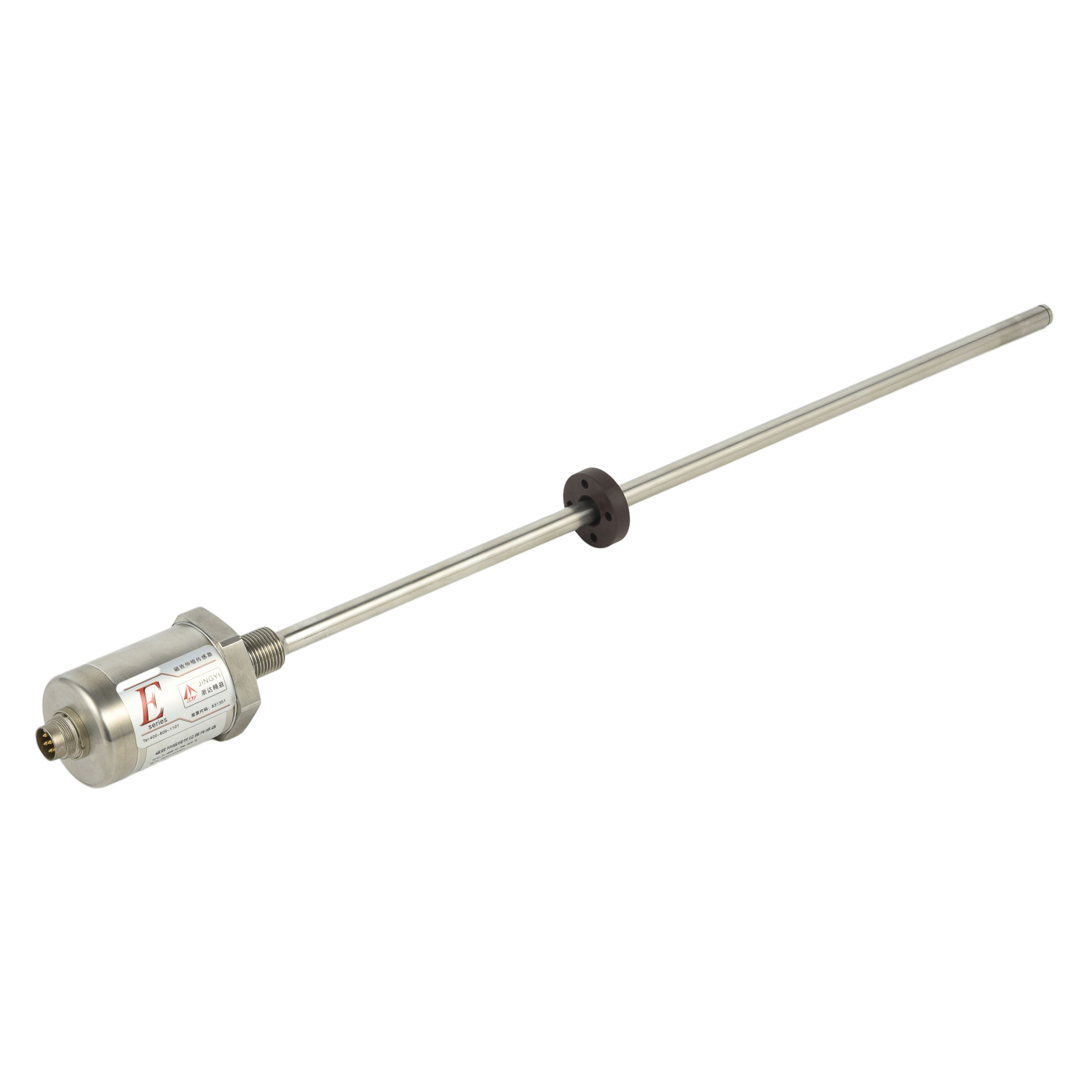
Installing a magnetostrictive displacement sensor correctly ensures accurate, stable position measurement in hydraulic, industrial, and automation systems. The sensor usually includes a rigid waveguide rod, an electronics housing, and a separate position magnet. The magnet moves along the rod without touching it. Proper mounting, alignment, and wiring are essential.
Preparation: Verify the sensor stroke, rod diameter, thread or flange type, output signal, and magnet dimensions. Inspect the rod for bends or damage. Prepare a flat mounting surface and use the recommended bracket. Do not shorten or bend the waveguide rod.
Mechanical installation: Mount the electronics housing securely using the flange, thread, or mounting holes. The rod must be parallel to the moving axis. Misalignment causes friction, wear, or signal error. Insert the rod into the moving structure. Install the position magnet on the moving part so it surrounds the rod concentrically. The magnet must not contact the rod. Maintain the clearance specified in the datasheet. Use non-magnetic fixtures near the sensor. Tighten bolts evenly and avoid excessive torque.
Alignment and testing: Move the machine slowly through the full stroke. Check that the magnet travels freely and the output changes smoothly. If the signal jumps or drifts, recheck concentricity, parallel alignment, and grounding. Keep the sensor away from strong external magnetic fields and large electrical noise sources.
Wiring: Connect power and output wires according to the datasheet.
 Import Substitute Magnetostric
Installation Method of Magneto
Import Substitute Magnetostric
Installation Method of Magneto
 Working Principle of Magnetost
 Technical Parameters of Magnet