
Turbine Flowmeter for Grain and Oil Storage Tanks
Turbine flowmeters are widely used in grain and oil storage facilities to measure clean, low-viscosity liquids such as edible oil, fuel oil, lubricants, and other transfer fluids. Their compact design, fast response, and reliable repeatability make them suitable for loading, unloading, pipeline transfer, and daily inventory checks around storage tanks.
In a grain and oil storage tank system, the meter is usually installed on the inlet or outlet pipeline. As liquid passes through, it drives a rotor; the rotor speed is proportional to flow rate. A sensor converts this rotation into pulse signals, which are displayed or sent to a control system. This provides real-time data for batch control, tank monitoring, and billing.
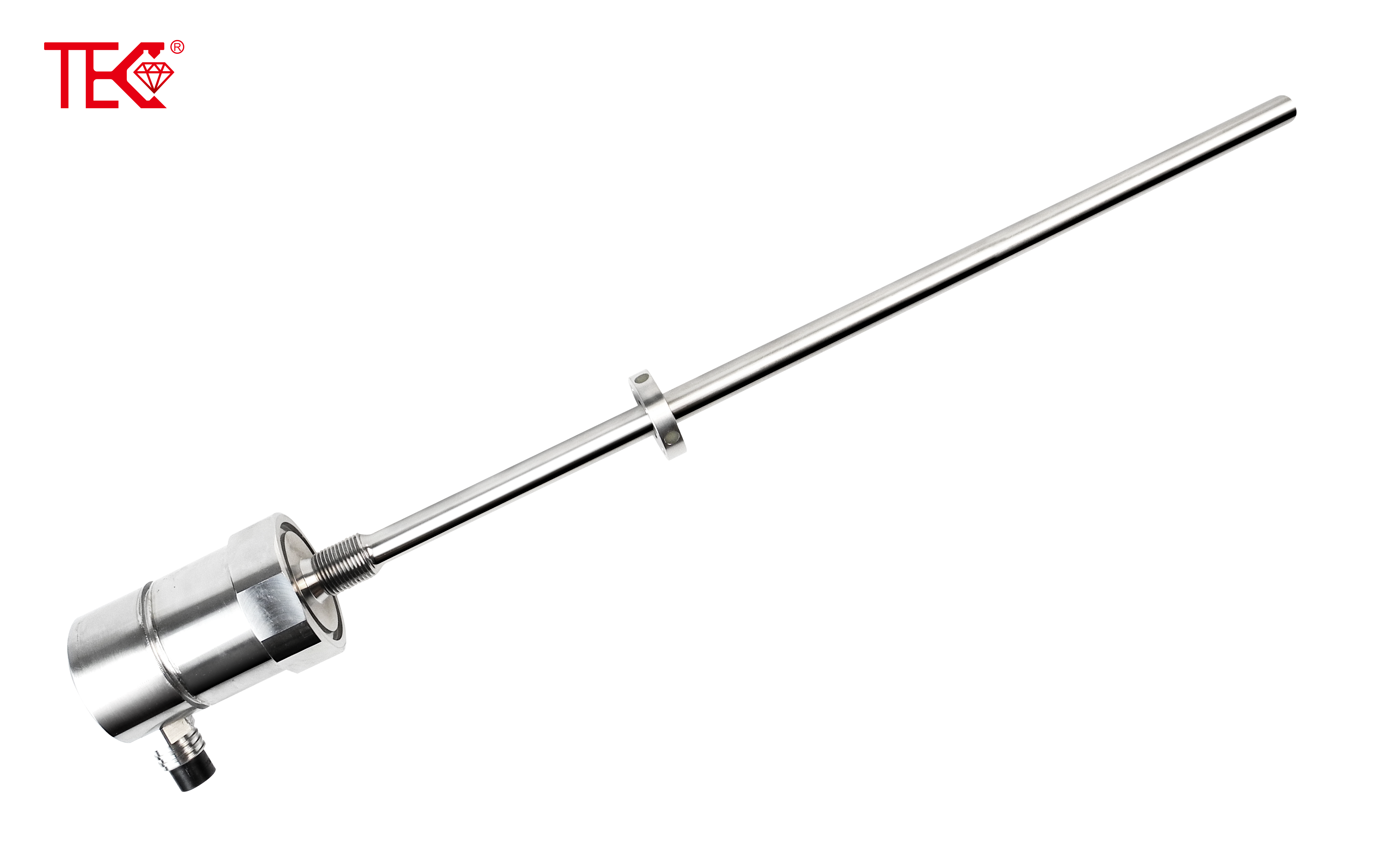
Correct selection is essential. Users should confirm flow range, viscosity, temperature, pressure, pipe size, and required accuracy. Filtration upstream protects the rotor from particles and protects measurement stability. For viscous oils, preheating or a suitable meter may be needed because high viscosity can reduce accuracy. Temperature compensation is recommended when volume is converted to standard conditions.
Installation should ensure straight pipe sections, proper grounding, and no air pockets. Regular calibration and maintenance help keep long-term performance. With proper sizing and care, a turbine flowmeter offers a practical and cost-effective solution for oil flow measurement in grain and oil storage tanks. It also supports efficient dispatch and loss control.
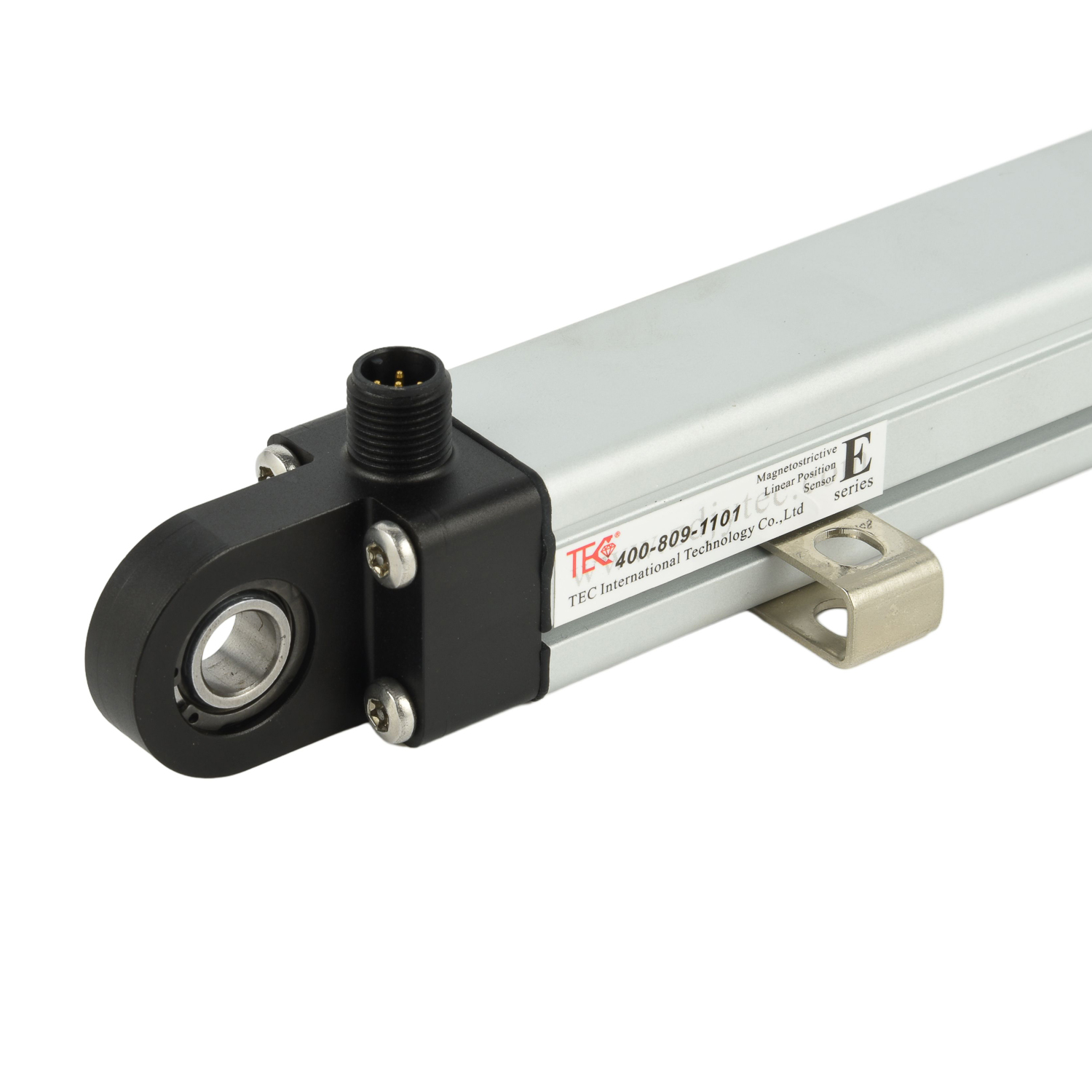 Turbine Flowmeter for Material
Turbine Flowmeter for Grain an
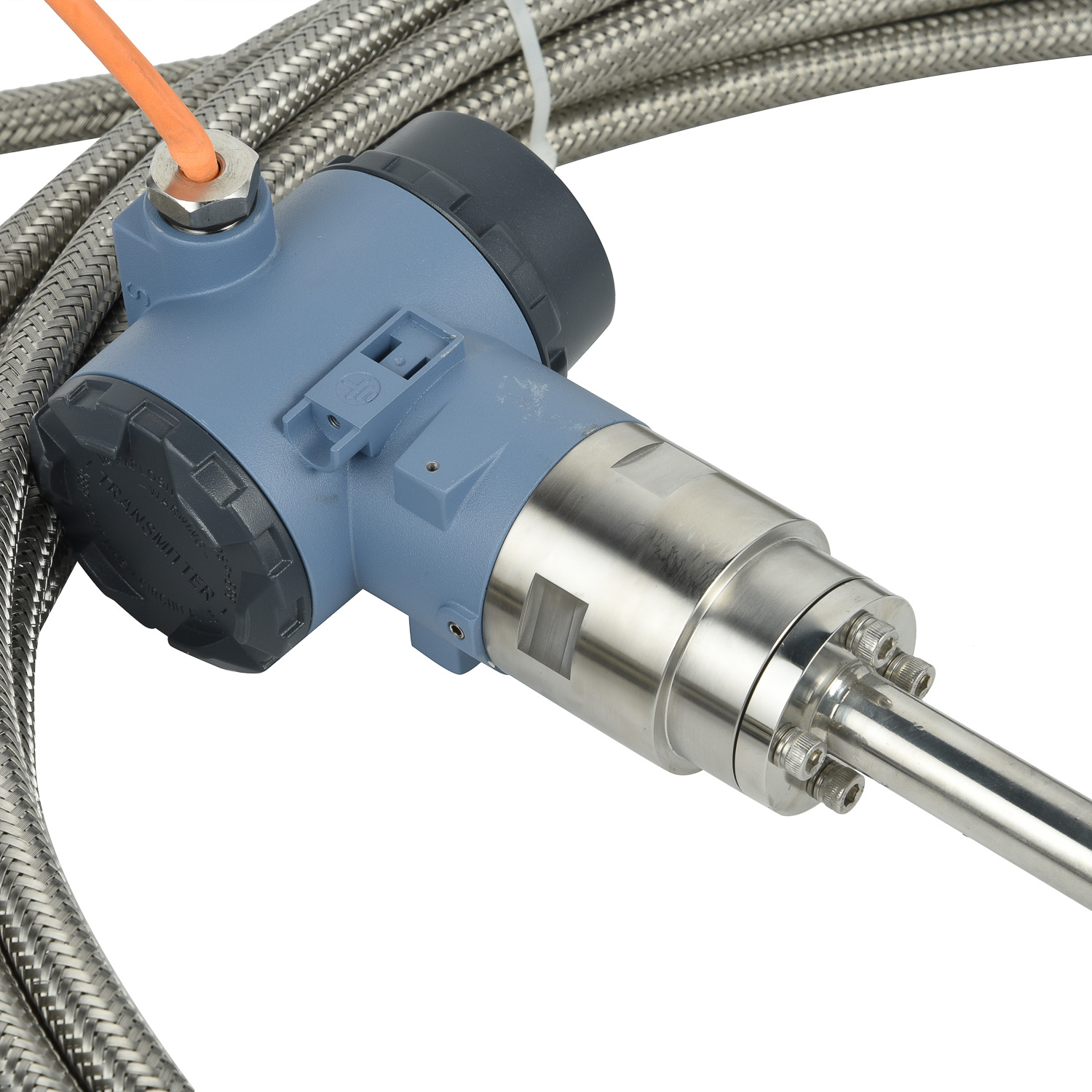 Turbine Flowmeter for Mixing S
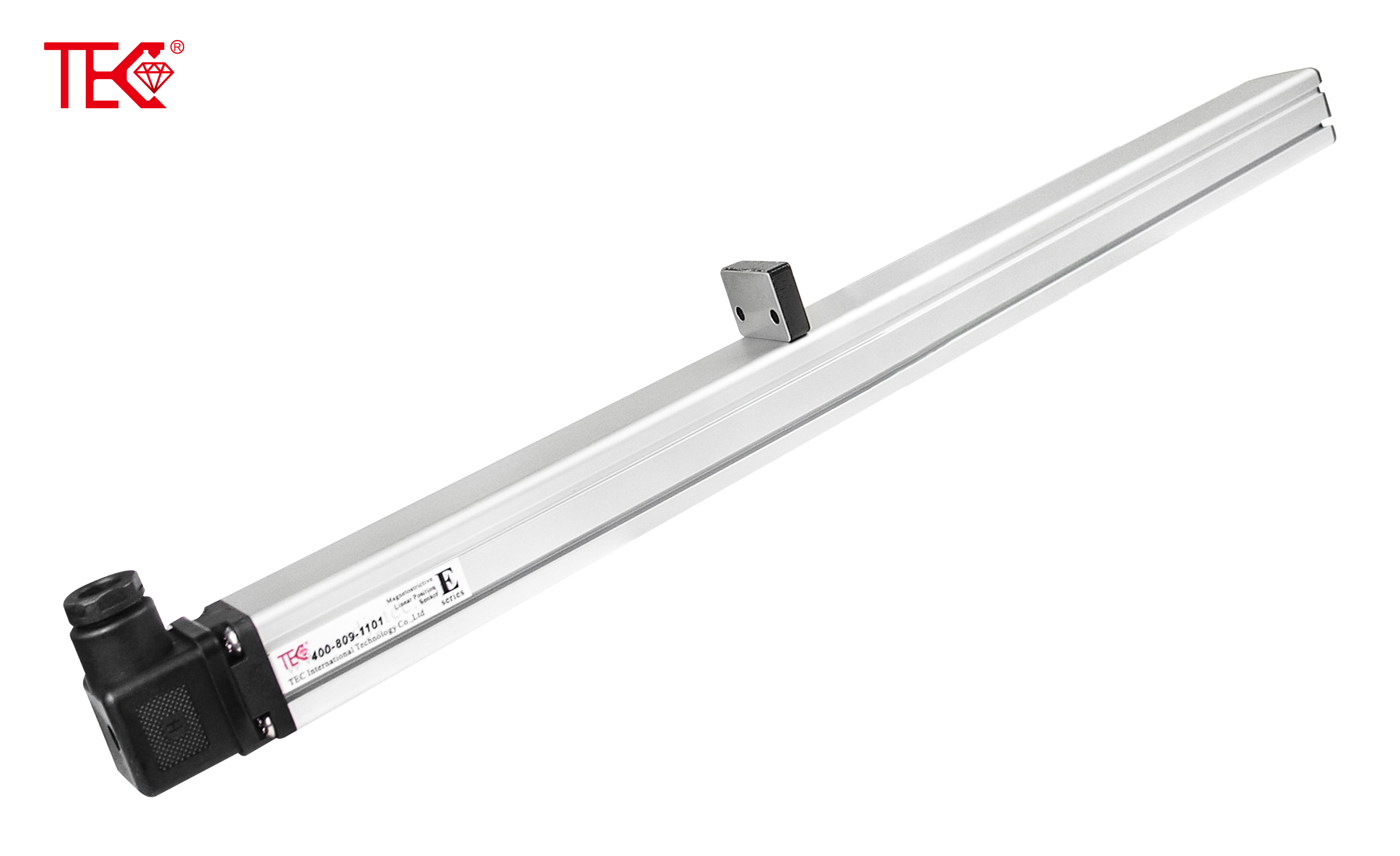 Turbine Flowmeter for Shield T