
Turbine Flowmeter for Material Tanks
Turbine flowmeters are a reliable choice for measuring liquid flow into and out of material tanks. In storage, mixing, and process vessels, accurate flow data helps operators control filling, dosing, transfer, and inventory. A turbine flowmeter uses a rotor that spins as liquid passes through the pipe. The rotation speed is proportional to flow velocity, producing pulse signals that can be converted into flow rate and total volume. This design offers fast response, high repeatability, and simple installation for many clean, low-viscosity liquids. It is widely used in tank-to-tank transfer, batch filling, mixing lines, and material accounting. When selecting a unit for material tanks, consider tank pressure, pipe size, flow range, liquid viscosity, temperature, and chemical compatibility. The meter should match the normal and maximum flow rates so the rotor stays within its calibrated range. Install the meter with enough straight pipe upstream and downstream, and keep the rotor free from debris or air pockets. A filter may be needed to protect the rotor in dirty processes. For viscous, abrasive, or particle-heavy media, a different meter type may be better. Routine maintenance includes checking the rotor for wear, verifying signal output, and confirming that calibration still matches the process liquid. A clean, stable flow profile improves accuracy and extends service life. Regular inspection helps maintain accuracy and reduce downtime. With proper sizing and installation, a turbine flowmeter supports safe tank operations, better batch control, and dependable material accounting.
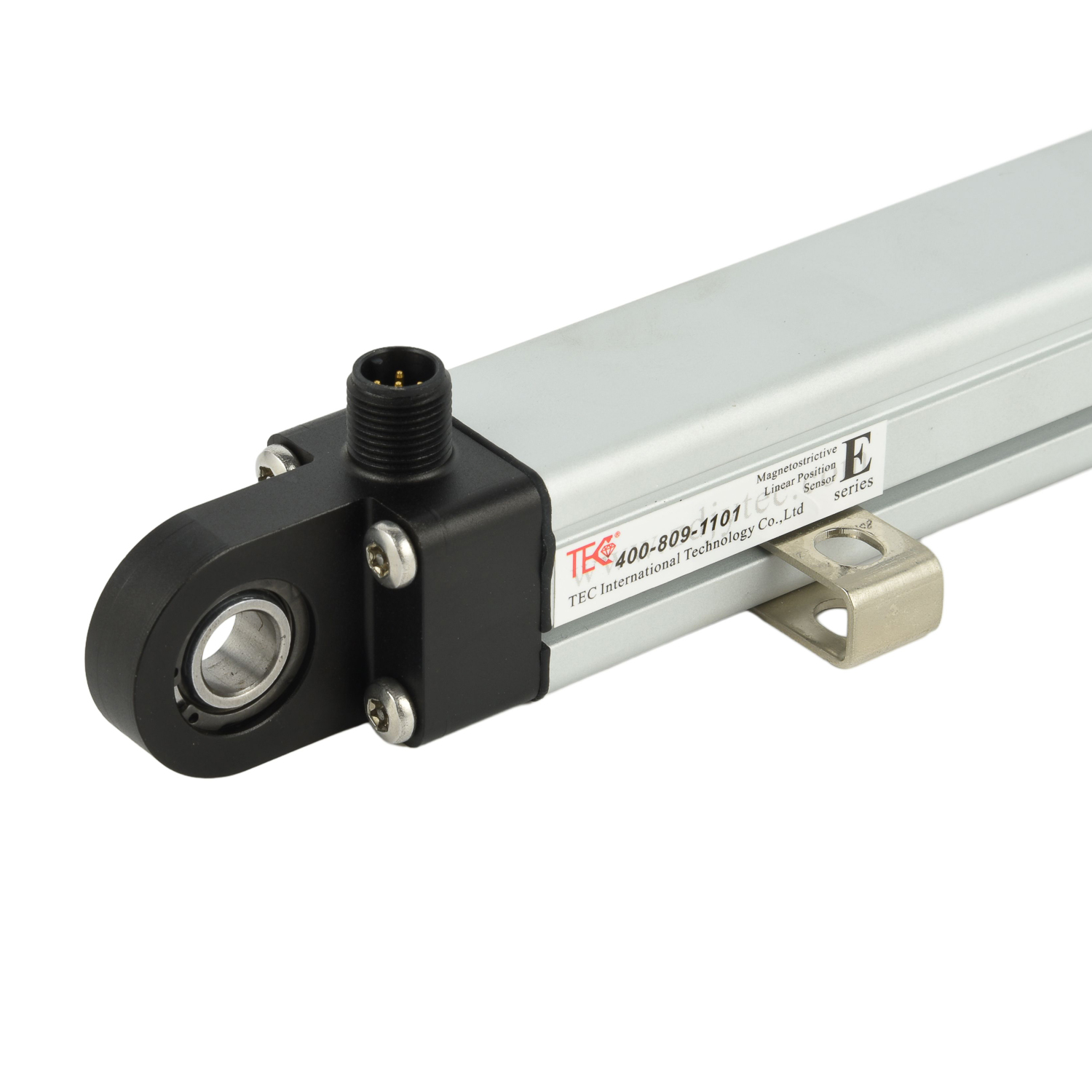 Turbine Flowmeter for Material
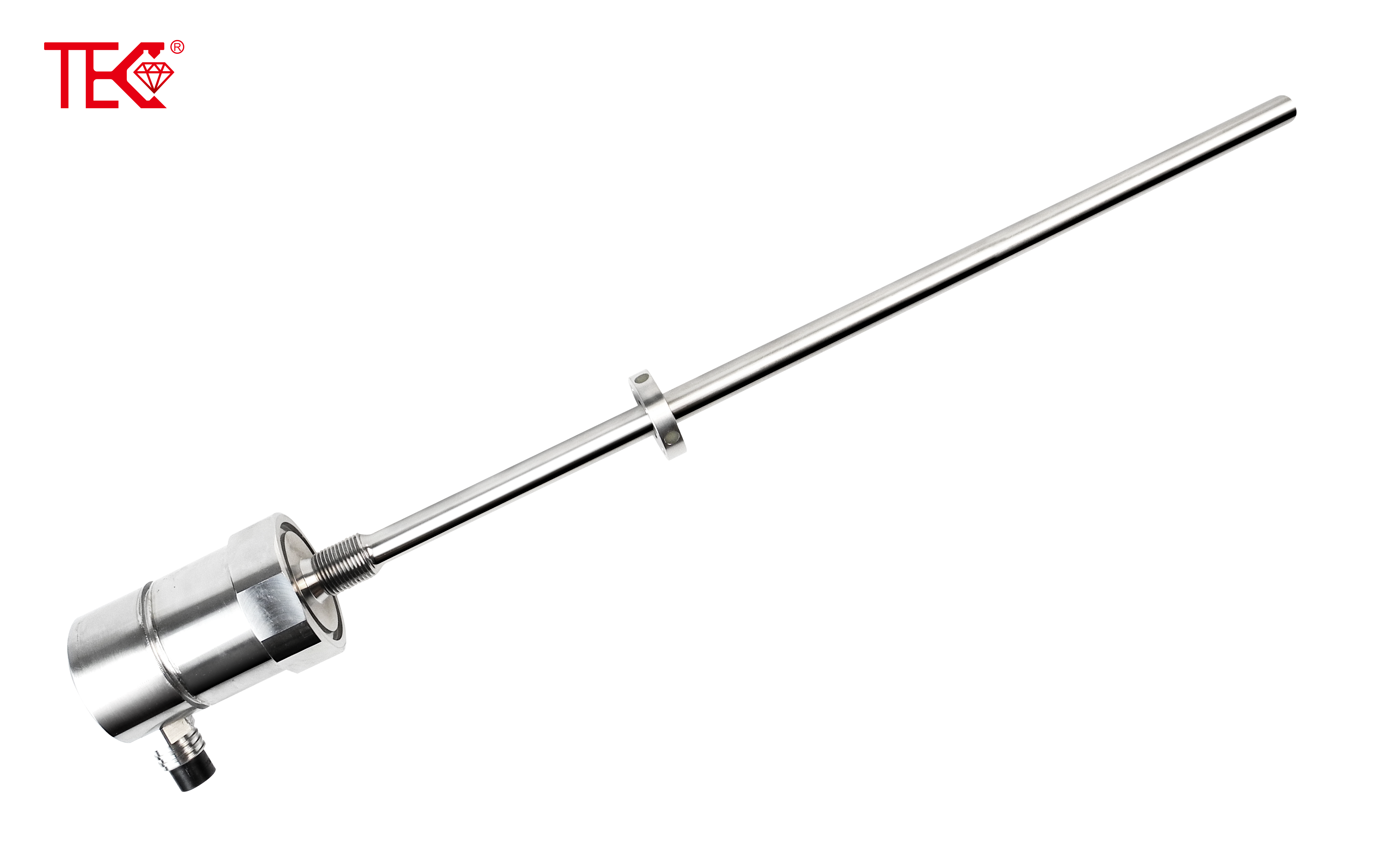 Turbine Flowmeter for Grain an
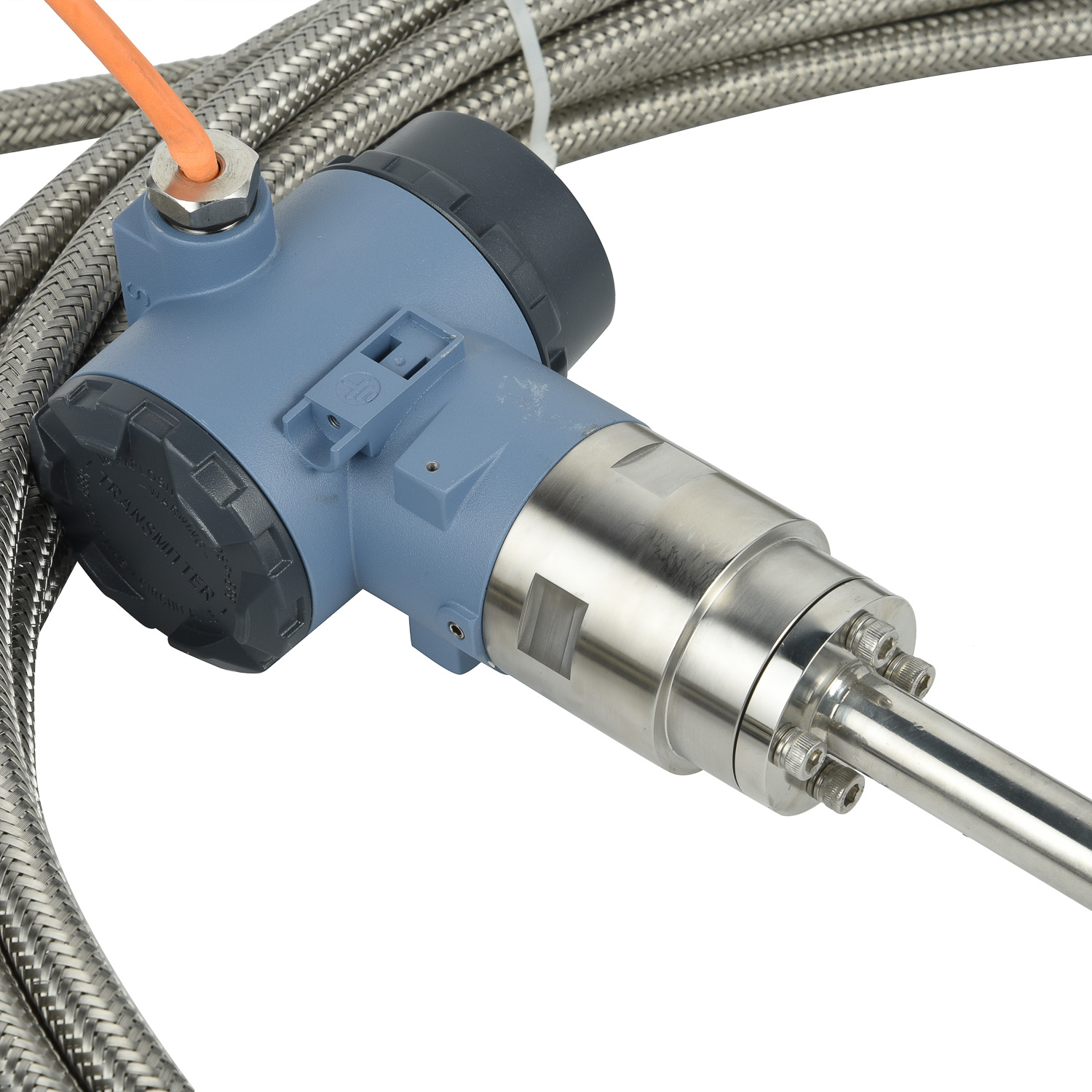 Turbine Flowmeter for Mixing S
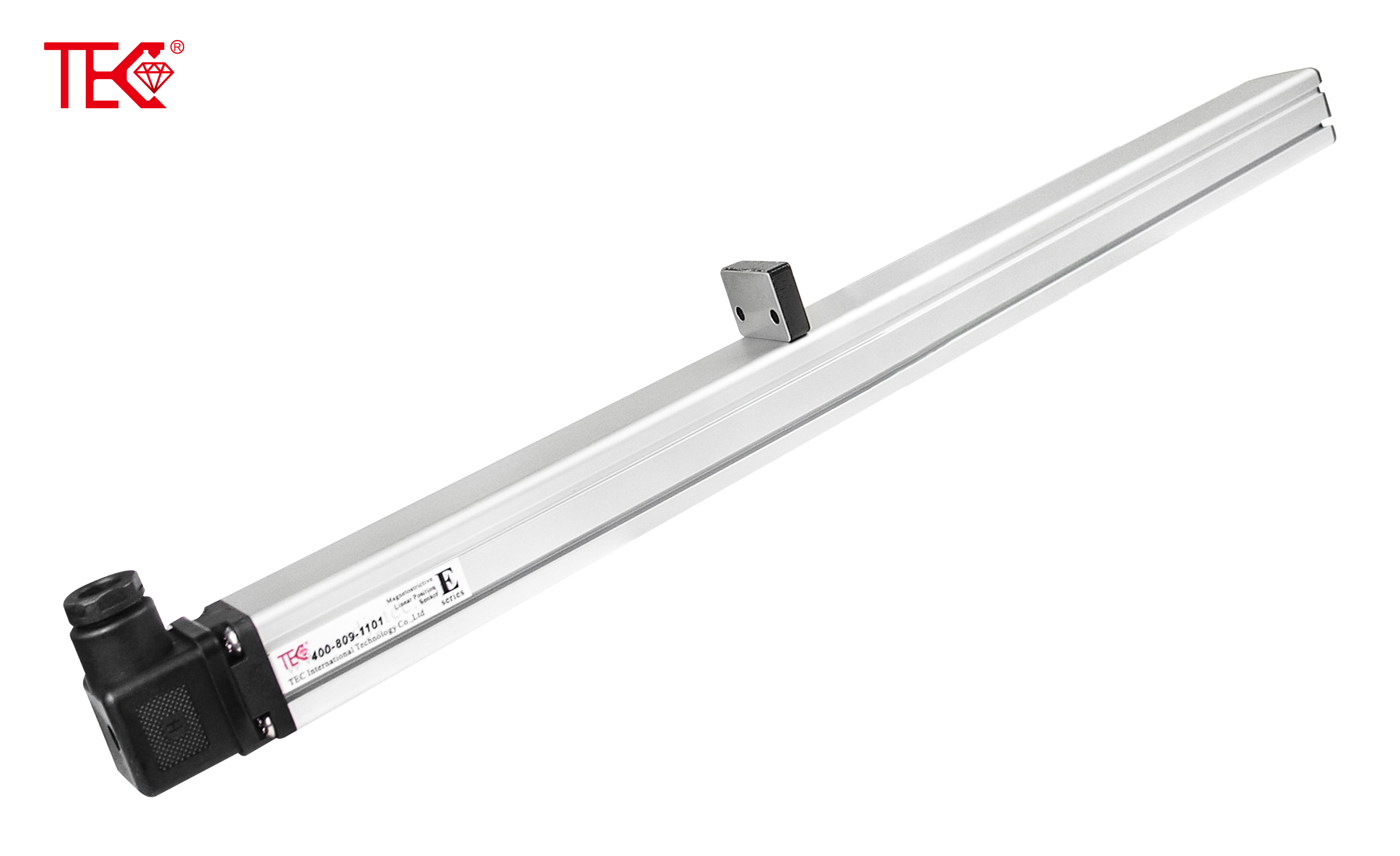 Turbine Flowmeter for Shield T