
TheSoundofPrecision:UnderstandingtheMagnetostrictiveEffect
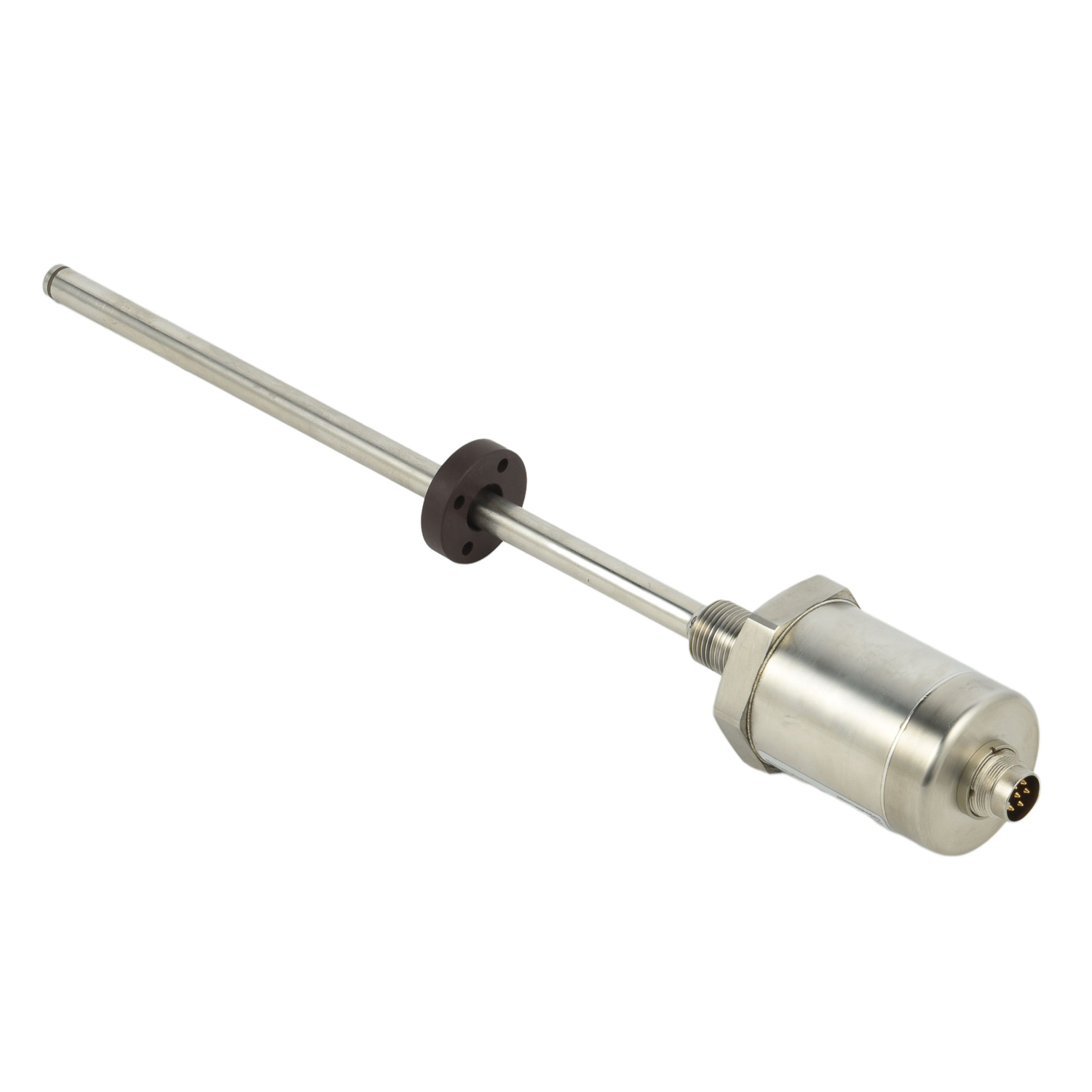
In the realm of advanced materials science, certain phenomena bridge the gap between abstract physics and transformative real-world technology. The magnetostrictive effect stands as a prime example, a fundamental property where ferromagnetic materials undergo a subtle change in shape or dimensions when exposed to a magnetic field. This intricate dance between magnetism and mechanical motion is not merely a laboratory curiosity; it is the silent, precise heartbeat of countless modern devices, from medical imaging systems to high-accuracy industrial sensors. Understanding this effect unlocks a world where control is measured in microns and energy conversion occurs with remarkable efficiency.
The Core Science: How Magnetostriction Works
At its core, the magnetostrictive effect is a bidirectional coupling of magnetic and elastic states. When a magnetic field is applied to a material like iron, nickel, cobalt, or specialized alloys such as Terfenol-D, the magnetic domains within the material align themselves with the field. This alignment causes a minute physical deformation—the material may very slightly expand or contract. Conversely, applying mechanical stress to the material alters its magnetic properties, a phenomenon known as the Villari effect or inverse magnetostriction. This reversible relationship forms the basis for a wide array of transducer applications, where electrical signals (creating magnetic fields) are converted into precise mechanical motion, and vice-versa.
From Principle to Application: Ultrasonic Transducers and Precision Sensors
The most prominent application harnessing this effect is in the generation and detection of ultrasonic waves. Magnetostrictive transducers efficiently convert alternating electrical currents into high-frequency mechanical vibrations, producing powerful and controlled ultrasonic energy. This principle is vital in non-destructive testing, where ultrasonic waves probe materials for flaws, and in medical ultrasound imaging, providing a window into the human body. Furthermore, the effect enables the creation of highly precise position and force sensors. By monitoring the changes in a material's magnetic characteristics under stress, these sensors can detect forces or displacements with exceptional accuracy, making them indispensable in robotics, aerospace, and advanced manufacturing.
Material Innovation: The Role of Advanced Smart Alloys
The performance of magnetostrictive devices hinges on the materials used. Early materials like pure nickel exhibited weak effects. The breakthrough came with the development of "giant" magnetostrictive materials, such as Terfenol-D (an alloy of terbium, dysprosium, and iron). These advanced smart materials demonstrate strain levels orders of magnitude greater than their predecessors, even in relatively low magnetic fields. This material innovation has dramatically expanded the practical scope of magnetostriction, enabling more powerful, efficient, and compact devices for sonar systems, active vibration control, and precision micro-actuators that operate with near-silent authority.
The Future Soundscape: Emerging Frontiers and Integration
The future of magnetostriction is resonating with potential. Research is focused on enhancing material properties at the nanoscale, developing thin-film magnetostrictive components for micro-electromechanical systems (MEMS), and integrating these materials with semiconductors. This convergence points toward a new generation of ultra-miniaturized sensors, energy harvesters that convert ambient vibrations into power, and novel memory devices. As we refine our understanding and control of this precise "sound"—the subtle mechanical hum induced by magnetism—the magnetostrictive effect will continue to be a critical enabler for quieter, smarter, and more precise technologies that shape our world.
 Graybus Cable Fault
 Field Application of Graybus C
 Model and Specification of Gra
 Import Substitute Graybus Cabl