
MiniaturizationTrend:CompactMagnetostrictiveDisplacementSensorsforTightSpaces
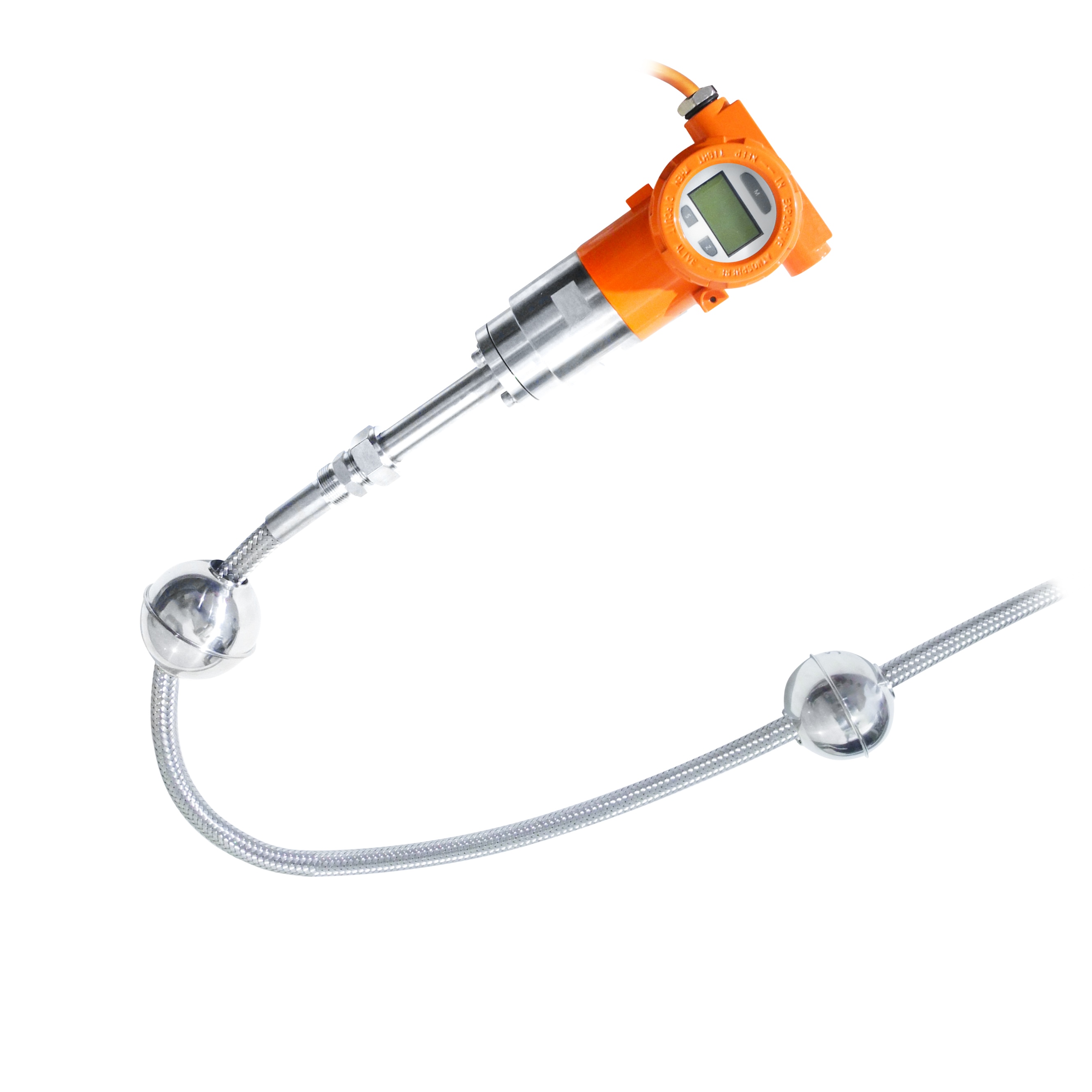
The demand for precision in modern industrial automation and robotics is relentless. However, a significant barrier often emerges not from technology itself, but from physical space constraints. This is where the powerful trend of sensor miniaturization takes center stage, specifically for critical components like magnetostrictive displacement sensors. Engineers are increasingly tasked with integrating high-performance measurement systems into ever-shrinking envelopes, driving innovation toward more compact form factors without sacrificing the core benefits of accuracy, reliability, and durability.
Engineering Compact Magnetostrictive Displacement Sensors for Confined Areas
Traditional magnetostrictive sensors, known for their non-contact, high-precision linear position feedback, were sometimes limited by their size. The new generation of compact sensors directly addresses this challenge. Through advanced engineering in waveguide design, electronics integration, and housing materials, manufacturers have successfully reduced the sensor's cross-sectional diameter and overall footprint. This miniaturization allows for installation in locations previously deemed impossible, such as within slender cylinder rods, compact actuator assemblies, or densely packed machinery frames, enabling precise measurement where it matters most.
Unlocking New Applications in Tight-Space Measurement
The advent of these space-saving sensors is unlocking a wave of new applications. In semiconductor manufacturing, they provide critical wafer stage positioning inside ultra-clean, space-optimized chambers. Within medical robotics, compact magnetostrictive sensors facilitate precise joint movement feedback in articulated surgical arms, where every millimeter counts. Electric vehicle battery pack assembly and miniature industrial grippers also benefit immensely. These sensors deliver absolute position data with micron-level repeatability, ensuring process integrity and safety in environments where larger sensors would simply be impractical.
Balancing Miniaturization with Uncompromised Performance and Robustness
A key concern when downsizing any component is potential performance loss. However, leading compact magnetostrictive sensors are designed to maintain, and sometimes even enhance, core performance metrics. They retain high resolution, excellent linearity, and fast response times. Furthermore, robustness is not sacrificed; these miniaturized units are built to withstand harsh industrial environments, featuring robust stainless steel housings, improved sealing against fluids and contaminants, and enhanced resistance to shock and vibration, ensuring long-term stability in demanding tight-space applications.
The Future of Dense System Integration and Smart Sensor Networks
Looking ahead, the miniaturization trend is a fundamental enabler for the next leap in system integration. As machinery and robots become more complex and dense, the ability to embed multiple, tiny yet intelligent sensors becomes crucial. The future points toward compact magnetostrictive sensors with integrated IO-Link or other industrial IoT protocols, facilitating easy integration into smart sensor networks. This allows for predictive maintenance, real-time performance analytics, and centralized configuration, maximizing operational efficiency and minimizing downtime in space-constrained, interconnected systems.
 YourUltimatePrimeronMagnetostr
TheCoreofInnovation:RecentBrea
DemystifyingLinearity:WhyIt'sC
TheLifecycleStory:Installation
YourUltimatePrimeronMagnetostr
TheCoreofInnovation:RecentBrea
DemystifyingLinearity:WhyIt'sC
TheLifecycleStory:Installation