
TheROIofReliability:CalculatingtheLong-TermValueofMagnetostrictiveSensors
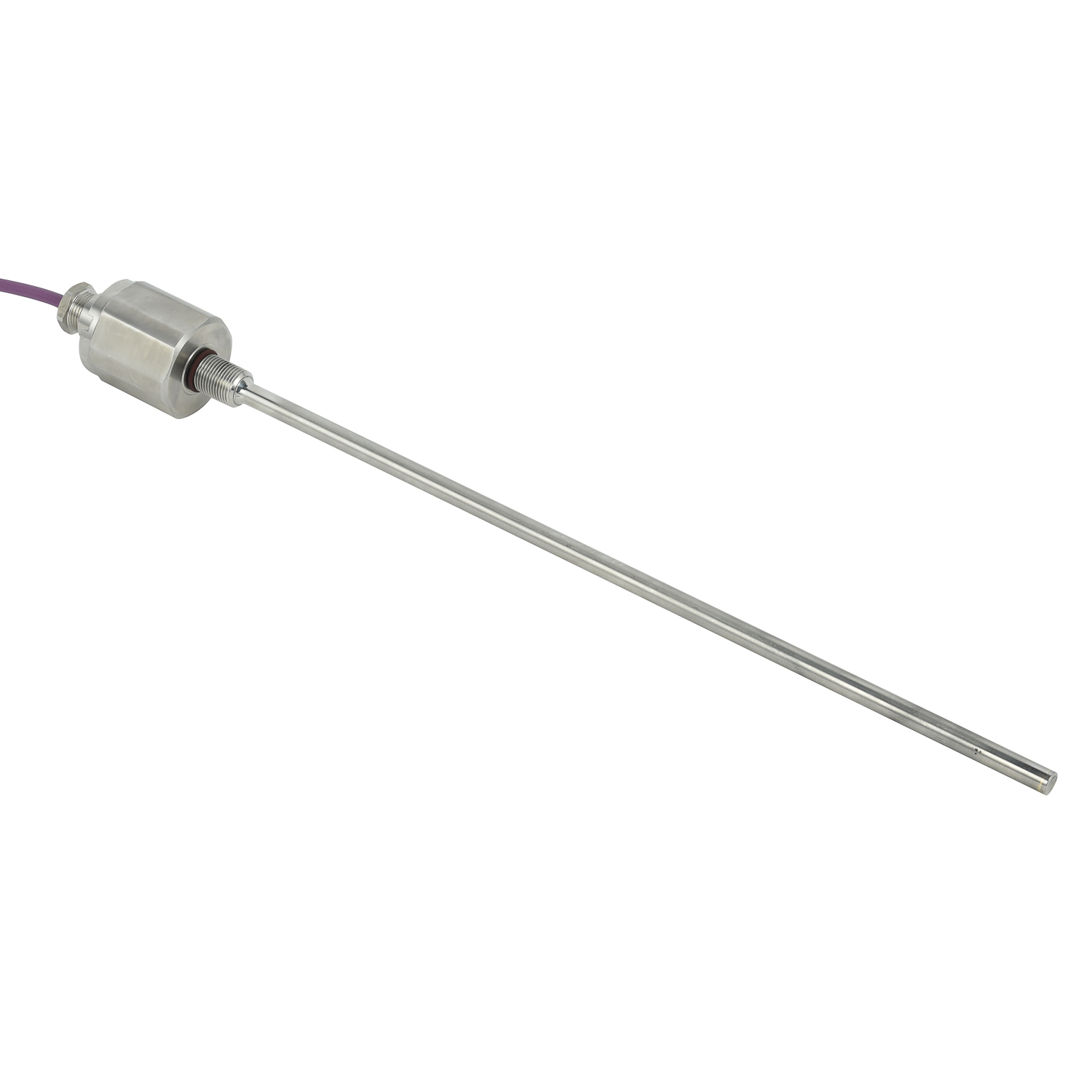
In an industrial landscape where efficiency is paramount, the true cost of a component extends far beyond its initial price tag. The relentless pursuit of operational excellence demands technologies that not only perform but endure. This is where the intrinsic value of magnetostrictive sensors shines, offering a masterclass in reliability that translates directly into a compelling financial return. Moving beyond simple procurement costs, savvy engineers and financial planners are now calculating a more telling metric: the Return on Investment of reliability itself.
Defining the Core Value: Precision That Pays for Itself
At their core, magnetostrictive sensors provide non-contact, absolute position feedback with exceptional accuracy and repeatability. Unlike incremental or less robust technologies, they deliver a precise "address" of a hydraulic cylinder's piston or actuator's position without drift over time. This fundamental precision eliminates guesswork, reduces scrap from misalignment, and ensures consistent product quality. The keyword here is *certainty*—a reduction in variability that safeguards your output and protects your revenue stream from the hidden costs of inaccuracy.
The Reliability Dividend: Minimizing Downtime and Maximizing Uptime
The most significant financial lever pulled by high-reliability sensors is uptime. Magnetostrictive sensors, with their robust design and lack of wearing mechanical contacts, are famed for their mean time between failures (MTBF), often measured in decades. This inherent durability is the cornerstone of their ROI. By drastically reducing unplanned downtime—the single most expensive event in manufacturing—these sensors keep production lines running. The cost of a few hours of halted production can easily eclipse the total investment in a fleet of top-tier sensors, making their reliability a direct profit center.
Quantifying the Savings: A Framework for Calculation
Calculating the long-term value requires a holistic view. Start with the direct costs: reduced spare part inventories, lower frequency of replacement labor, and eliminated costs from collateral damage caused by sensor failure. Then, factor in the operational savings: increased throughput from consistent operation, energy savings from optimized machine cycles, and dramatically lower warranty claims due to improved end-product quality. Finally, assign a monetary value to risk mitigation—the avoided cost of a catastrophic line stoppage. The sum presents a stark contrast to the initial purchase price, revealing the sensor as a strategic asset, not a consumable expense.
The Predictive Maintenance Advantage: From Cost to Strategy
Magnetostrictive sensors are enablers of a proactive maintenance paradigm. Their stable signal and diagnostic capabilities provide the trustworthy data needed for effective condition monitoring. This allows for the shift from reactive, break-fix models to predictive maintenance schedules. By forecasting service needs, you can plan interventions during scheduled pauses, avoiding emergency repairs. This strategic advantage not only extends asset life but also optimizes maintenance crew utilization, transforming a traditional cost center into a value-adding, data-driven operation that further amplifies your sensor investment.
Beyond the Machine: Impact on Total Cost of Ownership (TCO)
The final assessment lies in the Total Cost of Ownership. A cheap, unreliable sensor incurs a low initial cost but a high lifetime cost through frequent failures, maintenance, and production losses. A high-reliability magnetostrictive sensor inverts this model. Its higher initial investment is amortized over a vastly longer, more productive service life with minimal ancillary costs. When TCO is analyzed over a 5, 10, or 15-year horizon, the reliable sensor consistently emerges as the economically superior choice, delivering lower cost per operating hour and a stronger, more predictable bottom line.
Conclusion: Investing in Measurable Certainty
Ultimately, specifying magnetostrictive sensors is an investment in measurable certainty. Their value proposition is not merely technical but fundamentally financial. By providing unwavering precision and legendary durability, they protect revenue, contain costs, and enable more intelligent, efficient operations. In the calculus of modern industry, where every second and every micron counts, the ROI of reliability offered by these sensors isn't just good engineering—it's impeccable business sense. The data is clear: the most reliable choice is, in the long run, the most profitable one.
 Graybus Cable Fault
 Field Application of Graybus C
 Model and Specification of Gra
 Import Substitute Graybus Cabl